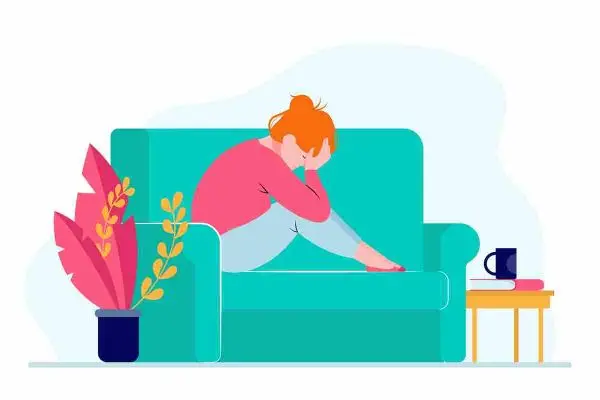
Sometimes, a person may experience moments of sudden psychological distress in which they feel stressed and distressed unexpectedly and without a clear or valid reason. This distress can be classified among the negative emotions that may lead to many psychological and physical problems. If a person ignores this distress and does not try to identify its cause or source, it will gradually intensify—without them realizing it—until it eventually becomes a state of anxiety and stress that may develop into physical problems over time.
Science has shown that psychological problems may weaken the immune system, which in turn makes the body more susceptible to illness and less able to resist it. It is therefore wise not to overlook feelings of sudden psychological distress, to try to reduce their causes, and to seek help from specialized healthcare professionals such as doctors or mental health professionals when necessary.
Symptoms of sudden psychological distress
Sudden psychological distress is usually accompanied by a range of symptoms. The most common include:
Low mood and confused thinking.
Difficulty concentrating and making decisions.
Feeling frustrated and guilty for no particular reason.
Physical symptoms such as chronic headaches, abdominal pain, or unexplained pain.
Reluctance to go to work or school.
A tendency to isolate oneself and withdraw from communication with others.
Recurring negative thoughts that may disrupt the person's normal social life.
Loss of interest and a lack of enjoyment in things that are usually pleasurable.
Thinking about self-harm or suicide.
Causes of sudden psychological distress in psychology
There may be several reasons behind sudden psychological distress, including physical, psychological, and environmental causes. Some possible causes are outlined below:
Anxiety and stress: Ongoing exposure to stress and anxiety can lead to sudden psychological distress. The pressures and challenges a person faces in daily life may cause psychological stress that can result in sudden distress.
Hidden causes: There may be hidden causes behind sudden distress. This distress can be regarded as neural messages sent by the subconscious mind to the conscious mind, indicating that a problem requires a fundamental solution. It is worth noting that the subconscious mind stores thoughts and memories, so maintaining its health is a significant part of mental well-being.
Mental health conditions: Mental health conditions such as generalized anxiety disorder (GAD), panic disorder, or obsessive-compulsive disorder (OCD) may be associated with sudden psychological distress.
Hormonal causes: Sudden distress may be associated with inadequate nutrition or deficiencies in certain vitamins, leading to reduced secretion of hormones such as serotonin. This is why some people who feel sad, distressed, or depressed notice that their condition quickly improves after eating chocolate or being exposed to sunlight.
Panic attacks: You can recognize panic attacks or sudden panic episodes by symptoms such as shortness of breath, a rapid heartbeat, and dizziness. These attacks may occur unexpectedly and without a clear reason, causing sudden psychological distress.
Medical causes: Certain medical conditions, such as high blood pressure, respiratory problems such as asthma, and thyroid disorders, may cause symptoms of sudden distress.
Medication side effects: Some medications may cause side effects that include psychological distress and emotional disturbance.
Social causes: Spending time with negative people or those who complain frequently may contribute to feelings of distress and worry. These emotions can pass easily from one person to another, and the longer the contact with such people lasts, the greater the feeling of sadness and distress.
It is worth noting that these causes may occur individually, or two or more may be behind sudden psychological distress. It is therefore extremely important to consult a psychiatrist who can assess your condition accurately and determine the cause of your sudden distress. They will be able to provide the correct diagnosis and prescribe appropriate treatment if needed.
Sudden psychological distress and depression for no apparent reason
Psychological distress is an emotional state characterized by several symptoms, including discomfort, stress, and shortness of breath. At times, it may be accompanied by fear or anxiety or by physical symptoms such as an increased heart rate, excessive sweating, trembling, and fainting because of its relationship with panic attacks, which involve such symptoms as mentioned above.
Psychologically, distress may result from psychological stress, severe anxiety, pressures in life, and difficult emotional events. Physically, it may result from respiratory problems such as asthma or bronchial constriction, cardiovascular problems such as high blood pressure, or thyroid abnormalities. Environmental and social factors may also contribute to the onset or worsening of sudden psychological distress.
Sudden psychological distress and depression are two different psychological conditions, but they may sometimes be connected.
The difference between psychological distress and depression:
Sudden psychological distress is a feeling of stress, anxiety, and emotional disturbance that may appear through symptoms such as difficulty concentrating, confusion, psychological unease, muscle tension, and anxiety. By contrast, depression is a medical condition characterized by persistent sadness, a marked decline in mood, loss of interest, and withdrawal from daily activities. Depression may be accompanied by other symptoms such as guilt, persistent anxiety, changes in sleep and appetite, and negative thoughts or thoughts involving death and self-harm.
Although psychological distress and depression share some common symptoms, such as anxiety, stress, and negative thoughts, they differ in their nature, duration, and other symptoms. For example, one person may experience temporary sudden distress in particular situations, while another may experience depression continuously for a longer period. From an outside perspective, they may appear to show the same signs.
In either case, if you or someone you know is showing symptoms that suggest psychological distress or depression, it is essential to seek help from a specialized healthcare provider who can assess and accurately diagnose the condition and provide appropriate treatment and necessary support.
The relationship between psychological distress and depression without an apparent cause:
Psychological distress represents the first stage in the development of depression, which a person reaches when distress and sadness accumulate. Depression is a mood disorder that causes persistent hopelessness, loss of interest in things and people, and ongoing sadness. Depression and its symptoms may last for weeks, months, or even years, and it affects people of all ages without exception.
Depression often arises from hormonal or genetic factors, as other family members may have depression. Some medications may also cause depression as a side effect, including cancer treatments and antibiotics. If symptoms intensify and psychological distress becomes more frequent, this may be interpreted as depression. In that case, the person should visit a doctor for psychological treatment. The psychiatrist will try to address the problems causing the depression and prescribe specific types of medication for psychological distress.
If you experience psychological distress and depression for no apparent reason, you may be facing what is known as “transient depression” or “unexplained depression.” This type is sometimes called episodic depression because it appears and disappears repeatedly without a clear cause. Transient depression may result from various factors, such as stress and anxiety, hormonal fluctuations, dietary changes, lack of sleep, differences in physical activity, and environmental and social factors. You may also have psychological associations and factors that indirectly affect your feelings of distress and depression.
If you frequently and persistently feel psychological distress and depression without a specific reason, it is best to contact a specialized healthcare provider, such as a psychiatrist or psychological consultant. Specialists will be able to assess and diagnose your condition accurately and provide appropriate treatment if necessary.
What should you do when you experience sudden psychological distress?
When you experience sudden psychological distress, here are some quick steps you can take to deal with it effectively:
Breathe deeply: Focus on deep abdominal breathing. Inhale slowly and deeply through your nose, hold your breath for one or two seconds, and then exhale slowly through your mouth. Repeat this process several times, and you will notice an improvement in your feeling of psychological distress.
Meditation and relaxation: Give yourself a chance to relax or practice meditation. Relaxation practices such as visualization, focusing on something, or listening to music may help you relax and ease psychological distress.
Exercise: Regular physical activity may help relieve stress and increase the release of natural brain chemicals that promote a positive mood. Choose an activity you enjoy, such as walking, climbing, playing ball games, or swimming, and practice it regularly.
Seek professional help: If psychological distress continues to occur and significantly affects your daily life, it may be best to consult a qualified mental health professional. Doctors and psychotherapists can provide appropriate support and advice and guide you toward suitable treatment.
Ask for support: Do not hesitate to share your feelings with people close to you, such as friends or family members. Social support may play an important role in easing anxiety and sudden psychological distress. It may also be helpful to join an in-person or online mental health support group that connects you with people who have had similar experiences.
Remember, however, that sudden psychological distress may have specific causes, which you can review at the beginning of this article, and these measures cannot replace treatment. If symptoms persist or worsen, it is wise to consult a qualified healthcare provider for an accurate assessment and appropriate treatment.
How can I get rid of sudden distress?
Ways of overcoming sudden psychological distress vary according to its possible causes and each person's individual circumstances. Nevertheless, the following general strategies may help relieve sudden distress without medication:
Deep breathing and relaxation techniques: Practice deep-breathing techniques such as abdominal breathing, as explained above. You can also practice other techniques, such as meditation and progressive muscle relaxation, to relieve stress and calm the mind and body.
Care for your physical health: Do not neglect your overall health, as a healthy mind depends on a healthy body. Adopt a healthy lifestyle, maintain healthy sleep habits, and follow a balanced diet. You should also address problems and prevent them from accumulating, as the subconscious mind should receive only positive experiences and continually seeks to release negativity.
Pay attention to what enters your body: Eat healthy, nutrient-rich foods that meet your body's needs, especially fresh vegetables and fruit, and reduce your consumption of fatty meals. You should also avoid alcohol and caffeine and stop smoking, as these stimulants intensify the symptoms of sudden psychological distress.
Manage pressure: Make an effort to manage stress and daily pressures by organizing your time and setting priorities. Use techniques for managing psychological stress such as relaxation and meditation. In addition, try spending time alone and reflecting on yourself to determine the cause of your sudden psychological distress.
Social support: Do not hesitate to seek social support from close friends and family members. Talking to someone you trust and sharing your feelings and thoughts may help ease psychological distress and the stress it causes.
Distance yourself from negativity: You should also spend time with positive people and those with good habits, while avoiding contact with negative, skeptical, and frequently complaining people, as well as involvement in toxic relationships..
Most importantly, remember that every situation is different and unique. It may take some experimentation and adjustment to discover the strategy that suits you and helps you overcome sudden distress. We should, of course, also remember the treatments that help reduce how often sudden psychological distress occurs and may even stop it from happening.
Treatment for sudden psychological distress
There are different ways to treat sudden feelings of distress, including worship-based and medication-based treatment. The most notable include:
Spiritual treatment: One of the best ways to treat sudden psychological distress is to turn to Almighty God, read the Holy Quran, and pray with reverence. These acts of worship restore balance to the body and strengthen psychological resilience.
Psychological treatment: Psychotherapy, such as cognitive behavioral therapy or talk therapy, is an effective way to resolve underlying problems in the unconscious mind that may be causing sudden psychological distress.
Medication: If you experience recurring sudden distress, or if it persists for a long time and begins to negatively affect your daily life, you may need to use medications. Only mental health specialists can prescribe them according to an appropriate diagnosis.
If you experience persistent psychological distress that affects your daily life, it is essential to consult a specialized healthcare provider for an accurate assessment, identification of the possible cause, and appropriate treatment. Treatment may include psychotherapy, medication, or a combination of both, as well as lifestyle changes to ease psychological distress.
In summary, some people may sometimes experience sudden, unexplained moments of psychological distress. This is considered a negative feeling that may lead to many psychological disorders and then physical ones. If a person overlooks this feeling and does not examine its symptoms and causes, it will gradually worsen until it reaches a level of anxiety and stress that may cause physical disorders over time. Psychological distress should therefore be taken seriously and addressed in the most appropriate way to support better mental health.
Content writer and researcher at Tatmeen, working on Arabic and English articles across mental health and everyday life topics, including relationships, stress, work, habits, and family.
Every Tatmeen article is reviewed by care providers licensed by the Saudi Commission for Health Specialties, so what you read is accurate and trustworthy.
This article builds understanding and does not replace a licensed care provider.
Need someone to talk to?
Tatmeen's licensed care providers are available around the clock, and the app's urgent consultation connects you with one within minutes.
Download Tatmeen to explore care providers and booking options.
Smart matchingFour quick questions suggest the right care provider
Urgent consultationTalk to an available care provider within minutes
Free psychological measuresMore than 20 tests to understand how you are doing
Scan to download
{"data":{"id":"281b67f8-c9fa-428b-9191-133fd6c3e2f5","slug":"Sudden-shortness-of-breath-relateted-to-depression","arTitle":"الضيق النفسي المفاجئ – أسباب وطرق العلاج وعلاقته بالاكتئاب ","enTitle":"Sudden Psychological Distress: Causes, Treatment, and Depression","thumbnailAltText":"Person sits leaning forward with both hands on their head","estimatedReadingTime":5,"likesCount":1000,"writer":{"id":"f49e2ee4-e68b-4e04-a40b-01d0b0195161","arBio":"كاتب وباحث محتوى في تطمين، يعمل على مقالات عربية وإنجليزية في موضوعات الصحة النفسية والحياة اليومية، مثل العلاقات، الضغوط، العمل، العادات، والأسرة.","enBio":"Content writer and researcher at Tatmeen, working on Arabic and English articles across mental health and everyday life topics, including relationships, stress, work, habits, and family.","user":{"slug":"sultan-almuhasin","arFullName":"سلطان المحيسن","enFullName":"Sultan Almuhasin","publicProfileImageUrl":"https://cdn.tatmeen.sa/public/profile-images/2494102f-7411-4dda-85b1-0c37a1031b3f/c9d25068aaa97c2c1f80123e2d6a27cc7b5a9b1df6a91493df9411b390a60279.webp","publicProfileImage96Url":"https://cdn.tatmeen.sa/public/profile-images/2494102f-7411-4dda-85b1-0c37a1031b3f/c9d25068aaa97c2c1f80123e2d6a27cc7b5a9b1df6a91493df9411b390a60279-w96.webp","publicProfileImage192Url":"https://cdn.tatmeen.sa/public/profile-images/2494102f-7411-4dda-85b1-0c37a1031b3f/c9d25068aaa97c2c1f80123e2d6a27cc7b5a9b1df6a91493df9411b390a60279-w192.webp"}},"arContent":"","enContent":"","productionDocument":{"headings":[{"id":"article-section-symptoms-of-sudden-psychological-distress","text":"Symptoms of sudden psychological distress"},{"id":"article-section-causes-of-sudden-psychological-distress-in-psychology","text":"Causes of sudden psychological distress in psychology"},{"id":"article-section-sudden-psychological-distress-and-depression-for-no-apparent-reason","text":"Sudden psychological distress and depression for no apparent reason"},{"id":"article-section-what-should-you-do-when-you-experience-sudden-psychological-distress","text":"What should you do when you experience sudden psychological distress?"},{"id":"article-section-how-can-i-get-rid-of-sudden-distress","text":"How can I get rid of sudden distress?"},{"id":"article-section-treatment-for-sudden-psychological-distress","text":"Treatment for sudden psychological distress"}],"faqs":[],"beforeSourcesHtml":"","sources":[],"afterSourcesHtml":"","blocks":[{"type":"html","html":"<p class=\"ql-align-right ql-direction-rtl\">Sometimes, a person may experience moments of sudden psychological distress in which they feel<a style=\"background-color:transparent\" href=\"https://www.hakini.net/article/%D8%A7%D9%84%D8%AA%D9%88%D8%AA%D8%B1-%D9%88%D8%A7%D9%84%D8%B6%D8%BA%D8%B7-%D8%A7%D9%84%D9%86%D9%81%D8%B3%D9%8A\" target=\"_blank\" rel=\"noopener noreferrer\"> stressed</a> and distressed unexpectedly and without a clear or valid reason. This distress can be classified among the negative emotions that may lead to many psychological and physical problems. If a person ignores this distress and does not try to identify its cause or source, it will gradually intensify—without them realizing it—until it eventually becomes a state of <a style=\"background-color:transparent\" href=\"https://www.hakini.net/article/%D8%A7%D9%84%D8%AE%D9%88%D9%81-%D9%88-%D8%A7%D9%84%D9%82%D9%84%D9%82-%D8%A3%D8%B3%D8%A8%D8%A7%D8%A8-%D9%88-%D8%A3%D8%B9%D8%B1%D8%A7%D8%B6-%D9%88-%D8%B9%D9%84%D8%A7%D8%AC-%D9%88-%D8%B9%D9%84%D8%A7%D9%82%D8%AA%D9%87-%D8%A8%D8%A7%D9%84%D8%AA%D9%88%D8%AA%D8%B1\" target=\"_blank\" rel=\"noopener noreferrer\">anxiety</a> and stress that may develop into physical problems over time. </p><p class=\"ql-align-right ql-direction-rtl\">Science has shown that psychological problems may weaken the immune system, which in turn makes the body more susceptible to illness and less able to resist it. It is therefore wise not to overlook feelings of sudden psychological distress, to try to reduce their causes, and to seek help from specialized <a style=\"background-color:transparent\" href=\"https://apps.apple.com/us/app/hakini/id1618923800\" target=\"_blank\" rel=\"noopener noreferrer\">healthcare professionals</a> such as doctors or mental health professionals when necessary.</p><h2 class=\"ql-align-right ql-direction-rtl\" id=\"article-section-symptoms-of-sudden-psychological-distress\" data-toc-heading tabindex=\"-1\"><span id=\"symptoms-of-sudden-psychological-distress-1\" aria-hidden=\"true\"></span><strong>Symptoms of sudden psychological distress</strong></h2><p class=\"ql-align-right ql-direction-rtl\">Sudden psychological distress is usually accompanied by a range of symptoms. The most common include:</p><ol><li class=\"ql-align-right ql-direction-rtl\">Low mood and confused thinking.</li><li class=\"ql-align-right ql-direction-rtl\">Difficulty concentrating and making decisions.</li><li class=\"ql-align-right ql-direction-rtl\">Feeling frustrated and guilty for no particular reason.</li><li class=\"ql-align-right ql-direction-rtl\"><a style=\"background-color:transparent\" href=\"https://www.hakini.net/article/%D9%87%D9%84-%D8%A7%D9%84%D8%B6%D8%BA%D8%B7-%D8%A7%D9%84%D9%86%D9%81%D8%B3%D9%8A-%D9%8A%D8%B3%D8%A8%D8%A8-%D8%A7%D8%B6%D8%B7%D8%B1%D8%A7%D8%A8-%D9%81%D9%82%D8%AF%D8%A7%D9%86-%D8%A7%D9%84%D8%B4%D9%87%D9%8A%D8%A9-%D8%A7%D9%84%D8%B9%D8%B5%D8%A8%D9%8A\" target=\"_blank\" rel=\"noopener noreferrer\">Loss of appetite</a> or <a style=\"background-color:transparent\" href=\"https://www.hakini.net/article/%D9%85%D8%A7-%D9%87%D9%88-%D8%A7%D9%84%D8%A7%D9%83%D9%84-%D8%A7%D9%84%D8%B9%D8%A7%D8%B7%D9%81%D9%8A-%D9%88%D9%83%D9%8A%D9%81-%D9%8A%D9%85%D9%83%D9%86-%D8%A7%D9%84%D8%AA%D8%BA%D9%84%D8%A8-%D8%B9%D9%84%D9%8A%D9%87\" target=\"_blank\" rel=\"noopener noreferrer\">emotional eating</a>.</li><li class=\"ql-align-right ql-direction-rtl\"><a style=\"background-color:transparent\" href=\"https://www.hakini.net/article/%D8%A7%D9%84%D8%A3%D8%B1%D9%82-%D8%A3%D8%B3%D8%A8%D8%A7%D8%A8-%D9%88%D8%A3%D8%B9%D8%B1%D8%A7%D8%B6-%D9%88%D8%B9%D9%84%D8%A7%D8%AC-%D9%88%D8%A7%D9%84%D8%B9%D9%84%D8%A7%D9%82%D8%A9-%D8%A8%D9%8A%D9%86%D9%87-%D9%88%D8%A8%D9%8A%D9%86-%D9%82%D9%84%D8%A9-%D8%A7%D9%84%D9%86%D9%88%D9%85\" target=\"_blank\" rel=\"noopener noreferrer\">Insomnia</a> and sleep disturbances.</li><li class=\"ql-align-right ql-direction-rtl\">Exhaustion and extreme fatigue.</li><li class=\"ql-align-right ql-direction-rtl\">Physical symptoms such as chronic headaches, abdominal pain, or unexplained pain.</li><li class=\"ql-align-right ql-direction-rtl\">Reluctance to go to work or school.</li><li class=\"ql-align-right ql-direction-rtl\">A tendency to isolate oneself and withdraw from communication with others.</li><li class=\"ql-align-right ql-direction-rtl\">Recurring negative thoughts that may disrupt the person's normal social life.</li><li class=\"ql-align-right ql-direction-rtl\"><a style=\"background-color:transparent\" href=\"https://www.hakini.net/article/%D9%81%D9%82%D8%AF%D8%A7%D9%86-%D8%A7%D9%84%D8%B4%D8%BA%D9%81-%D8%B9%D9%84%D8%A7%D9%85%D8%A7%D8%AA-%D9%88%D8%A3%D8%B3%D8%A8%D8%A7%D8%A8-%D9%88%D8%B9%D9%84%D8%A7%D8%AC-%D9%88%D8%A7%D9%84%D9%81%D8%B1%D9%82-%D8%A8%D9%8A%D9%86%D9%87-%D9%88%D8%A8%D9%8A%D9%86-%D8%A7%D9%84%D8%A5%D9%83%D8%AA%D8%A6%D8%A7%D8%A8\" target=\"_blank\" rel=\"noopener noreferrer\">Loss of interest</a> and a lack of enjoyment in things that are usually pleasurable.</li><li class=\"ql-align-right ql-direction-rtl\">Thinking about self-harm or suicide.</li></ol><h2 class=\"ql-align-right ql-direction-rtl\" id=\"article-section-causes-of-sudden-psychological-distress-in-psychology\" data-toc-heading tabindex=\"-1\"><span id=\"causes-of-sudden-psychological-distress-in-psychology-2\" aria-hidden=\"true\"></span><strong>Causes of sudden psychological distress in psychology</strong></h2><p class=\"ql-align-right ql-direction-rtl\">There may be several reasons behind sudden psychological distress, including physical, psychological, and environmental causes. Some possible causes are outlined below:</p><ul><li class=\"ql-align-right ql-direction-rtl\"><strong>Anxiety and stress:</strong> Ongoing exposure to stress and anxiety can lead to sudden psychological distress. The pressures and challenges a person faces in daily life may cause psychological stress that can result in sudden distress.</li><li class=\"ql-align-right ql-direction-rtl\"><strong>Hidden causes: </strong>There may be hidden causes behind sudden distress. This distress can be regarded as neural messages sent by the subconscious mind to the conscious mind, indicating that a problem requires a fundamental solution. It is worth noting that the subconscious mind stores thoughts and memories, so maintaining its health is a significant part of mental well-being. </li><li class=\"ql-align-right ql-direction-rtl\"><strong>Mental health conditions: </strong>Mental health conditions such as generalized anxiety disorder (GAD), panic disorder, or <a style=\"background-color:transparent\" href=\"https://www.hakini.net/article/%D9%83%D9%8A%D9%81-%D8%AA%D8%B9%D8%B1%D9%81-%D8%A3%D9%86%D9%83-%D9%85%D8%B5%D8%A7%D8%A8-%D8%A8%D8%A7%D9%84%D9%88%D8%B3%D9%88%D8%A7%D8%B3-%D8%A7%D9%84%D9%82%D9%87%D8%B1%D9%8A\" target=\"_blank\" rel=\"noopener noreferrer\">obsessive-compulsive disorder</a> (OCD) may be associated with sudden psychological distress.</li><li class=\"ql-align-right ql-direction-rtl\"><strong>Hormonal causes: </strong>Sudden distress may be associated with inadequate nutrition or deficiencies in certain vitamins, leading to reduced secretion of hormones such as serotonin. This is why some people who feel sad, distressed, or <a style=\"background-color:transparent\" href=\"https://www.hakini.net/article/%D9%85%D8%A7-%D9%87%D9%8A-%D8%A3%D8%B4%D8%AF-%D8%A3%D9%86%D9%88%D8%A7%D8%B9-%D8%A7%D9%84%D8%A7%D9%83%D8%AA%D8%A6%D8%A7%D8%A8-%D8%A7%D8%B3%D8%A8%D8%A7%D8%A8%D9%87-%D9%88%D8%A7%D8%B9%D8%B1%D8%A7%D8%B6%D9%87-%D9%88%D8%B9%D9%84%D8%A7%D8%AC%D9%87\" target=\"_blank\" rel=\"noopener noreferrer\">depressed</a> notice that their condition quickly improves after eating chocolate or being exposed to sunlight. </li><li class=\"ql-align-right ql-direction-rtl\"><strong>Panic attacks:</strong> You can recognize <a style=\"background-color:transparent\" href=\"https://www.hakini.net/article/%D9%86%D9%88%D8%A8%D8%A7%D8%AA-%D8%A7%D9%84%D9%87%D9%84%D8%B9-%D8%A7%D8%B9%D8%B1%D8%A7%D8%B6-%D9%88%D8%AD%D9%82%D8%A7%D8%A6%D9%82-%D8%B9%D9%86-%D8%A7%D8%B6%D8%B7%D8%B1%D8%A7%D8%A8-%D8%A7%D9%84%D9%87%D9%84%D8%B9-%D8%A7%D9%84%D8%B0%D8%B9%D8%B1\" target=\"_blank\" rel=\"noopener noreferrer\">panic attacks</a> or sudden panic episodes by symptoms such as shortness of breath, a rapid heartbeat, and dizziness. These attacks may occur unexpectedly and without a clear reason, causing sudden psychological distress.</li><li class=\"ql-align-right ql-direction-rtl\"><strong>Medical causes:</strong> Certain medical conditions, such as high blood pressure, respiratory problems such as asthma, and thyroid disorders, may cause symptoms of sudden distress.</li><li class=\"ql-align-right ql-direction-rtl\"><strong>Medication side effects:</strong> Some medications may cause side effects that include psychological distress and emotional disturbance.</li><li class=\"ql-align-right ql-direction-rtl\"><strong>Social causes:</strong> Spending time with negative people or those who complain frequently may contribute to feelings of distress and worry. These emotions can pass easily from one person to another, and the longer the contact with such people lasts, the greater the feeling of<a style=\"background-color:transparent\" href=\"https://www.hakini.net/article/%D8%A7%D9%84%D8%AD%D8%B2%D9%86-%D8%A3%D9%86%D9%88%D8%A7%D8%B9-%D9%88%D8%B9%D9%84%D8%A7%D8%AC-%D8%A7%D9%84%D8%B4%D8%B9%D9%88%D8%B1-%D8%A8%D8%A7%D9%84%D8%AD%D8%B2%D9%86-%D8%AF%D9%88%D9%86-%D8%B3%D8%A8%D8%A8-%D8%B9%D9%84%D8%A7%D9%82%D8%AA%D9%87-%D8%A8%D8%A7%D9%84%D9%88%D8%AD%D8%AF%D8%A9\" target=\"_blank\" rel=\"noopener noreferrer\"> sadness</a> and distress.</li></ul><p class=\"ql-align-right ql-direction-rtl\">It is worth noting that these causes may occur individually, or two or more may be behind sudden psychological distress. It is therefore extremely important to consult a psychiatrist who can assess your condition accurately and determine the cause of your sudden distress. They will be able to provide the correct diagnosis and prescribe appropriate treatment if needed.</p><h2 class=\"ql-align-right ql-direction-rtl\" id=\"article-section-sudden-psychological-distress-and-depression-for-no-apparent-reason\" data-toc-heading tabindex=\"-1\"><span id=\"sudden-psychological-distress-and-depression-for-no-apparent-reason-3\" aria-hidden=\"true\"></span><strong>Sudden psychological distress and depression for no apparent reason </strong></h2><p class=\"ql-align-right ql-direction-rtl\">Psychological distress is an emotional state characterized by several symptoms, including discomfort, stress, and shortness of breath. At times, it may be accompanied by fear or anxiety or by physical symptoms such as an increased heart rate, excessive sweating, trembling, and fainting because of its relationship with panic attacks, which involve such symptoms as mentioned above.</p><p class=\"ql-align-right ql-direction-rtl\">Psychologically, distress may result from psychological stress, severe anxiety, pressures in life, and difficult emotional events. Physically, it may result from respiratory problems such as asthma or bronchial constriction, cardiovascular problems such as high blood pressure, or thyroid abnormalities. Environmental and social factors may also contribute to the onset or worsening of sudden psychological distress.</p><p class=\"ql-align-right ql-direction-rtl\">Sudden psychological distress and depression are two different psychological conditions, but they may sometimes be connected.</p><h3 class=\"ql-align-right ql-direction-rtl\"><strong>The difference between psychological distress and depression:</strong></h3><p class=\"ql-align-right ql-direction-rtl\">Sudden psychological distress is a feeling of stress, anxiety, and emotional disturbance that may appear through symptoms such as difficulty concentrating, confusion, psychological unease, muscle tension, and anxiety. By contrast, <a style=\"background-color:transparent\" href=\"https://www.hakini.net/article/%D8%A7%D9%84%D8%A7%D9%83%D8%AA%D8%A6%D8%A7%D8%A8-%D9%85%D8%A7-%D9%87%D9%8A-%D8%A3%D9%86%D9%88%D8%A7%D8%B9-%D8%A7%D9%84%D8%A7%D9%83%D8%AA%D8%A6%D8%A7%D8%A8-%D9%88%D9%85%D8%A7-%D9%87%D9%8A-%D8%A3%D8%B9%D8%B1%D8%A7%D8%B6%D9%87\" target=\"_blank\" rel=\"noopener noreferrer\">depression</a> is a medical condition characterized by persistent sadness, a marked decline in mood, loss of interest, and withdrawal from daily activities. Depression may be accompanied by other symptoms such as guilt, persistent anxiety, changes in sleep and appetite, and negative thoughts or thoughts involving death and self-harm.</p><p class=\"ql-align-right ql-direction-rtl\">Although psychological distress and depression share some common symptoms, such as anxiety, stress, and negative thoughts, they differ in their nature, duration, and other symptoms. For example, one person may experience temporary sudden distress in particular situations, while another may experience depression continuously for a longer period. From an outside perspective, they may appear to show the same signs.</p><p class=\"ql-align-right ql-direction-rtl\">In either case, if you or someone you know is showing symptoms that suggest psychological distress or depression, it is essential to seek help from a specialized healthcare provider who can assess and accurately diagnose the condition and provide appropriate treatment and necessary support.</p><h3 class=\"ql-align-right ql-direction-rtl\"><strong>The relationship between psychological distress and depression without an apparent cause:</strong></h3><p class=\"ql-align-right ql-direction-rtl\">Psychological distress represents the first stage in the development of depression, which a person reaches when distress and sadness accumulate. Depression is a mood disorder that causes persistent hopelessness, loss of interest in things and people, and ongoing sadness. Depression and its symptoms may last for weeks, months, or even years, and it affects people of all ages without exception.</p><p class=\"ql-align-right ql-direction-rtl\">Depression often arises from hormonal or genetic factors, as other family members may have depression. Some medications may also cause depression as a side effect, including cancer treatments and antibiotics. If symptoms intensify and psychological distress becomes more frequent, this may be interpreted as depression. In that case, the person should visit a doctor for psychological treatment. The psychiatrist will try to address the problems causing the depression and prescribe specific types of medication for psychological distress.</p><p class=\"ql-align-right ql-direction-rtl\">If you experience psychological distress and depression for no apparent reason, you may be facing what is known as “transient depression” or “unexplained depression.” This type is sometimes called episodic depression because it appears and disappears repeatedly without a clear cause. Transient depression may result from various factors, such as stress and anxiety, hormonal fluctuations, dietary changes, lack of sleep, differences in physical activity, and environmental and social factors. You may also have psychological associations and factors that indirectly affect your feelings of distress and depression.</p><p class=\"ql-align-right ql-direction-rtl\">If you frequently and persistently feel psychological distress and depression without a specific reason, it is best to contact a specialized healthcare provider, such as a psychiatrist or psychological consultant. Specialists will be able to assess and diagnose your condition accurately and provide appropriate treatment if necessary.</p><h2 class=\"ql-align-right ql-direction-rtl\" id=\"article-section-what-should-you-do-when-you-experience-sudden-psychological-distress\" data-toc-heading tabindex=\"-1\"><span id=\"what-should-you-do-when-you-experience-sudden-psychological-distress-4\" aria-hidden=\"true\"></span><strong>What should you do when you experience sudden psychological distress?</strong></h2><p class=\"ql-align-right ql-direction-rtl\">When you experience sudden psychological distress, here are some quick steps you can take to deal with it effectively:</p><ol><li class=\"ql-align-right ql-direction-rtl\"><strong>Breathe deeply:</strong> Focus on deep abdominal breathing. Inhale slowly and deeply through your nose, hold your breath for one or two seconds, and then exhale slowly through your mouth. Repeat this process several times, and you will notice an improvement in your feeling of psychological distress.</li><li class=\"ql-align-right ql-direction-rtl\"><a style=\"background-color:transparent\" href=\"https://www.hakini.net/blog/category/%D8%A7%D9%84%D8%AA%D8%A3%D9%85%D9%84-%D9%88%D8%A7%D9%84%D9%8A%D9%82%D8%B8%D8%A9-%D8%A7%D9%84%D8%B0%D9%87%D9%86%D9%8A%D8%A9\" target=\"_blank\" rel=\"noopener noreferrer\"><strong>Meditation</strong></a><strong> and relaxation:</strong> Give yourself a chance to relax or practice <a style=\"background-color:transparent\" href=\"https://www.hakini.net/article/%D8%A7%D9%84%D8%AA%D8%A3%D9%85%D9%84-%D9%83%D9%8A%D9%81-%D9%8A%D8%B3%D8%A7%D8%B9%D8%AF%D9%86%D8%A7-%D8%A7%D9%84%D8%AA%D8%A3%D9%85%D9%84-%D8%B9%D9%84%D9%89-%D8%A7%D9%84%D8%AD%D8%AF-%D9%85%D9%86-%D8%A7%D9%84%D8%B6%D8%BA%D8%B7-%D8%A7%D9%84%D9%86%D9%81%D8%B3%D9%8A\" target=\"_blank\" rel=\"noopener noreferrer\">meditation</a>. Relaxation practices such as visualization, focusing on something, or listening to music may help you relax and ease psychological distress.</li><li class=\"ql-align-right ql-direction-rtl\"><strong>Exercise:</strong> Regular physical activity may help relieve stress and increase the release of natural brain chemicals that promote a positive mood. Choose an activity you enjoy, such as walking, climbing, playing ball games, or swimming, and practice it regularly.</li><li class=\"ql-align-right ql-direction-rtl\"><strong>Seek professional help:</strong> If psychological distress continues to occur and significantly affects your daily life, it may be best to consult a qualified mental health professional. Doctors and psychotherapists can provide appropriate support and advice and guide you toward suitable treatment.</li><li class=\"ql-align-right ql-direction-rtl\"><strong>Ask for support:</strong> Do not hesitate to share your feelings with people close to you, such as friends or family members. Social support may play an important role in easing anxiety and sudden psychological distress. It may also be helpful to join an in-person or online mental health support group that connects you with people who have had similar experiences.</li></ol><p class=\"ql-align-right ql-direction-rtl\">Remember, however, that sudden psychological distress may have specific causes, which you can review at the beginning of this article, and these measures cannot replace treatment. If symptoms persist or worsen, it is wise to consult a qualified healthcare provider for an accurate assessment and appropriate treatment.</p><h2 class=\"ql-align-right ql-direction-rtl\" id=\"article-section-how-can-i-get-rid-of-sudden-distress\" data-toc-heading tabindex=\"-1\"><span id=\"how-can-i-get-rid-of-sudden-distress-5\" aria-hidden=\"true\"></span><strong>How can I get rid of sudden distress?</strong></h2><p class=\"ql-align-right ql-direction-rtl\">Ways of overcoming sudden psychological distress vary according to its possible causes and each person's individual circumstances. Nevertheless, the following general strategies may help relieve sudden distress without medication:</p><ol><li class=\"ql-align-right ql-direction-rtl\"><strong>Deep breathing and relaxation techniques:</strong> Practice deep-breathing techniques such as abdominal breathing, as explained above. You can also practice other techniques, such as meditation and progressive muscle relaxation, to relieve stress and calm the mind and body. </li><li class=\"ql-align-right ql-direction-rtl\"><strong>Care for your physical health:</strong> Do not neglect your overall health, as a healthy mind depends on a healthy body. Adopt a healthy lifestyle, <a style=\"background-color:transparent\" href=\"https://www.hakini.net/article/%D8%A7%D9%84%D9%86%D9%88%D9%85-%D8%AC%D9%88%D9%87%D8%B1-%D8%A7%D9%84%D8%B5%D8%AD%D8%A9-%D9%87%D9%84-%D9%85%D9%86-%D8%AD%D9%8A%D9%84%D8%A9-%D8%A8%D8%A3%D9%8A%D8%AF%D9%8A%D9%86%D8%A7-%D8%A3%D9%85%D8%A7%D9%85-%D8%A7%D9%84%D8%AD%D8%B1%D9%85%D8%A7%D9%86-%D9%85%D9%86-%D8%A7%D9%84%D9%86%D9%88%D9%85\" target=\"_blank\" rel=\"noopener noreferrer\">maintain healthy sleep habits</a>, and follow a balanced diet. You should also address problems and prevent them from accumulating, as the subconscious mind should receive only positive experiences and continually seeks to release negativity.</li><li class=\"ql-align-right ql-direction-rtl\"><strong>Pay attention to what enters your body:</strong> Eat healthy, nutrient-rich foods that meet your body's needs, especially fresh vegetables and fruit, and reduce your consumption of fatty meals. You should also avoid alcohol and caffeine and stop smoking, as these stimulants intensify the symptoms of sudden psychological distress.</li><li class=\"ql-align-right ql-direction-rtl\"><strong>Manage pressure:</strong> Make an effort to manage stress and daily pressures by organizing your time and setting priorities. Use techniques for managing <a style=\"background-color:transparent\" href=\"https://www.hakini.net/article/%D8%A3%D8%B4%D9%87%D8%B1-%D8%A3%D8%B9%D8%B1%D8%A7%D8%B6-%D9%88%D8%A3%D8%B3%D8%A8%D8%A7%D8%A8-%D8%A7%D9%84%D8%B6%D8%BA%D8%B7-%D8%A7%D9%84%D9%86%D9%81%D8%B3%D9%8A-%D9%88%D8%A3%D9%81%D8%B6%D9%84-%D8%B7%D8%B1%D9%82-%D8%A7%D9%84%D8%B9%D9%84%D8%A7%D8%AC-%D8%A7%D9%84%D8%A3%D9%83%D8%AB%D8%B1-%D9%81%D8%A7%D8%B9%D9%84%D9%8A%D8%A9\" target=\"_blank\" rel=\"noopener noreferrer\">psychological stress</a> such as relaxation and meditation. In addition, try spending time alone and reflecting on yourself to determine the cause of your sudden psychological distress.</li><li class=\"ql-align-right ql-direction-rtl\"><strong>Social support:</strong> Do not hesitate to seek social support from close friends and family members. Talking to someone you trust and sharing your feelings and thoughts may help ease psychological distress and the stress it causes.</li><li class=\"ql-align-right ql-direction-rtl\"><strong>Distance yourself from negativity:</strong> You should also spend time with <a style=\"background-color:transparent\" href=\"https://www.hakini.net/article/%D9%85%D8%A7-%D9%87%D9%88-%D8%B9%D9%84%D9%85-%D8%A7%D9%84%D9%86%D9%81%D8%B3-%D8%A7%D9%84%D8%A5%D9%8A%D8%AC%D8%A7%D8%A8%D9%8A-%D9%88%D9%83%D9%8A%D9%81-%D9%86%D8%B7%D8%A8%D9%82-%D8%A7%D9%84%D8%A5%D9%8A%D8%AC%D8%A7%D8%A8%D9%8A%D8%A9-%D9%81%D9%8A-%D8%AD%D9%8A%D8%A7%D8%AA%D9%86%D8%A7\" target=\"_blank\" rel=\"noopener noreferrer\">positive people</a> and those with good habits, while avoiding contact with negative, skeptical, and frequently complaining people, as well as involvement in <a style=\"background-color:transparent\" href=\"https://www.hakini.net/article/%D8%A7%D9%84%D8%B9%D9%84%D8%A7%D9%82%D8%A7%D8%AA-%D8%A7%D9%84%D8%B3%D8%A7%D9%85%D8%A9-%D8%B9%D9%84%D8%A7%D9%85%D8%A7%D8%AA-%D8%A7%D9%84%D8%B9%D9%84%D8%A7%D9%82%D8%A9-%D8%A7%D9%84%D8%B3%D8%A7%D9%85%D8%A9-%D9%83%D9%8A%D9%81-%D8%AA%D8%AD%D8%AF%D8%AF%D9%87%D8%A7-%D9%88%D8%AA%D8%AA%D8%AE%D9%84%D8%B5-%D9%85%D9%86%D9%87%D8%A7\" target=\"_blank\" rel=\"noopener noreferrer\">toxic relationships.</a>.</li></ol><p class=\"ql-align-right ql-direction-rtl\">Most importantly, remember that every situation is different and unique. It may take some experimentation and adjustment to discover the strategy that suits you and helps you overcome sudden distress. We should, of course, also remember the treatments that help reduce how often sudden psychological distress occurs and may even stop it from happening.</p><h2 class=\"ql-align-right ql-direction-rtl\" id=\"article-section-treatment-for-sudden-psychological-distress\" data-toc-heading tabindex=\"-1\"><span id=\"treatment-for-sudden-psychological-distress-6\" aria-hidden=\"true\"></span><strong>Treatment for sudden psychological distress</strong></h2><p class=\"ql-align-right ql-direction-rtl\">There are different ways to treat sudden feelings of distress, including worship-based and medication-based treatment. The most notable include:</p><ol><li class=\"ql-align-right ql-direction-rtl\"><strong>Spiritual treatment: </strong>One of the best ways to treat sudden psychological distress is to turn to Almighty God, read the Holy Quran, and pray with reverence. These acts of worship restore balance to the body and strengthen psychological resilience.</li><li class=\"ql-align-right ql-direction-rtl\"><strong>Psychological treatment:</strong> Psychotherapy, such as cognitive behavioral therapy or <a style=\"background-color:transparent\" href=\"https://www.hakini.net/article/%D9%85%D8%AA%D9%89-%D9%8A%D8%B3%D8%AA%D8%AE%D8%AF%D9%85-%D8%A7%D9%84%D8%B9%D9%84%D8%A7%D8%AC-%D8%A7%D9%84%D9%86%D9%81%D8%B3%D9%8A-%D8%A8%D8%A7%D9%84%D9%83%D9%84%D8%A7%D9%85\" target=\"_blank\" rel=\"noopener noreferrer\">talk therapy</a>, is an effective way to resolve underlying problems in the unconscious mind that may be causing sudden psychological distress.</li><li class=\"ql-align-right ql-direction-rtl\"><strong>Medication:</strong> If you experience recurring sudden distress, or if it persists for a long time and begins to negatively affect your daily life, you may need to use <a style=\"background-color:transparent\" href=\"https://www.hakini.net/article/%D9%85%D8%AA%D9%89-%D9%8A%D9%84%D8%AC%D8%A3-%D8%A7%D9%84%D8%A3%D8%B7%D8%A8%D8%A7%D8%A1-%D9%84%D9%84%D8%A3%D8%AF%D9%88%D9%8A%D8%A9-%D8%A7%D9%84%D9%86%D9%81%D8%B3%D9%8A%D8%A9-%D9%88%D9%85%D8%A7-%D9%85%D8%AF%D9%89-%D9%81%D8%B9%D8%A7%D9%84%D9%8A%D8%AA%D9%87%D8%A7\" target=\"_blank\" rel=\"noopener noreferrer\">medications</a>. Only mental health specialists can prescribe them according to an appropriate diagnosis.</li></ol><p class=\"ql-align-right ql-direction-rtl\">If you experience persistent psychological distress that affects your daily life, it is essential to consult a specialized healthcare provider for an accurate assessment, identification of the possible cause, and appropriate treatment. Treatment may include psychotherapy, medication, or a combination of both, as well as lifestyle changes to ease psychological distress.</p><p class=\"ql-align-right ql-direction-rtl\">In summary, some people may sometimes experience sudden, unexplained moments of psychological distress. This is considered a negative feeling that may lead to many psychological disorders and then physical ones. If a person overlooks this feeling and does not examine its symptoms and causes, it will gradually worsen until it reaches a level of anxiety and stress that may cause physical disorders over time. Psychological distress should therefore be taken seriously and addressed in the most appropriate way to support better mental health.</p><p><br /></p>"}],"inlineCtaSignatures":[],"_experienceAliases":{"v":1,"fields":["html","bodyHtml"]}},"createdAt":"2024-01-08T21:00:00.000Z","updatedAt":"2026-08-11T04:45:02.303Z","disorderGroups":[{"id":"1e82772d-a1a7-4d29-b475-be9d6b67ae02","slug":"common-mental-issues","arName":"اضطرابات نفسية شائعة","enName":"Common Mental Issues"}],"reviewer":{"arFullName":"فريق تطمين","enFullName":"Tatmeen team","slug":"tatmeen-team","kind":"organization"},"productionArticle":true,"promotionAllowed":true,"preparedCover":{"src":"https://cdn.tatmeen.sa/public/article-lcp/article-lcp-v2/sha256-cc761cebd297a818a94b0c2eba2b6b8db4c4a2c465d9f7aa20e5aeba7a613deb/600-6d884496c995639b7e2a5ffdce28c76fbd1922fec4529724d1fa490944617b96.avif","fallback":"https://cdn.tatmeen.sa/public/article-lcp/article-lcp-v2/sha256-cc761cebd297a818a94b0c2eba2b6b8db4c4a2c465d9f7aa20e5aeba7a613deb/600-399636fd38e8664f0ef5cf5da2c28f671a67dd616fec4a8967256702772a7c7d.webp","directUrl":"https://cdn.tatmeen.sa/blog-cover/1704817208494-Tatmeen-img-310","isGolden":true,"avifSrcset":"https://cdn.tatmeen.sa/public/article-lcp/article-lcp-v2/sha256-cc761cebd297a818a94b0c2eba2b6b8db4c4a2c465d9f7aa20e5aeba7a613deb/400-7d10dfd6ba742d52f1c6ed7722bd044267ec05ae95c7534d4ee0279f81f84789.avif 400w, https://cdn.tatmeen.sa/public/article-lcp/article-lcp-v2/sha256-cc761cebd297a818a94b0c2eba2b6b8db4c4a2c465d9f7aa20e5aeba7a613deb/600-6d884496c995639b7e2a5ffdce28c76fbd1922fec4529724d1fa490944617b96.avif 600w","webpSrcset":"https://cdn.tatmeen.sa/public/article-lcp/article-lcp-v2/sha256-cc761cebd297a818a94b0c2eba2b6b8db4c4a2c465d9f7aa20e5aeba7a613deb/400-22942caf56dbbbabfdcf14a0311a65e6364a332b425e0b0260672c86e8032026.webp 400w, https://cdn.tatmeen.sa/public/article-lcp/article-lcp-v2/sha256-cc761cebd297a818a94b0c2eba2b6b8db4c4a2c465d9f7aa20e5aeba7a613deb/600-399636fd38e8664f0ef5cf5da2c28f671a67dd616fec4a8967256702772a7c7d.webp 600w","phoneAvifSrcset":"https://cdn.tatmeen.sa/public/article-lcp/article-lcp-v2/sha256-cc761cebd297a818a94b0c2eba2b6b8db4c4a2c465d9f7aa20e5aeba7a613deb/400-7d10dfd6ba742d52f1c6ed7722bd044267ec05ae95c7534d4ee0279f81f84789.avif 400w, https://cdn.tatmeen.sa/public/article-lcp/article-lcp-v2/sha256-cc761cebd297a818a94b0c2eba2b6b8db4c4a2c465d9f7aa20e5aeba7a613deb/600-6d884496c995639b7e2a5ffdce28c76fbd1922fec4529724d1fa490944617b96.avif 600w","phoneWebpSrcset":"https://cdn.tatmeen.sa/public/article-lcp/article-lcp-v2/sha256-cc761cebd297a818a94b0c2eba2b6b8db4c4a2c465d9f7aa20e5aeba7a613deb/400-22942caf56dbbbabfdcf14a0311a65e6364a332b425e0b0260672c86e8032026.webp 400w, https://cdn.tatmeen.sa/public/article-lcp/article-lcp-v2/sha256-cc761cebd297a818a94b0c2eba2b6b8db4c4a2c465d9f7aa20e5aeba7a613deb/600-399636fd38e8664f0ef5cf5da2c28f671a67dd616fec4a8967256702772a7c7d.webp 600w","width":600,"height":400},"previewTaxonomy":{"groups":[{"id":"1e82772d-a1a7-4d29-b475-be9d6b67ae02","slug":"common-mental-issues","arName":"اضطرابات نفسية شائعة","enName":"Common Mental Issues"}],"topics":[{"id":"d7bfad62-65b5-4343-9647-fcfd9a6a977a","slug":"panic-attacks","arName":"نوبات الهلع","enName":"Panic Attacks","groupSlug":"common-mental-issues","href":"/blog/category/common-mental-issues/panic-attacks/"},{"id":"4b322099-fefa-4ba7-a3d1-4130f206046a","slug":"anxiety","arName":"قلق","enName":"Anxiety","groupSlug":"common-mental-issues","href":"/blog/category/common-mental-issues/anxiety/"},{"id":"279dbfbb-dda2-465a-93a1-e9b181574318","slug":"depression","arName":"اكتئاب","enName":"Depression","groupSlug":"common-mental-issues","href":"/blog/category/common-mental-issues/depression/"}],"tags":[{"id":"8208dc52-de2b-485d-aa6d-e06ec0bf5e98","slug":"depression","arName":"الاكتئاب","enName":"Depression"},{"id":"9d6e68c1-9bb5-4364-a082-963aaf55f77f","slug":"burnout-stress","arName":"الاحتراق والإرهاق والضغط النفسي","enName":"Burnout Fatigue & Stress"},{"id":"c2a6e8d3-de9c-435f-8c95-9727e7db14cc","slug":"explainer-awareness","arName":"دليل توعوي / شرح","enName":"Explainer / Awareness Guide"}]},"previewProviderRecommendations":[{"id":"88c2def6-197e-422e-8a2d-4a9a7f9c65e3","slug":"riaydh-almalki-8844","arFullName":"رياض المالكي","enFullName":"Riaydh Almalki","publicProfileImageUrl":"https://cdn.tatmeen.sa/public/profile-images/88c2def6-197e-422e-8a2d-4a9a7f9c65e3/52289ca22f8c6c3aa086d10d78c0a7a93b50887333e87e08397bbfa65be007e0.webp","publicProfileImage96Url":"https://cdn.tatmeen.sa/public/profile-images/88c2def6-197e-422e-8a2d-4a9a7f9c65e3/52289ca22f8c6c3aa086d10d78c0a7a93b50887333e87e08397bbfa65be007e0-w96.webp","publicProfileImage192Url":"https://cdn.tatmeen.sa/public/profile-images/88c2def6-197e-422e-8a2d-4a9a7f9c65e3/52289ca22f8c6c3aa086d10d78c0a7a93b50887333e87e08397bbfa65be007e0-w192.webp","specialization":{"arName":"أخصائي نفسي","enName":"Psychologist"},"profileImageUrl":"https://cdn.tatmeen.sa/public/profile-images/88c2def6-197e-422e-8a2d-4a9a7f9c65e3/52289ca22f8c6c3aa086d10d78c0a7a93b50887333e87e08397bbfa65be007e0-w192.webp","experienceYears":5,"consultantInfo":{"averageRating":{"average":0},"specialization":{"arGeneralName":"أخصائي نفسي","enGeneralName":"Psychologist"}}},{"id":"e8612105-064a-4ac1-9851-b14e644e0672","slug":"razan-aba-alkhail-1756","arFullName":"رزان أبا الخيل","enFullName":"Razan Aba Alkhail","publicProfileImageUrl":"","publicProfileImage96Url":"","publicProfileImage192Url":"","specialization":{"arName":"أخصائي نفسي","enName":"Psychologist"},"profileImageUrl":"","experienceYears":7,"consultantInfo":{"averageRating":{"average":5},"specialization":{"arGeneralName":"أخصائي نفسي","enGeneralName":"Psychologist"}}},{"id":"a9bf0ab8-d918-417d-ae3f-6e171342f099","slug":"munirah-al-rawkan-3334","arFullName":"منيره الروكان","enFullName":"Munirah Al Rawkan","publicProfileImageUrl":"https://cdn.tatmeen.sa/public/profile-images/a9bf0ab8-d918-417d-ae3f-6e171342f099/7c3dce1df8936b38c25b49b16394d0a8ad0ccc284b275320f168f02b31fa0e11.webp","publicProfileImage96Url":"https://cdn.tatmeen.sa/public/profile-images/a9bf0ab8-d918-417d-ae3f-6e171342f099/7c3dce1df8936b38c25b49b16394d0a8ad0ccc284b275320f168f02b31fa0e11-w96.webp","publicProfileImage192Url":"https://cdn.tatmeen.sa/public/profile-images/a9bf0ab8-d918-417d-ae3f-6e171342f099/7c3dce1df8936b38c25b49b16394d0a8ad0ccc284b275320f168f02b31fa0e11-w192.webp","specialization":{"arName":"أخصائي نفسي","enName":"Psychologist"},"profileImageUrl":"https://cdn.tatmeen.sa/public/profile-images/a9bf0ab8-d918-417d-ae3f-6e171342f099/7c3dce1df8936b38c25b49b16394d0a8ad0ccc284b275320f168f02b31fa0e11-w192.webp","experienceYears":7,"consultantInfo":{"averageRating":{"average":0},"specialization":{"arGeneralName":"أخصائي نفسي","enGeneralName":"Psychologist"}}}],"previewCareProviders":[{"id":"09364052-c2a9-4c52-9717-7ce2093b8d0a","slug":"kholoud-alharbi-5221","arFullName":"خلود الحربي","enFullName":"Kholoud Alharbi","publicProfileImageUrl":"https://cdn.tatmeen.sa/public/profile-images/09364052-c2a9-4c52-9717-7ce2093b8d0a/4a0aeb81619e351b77f4323e3605a0a00acc7ca3c82ee7cc5ca2c9e8ef716049.webp","publicProfileImage96Url":"https://cdn.tatmeen.sa/public/profile-images/09364052-c2a9-4c52-9717-7ce2093b8d0a/4a0aeb81619e351b77f4323e3605a0a00acc7ca3c82ee7cc5ca2c9e8ef716049-w96.webp","publicProfileImage192Url":"https://cdn.tatmeen.sa/public/profile-images/09364052-c2a9-4c52-9717-7ce2093b8d0a/4a0aeb81619e351b77f4323e3605a0a00acc7ca3c82ee7cc5ca2c9e8ef716049-w192.webp","gender":"FEMALE","specialization":{"arName":"أخصائي نفسي","enName":"Psychologist"}},{"id":"6f037535-1dca-4b50-a8b2-5974b7323286","slug":"salah-althobaiti-9053","arFullName":"صلاح الثبيتي","enFullName":"Salah Althobaiti","publicProfileImageUrl":"https://cdn.tatmeen.sa/public/profile-images/6f037535-1dca-4b50-a8b2-5974b7323286/35b6bd7fad9b1e004c1835803eb9c1b56dcacd380685ec8bff141f0fb888005c.webp","publicProfileImage96Url":"https://cdn.tatmeen.sa/public/profile-images/6f037535-1dca-4b50-a8b2-5974b7323286/35b6bd7fad9b1e004c1835803eb9c1b56dcacd380685ec8bff141f0fb888005c-w96.webp","publicProfileImage192Url":"https://cdn.tatmeen.sa/public/profile-images/6f037535-1dca-4b50-a8b2-5974b7323286/35b6bd7fad9b1e004c1835803eb9c1b56dcacd380685ec8bff141f0fb888005c-w192.webp","gender":"MALE","specialization":{"arName":"أخصائي نفسي","enName":"Psychologist"}},{"id":"3cc806e8-616b-4884-9f21-a75b378580a2","slug":"aisha-al-hashim-8667","arFullName":"عائشة ال هاشم","enFullName":"Aisha Al Hashim","publicProfileImageUrl":"https://cdn.tatmeen.sa/public/profile-images/3cc806e8-616b-4884-9f21-a75b378580a2/27f523d03be4dcfa1f6a79f70c1773887434e698990d214cd990caec56a44798.webp","publicProfileImage96Url":"https://cdn.tatmeen.sa/public/profile-images/3cc806e8-616b-4884-9f21-a75b378580a2/27f523d03be4dcfa1f6a79f70c1773887434e698990d214cd990caec56a44798-w96.webp","publicProfileImage192Url":"https://cdn.tatmeen.sa/public/profile-images/3cc806e8-616b-4884-9f21-a75b378580a2/27f523d03be4dcfa1f6a79f70c1773887434e698990d214cd990caec56a44798-w192.webp","gender":"FEMALE","specialization":{"arName":"أخصائي نفسي","enName":"Psychologist"}},{"id":"db2ce1a0-9325-4471-b7ce-eb2e811c30a3","slug":"amer-qutub-2441","arFullName":"عامر قطب","enFullName":"Amer Qutub","publicProfileImageUrl":"https://cdn.tatmeen.sa/public/profile-images/db2ce1a0-9325-4471-b7ce-eb2e811c30a3/80580f99bfd7fe2b2a9cf8eed73ab532f5086d1efe053b0aa57358c1ce004261.webp","publicProfileImage96Url":"https://cdn.tatmeen.sa/public/profile-images/db2ce1a0-9325-4471-b7ce-eb2e811c30a3/80580f99bfd7fe2b2a9cf8eed73ab532f5086d1efe053b0aa57358c1ce004261-w96.webp","publicProfileImage192Url":"https://cdn.tatmeen.sa/public/profile-images/db2ce1a0-9325-4471-b7ce-eb2e811c30a3/80580f99bfd7fe2b2a9cf8eed73ab532f5086d1efe053b0aa57358c1ce004261-w192.webp","gender":"MALE","specialization":{"arName":"أخصائي نفسي","enName":"Psychologist"}},{"id":"94765496-dbdf-4631-a01b-7df5f788668d","slug":"abdullrahman-alhamoudi-3045","arFullName":"عبدالرحمن الحمودي","enFullName":"Abdulrahman Alhamoudi","publicProfileImageUrl":"https://cdn.tatmeen.sa/public/profile-images/94765496-dbdf-4631-a01b-7df5f788668d/2d49f6b6493c564afb6f50b6c3634231dff3a5cf8353acfab393d1b2a88037d1.webp","publicProfileImage96Url":"https://cdn.tatmeen.sa/public/profile-images/94765496-dbdf-4631-a01b-7df5f788668d/2d49f6b6493c564afb6f50b6c3634231dff3a5cf8353acfab393d1b2a88037d1-w96.webp","publicProfileImage192Url":"https://cdn.tatmeen.sa/public/profile-images/94765496-dbdf-4631-a01b-7df5f788668d/2d49f6b6493c564afb6f50b6c3634231dff3a5cf8353acfab393d1b2a88037d1-w192.webp","gender":"MALE","specialization":{"arName":"أخصائي نفسي","enName":"Psychologist"}},{"id":"618dba89-5b70-4b46-8304-741b7ac8ecd3","slug":"abdullah-mari-1311","arFullName":"عبدالله مرعي","enFullName":"Abdullah Mari","publicProfileImageUrl":"https://cdn.tatmeen.sa/public/profile-images/618dba89-5b70-4b46-8304-741b7ac8ecd3/6b4a3bfb59f8a304ca79083b32859b46baad2e1d692974a47c02c1f66bd11129.webp","publicProfileImage96Url":"https://cdn.tatmeen.sa/public/profile-images/618dba89-5b70-4b46-8304-741b7ac8ecd3/6b4a3bfb59f8a304ca79083b32859b46baad2e1d692974a47c02c1f66bd11129-w96.webp","publicProfileImage192Url":"https://cdn.tatmeen.sa/public/profile-images/618dba89-5b70-4b46-8304-741b7ac8ecd3/6b4a3bfb59f8a304ca79083b32859b46baad2e1d692974a47c02c1f66bd11129-w192.webp","gender":"MALE","specialization":{"arName":"أخصائي نفسي","enName":"Psychologist"}},{"id":"d8fb937b-ad65-4b6f-a65b-276ad8258fed","slug":"azza-alharbi-7286","arFullName":"عزه الحربي","enFullName":"Azza Alharbi","publicProfileImageUrl":"https://cdn.tatmeen.sa/public/profile-images/d8fb937b-ad65-4b6f-a65b-276ad8258fed/378a8ab30f4087833263c41fb2c3102028cbe6bb9655172d7b3439ee1d6b0800.webp","publicProfileImage96Url":"https://cdn.tatmeen.sa/public/profile-images/d8fb937b-ad65-4b6f-a65b-276ad8258fed/378a8ab30f4087833263c41fb2c3102028cbe6bb9655172d7b3439ee1d6b0800-w96.webp","publicProfileImage192Url":"https://cdn.tatmeen.sa/public/profile-images/d8fb937b-ad65-4b6f-a65b-276ad8258fed/378a8ab30f4087833263c41fb2c3102028cbe6bb9655172d7b3439ee1d6b0800-w192.webp","gender":"FEMALE","specialization":{"arName":"أخصائي نفسي","enName":"Psychologist"}}],"previewDownload":{"href":"/download","title":{"ar":"خطوة واحدة لأجلك، ابدأ الآن","en":"One step for you, start now"},"description":{"ar":"حمّل تطبيق تطمين لاستكشاف مقدمي الرعاية وخيارات الحجز.","en":"Download Tatmeen to explore care providers and booking options."},"posterSrc":"/images/home/cta-ar-new-1.webp","videoSrc":"/images/home/cta-ar-new-1.mp4","videoPosterSrc":"/images/home/cta-ar-new-1.webp","videoPosterEnSrc":"/images/home/cta-en-new-1.webp","videoType":"video/mp4","appStoreHref":"https://apps.apple.com/us/app/tatmeen-%D8%AA%D8%B7%D9%85%D9%8A%D9%86/id6473836983","googlePlayHref":"https://play.google.com/store/apps/details?id=com.TatmeenApp.user&hl=en"},"previewRelatedArticles":[{"id":"e878b4f8-0222-4c73-a369-a41b5f717f07","slug":"Symptoms-of-Depression","route":"/blog/Symptoms-of-Depression/","title":{"ar":"أعراض الاكتئاب","en":"Symptoms of Depression"},"image":"https://cdn.tatmeen.sa/public/article-lcp/article-lcp-v2/sha256-bfe0e86c13b579564f31fd5247cf54c64dc37d689d851acb826784baf21fa131/708-d760848c0c11a02e89f99f03465affa5b1b2230545127254c766ab4d33bc869c.webp","directImageFallback":"https://cdn.tatmeen.sa/blog-cover/1704727871488-Tatmeen-img-209","arThumbnailAltText":"Seated person hugging their knees with their face lowered against them","thumbnailAltText":"Seated person hugging their knees with their face lowered against them","topic":{"label":{"ar":"اضطرابات نفسية شائعة","en":"Common Mental Issues"}},"readingTimeMinutes":5},{"id":"44681ffd-ec8a-42fa-94ee-c0a7b5660d93","slug":"Recognizing-Depression-Symptoms","route":"/blog/Recognizing-Depression-Symptoms/","title":{"ar":"كيف تعرف أنك تعاني من الاكتئاب؟","en":"How Do You Know If You Have Depression?"},"image":"https://cdn.tatmeen.sa/public/article-lcp/article-lcp-v2/sha256-67ad0d74a1af475a72642f6b13cbaf2236e7af74766ed6f9dd9da25caca630e2/600-2b3eaa2baec0713e5037db7597548cab5ac05835f58ecf48ad3a5afba954b471.webp","directImageFallback":"https://cdn.tatmeen.sa/blog-cover/1704732467925-Tatmeen-img-729","arThumbnailAltText":"Person sitting curled up on a sofa with their head resting in one hand","thumbnailAltText":"Person sitting curled up on a sofa with their head resting in one hand","topic":{"label":{"ar":"اضطرابات نفسية شائعة","en":"Common Mental Issues"}},"readingTimeMinutes":5},{"id":"d44f2417-6860-417e-a198-250501ea55ef","slug":"Childhood-depression","route":"/blog/Childhood-depression/","title":{"ar":"اكتئاب الاطفال - كيف أعرف اذا كان طفلي مكتئب؟","en":"Childhood Depression: Causes, Signs, and Treatment"},"image":"https://cdn.tatmeen.sa/public/article-lcp/article-lcp-v2/sha256-b7eb88cbc6e321d2783e6f98bfcca5845b7ac4658505844f7a6d1603550dec74/600-be0031bd7e652d7b9c6563c2999281305371bec75250abf0168b4936cdad94c0.webp","directImageFallback":"https://cdn.tatmeen.sa/blog-cover/1704641832389-Tatmeen-img-584","arThumbnailAltText":"Child sitting with knees drawn up beside a stuffed dog against a blue backdrop","thumbnailAltText":"Child sitting with knees drawn up beside a stuffed dog against a blue backdrop","topic":{"label":{"ar":"الأطفال والمراهقين","en":"Children & Adolescents"}},"readingTimeMinutes":5},{"id":"1229bfcb-4a4e-48bd-9855-483f71d32e9c","slug":"Feeling-distress-and-depression-without-a-reason","route":"/blog/Feeling-distress-and-depression-without-a-reason/","title":{"ar":"هل تعاني من القلق أو الاكتئاب وتشعر أن يومك أصبح أثقل؟","en":"Do You Suffer from Anxiety or Depression and Feel Your Day Becoming Heavier ?"},"image":"https://cdn.tatmeen.sa/public/article-lcp/article-lcp-v2/sha256-81cf52f4eab4daf4cf70353f1ae7a832cb3a97de9f1bc33e78642cf6ec0d64f7/800-603c68b24460ae7abea6cd4d44e2a2ae15c082c1dc32fac9d23225c7556c2e06.webp","directImageFallback":"https://cdn.tatmeen.sa/blog-cover/Tatmeen-1783272057034.webp","arThumbnailAltText":"A lone person sits on dark steps under stormy skies, head in hands, overwhelmed and heavy.","thumbnailAltText":"A lone person sits on dark steps under stormy skies, head in hands, overwhelmed and heavy.","topic":{"label":{"ar":"اضطرابات نفسية شائعة","en":"Common Mental Issues"}},"readingTimeMinutes":5}],"previewRelatedReadStates":{}},"locale":"en","device":"desktop","path":"/en/blog/Sudden-shortness-of-breath-relateted-to-depression/","readingControls":false,"config":{"public":{"BUCKET_URL":"https://cdn.tatmeen.sa/","APP_BASE_URL":"https://tatmeen.sa","intercomAppId":"ppcnu9e3"}}}