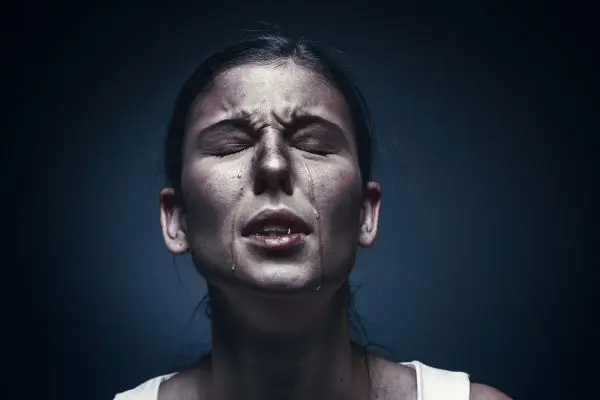
Many people who survive wars experience physical injuries, the loss of loved ones, injuries to many members of their families and communities, and the loss of their homes and other valuable personal belongings. These physical injuries are also psychological and emotional injuries, because severe material losses bring cognitive and emotional suffering with them. Not every physical injury causes psychological suffering. Athletes, for example, may take pride in physical injuries, and mothers may take pride in the pain of labor. However, personally experiencing an injury or witnessing others being harmed or threatened usually disrupts a person's psychological balance and causes distress and disturbance. In fact, overwhelming a person's normal psychological defense mechanisms can lead to psychological trauma. In addition, the general state of families affected by war is currently shaped considerably by experiences of loss and grief, whether individually, as in many cases, or collectively.
The emotional impact of a sudden event, such as a life-threatening traffic accident, can cause lasting psychological harm. However, the psychological injury caused by war is particularly powerful when it is inflicted intentionally and maliciously rather than occurring by accident, and when it results from the deliberate actions of other people. Such intentional harm provokes a profound emotional response and anger, and aims to humiliate those affected and their communities, impose learned helplessness on them, and shatter their outlook on life.
During an assault, the affected person's mental and emotional functioning changes sharply compared with their usual way of feeling and thinking. They may feel that time has changed, that events are unreal, or that they are leaving their body and observing events from a distance.
After the assault, the victim may experience immediate or delayed problems that constitute a characteristic reaction and response to emotional trauma, such as numbness, detachment, stupor, and fogginess. For example, a person may sometimes feel unreal or feel that reality is unclear and unreal. Victims usually experience problems with concentration and memory, forgetting major events related to the traumatic experience or simple matters in their daily lives.
Later, survivors may re-experience the trauma as though it were happening in the present. They may “see” events as though they were occurring at the edge of their vision or appearing like a mirage, and sudden flashes and memories of the traumatic event may intrude into their minds. They feel that they are reliving the events and need to avoid things that remind them of the experience, such as a place, sound, or smell. Feelings of fear and anxiety, dread and distress, and panicare indicators of psychological trauma. There are often associated problems with sleep, eating, and overall functioning. Physical problems may also occur, including headaches, various aches and pains, physical disorientation, and other distressing physical symptoms.
In circumstances such as those present during wars, we see an entire community experiencing a form of psychological trauma response. Reminders of the assault are everywhere and cannot be avoided. Widespread physical destruction and unmet basic needs produce a degree of trauma throughout the community.
But how do we identify the groups that need psychological intervention?
The group most urgently requiring referral to mental health services consists of people who appear to be at risk of harming themselves or someone else. It is important to determine tactfully whether such a risk exists. Another group requiring urgent referral to mental health services includes people who show excessive emotional arousal, agitation, withdrawal, or complete silence, or who clearly appear to have serious problems with thinking. Some may report hearing voices speaking to them or seeing things that are not there.
Children and adolescents are particularly vulnerable because they need adults to make them feel safe and protect them from danger. Successive disasters in countries at war have threatened children's natural belief that safety exists when their parents and families are beside them. Children and adolescents who have experienced previous losses, such as bereavement, injury, separation, and displacement, are at greatest risk. Children who show agitation and emotional distress, scream, withdraw and run away, or harm themselves should be referred to mental health services. Nightmares, sleep disturbances, signs of regression, and psychological and developmental delays are common among children living in wartime conditions.
We conclude by saying that such psychological traumas and their consequences are common and recurring in environments where wars take place. They will affect the upbringing and personalities of our children unless they are addressed. We therefore need to monitor our mental health continuously and turn to mental health services when necessary, because psychological well-being is an urgent necessity for liberating the land and its people.
Content writer and researcher at Tatmeen, writing in Arabic and English about mental health and everyday life, from relationships and stress to work, habits, and family.
Every Tatmeen article is reviewed by care providers licensed by the Saudi Commission for Health Specialties, so what you read is accurate and trustworthy.
This article builds understanding and does not replace a licensed care provider.
Need someone to talk to?
Tatmeen's licensed care providers are available around the clock, and the app's urgent consultation connects you with one within minutes.
Download Tatmeen to explore care providers and booking options.
Smart matchingFour quick questions suggest the right care provider
Urgent consultationTalk to an available care provider within minutes
Free psychological measuresMore than 20 tests to understand how you are doing
Scan to download
{"data":{"id":"8e441eb6-fa69-4012-9f26-f4d392de2fc4","slug":"Post-war-psychological-trauma","arTitle":"الصدمة النفسية بعد الحرب","enTitle":"Psychological Trauma After War","thumbnailAltText":"Close-up of a person with eyes closed and tears running down their face","estimatedReadingTime":5,"likesCount":905,"writer":{"id":"d3defdb6-4a23-4b03-aad9-a1ecc054aae5","arBio":"كاتب وباحث محتوى في تطمين، يكتب بالعربية والإنجليزية عن الصحة النفسية والحياة اليومية، من العلاقات والضغوط إلى العمل والعادات والأسرة.\n","enBio":"Content writer and researcher at Tatmeen, writing in Arabic and English about mental health and everyday life, from relationships and stress to work, habits, and family.","user":{"slug":"fahad-almalik","arFullName":"فهد المالك","enFullName":"Fahad Almalik","publicProfileImageUrl":"https://cdn.tatmeen.sa/public/profile-images/a34c8028-5847-45de-ab83-a014942bb7d3/675415e988c16442a04af5d3b8899242613a955c44e0364314cc3ff74cbad082.webp","publicProfileImage96Url":"https://cdn.tatmeen.sa/public/profile-images/a34c8028-5847-45de-ab83-a014942bb7d3/675415e988c16442a04af5d3b8899242613a955c44e0364314cc3ff74cbad082-w96.webp","publicProfileImage192Url":"https://cdn.tatmeen.sa/public/profile-images/a34c8028-5847-45de-ab83-a014942bb7d3/675415e988c16442a04af5d3b8899242613a955c44e0364314cc3ff74cbad082-w192.webp"}},"arContent":"","enContent":"","productionDocument":{"headings":[],"faqs":[],"beforeSourcesHtml":"","sources":[],"afterSourcesHtml":"","blocks":[{"type":"html","html":"<p class=\"ql-align-right ql-direction-rtl\">Many people who survive wars experience physical injuries, the loss of loved ones, injuries to many members of their families and communities, and the loss of their homes and other valuable personal belongings. These physical injuries are also psychological and emotional injuries, because severe material losses bring cognitive and emotional suffering with them. Not every physical injury causes psychological suffering. Athletes, for example, may take pride in physical injuries, and mothers may take pride in the pain of labor. However, personally experiencing an injury or witnessing others being harmed or threatened usually disrupts a person's psychological balance and causes distress and disturbance. In fact, overwhelming a person's normal psychological defense mechanisms can lead to psychological trauma. In addition, the general state of families affected by war is currently shaped considerably by experiences of loss and grief, whether individually, as in many cases, or collectively.</p><p class=\"ql-align-right ql-direction-rtl\">The emotional impact of a sudden event, such as a life-threatening traffic accident, can cause lasting psychological harm. However, the psychological injury caused by war is particularly powerful when it is inflicted intentionally and maliciously rather than occurring by accident, and when it results from the deliberate actions of other people. Such intentional harm provokes a profound emotional response and anger, and aims to humiliate those affected and their communities, impose learned helplessness on them, and shatter their outlook on life.</p><p class=\"ql-align-right ql-direction-rtl\">During an assault, the affected person's mental and emotional functioning changes sharply compared with their usual way of feeling and thinking. They may feel that time has changed, that events are unreal, or that they are leaving their body and observing events from a distance.</p><p class=\"ql-align-right ql-direction-rtl\">After the assault, the victim may experience immediate or delayed problems that constitute a characteristic reaction and response to emotional trauma, such as numbness, detachment, stupor, and fogginess. For example, a person may sometimes feel unreal or feel that reality is unclear and unreal. Victims usually experience problems with concentration and memory, forgetting major events related to the traumatic experience or simple matters in their daily lives.</p><p class=\"ql-align-right ql-direction-rtl\">Later, survivors may re-experience the trauma as though it were happening in the present. They may “see” events as though they were occurring at the edge of their vision or appearing like a mirage, and sudden flashes and memories of the traumatic event may intrude into their minds. They feel that they are reliving the events and need to avoid things that remind them of the experience, such as a place, sound, or smell. Feelings of <a style=\"background-color:transparent\" href=\"https://www.hakini.net/article/%D9%83%D9%8A%D9%81%D9%8A%D8%A9-%D8%B9%D9%84%D8%A7%D8%AC-%D8%A7%D9%84%D9%82%D9%84%D9%82-%D9%88%D8%A7%D9%84%D8%AE%D9%88%D9%81\" target=\"_blank\" rel=\"noopener noreferrer\">fear and anxiety, </a>dread and distress, <a style=\"background-color:transparent\" href=\"https://www.hakini.net/article/%D9%86%D9%88%D8%A8%D8%A7%D8%AA-%D8%A7%D9%84%D9%87%D9%84%D8%B9-%D8%A7%D8%B9%D8%B1%D8%A7%D8%B6-%D9%88%D8%AD%D9%82%D8%A7%D8%A6%D9%82-%D8%B9%D9%86-%D8%A7%D8%B6%D8%B7%D8%B1%D8%A7%D8%A8-%D8%A7%D9%84%D9%87%D9%84%D8%B9-%D8%A7%D9%84%D8%B0%D8%B9%D8%B1\" target=\"_blank\" rel=\"noopener noreferrer\">and panic</a>are indicators of psychological trauma. There are often associated problems with sleep, eating, and overall functioning. Physical problems may also occur, including headaches, various aches and pains, physical disorientation, and other distressing physical symptoms.</p><p class=\"ql-align-right ql-direction-rtl\">In circumstances such as those present during wars, we see an entire community experiencing a form of psychological trauma response. Reminders of the assault are everywhere and cannot be avoided. Widespread physical destruction and unmet basic needs produce a degree of trauma throughout the community.</p><p class=\"ql-align-right ql-direction-rtl\"><br /></p><p class=\"ql-align-right ql-direction-rtl\"><strong>But how do we identify the groups that need psychological intervention?</strong></p><p class=\"ql-align-right ql-direction-rtl\">The group most urgently requiring referral to mental health services consists of people who appear to be at risk of harming themselves or someone else. It is important to determine tactfully whether such a risk exists. Another group requiring urgent referral to mental health services includes people who show excessive emotional arousal, agitation, withdrawal, or complete silence, or who clearly appear to have serious problems with thinking. Some may report hearing voices speaking to them or seeing things that are not there.</p><p class=\"ql-align-right ql-direction-rtl\"><br /></p><p class=\"ql-align-right ql-direction-rtl\">Children and adolescents are particularly vulnerable because they need adults to make them feel safe and protect them from danger. Successive disasters in countries at war have threatened children's natural belief that safety exists when their parents and families are beside them. Children and adolescents who have experienced previous losses, such as bereavement, injury, separation, and displacement, are at greatest risk. Children who show agitation and emotional distress, scream, withdraw and run away, or harm themselves should be referred to mental health services. Nightmares, sleep disturbances, signs of regression, and psychological and developmental delays are common among children living in wartime conditions.</p><p class=\"ql-align-right ql-direction-rtl\"><br /></p><p class=\"ql-align-right ql-direction-rtl\">We conclude by saying that such psychological traumas and their consequences are common and recurring in environments where wars take place. They will affect the upbringing and personalities of our children unless they are addressed. We therefore need to monitor our mental health continuously and turn to <a style=\"background-color:transparent\" href=\"https://www.hakini.net/\" target=\"_blank\" rel=\"noopener noreferrer\">mental health services</a> when necessary, because psychological well-being is an urgent necessity for liberating the land and its people.</p><p><br /></p>"}],"inlineCtaSignatures":[],"_experienceAliases":{"v":1,"fields":["html","bodyHtml"]}},"createdAt":"2024-01-06T21:00:00.000Z","updatedAt":"2026-08-11T04:45:02.303Z","disorderGroups":[{"id":"1e82772d-a1a7-4d29-b475-be9d6b67ae02","slug":"common-mental-issues","arName":"اضطرابات نفسية شائعة","enName":"Common Mental Issues"}],"reviewer":{"arFullName":"فريق تطمين","enFullName":"Tatmeen team","slug":"tatmeen-team","kind":"organization"},"productionArticle":true,"promotionAllowed":true,"preparedCover":{"src":"https://cdn.tatmeen.sa/public/article-lcp/article-lcp-v2/sha256-eebb08b8fc934f9b8c4322fe7045f48afcc0dd2e4a26635a6e4220c032bc30ab/600-68eda61c6d64e6c641fc087175a0556f34d0c38a14fc8782a75a51bbb44ebdaa.avif","fallback":"https://cdn.tatmeen.sa/public/article-lcp/article-lcp-v2/sha256-eebb08b8fc934f9b8c4322fe7045f48afcc0dd2e4a26635a6e4220c032bc30ab/600-1aed4512dbbfd3d337aeb1a311d4b21928aede458ab0005784bef8e88aa525a2.webp","directUrl":"https://cdn.tatmeen.sa/blog-cover/1704643590445-Tatmeen-img-742","isGolden":true,"avifSrcset":"https://cdn.tatmeen.sa/public/article-lcp/article-lcp-v2/sha256-eebb08b8fc934f9b8c4322fe7045f48afcc0dd2e4a26635a6e4220c032bc30ab/400-0c42013fe51122241c4c576969ab96a3b68afe542e3a86de77dad8ea4910dfd9.avif 400w, https://cdn.tatmeen.sa/public/article-lcp/article-lcp-v2/sha256-eebb08b8fc934f9b8c4322fe7045f48afcc0dd2e4a26635a6e4220c032bc30ab/600-68eda61c6d64e6c641fc087175a0556f34d0c38a14fc8782a75a51bbb44ebdaa.avif 600w","webpSrcset":"https://cdn.tatmeen.sa/public/article-lcp/article-lcp-v2/sha256-eebb08b8fc934f9b8c4322fe7045f48afcc0dd2e4a26635a6e4220c032bc30ab/400-a112ad2b107cddf688d6e7402efc08539149ee87438feb68a22090ba6147ead7.webp 400w, https://cdn.tatmeen.sa/public/article-lcp/article-lcp-v2/sha256-eebb08b8fc934f9b8c4322fe7045f48afcc0dd2e4a26635a6e4220c032bc30ab/600-1aed4512dbbfd3d337aeb1a311d4b21928aede458ab0005784bef8e88aa525a2.webp 600w","phoneAvifSrcset":"https://cdn.tatmeen.sa/public/article-lcp/article-lcp-v2/sha256-eebb08b8fc934f9b8c4322fe7045f48afcc0dd2e4a26635a6e4220c032bc30ab/400-0c42013fe51122241c4c576969ab96a3b68afe542e3a86de77dad8ea4910dfd9.avif 400w, https://cdn.tatmeen.sa/public/article-lcp/article-lcp-v2/sha256-eebb08b8fc934f9b8c4322fe7045f48afcc0dd2e4a26635a6e4220c032bc30ab/600-68eda61c6d64e6c641fc087175a0556f34d0c38a14fc8782a75a51bbb44ebdaa.avif 600w","phoneWebpSrcset":"https://cdn.tatmeen.sa/public/article-lcp/article-lcp-v2/sha256-eebb08b8fc934f9b8c4322fe7045f48afcc0dd2e4a26635a6e4220c032bc30ab/400-a112ad2b107cddf688d6e7402efc08539149ee87438feb68a22090ba6147ead7.webp 400w, https://cdn.tatmeen.sa/public/article-lcp/article-lcp-v2/sha256-eebb08b8fc934f9b8c4322fe7045f48afcc0dd2e4a26635a6e4220c032bc30ab/600-1aed4512dbbfd3d337aeb1a311d4b21928aede458ab0005784bef8e88aa525a2.webp 600w","width":600,"height":400},"previewTaxonomy":{"groups":[{"id":"1e82772d-a1a7-4d29-b475-be9d6b67ae02","slug":"common-mental-issues","arName":"اضطرابات نفسية شائعة","enName":"Common Mental Issues"}],"topics":[{"id":"a670763e-8105-4c5a-b49d-339cf2099ac6","slug":"ptsd","arName":"اضطراب ما بعد الصدمة","enName":"PTSD","groupSlug":"common-mental-issues","href":"/blog/category/common-mental-issues/ptsd/"}],"tags":[{"id":"82ea9460-3054-4964-a9ad-48c94868cd41","slug":"trauma-ptsd","arName":"الصدمة واضطراب ما بعد الصدمة","enName":"Trauma & PTSD"},{"id":"c2a6e8d3-de9c-435f-8c95-9727e7db14cc","slug":"explainer-awareness","arName":"دليل توعوي / شرح","enName":"Explainer / Awareness Guide"}]},"previewProviderRecommendations":[{"id":"d8fb937b-ad65-4b6f-a65b-276ad8258fed","slug":"azza-alharbi-7286","arFullName":"عزه الحربي","enFullName":"Azza Alharbi","publicProfileImageUrl":"https://cdn.tatmeen.sa/public/profile-images/d8fb937b-ad65-4b6f-a65b-276ad8258fed/378a8ab30f4087833263c41fb2c3102028cbe6bb9655172d7b3439ee1d6b0800.webp","publicProfileImage96Url":"https://cdn.tatmeen.sa/public/profile-images/d8fb937b-ad65-4b6f-a65b-276ad8258fed/378a8ab30f4087833263c41fb2c3102028cbe6bb9655172d7b3439ee1d6b0800-w96.webp","publicProfileImage192Url":"https://cdn.tatmeen.sa/public/profile-images/d8fb937b-ad65-4b6f-a65b-276ad8258fed/378a8ab30f4087833263c41fb2c3102028cbe6bb9655172d7b3439ee1d6b0800-w192.webp","specialization":{"arName":"أخصائي نفسي","enName":"Psychologist"},"profileImageUrl":"https://cdn.tatmeen.sa/public/profile-images/d8fb937b-ad65-4b6f-a65b-276ad8258fed/378a8ab30f4087833263c41fb2c3102028cbe6bb9655172d7b3439ee1d6b0800-w192.webp","experienceYears":9,"consultantInfo":{"averageRating":{"average":5},"specialization":{"arGeneralName":"أخصائي نفسي","enGeneralName":"Psychologist"}}},{"id":"3ff47c5a-5bec-49d1-9727-b47774e45fbf","slug":"sarah-almaimani-5607","arFullName":"سارة الميمني","enFullName":"Sarah Almaimani","publicProfileImageUrl":"","publicProfileImage96Url":"","publicProfileImage192Url":"","specialization":{"arName":"أخصائي نفسي","enName":"Psychologist"},"profileImageUrl":"","experienceYears":5,"consultantInfo":{"averageRating":{"average":5},"specialization":{"arGeneralName":"أخصائي نفسي","enGeneralName":"Psychologist"}}},{"id":"1c342b76-4e9d-4a37-a0db-5bbc9f378893","slug":"rana-habani-3055","arFullName":"رنا حباني","enFullName":"Rana Habani","publicProfileImageUrl":"https://cdn.tatmeen.sa/public/profile-images/1c342b76-4e9d-4a37-a0db-5bbc9f378893/fb6066962c7f406410ec0879fe059fbd48fe77f1eaca4086754969447f278259.webp","publicProfileImage96Url":"https://cdn.tatmeen.sa/public/profile-images/1c342b76-4e9d-4a37-a0db-5bbc9f378893/fb6066962c7f406410ec0879fe059fbd48fe77f1eaca4086754969447f278259-w96.webp","publicProfileImage192Url":"https://cdn.tatmeen.sa/public/profile-images/1c342b76-4e9d-4a37-a0db-5bbc9f378893/fb6066962c7f406410ec0879fe059fbd48fe77f1eaca4086754969447f278259-w192.webp","specialization":{"arName":"أخصائي نفسي","enName":"Psychologist"},"profileImageUrl":"https://cdn.tatmeen.sa/public/profile-images/1c342b76-4e9d-4a37-a0db-5bbc9f378893/fb6066962c7f406410ec0879fe059fbd48fe77f1eaca4086754969447f278259-w192.webp","experienceYears":3,"consultantInfo":{"averageRating":{"average":0},"specialization":{"arGeneralName":"أخصائي نفسي","enGeneralName":"Psychologist"}}}],"previewCareProviders":[{"id":"09364052-c2a9-4c52-9717-7ce2093b8d0a","slug":"kholoud-alharbi-5221","arFullName":"خلود الحربي","enFullName":"Kholoud Alharbi","publicProfileImageUrl":"https://cdn.tatmeen.sa/public/profile-images/09364052-c2a9-4c52-9717-7ce2093b8d0a/4a0aeb81619e351b77f4323e3605a0a00acc7ca3c82ee7cc5ca2c9e8ef716049.webp","publicProfileImage96Url":"https://cdn.tatmeen.sa/public/profile-images/09364052-c2a9-4c52-9717-7ce2093b8d0a/4a0aeb81619e351b77f4323e3605a0a00acc7ca3c82ee7cc5ca2c9e8ef716049-w96.webp","publicProfileImage192Url":"https://cdn.tatmeen.sa/public/profile-images/09364052-c2a9-4c52-9717-7ce2093b8d0a/4a0aeb81619e351b77f4323e3605a0a00acc7ca3c82ee7cc5ca2c9e8ef716049-w192.webp","gender":"FEMALE","specialization":{"arName":"أخصائي نفسي","enName":"Psychologist"}},{"id":"6f037535-1dca-4b50-a8b2-5974b7323286","slug":"salah-althobaiti-9053","arFullName":"صلاح الثبيتي","enFullName":"Salah Althobaiti","publicProfileImageUrl":"https://cdn.tatmeen.sa/public/profile-images/6f037535-1dca-4b50-a8b2-5974b7323286/35b6bd7fad9b1e004c1835803eb9c1b56dcacd380685ec8bff141f0fb888005c.webp","publicProfileImage96Url":"https://cdn.tatmeen.sa/public/profile-images/6f037535-1dca-4b50-a8b2-5974b7323286/35b6bd7fad9b1e004c1835803eb9c1b56dcacd380685ec8bff141f0fb888005c-w96.webp","publicProfileImage192Url":"https://cdn.tatmeen.sa/public/profile-images/6f037535-1dca-4b50-a8b2-5974b7323286/35b6bd7fad9b1e004c1835803eb9c1b56dcacd380685ec8bff141f0fb888005c-w192.webp","gender":"MALE","specialization":{"arName":"أخصائي نفسي","enName":"Psychologist"}},{"id":"3cc806e8-616b-4884-9f21-a75b378580a2","slug":"aisha-al-hashim-8667","arFullName":"عائشة ال هاشم","enFullName":"Aisha Al Hashim","publicProfileImageUrl":"https://cdn.tatmeen.sa/public/profile-images/3cc806e8-616b-4884-9f21-a75b378580a2/27f523d03be4dcfa1f6a79f70c1773887434e698990d214cd990caec56a44798.webp","publicProfileImage96Url":"https://cdn.tatmeen.sa/public/profile-images/3cc806e8-616b-4884-9f21-a75b378580a2/27f523d03be4dcfa1f6a79f70c1773887434e698990d214cd990caec56a44798-w96.webp","publicProfileImage192Url":"https://cdn.tatmeen.sa/public/profile-images/3cc806e8-616b-4884-9f21-a75b378580a2/27f523d03be4dcfa1f6a79f70c1773887434e698990d214cd990caec56a44798-w192.webp","gender":"FEMALE","specialization":{"arName":"أخصائي نفسي","enName":"Psychologist"}},{"id":"db2ce1a0-9325-4471-b7ce-eb2e811c30a3","slug":"amer-qutub-2441","arFullName":"عامر قطب","enFullName":"Amer Qutub","publicProfileImageUrl":"https://cdn.tatmeen.sa/public/profile-images/db2ce1a0-9325-4471-b7ce-eb2e811c30a3/80580f99bfd7fe2b2a9cf8eed73ab532f5086d1efe053b0aa57358c1ce004261.webp","publicProfileImage96Url":"https://cdn.tatmeen.sa/public/profile-images/db2ce1a0-9325-4471-b7ce-eb2e811c30a3/80580f99bfd7fe2b2a9cf8eed73ab532f5086d1efe053b0aa57358c1ce004261-w96.webp","publicProfileImage192Url":"https://cdn.tatmeen.sa/public/profile-images/db2ce1a0-9325-4471-b7ce-eb2e811c30a3/80580f99bfd7fe2b2a9cf8eed73ab532f5086d1efe053b0aa57358c1ce004261-w192.webp","gender":"MALE","specialization":{"arName":"أخصائي نفسي","enName":"Psychologist"}},{"id":"94765496-dbdf-4631-a01b-7df5f788668d","slug":"abdullrahman-alhamoudi-3045","arFullName":"عبدالرحمن الحمودي","enFullName":"Abdulrahman Alhamoudi","publicProfileImageUrl":"https://cdn.tatmeen.sa/public/profile-images/94765496-dbdf-4631-a01b-7df5f788668d/2d49f6b6493c564afb6f50b6c3634231dff3a5cf8353acfab393d1b2a88037d1.webp","publicProfileImage96Url":"https://cdn.tatmeen.sa/public/profile-images/94765496-dbdf-4631-a01b-7df5f788668d/2d49f6b6493c564afb6f50b6c3634231dff3a5cf8353acfab393d1b2a88037d1-w96.webp","publicProfileImage192Url":"https://cdn.tatmeen.sa/public/profile-images/94765496-dbdf-4631-a01b-7df5f788668d/2d49f6b6493c564afb6f50b6c3634231dff3a5cf8353acfab393d1b2a88037d1-w192.webp","gender":"MALE","specialization":{"arName":"أخصائي نفسي","enName":"Psychologist"}},{"id":"618dba89-5b70-4b46-8304-741b7ac8ecd3","slug":"abdullah-mari-1311","arFullName":"عبدالله مرعي","enFullName":"Abdullah Mari","publicProfileImageUrl":"https://cdn.tatmeen.sa/public/profile-images/618dba89-5b70-4b46-8304-741b7ac8ecd3/6b4a3bfb59f8a304ca79083b32859b46baad2e1d692974a47c02c1f66bd11129.webp","publicProfileImage96Url":"https://cdn.tatmeen.sa/public/profile-images/618dba89-5b70-4b46-8304-741b7ac8ecd3/6b4a3bfb59f8a304ca79083b32859b46baad2e1d692974a47c02c1f66bd11129-w96.webp","publicProfileImage192Url":"https://cdn.tatmeen.sa/public/profile-images/618dba89-5b70-4b46-8304-741b7ac8ecd3/6b4a3bfb59f8a304ca79083b32859b46baad2e1d692974a47c02c1f66bd11129-w192.webp","gender":"MALE","specialization":{"arName":"أخصائي نفسي","enName":"Psychologist"}},{"id":"d8fb937b-ad65-4b6f-a65b-276ad8258fed","slug":"azza-alharbi-7286","arFullName":"عزه الحربي","enFullName":"Azza Alharbi","publicProfileImageUrl":"https://cdn.tatmeen.sa/public/profile-images/d8fb937b-ad65-4b6f-a65b-276ad8258fed/378a8ab30f4087833263c41fb2c3102028cbe6bb9655172d7b3439ee1d6b0800.webp","publicProfileImage96Url":"https://cdn.tatmeen.sa/public/profile-images/d8fb937b-ad65-4b6f-a65b-276ad8258fed/378a8ab30f4087833263c41fb2c3102028cbe6bb9655172d7b3439ee1d6b0800-w96.webp","publicProfileImage192Url":"https://cdn.tatmeen.sa/public/profile-images/d8fb937b-ad65-4b6f-a65b-276ad8258fed/378a8ab30f4087833263c41fb2c3102028cbe6bb9655172d7b3439ee1d6b0800-w192.webp","gender":"FEMALE","specialization":{"arName":"أخصائي نفسي","enName":"Psychologist"}},{"id":"d4ffcb6b-90a7-45b6-b941-964866f4564b","slug":"dhaifallah-alhumaidi-1092","arFullName":"ضيف الله الحميدي","enFullName":"Dhaifallah Alhumaidi","publicProfileImageUrl":"https://cdn.tatmeen.sa/public/profile-images/d4ffcb6b-90a7-45b6-b941-964866f4564b/1817171c5828a9b57d6c30d12332cf154e335272548bc90a6e8456d74d356956.webp","publicProfileImage96Url":"https://cdn.tatmeen.sa/public/profile-images/d4ffcb6b-90a7-45b6-b941-964866f4564b/1817171c5828a9b57d6c30d12332cf154e335272548bc90a6e8456d74d356956-w96.webp","publicProfileImage192Url":"https://cdn.tatmeen.sa/public/profile-images/d4ffcb6b-90a7-45b6-b941-964866f4564b/1817171c5828a9b57d6c30d12332cf154e335272548bc90a6e8456d74d356956-w192.webp","gender":"MALE","specialization":{"arName":"أخصائي نفسي","enName":"Psychologist"}}],"previewDownload":{"href":"/download","title":{"ar":"خطوة واحدة لأجلك، ابدأ الآن","en":"One step for you, start now"},"description":{"ar":"حمّل تطبيق تطمين لاستكشاف مقدمي الرعاية وخيارات الحجز.","en":"Download Tatmeen to explore care providers and booking options."},"posterSrc":"/images/home/cta-ar-new-1.webp","videoSrc":"/images/home/cta-ar-new-1.mp4","videoPosterSrc":"/images/home/cta-ar-new-1.webp","videoPosterEnSrc":"/images/home/cta-en-new-1.webp","videoType":"video/mp4","appStoreHref":"https://apps.apple.com/us/app/tatmeen-%D8%AA%D8%B7%D9%85%D9%8A%D9%86/id6473836983","googlePlayHref":"https://play.google.com/store/apps/details?id=com.TatmeenApp.user&hl=en"},"previewRelatedArticles":[{"id":"4e079b66-bf08-474b-8578-39a33df29943","slug":"emdr-eye-movement-therapy-trauma-ptsd","route":"/blog/emdr-eye-movement-therapy-trauma-ptsd/","title":{"ar":"EMDR: كيف تساهم حركة العين في شفاء الصدمات واضطراب ما بعد الصدمة؟","en":"EMDR: How Eye Movement Helps Heal Trauma and PTSD"},"image":"https://cdn.tatmeen.sa/public/article-lcp/article-lcp-v2/sha256-dbe87324583964cc3c430fe9cb1953075d3362822439c157b5360873afa55c06/800-f18698a1d83db1caca9bb41fd105f8a99aaa36450b8bc4f8ac988ec7922f82f7.webp","directImageFallback":"https://cdn.tatmeen.sa/blog-cover/Tatmeen-1778099339507.webp","arThumbnailAltText":"stylized eye figure with gentle wave-like ray flowing through it","thumbnailAltText":"stylized eye figure with gentle wave-like ray flowing through it","topic":{"label":{"ar":"اضطرابات نفسية شائعة","en":"Common Mental Issues"}},"readingTimeMinutes":5},{"id":"bde48e5f-2a3f-46d9-bcd8-5cb03e3c9deb","slug":"body-keeps-memory-trauma-embedded","route":"/blog/body-keeps-memory-trauma-embedded/","title":{"ar":"الجسد يحتفظ بالذاكرة: كيف تترسّخ الصدمة في الجسد","en":"The Body Keeps the Memory: How Trauma Becomes Embedded in the Body"},"image":"https://cdn.tatmeen.sa/public/article-lcp/article-lcp-v2/sha256-b06181acd2fb84dd91147e10c829e2f1fd85f81a5301bb973116789c3ece9d69/800-b894e414965e98958f5736dfb5f3ca92ce0aa2dd963ee050ced0044edef1221f.webp","directImageFallback":"https://cdn.tatmeen.sa/blog-cover/Tatmeen-1776108015895.webp","arThumbnailAltText":"Woman hugging a pillow","thumbnailAltText":"Woman hugging a pillow","topic":{"label":{"ar":"اضطرابات نفسية شائعة","en":"Common Mental Issues"}},"readingTimeMinutes":5},{"id":"d2525b56-79b9-434c-8461-ffec68e7648c","slug":"impact-of-narcissism-on-romantic-relationships","route":"/blog/impact-of-narcissism-on-romantic-relationships/","title":{"ar":"تأثير النرجسية على العلاقات العاطفية وكيف تحمي نفسك","en":"The Impact of Narcissism on Romantic Relationships and How to Protect Yourself"},"image":"https://cdn.tatmeen.sa/public/article-lcp/article-lcp-v2/sha256-fa4bf7b7f614ee4270aa08a7edeb30719ba6e289419086a838d8676b6b5de163/800-b96f688053c3f54037102c694b421a941080eadef0a8e8c4acfe5c83eff5b206.webp","directImageFallback":"https://cdn.tatmeen.sa/blog-cover/Tatmeen-1782574268716.webp","arThumbnailAltText":"Woman faces a glowing portal with a man’s silhouette in a vast, calm landscape","thumbnailAltText":"Woman faces a glowing portal with a man’s silhouette in a vast, calm landscape","topic":{"label":{"ar":"اضطرابات نفسية شائعة","en":"Common Mental Issues"}},"readingTimeMinutes":5},{"id":"fbfbb5d7-a0bd-4654-be94-c5decefad021","slug":"why-hard-leave-toxic-relationship","route":"/blog/why-hard-leave-toxic-relationship/","title":{"ar":"لماذا يصعب مغادرة العلاقة السامة؟","en":"Why Is It Hard to Leave a Toxic Relationship?"},"image":"https://cdn.tatmeen.sa/public/article-lcp/article-lcp-v2/sha256-5d4e49a0362a765c5476e646a04837cadd8f916fe80a8232dee3e89b9e53af70/800-f5adcb3b11c038acf6980ae418fbbfef3667b642d5b8df970d3bfc47261357c2.webp","directImageFallback":"https://cdn.tatmeen.sa/blog-cover/Tatmeen-1778605810225.webp","arThumbnailAltText":"woman crossing from a dark side to a warm side full of blossomed flowers","thumbnailAltText":"woman crossing from a dark side to a warm side full of blossomed flowers","topic":{"label":{"ar":"اضطرابات نفسية شائعة","en":"Common Mental Issues"}},"readingTimeMinutes":5}],"previewRelatedReadStates":{}},"locale":"en","device":"desktop","path":"/en/blog/Post-war-psychological-trauma/","readingControls":false,"config":{"public":{"BUCKET_URL":"https://cdn.tatmeen.sa/","APP_BASE_URL":"https://tatmeen.sa","intercomAppId":"ppcnu9e3"}}}