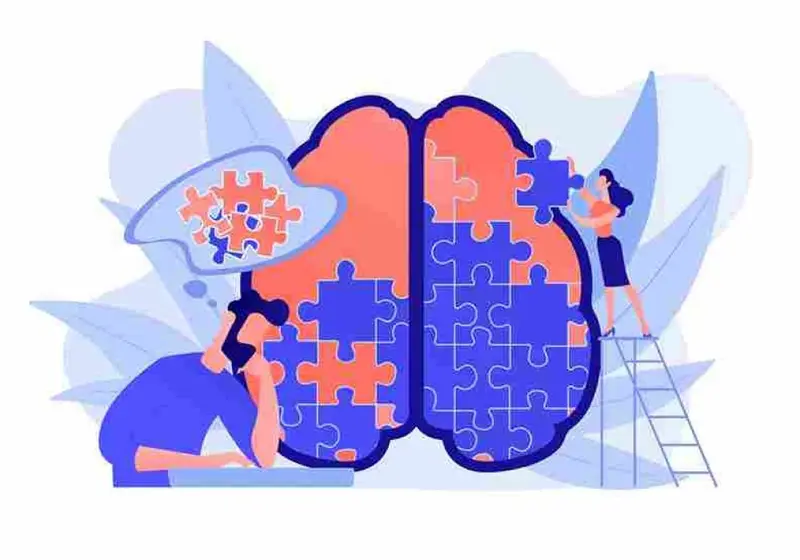
When we hear the term “psychotherapist,” we quickly begin to wonder about the role they perform. Is it limited to listening to the patient and providing a safe, suitable environment in which the patient can tell the psychotherapist about their problems and suffering? Or does it extend further, to diagnosing the problem, helping the patient recognize it, and helping them find solutions?
In this article, we review the role of a psychotherapist and explain that the primary goal of psychotherapy is to free people from their suffering and psychological pain.
Who is a psychotherapist?
A psychotherapist is someone who holds a university degree in psychology and has completed training and courses in mental health that qualify them to practice as a psychotherapist. Their work relies on modifying the patient's behavior and changing faulty patterns of thinking. It is important to know that a psychotherapist did not attend medical school and therefore is not authorized to prescribe psychiatric medication to patients. This is the difference between a psychotherapist and a psychiatrist.
How do you become a successful psychotherapist?
To become a successful psychotherapist, you should focus on several essential matters during the course of treatment, including:
Helping the patient understand and become aware of themselves. The psychotherapist should focus on helping the person understand themselves by developing internal awareness of their thoughts, feelings, and actions. They should also strengthen the person's awareness of their skills and strengths and how to use them, as well as their weaknesses and how to improve them. This is achieved through individual or group psychotherapy and counseling sessions.
Enabling the patient to understand and empathize with others. Through certain forms of individual and group psychological counseling, people can understand themselves and those around them. They learn about other people's feelings and expectations of them, understand their own expectations of others, develop reasonable expectations, remain realistic about their needs and how they express them, and put themselves in other people's place to see matters from their perspective and build healthy relationships with those around them.
Good communication and assertiveness. After a person understands themselves and others, the psychotherapist helps them develop effective, assertive communication skills so they can build healthy relationships with those around them. These skills include saying “no” and expressing themselves without shame, hesitation, or aggression, as well as learning verbal and nonverbal communication.
Developing motivation and planning for the future The psychotherapist aims to help the patient identify their goals, ambitions, and motivations, and encourages them to set their own goals and plan for the future. The therapist teaches them how to set achievable goals suited to their needs, skills, environment, and personality, as well as how to make decisions and focus on the main goal.
Problem-solving skills. One of the most important skills a person should learn is how to solve the problems that cause anxiety, stress, and confusion. Through psychological counseling, they learn how to face a problem by first identifying it and then finding possible solutions through brainstorming, looking at it from an outside perspective, asking friends and people who have experienced similar problems, and learning new skills. They then apply the solution and assess whether it is suitable. They also learn to adapt to problems that have no solution, focus on positive aspects, and adjust to them.
Managing stress and anger through relaxation techniques, strengthening psychological resilience, and releasing negative emotions: psychological counseling helps people manage and confront stress and tension. It provides education about the processes that occur in the body when facing stress and prompt us to fight or flee, helping a person determine how they will respond to pressure. By learning relaxation techniques and interpreting events rationally, they can manage this tension and the negative emotions accompanying it.
Time management.Counseling and the psychotherapist teach us how to manage our time, focus on the main goals in our lives, identify and arrange our priorities, work on self-development, and fill our time with beneficial activities so that we are not vulnerable to stress and other psychological problems.
By developing these and other skills, the therapist builds the patient's psychological resilience against mental disorders and stress, enabling them to face and resolve difficulties and achieve better mental health. It is therefore important for every psychotherapist to undertake these steps while proceeding through diagnosis and developing the treatment plan.
As a patient, we also advise you to take your time when choosing a psychotherapist before beginning psychotherapy sessions. You are not merely choosing someone who will listen to you and write down a diagnosis and treatment; it is much more than that. You will meet a person with whom you will share details of your psychological state, and they will help you recognize and understand yourself. It is therefore always preferable to choose a psychotherapist who shares your frame of reference, because it is very important that you are compatible.
Download the Tatmeen app for online psychological and family consultations from the Apple App Store or Google Play. You can also register on the Tatmeen mental health website to access valuable information and practical tools for strengthening your mental and family health.
Content writer and researcher at Tatmeen, working on Arabic and English articles across mental health and everyday life topics, including relationships, stress, work, habits, and family.
Every Tatmeen article is reviewed by care providers licensed by the Saudi Commission for Health Specialties, so what you read is accurate and trustworthy.
This article builds understanding and does not replace a licensed care provider.
In immediate danger?
If you or someone you know is in danger, call an ambulance on 997 or go to the nearest emergency department.
{"data":{"id":"86e299e5-e392-46e2-bfdd-ad6a7fef58ce","slug":"How-does-a-psychotherapist-work","arTitle":"كيف يعمل المعالج النفسي - كيف تصبح معالجا نفسيا ناجحا","enTitle":"How a Psychotherapist Works and Succeeds","thumbnailAltText":"Two people assemble puzzle pieces forming a large brain","estimatedReadingTime":5,"likesCount":918,"writer":{"id":"f49e2ee4-e68b-4e04-a40b-01d0b0195161","arBio":"كاتب وباحث محتوى في تطمين، يعمل على مقالات عربية وإنجليزية في موضوعات الصحة النفسية والحياة اليومية، مثل العلاقات، الضغوط، العمل، العادات، والأسرة.","enBio":"Content writer and researcher at Tatmeen, working on Arabic and English articles across mental health and everyday life topics, including relationships, stress, work, habits, and family.","user":{"slug":"sultan-almuhasin","arFullName":"سلطان المحيسن","enFullName":"Sultan Almuhasin","publicProfileImageUrl":"https://cdn.tatmeen.sa/public/profile-images/2494102f-7411-4dda-85b1-0c37a1031b3f/c9d25068aaa97c2c1f80123e2d6a27cc7b5a9b1df6a91493df9411b390a60279.webp","publicProfileImage96Url":"https://cdn.tatmeen.sa/public/profile-images/2494102f-7411-4dda-85b1-0c37a1031b3f/c9d25068aaa97c2c1f80123e2d6a27cc7b5a9b1df6a91493df9411b390a60279-w96.webp","publicProfileImage192Url":"https://cdn.tatmeen.sa/public/profile-images/2494102f-7411-4dda-85b1-0c37a1031b3f/c9d25068aaa97c2c1f80123e2d6a27cc7b5a9b1df6a91493df9411b390a60279-w192.webp"}},"arContent":"","enContent":"","productionDocument":{"headings":[{"id":"article-section-who-is-a-psychotherapist","text":"Who is a psychotherapist?"},{"id":"article-section-how-do-you-become-a-successful-psychotherapist","text":"How do you become a successful psychotherapist?"}],"faqs":[],"beforeSourcesHtml":"","sources":[],"afterSourcesHtml":"","blocks":[{"type":"html","html":"<p class=\"ql-align-right ql-direction-rtl\">When we hear the term “psychotherapist,” we quickly begin to wonder about the role they perform. Is it limited to listening to the patient and providing a safe, suitable environment in which the patient can tell the psychotherapist about their problems and suffering? Or does it extend further, to diagnosing the problem, helping the patient recognize it, and helping them find solutions?</p><p class=\"ql-align-right ql-direction-rtl\">In this article, we review the role of a psychotherapist and explain that the primary goal of psychotherapy is to free people from their suffering and psychological pain.</p><h2 class=\"ql-align-right ql-direction-rtl\" id=\"article-section-who-is-a-psychotherapist\" data-toc-heading tabindex=\"-1\"><span id=\"who-is-a-psychotherapist-1\" aria-hidden=\"true\"></span><strong>Who is a psychotherapist?</strong></h2><p class=\"ql-align-right ql-direction-rtl\">A psychotherapist is someone who holds a university degree in psychology and has completed training and courses in mental health that qualify them to practice as a psychotherapist. Their work relies on modifying the patient's behavior and changing faulty patterns of thinking. It is important to know that a psychotherapist did not attend medical school and therefore is not authorized to prescribe psychiatric medication to patients. This is the difference between a psychotherapist and a psychiatrist.</p><h2 class=\"ql-align-right ql-direction-rtl\" id=\"article-section-how-do-you-become-a-successful-psychotherapist\" data-toc-heading tabindex=\"-1\"><span id=\"how-do-you-become-a-successful-psychotherapist-2\" aria-hidden=\"true\"></span><strong>How do you become a successful psychotherapist?</strong></h2><p class=\"ql-align-right ql-direction-rtl\">To become a successful psychotherapist, you should focus on several essential matters during the course of treatment, including:</p><ol><li class=\"ql-align-right ql-direction-rtl\"><strong>Helping the patient understand and become aware of themselves.</strong> The psychotherapist should focus on helping the person understand themselves by developing internal awareness of their thoughts, feelings, and actions. They should also strengthen the person's awareness of their skills and strengths and how to use them, as well as their weaknesses and how to improve them. This is achieved through individual or group psychotherapy and counseling sessions.</li><li class=\"ql-align-right ql-direction-rtl\"><strong>Enabling the patient to understand and empathize with others.</strong> Through certain forms of individual and group psychological counseling, people can understand themselves and those around them. They learn about other people's feelings and expectations of them, understand their own expectations of others, develop reasonable expectations, remain realistic about their needs and how they express them, and put themselves in other people's place to see matters from their perspective and build healthy relationships with those around them.</li><li class=\"ql-align-right ql-direction-rtl\"><strong>Good communication and assertiveness.</strong> After a person understands themselves and others, the psychotherapist helps them develop effective, assertive communication skills so they can build healthy relationships with those around them. These skills include saying “no” and expressing themselves without shame, hesitation, or aggression, as well as learning verbal and nonverbal communication.</li><li class=\"ql-align-right ql-direction-rtl\"><strong>Developing motivation and planning for the future</strong> The psychotherapist aims to help the patient identify their goals, ambitions, and motivations, and encourages them to set their own goals and plan for the future. The therapist teaches them how to set achievable goals suited to their needs, skills, environment, and personality, as well as how to make decisions and focus on the main goal.</li><li class=\"ql-align-right ql-direction-rtl\"><strong>Problem-solving skills.</strong> One of the most important skills a person should learn is how to solve the problems that cause anxiety, stress, and confusion. Through psychological counseling, they learn how to face a problem by first identifying it and then finding possible solutions through brainstorming, looking at it from an outside perspective, asking friends and people who have experienced similar problems, and learning new skills. They then apply the solution and assess whether it is suitable. They also learn to adapt to problems that have no solution, focus on positive aspects, and adjust to them.</li><li class=\"ql-align-right ql-direction-rtl\">Managing stress and anger through relaxation techniques, strengthening psychological resilience, and releasing negative emotions: psychological counseling helps people manage and confront stress and tension. It provides education about the processes that occur in the body when facing stress and prompt us to fight or flee, helping a person determine how they will respond to pressure. By learning relaxation techniques and interpreting events rationally, they can manage this tension and the negative emotions accompanying it.</li><li class=\"ql-align-right ql-direction-rtl\"><strong>Time management.</strong>Counseling and the psychotherapist teach us how to manage our time, focus on the main goals in our lives, identify and arrange our priorities, work on self-development, and fill our time with beneficial activities so that we are not vulnerable to stress and other psychological problems.</li></ol><p class=\"ql-align-right ql-direction-rtl\"> By developing these and other skills, the therapist builds the patient's psychological resilience against mental disorders and stress, enabling them to face and resolve difficulties and achieve better mental health. It is therefore important for every psychotherapist to undertake these steps while proceeding through diagnosis and developing the treatment plan.</p><p class=\"ql-align-right ql-direction-rtl\"><br /></p><p class=\"ql-align-right ql-direction-rtl\">As a patient, we also advise you to take your time when choosing a psychotherapist before beginning psychotherapy sessions. You are not merely choosing someone who will listen to you and write down a diagnosis and treatment; it is much more than that. You will meet a person with whom you will share details of your psychological state, and they will help you recognize and understand yourself. It is therefore always preferable to choose a psychotherapist who shares your frame of reference, because it is very important that you are compatible.</p><p class=\"ql-align-right ql-direction-rtl\"><br /></p><p class=\"ql-direction-rtl ql-align-justify\">Download the Tatmeen app for online psychological and family consultations from the Apple App Store or Google Play. You can also register on the Tatmeen mental health website to access valuable information and practical tools for strengthening your mental and family health.</p><p class=\"ql-align-right ql-direction-rtl\"><br /></p><p><br /></p>"}],"inlineCtaSignatures":[],"_experienceAliases":{"v":1,"fields":["html","bodyHtml"]}},"createdAt":"2024-01-08T21:00:00.000Z","updatedAt":"2026-08-11T04:45:02.303Z","disorderGroups":[{"id":"53f7e813-a9ad-451e-9864-f807bed91a9f","slug":"work-and-career","arName":"العمل والوظيفة","enName":"Work & Career"}],"reviewer":{"arFullName":"فريق تطمين","enFullName":"Tatmeen team","slug":"tatmeen-team","kind":"organization"},"productionArticle":true,"promotionAllowed":false,"preparedCover":{"src":"https://cdn.tatmeen.sa/public/article-lcp/article-lcp-v2/sha256-3c60fb8e33be4059aac601518ed7a0d1eab42d4921efe63406d35bb07a989e0a/800-4977c702ee0105de761c57a37a05cdb82cbdf96c2582a54c85f0f2b65c352145.avif","fallback":"https://cdn.tatmeen.sa/public/article-lcp/article-lcp-v2/sha256-3c60fb8e33be4059aac601518ed7a0d1eab42d4921efe63406d35bb07a989e0a/800-76bc3e0ed285b7ac9f98bccaeb954e387c0b4ac56fef0fdd72cfe09b89d9eec0.webp","directUrl":"https://cdn.tatmeen.sa/blog-cover/1706455950779-Tatmeen-610.jpg","isGolden":true,"avifSrcset":"https://cdn.tatmeen.sa/public/article-lcp/article-lcp-v2/sha256-3c60fb8e33be4059aac601518ed7a0d1eab42d4921efe63406d35bb07a989e0a/400-3aeca0c1fc33d4527187b81157328cff83e1e91d5797c9b53d2ebe6aed485a8e.avif 400w, https://cdn.tatmeen.sa/public/article-lcp/article-lcp-v2/sha256-3c60fb8e33be4059aac601518ed7a0d1eab42d4921efe63406d35bb07a989e0a/640-b992aed9637d729038ad9c2635b7998f650723b2dd0861bec810fdc24668291c.avif 640w, https://cdn.tatmeen.sa/public/article-lcp/article-lcp-v2/sha256-3c60fb8e33be4059aac601518ed7a0d1eab42d4921efe63406d35bb07a989e0a/800-4977c702ee0105de761c57a37a05cdb82cbdf96c2582a54c85f0f2b65c352145.avif 800w, https://cdn.tatmeen.sa/public/article-lcp/article-lcp-v2/sha256-3c60fb8e33be4059aac601518ed7a0d1eab42d4921efe63406d35bb07a989e0a/1000-be736b769407742c455a91d084b8893e3e468d27d25ad4ee1cccf3bf008d20d9.avif 1000w","webpSrcset":"https://cdn.tatmeen.sa/public/article-lcp/article-lcp-v2/sha256-3c60fb8e33be4059aac601518ed7a0d1eab42d4921efe63406d35bb07a989e0a/400-9e5c6b2e27859557876a8354530ac825faca473df79abcb80a9b7e68098b6bd8.webp 400w, https://cdn.tatmeen.sa/public/article-lcp/article-lcp-v2/sha256-3c60fb8e33be4059aac601518ed7a0d1eab42d4921efe63406d35bb07a989e0a/640-35169f31459277d1bdc7396711625b7ebcc239b9c6d72af43eb9a433e2d16857.webp 640w, https://cdn.tatmeen.sa/public/article-lcp/article-lcp-v2/sha256-3c60fb8e33be4059aac601518ed7a0d1eab42d4921efe63406d35bb07a989e0a/800-76bc3e0ed285b7ac9f98bccaeb954e387c0b4ac56fef0fdd72cfe09b89d9eec0.webp 800w, https://cdn.tatmeen.sa/public/article-lcp/article-lcp-v2/sha256-3c60fb8e33be4059aac601518ed7a0d1eab42d4921efe63406d35bb07a989e0a/1000-92010572b4469916e52bdcec61f64e0bded7a9f04c9762337a819fac5ea1f3d0.webp 1000w","phoneAvifSrcset":"https://cdn.tatmeen.sa/public/article-lcp/article-lcp-v2/sha256-3c60fb8e33be4059aac601518ed7a0d1eab42d4921efe63406d35bb07a989e0a/400-3aeca0c1fc33d4527187b81157328cff83e1e91d5797c9b53d2ebe6aed485a8e.avif 400w, https://cdn.tatmeen.sa/public/article-lcp/article-lcp-v2/sha256-3c60fb8e33be4059aac601518ed7a0d1eab42d4921efe63406d35bb07a989e0a/640-b992aed9637d729038ad9c2635b7998f650723b2dd0861bec810fdc24668291c.avif 640w, https://cdn.tatmeen.sa/public/article-lcp/article-lcp-v2/sha256-3c60fb8e33be4059aac601518ed7a0d1eab42d4921efe63406d35bb07a989e0a/800-4977c702ee0105de761c57a37a05cdb82cbdf96c2582a54c85f0f2b65c352145.avif 800w","phoneWebpSrcset":"https://cdn.tatmeen.sa/public/article-lcp/article-lcp-v2/sha256-3c60fb8e33be4059aac601518ed7a0d1eab42d4921efe63406d35bb07a989e0a/400-9e5c6b2e27859557876a8354530ac825faca473df79abcb80a9b7e68098b6bd8.webp 400w, https://cdn.tatmeen.sa/public/article-lcp/article-lcp-v2/sha256-3c60fb8e33be4059aac601518ed7a0d1eab42d4921efe63406d35bb07a989e0a/640-35169f31459277d1bdc7396711625b7ebcc239b9c6d72af43eb9a433e2d16857.webp 640w, https://cdn.tatmeen.sa/public/article-lcp/article-lcp-v2/sha256-3c60fb8e33be4059aac601518ed7a0d1eab42d4921efe63406d35bb07a989e0a/800-76bc3e0ed285b7ac9f98bccaeb954e387c0b4ac56fef0fdd72cfe09b89d9eec0.webp 800w","width":800,"height":560},"previewTaxonomy":{"groups":[{"id":"53f7e813-a9ad-451e-9864-f807bed91a9f","slug":"work-and-career","arName":"العمل والوظيفة","enName":"Work & Career"}],"topics":[],"tags":[{"id":"22e81878-b04f-4e67-8dd1-fe64bee6baaf","slug":"therapy-journey","arName":"رحلة العلاج النفسي","enName":"Therapy Journey & Process"},{"id":"07738784-6495-42b7-819f-22706a2e5ad3","slug":"specialist-diagnosis","arName":"اختيار المختص والتشخيص","enName":"Choosing a Specialist & Diagnosis"},{"id":"c2a6e8d3-de9c-435f-8c95-9727e7db14cc","slug":"explainer-awareness","arName":"دليل توعوي / شرح","enName":"Explainer / Awareness Guide"}]},"previewProviderRecommendations":[],"previewCareProviders":[],"previewDownload":null,"previewRelatedArticles":[{"id":"0aa12a3d-b0a0-4124-b639-ef9990d531fd","slug":"emotion-regulation-leadership-impact","route":"/blog/emotion-regulation-leadership-impact/","title":{"ar":"أثر تنظيم المشاعر في القيادة","en":"The Impact of Emotion Regulation on Leadership"},"image":"https://cdn.tatmeen.sa/public/article-lcp/article-lcp-v2/sha256-0527d99e16f888d2cba9ad4f00b31e64fab1fa01ca216d12cfc50daa8dd2c75e/800-40581cbe17929e0161a678afe3d25b549c812b4b7d81dd21a54fcdc058459baf.webp","directImageFallback":"https://cdn.tatmeen.sa/blog-cover/Tatmeen-1775448519911.webp","arThumbnailAltText":"Calm central figure radiating warm light in a circle of leaning team figures in teal and amber tones","thumbnailAltText":"Calm central figure radiating warm light in a circle of leaning team figures in teal and amber tones","topic":{"label":{"ar":"تنمية الذات","en":"Self-Development"}},"readingTimeMinutes":5},{"id":"cec4c6a9-d418-4b92-b47c-4c20dc834255","slug":"hr-role-supporting-mental-health-workplace","route":"/blog/hr-role-supporting-mental-health-workplace/","title":{"ar":"دور الموارد البشرية في دعم الصحة النفسية في مكان العمل","en":"The Role of HR in Supporting Mental Health in the Workplace"},"image":"https://cdn.tatmeen.sa/public/article-lcp/article-lcp-v2/sha256-a5fc47d82ef28bb933fbd91002d33da74262d377ee56e58ad00d7f918129140e/800-9aa74159502a52aeebb7a89808a5918abfa2609ea3461f777660c868f190027a.webp","directImageFallback":"https://cdn.tatmeen.sa/blog-cover/Tatmeen-1776707939938.webp","arThumbnailAltText":"دور الموارد البشرية في دعم الصحة النفسية في بيئة العمل","thumbnailAltText":"دور الموارد البشرية في دعم الصحة النفسية في بيئة العمل","topic":{"label":{"ar":"العمل والوظيفة","en":"Work & Career"}},"readingTimeMinutes":5},{"id":"76adc912-eaa8-40ff-95bc-8535105766a7","slug":"passion-fading-boredom-depression-burnout","route":"/blog/passion-fading-boredom-depression-burnout/","title":{"ar":"انطفاء الشغف: التمييز بين الملل والاكتئاب والاحتراق الوظيفي","en":"Passion Fading: Distinguishing Boredom, Depression, and Workplace Burnout"},"image":"https://cdn.tatmeen.sa/public/article-lcp/article-lcp-v2/sha256-d48b595cdd996858bf7837013727d18c398b8b5d5730a99d050ffb01cea6b94e/800-12e7905755697645bf445b8f317643c58835e75959b597c762a6518f1b5c61b0.webp","directImageFallback":"https://cdn.tatmeen.sa/blog-cover/Tatmeen-1780067068783.webp","arThumbnailAltText":"a person sitting in her office feeling exhausted and burnt out","thumbnailAltText":"a person sitting in her office feeling exhausted and burnt out","topic":{"label":{"ar":"اضطرابات نفسية شائعة","en":"Common Mental Issues"}},"readingTimeMinutes":5},{"id":"fe11c434-7bb7-4a85-be74-4f1b6d05b8ff","slug":"workaholism-hard-work-becomes-burnout","route":"/blog/workaholism-hard-work-becomes-burnout/","title":{"ar":"إدمان العمل: متى يتحول الاجتهاد إلى استنزاف نفسي؟","en":"Workaholism: When Does Hard Work Become Psychological Burnout?"},"image":"https://cdn.tatmeen.sa/public/article-lcp/article-lcp-v2/sha256-5954a7783be161d12c9da45545ef14b2bd497f16204a5bdadd2bb7a8e54a5d5e/800-d05d2faab5cb1f8d9e0ca0d7e873ae69055620df765374c8c9cef3626172a71b.webp","directImageFallback":"https://cdn.tatmeen.sa/blog-cover/Tatmeen-1776791730390.webp","arThumbnailAltText":"an hourglass resembling workaholism","thumbnailAltText":"an hourglass resembling workaholism","topic":{"label":{"ar":"العمل والوظيفة","en":"Work & Career"}},"readingTimeMinutes":5}],"previewRelatedReadStates":{}},"locale":"en","device":"desktop","path":"/en/blog/How-does-a-psychotherapist-work/","readingControls":false,"config":{"public":{"BUCKET_URL":"https://cdn.tatmeen.sa/","APP_BASE_URL":"https://tatmeen.sa","intercomAppId":"ppcnu9e3"}}}