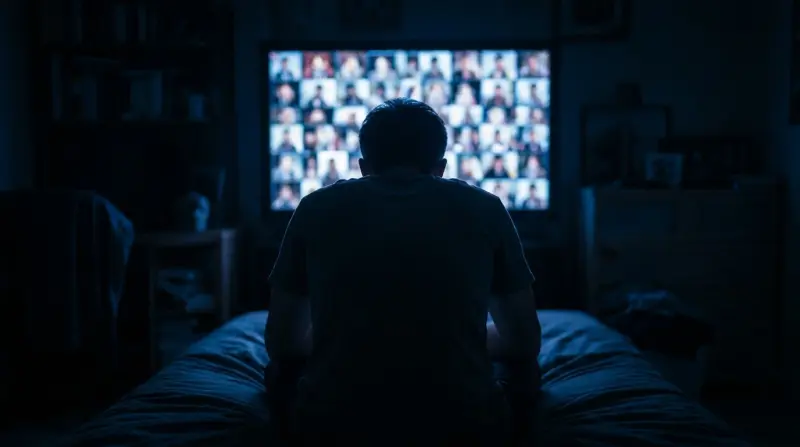
Stopping porn may begin with an honest moment with yourself, realizing that it does not fit what you want for your life, yet it still keeps repeating. This is a plan for the first 14 days, not a promise of permanent recovery or a judgment on your worth. A habit usually isn’t broken by preaching or willpower alone, but by small changes that reduce exposure to triggers and replace empty time with safer, more meaningful routines. This daily plan is not a test of your worth; it’s a calm, practical training to regain your time and focus step by step. The goal here isn’t perfection, but building distance between urge and action until you regain your ability to choose.
Why does pornography use return even when you sincerely want to stop?
In many cases, the problem is not weak faith or a lack of willpower, as inner self-criticism may whisper, but a habituation loop: a trigger awakens stress or boredom, then a behavior provides short relief, then guilt brings stress back, and the loop starts again. When you understand the loop, change becomes practical instead of a battle with yourself.
This plan does not diagnose addiction or any disorder, and it does not replace professional assessment. It is a starting point for understanding the pattern and building practical first steps.
This plan suits someone who wants a structured practical start, has some degree of control, or wants to understand triggers and reduce slips. If the behavior involves thoughts of harming yourself or others, extortion, coercion, abuse, illegal content, or risk to a minor, urgent help from emergency services or the relevant authority comes before any self-help plan.
Not every use of pornography means addiction or a disorder. Sometimes pornography use becomes a problematic or compulsive pattern: repetition that is hard to stop despite the decision, consuming time and energy, and possibly affecting study, work, relationships, or mood. This does not mean you are diagnosing yourself, but it shows that it is not always simple, and that asking for support can be a step of strength, not weakness.
Before starting the 14 days, make a short agreement with yourself—rules that protect the plan:
Daily goal: commit to one day only, then repeat it.
Reduce isolation: the habit thrives in secrecy and emptiness.
Make access harder: don’t bet on willpower alone.
Replace instead of only forbidding: empty time is the most dangerous trigger.
Observe gently: a slip is information, not a verdict on your worth.
Week One: Closing the Easy Doors (Days 1–7)
Day 1: Do an honest inventory without embarrassing details: write down three times and three places where you’re most drawn to porn content, and the feeling right before it (fatigue, boredom, stress).
Day 2: Change the environment before trying to change yourself: keep your phone out of the bedroom, limit internet use to one place and a specific time, and clear what leads you into endless suggested content.
Day 3: Create an emergency plan for the three triggers you identified: if boredom comes, there’s a ready short task; if stress comes, there’s a simple physical calming option; if loneliness comes, there’s one safe connection.
Day 4: Apply the “delay for ten minutes” rule: when the urge appears, don’t negotiate with it and don’t fight it—just delay the action, change your location, and start a short hands-on activity. This aligns with the logic of cognitive behavioral therapy in changing thoughts and behavior without needing complicated terms.
Day 5: Adjust your highest-risk time; many people slip late at night, so move your bedtime up by 30 minutes, turn off screens beforehand, and place a calm alternative like short reading or beneficial listening.
Day 6: Treat your body as an ally, not an enemy: light daily movement, reducing stimulants at night, and regular meals—because exhaustion weakens the ability to resist.
Day 7: Review the week as if you’re reviewing an experiment: what worked and what slipped, then adjust the rule instead of canceling the plan.
Week Two: Building Alternatives That Fit You (Days 8–14)
Day 8: Add a realistic dose of connection: a family coffee meet-up, a short visit, or a call with a respectful friend. You don’t need to share everything—just break the loneliness that feeds the behavior.
Day 9: Train your inner language: instead of “I’m weak,” say “I’m learning”; instead of “I’ll never succeed,” say “Today is hard and I’ll protect it with one step.” This shift reduces the stress that was pushing you to escape.
Day 10: Fill the empty hour that used to be the doorway to habits: plan in advance two short activities after dinner, such as simple tidying, a light workout, or learning a skill.
Day 11: Prepare a “slip scenario”: if a slip happens, don’t treat the day as finished. Stop the chain immediately: change your physical state in a way that helps you: make ablution if it calms you and reconnects you with your values, or wash your face, then change your location and write down what happened right before the slip in just two minutes. What matters most is preventing a slip from turning into a long surrender.
Day 12: Write your real reason in two lines, away from fear tactics or comparisons, and name what you want to regain—like mental clarity, self-respect, or your time—then place those two lines somewhere you’ll see them.
Day 13: Strengthen technical and real-life boundaries: reduce random browsing, reorganize your phone’s home screen to reduce temptation, and choose a fixed time for social media use.
Day 14: Design what comes after the two weeks: three commitments for next week (sleep, movement, connection) and three protection tools (where your phone stays, internet timing, an alternative activity). Stable change begins when the goal isn’t only abstinence, but a lifestyle with less stress.
When Is Professional Support Truly Helpful?
If you find that use keeps repeating despite multiple attempts, or it steals your time and affects your responsibilities, or you’re using it as a constant numbing tool for anxiety and sadness, specialized support may shorten a long road for you. Speaking with a licensed specialist helps you understand emotional triggers, learn alternative skills, and build a plan that fits your circumstances. This is a normal part of therapy: understanding the pattern, choosing practical tools, and adjusting the plan with a specialist.
And because many people hesitate due to privacy, remember that professional consultation is based on confidentiality and respect, and its goal is to help you live in alignment with your values without harshness. If you want a flexible option, connecting with licensed specialists remotely by booking a session through Tatmeen may suit you.
Finally…
Porn may be an old habit for you or a quick escape—but you are not this habit. Two weeks of small steps opens a new window: awareness of triggers, a safer environment, and realistic alternatives. If you slip, that doesn’t cancel progress—it invites you to adjust the plan. What matters most is staying on a gentler path with yourself, and being honest about your need for support.
Frequently Asked Questions
Are 14 days enough to stop permanently?
Fourteen days can give you a strong start and reduce attachment, but they are not a guarantee that the habit will end permanently. The biggest value is that it builds skills, barriers, and alternatives. After the two weeks, continue with a simpler plan for two more weeks to stabilize the new habit.
What should I do if I relapse during the plan?
Treat relapse as a sign that something before it needs adjustment: staying up late, stress, loneliness, or random browsing. Stop the chain immediately, return to the “one day only” rule, then strengthen protection for the riskiest time and place—and remind yourself that slipping doesn’t mean going back to zero.
Can I ask for help without embarrassment?
Yes. You can start with a very short message: “I want help controlling a behavior that keeps repeating despite my desire to change.” Choose a licensed specialist, ask about confidentiality and the plan, and many people feel relief after the first contact.
A writer and researcher specializing in psychiatry, she focuses on mental health and the human emotions we experience but cannot always find the words to name. She writes about us—about humanity and the human experience—and simplifies complex topics to offer content that helps us better understand ourselves and life, ultimately making us feel less alone.
Every Tatmeen article is reviewed by care providers licensed by the Saudi Commission for Health Specialties, so what you read is accurate and trustworthy.
This article builds understanding and does not replace a licensed care provider.
Need someone to talk to?
Tatmeen's licensed care providers are available around the clock, and the app's urgent consultation connects you with one within minutes.
Download Tatmeen to explore care providers and booking options.
Smart matchingFour quick questions suggest the right care provider
Urgent consultationTalk to an available care provider within minutes
Free psychological measuresMore than 20 tests to understand how you are doing
Scan to download
{"data":{"id":"7fb87a8d-b6b7-4a1b-a5d9-f322c6df76a0","slug":"14-day-plan-to-stop-porn","arTitle":"كيف أترك الإباحية؟ خطة يومية لأول 14 يومًا بدون جلد الذات","enTitle":"How to Stop Porn: A Daily Plan for the First 14 Days Without Self-Blame","thumbnailAltText":"Person standing at the edge of a dark passage opening into a bright, green landscape.","estimatedReadingTime":5,"likesCount":273,"writer":{"id":"3ab72b74-f26f-4337-9b47-3114b0f90de5","arBio":"كاتبة وباحثة متخصصة في مجال الطب النفسي، تهتم بموضوعات الصحة النفسية وبالمشاعر الإنسانية التي نختبرها ولا نجد دائمًا الكلمات لتسميتها. تكتب عنّا؛ عن الإنسان وتجربته، وتبسّط الموضوعات المعقّدة لتقدّم محتوى يساعدنا على فهم ذواتنا والحياة أكثر، ويجعلنا نشعر بأننا بوحدة أقل.","enBio":"A writer and researcher specializing in psychiatry, she focuses on mental health and the human emotions we experience but cannot always find the words to name. She writes about us—about humanity and the human experience—and simplifies complex topics to offer content that helps us better understand ourselves and life, ultimately making us feel less alone.","user":{"slug":"ayat-alnajar","arFullName":"آيات النجار","enFullName":"Ayat Al-Najjar","publicProfileImageUrl":"https://cdn.tatmeen.sa/public/profile-images/02384455-68fa-40b6-ad05-609fde65cafa/21b9a610dde5dfc6d37af110c23e9c7ab3946be080c281beb000debf4f7d31a6.webp","publicProfileImage96Url":"https://cdn.tatmeen.sa/public/profile-images/02384455-68fa-40b6-ad05-609fde65cafa/21b9a610dde5dfc6d37af110c23e9c7ab3946be080c281beb000debf4f7d31a6-w96.webp","publicProfileImage192Url":"https://cdn.tatmeen.sa/public/profile-images/02384455-68fa-40b6-ad05-609fde65cafa/21b9a610dde5dfc6d37af110c23e9c7ab3946be080c281beb000debf4f7d31a6-w192.webp"}},"arContent":"","enContent":"","productionDocument":{"headings":[{"id":"article-section-why-does-pornography-use-return-even-when-you-sincerely-want-to-stop","text":"Why does pornography use return even when you sincerely want to stop?"},{"id":"article-section-week-one-closing-the-easy-doors-days-1-7","text":"Week One: Closing the Easy Doors (Days 1–7)"},{"id":"article-section-week-two-building-alternatives-that-fit-you-days-8-14","text":"Week Two: Building Alternatives That Fit You (Days 8–14)"},{"id":"article-section-when-is-professional-support-truly-helpful","text":"When Is Professional Support Truly Helpful?"},{"id":"article-section-finally","text":"Finally…"}],"faqs":[{"question":"Are 14 days enough to stop permanently?","answer":"<p><span style=\"color:#000000\">Fourteen days can give you a strong start and reduce attachment, but they are not a guarantee that the habit will end permanently. The biggest value is that it builds skills, barriers, and alternatives. After the two weeks, continue with a simpler plan for two more weeks to stabilize the new habit.</span></p>"},{"question":"What should I do if I relapse during the plan?","answer":"<p><span style=\"color:#000000\">Treat relapse as a sign that something before it needs adjustment: staying up late, stress, loneliness, or random browsing. Stop the chain immediately, return to the “one day only” rule, then strengthen protection for the riskiest time and place—and remind yourself that slipping doesn’t mean going back to zero.</span></p>"},{"question":"Can I ask for help without embarrassment?","answer":"<p><span style=\"color:#000000\">Yes. You can start with a very short message: “I want help controlling a behavior that keeps repeating despite my desire to change.” Choose a licensed specialist, ask about confidentiality and the plan, and many people feel relief after the first contact.</span></p>"}],"beforeSourcesHtml":"<p></p>","sources":[],"afterSourcesHtml":"","blocks":[{"type":"html","html":"<p><span style=\"color:#000000\">Stopping porn may begin with an honest moment with yourself, realizing that it does not fit what you want for your life, yet it still keeps repeating. This is a plan for the first 14 days, not a promise of permanent recovery or a judgment on your worth. A habit usually isn’t broken by preaching or willpower alone, but by small changes that reduce exposure to triggers and replace empty time with safer, more meaningful routines. This daily plan is not a test of your worth; it’s a calm, practical training to regain your time and focus step by step. The goal here isn’t perfection, but building distance between urge and action until you regain your ability to choose.</span></p><h2 id=\"article-section-why-does-pornography-use-return-even-when-you-sincerely-want-to-stop\" data-toc-heading tabindex=\"-1\"><span id=\"why-does-pornography-use-return-even-when-you-sincerely-want-to-stop-1\" aria-hidden=\"true\"></span><span style=\"color:#000000\"><strong>Why does pornography use return even when you sincerely want to stop?</strong></span></h2><p><span style=\"color:#000000\">In many cases, the problem is not weak faith or a lack of willpower, as inner self-criticism may whisper, but a habituation loop: a trigger awakens stress or boredom, then a behavior provides short relief, then guilt brings stress back, and the loop starts again. When you understand the loop, change becomes practical instead of a battle with yourself.</span></p><p><span style=\"color:#000000\">This plan does not diagnose addiction or any disorder, and it does not replace professional assessment. It is a starting point for understanding the pattern and building practical first steps.</span></p><p><span style=\"color:#000000\">This plan suits someone who wants a structured practical start, has some degree of control, or wants to understand triggers and reduce slips. If the behavior involves thoughts of harming yourself or others, extortion, coercion, abuse, illegal content, or risk to a minor, urgent help from emergency services or the relevant authority comes before any self-help plan.</span></p><p><span style=\"color:#000000\">Not every use of pornography means addiction or a disorder. Sometimes pornography use becomes a problematic or compulsive pattern: repetition that is hard to stop despite the decision, consuming time and energy, and possibly affecting study, work, relationships, or mood. This does not mean you are diagnosing yourself, but it shows that it is not always simple, and that asking for support can be a step of strength, not weakness.</span></p><p><span style=\"color:#000000\">Before starting the 14 days, make a short agreement with yourself—rules that protect the plan:</span></p><ul><li><p><span style=\"color:#000000\"><strong>Daily goal:</strong> commit to one day only, then repeat it.</span></p></li><li><p><span style=\"color:#000000\"><strong>Reduce isolation:</strong> the habit thrives in secrecy and emptiness.</span></p></li><li><p><span style=\"color:#000000\"><strong>Make access harder:</strong> don’t bet on willpower alone.</span></p></li><li><p><span style=\"color:#000000\"><strong>Replace instead of only forbidding:</strong> empty time is the most dangerous trigger.</span></p></li><li><p><span style=\"color:#000000\"><strong>Observe gently:</strong> a slip is information, not a verdict on your worth.</span></p></li></ul><h2 id=\"article-section-week-one-closing-the-easy-doors-days-1-7\" data-toc-heading tabindex=\"-1\"><span id=\"week-one-closing-the-easy-doors-days-1-7-2\" aria-hidden=\"true\"></span><span style=\"color:#000000\"><strong>Week One: Closing the Easy Doors (Days 1–7)</strong></span></h2><p><span style=\"color:#000000\"><strong>Day 1:</strong> Do an honest inventory without embarrassing details: write down three times and three places where you’re most drawn to porn content, and the feeling right before it (fatigue, boredom, stress).</span></p><p><span style=\"color:#000000\"><strong>Day 2:</strong> Change the environment before trying to change yourself: keep your phone out of the bedroom, limit internet use to one place and a specific time, and clear what leads you into endless suggested content.</span></p><p><span style=\"color:#000000\"><strong>Day 3:</strong> Create an emergency plan for the three triggers you identified: if boredom comes, there’s a ready short task; if stress comes, there’s a simple physical calming option; if loneliness comes, there’s one safe connection.</span></p><p><span style=\"color:#000000\"><strong>Day 4:</strong> Apply the “delay for ten minutes” rule: when the urge appears, don’t negotiate with it and don’t fight it—just delay the action, change your location, and start a short hands-on activity. This aligns with the logic of cognitive behavioral therapy in </span><a href=\"https://www.nhs.uk/tests-and-treatments/cognitive-behavioural-therapy-cbt/\" target=\"_blank\" rel=\"nofollow noopener noreferrer\"><span style=\"color:#1155cc\"><u>changing thoughts and behavior</u></span></a><span style=\"color:#000000\"> without needing complicated terms.</span></p><p><span style=\"color:#000000\"><strong>Day 5:</strong> Adjust your highest-risk time; many people slip late at night, so move your bedtime up by 30 minutes, turn off screens beforehand, and place a calm alternative like short reading or beneficial listening.</span></p><p><span style=\"color:#000000\"><strong>Day 6:</strong> Treat your body as an ally, not an enemy: light daily movement, reducing stimulants at night, and regular meals—because exhaustion weakens the ability to resist.</span></p><p><span style=\"color:#000000\"><strong>Day 7:</strong> Review the week as if you’re reviewing an experiment: what worked and what slipped, then adjust the rule instead of canceling the plan.</span></p><h2 id=\"article-section-week-two-building-alternatives-that-fit-you-days-8-14\" data-toc-heading tabindex=\"-1\"><span id=\"week-two-building-alternatives-that-fit-you-days-8-14-3\" aria-hidden=\"true\"></span><span style=\"color:#000000\"><strong>Week Two: Building Alternatives That Fit You (Days 8–14)</strong></span></h2><p><span style=\"color:#000000\"><strong>Day 8:</strong> Add a realistic dose of connection: a family coffee meet-up, a short visit, or a call with a respectful friend. You don’t need to share everything—just break the loneliness that feeds the behavior.</span></p><p><span style=\"color:#000000\"><strong>Day 9:</strong> Train your inner language: instead of “I’m weak,” say “I’m learning”; instead of “I’ll never succeed,” say “Today is hard and I’ll protect it with one step.” This shift reduces the stress that was pushing you to escape.</span></p><p><span style=\"color:#000000\"><strong>Day 10:</strong> Fill the empty hour that used to be the doorway to habits: plan in advance two short activities after dinner, such as simple tidying, a light workout, or learning a skill.</span></p><p><span style=\"color:#000000\"><strong>Day 11:</strong> Prepare a “slip scenario”: if a slip happens, don’t treat the day as finished. Stop the chain immediately: change your physical state in a way that helps you: make ablution if it calms you and reconnects you with your values, or wash your face, then change your location and write down what happened right before the slip in just two minutes. What matters most is preventing a slip from turning into a long surrender.</span></p><p><span style=\"color:#000000\"><strong>Day 12:</strong> Write your real reason in two lines, away from fear tactics or comparisons, and name what you want to regain—like mental clarity, self-respect, or your time—then place those two lines somewhere you’ll see them.</span></p><p><span style=\"color:#000000\"><strong>Day 13:</strong> Strengthen technical and real-life boundaries: reduce random browsing, reorganize your phone’s home screen to reduce temptation, and choose a fixed time for social media use.</span></p><p><span style=\"color:#000000\"><strong>Day 14:</strong> Design what comes after the two weeks: three commitments for next week (sleep, movement, connection) and three protection tools (where your phone stays, internet timing, an alternative activity). Stable change begins when the goal isn’t only abstinence, but a lifestyle with less stress.</span></p><h2 id=\"article-section-when-is-professional-support-truly-helpful\" data-toc-heading tabindex=\"-1\"><span id=\"when-is-professional-support-truly-helpful-4\" aria-hidden=\"true\"></span><span style=\"color:#000000\"><strong>When Is Professional Support Truly Helpful?</strong></span></h2><p><span style=\"color:#000000\">If you find that use keeps repeating despite multiple attempts, or it steals your time and affects your responsibilities, or you’re using it as a constant numbing tool for anxiety and sadness, specialized support may shorten a long road for you. Speaking with a licensed specialist helps you understand emotional triggers, learn alternative skills, and build a plan that fits your circumstances. This is a normal part of therapy: understanding the pattern, choosing practical tools, and adjusting the plan with a specialist.</span></p><p><span style=\"color:#000000\">And because many people hesitate due to privacy, remember that professional consultation is based on confidentiality and respect, and its goal is to help you live in alignment with your values without harshness. If you want a flexible option, connecting with licensed specialists remotely by booking a session through Tatmeen may suit you.</span></p><h2 id=\"article-section-finally\" data-toc-heading tabindex=\"-1\"><span id=\"finally-5\" aria-hidden=\"true\"></span><span style=\"color:#000000\"><strong>Finally…</strong></span></h2><p><span style=\"color:#000000\">Porn may be an old habit for you or a quick escape—but you are not this habit. Two weeks of small steps opens a new window: awareness of triggers, a safer environment, and realistic alternatives. If you slip, that doesn’t cancel progress—it invites you to adjust the plan. What matters most is staying on a gentler path with yourself, and being honest about your need for support.</span></p>"}],"inlineCtaSignatures":[],"_experienceAliases":{"v":1,"fields":["html","bodyHtml"],"faqs":[0,1,2]}},"createdAt":"2026-06-07T21:00:00.000Z","updatedAt":"2026-06-17T19:19:53.463Z","disorderGroups":[{"id":"04bd234d-c176-4ba1-afb3-9e9c05d0e648","slug":"addictions-and-compulsive-behaviors","arName":"الإدمان والسلوكيات القهرية","enName":"Addictions & Compulsive Behaviors"},{"id":"d807ea69-44d4-4e81-bee4-0a059fd36645","slug":"self-development","arName":"تنمية الذات","enName":"Self-Development"},{"id":"1e82772d-a1a7-4d29-b475-be9d6b67ae02","slug":"common-mental-issues","arName":"اضطرابات نفسية شائعة","enName":"Common Mental Issues"}],"reviewer":{"arFullName":"فريق تطمين","enFullName":"Tatmeen team","slug":"tatmeen-team","kind":"organization"},"productionArticle":true,"promotionAllowed":true,"preparedCover":{"src":"https://cdn.tatmeen.sa/public/article-lcp/article-lcp-v2/sha256-a6cf5907224f1d68530df1ab6f68ad61ca28be2946417c3460a179fe90ecc616/800-9f366a0422c127fb7393f97bd89de4259d7ca1cf26a1206d30a8054c4da81430.avif","fallback":"https://cdn.tatmeen.sa/public/article-lcp/article-lcp-v2/sha256-a6cf5907224f1d68530df1ab6f68ad61ca28be2946417c3460a179fe90ecc616/800-c51c8525fff2b4512afa170a47c1695566691cb330826e268848f1bf43ff756f.webp","directUrl":"https://cdn.tatmeen.sa/blog-cover/Tatmeen-1780941860150.webp","isGolden":true,"avifSrcset":"https://cdn.tatmeen.sa/public/article-lcp/article-lcp-v2/sha256-a6cf5907224f1d68530df1ab6f68ad61ca28be2946417c3460a179fe90ecc616/400-8e500bf5d6d97d412d36fa0403415a715873d35bc8a5e92d02de024c93bfe899.avif 400w, https://cdn.tatmeen.sa/public/article-lcp/article-lcp-v2/sha256-a6cf5907224f1d68530df1ab6f68ad61ca28be2946417c3460a179fe90ecc616/640-48f7e3421ab89b8a070ace5bdb4afae1aa7d57e6662b8f1750c6fcc6fba39fb2.avif 640w, https://cdn.tatmeen.sa/public/article-lcp/article-lcp-v2/sha256-a6cf5907224f1d68530df1ab6f68ad61ca28be2946417c3460a179fe90ecc616/800-9f366a0422c127fb7393f97bd89de4259d7ca1cf26a1206d30a8054c4da81430.avif 800w, https://cdn.tatmeen.sa/public/article-lcp/article-lcp-v2/sha256-a6cf5907224f1d68530df1ab6f68ad61ca28be2946417c3460a179fe90ecc616/1200-cfe9acd8d1e6133e6d4c42a6668026408d2f92d8831e73b5cc133b86587dcc15.avif 1200w","webpSrcset":"https://cdn.tatmeen.sa/public/article-lcp/article-lcp-v2/sha256-a6cf5907224f1d68530df1ab6f68ad61ca28be2946417c3460a179fe90ecc616/400-bf7d3148599bbaac8c656f4458b17ee32329d121c336cb3b1c9a7ff7300c088d.webp 400w, https://cdn.tatmeen.sa/public/article-lcp/article-lcp-v2/sha256-a6cf5907224f1d68530df1ab6f68ad61ca28be2946417c3460a179fe90ecc616/640-1c63d04a59d9f50d0f3fb8b7e20b614bf4c7a35dadd6febc99005020b58b7a89.webp 640w, https://cdn.tatmeen.sa/public/article-lcp/article-lcp-v2/sha256-a6cf5907224f1d68530df1ab6f68ad61ca28be2946417c3460a179fe90ecc616/800-c51c8525fff2b4512afa170a47c1695566691cb330826e268848f1bf43ff756f.webp 800w, https://cdn.tatmeen.sa/public/article-lcp/article-lcp-v2/sha256-a6cf5907224f1d68530df1ab6f68ad61ca28be2946417c3460a179fe90ecc616/1200-aafad6992185c760ddc3812b973549d0906b57848194227339985aad11234c49.webp 1200w","phoneAvifSrcset":"https://cdn.tatmeen.sa/public/article-lcp/article-lcp-v2/sha256-a6cf5907224f1d68530df1ab6f68ad61ca28be2946417c3460a179fe90ecc616/400-8e500bf5d6d97d412d36fa0403415a715873d35bc8a5e92d02de024c93bfe899.avif 400w, https://cdn.tatmeen.sa/public/article-lcp/article-lcp-v2/sha256-a6cf5907224f1d68530df1ab6f68ad61ca28be2946417c3460a179fe90ecc616/640-48f7e3421ab89b8a070ace5bdb4afae1aa7d57e6662b8f1750c6fcc6fba39fb2.avif 640w, https://cdn.tatmeen.sa/public/article-lcp/article-lcp-v2/sha256-a6cf5907224f1d68530df1ab6f68ad61ca28be2946417c3460a179fe90ecc616/800-9f366a0422c127fb7393f97bd89de4259d7ca1cf26a1206d30a8054c4da81430.avif 800w","phoneWebpSrcset":"https://cdn.tatmeen.sa/public/article-lcp/article-lcp-v2/sha256-a6cf5907224f1d68530df1ab6f68ad61ca28be2946417c3460a179fe90ecc616/400-bf7d3148599bbaac8c656f4458b17ee32329d121c336cb3b1c9a7ff7300c088d.webp 400w, https://cdn.tatmeen.sa/public/article-lcp/article-lcp-v2/sha256-a6cf5907224f1d68530df1ab6f68ad61ca28be2946417c3460a179fe90ecc616/640-1c63d04a59d9f50d0f3fb8b7e20b614bf4c7a35dadd6febc99005020b58b7a89.webp 640w, https://cdn.tatmeen.sa/public/article-lcp/article-lcp-v2/sha256-a6cf5907224f1d68530df1ab6f68ad61ca28be2946417c3460a179fe90ecc616/800-c51c8525fff2b4512afa170a47c1695566691cb330826e268848f1bf43ff756f.webp 800w","width":800,"height":447},"previewTaxonomy":{"groups":[{"id":"04bd234d-c176-4ba1-afb3-9e9c05d0e648","slug":"addictions-and-compulsive-behaviors","arName":"الإدمان والسلوكيات القهرية","enName":"Addictions & Compulsive Behaviors"},{"id":"d807ea69-44d4-4e81-bee4-0a059fd36645","slug":"self-development","arName":"تنمية الذات","enName":"Self-Development"},{"id":"1e82772d-a1a7-4d29-b475-be9d6b67ae02","slug":"common-mental-issues","arName":"اضطرابات نفسية شائعة","enName":"Common Mental Issues"}],"topics":[{"id":"df422fae-2631-4acb-8a97-69baec4bbc8f","slug":"positive-habits","arName":"بناء عادات إيجابية","enName":"Positive Habits","groupSlug":"self-development","href":"/blog/category/self-development/positive-habits/"},{"id":"15ff72d6-a734-4802-9430-5938aa292115","slug":"porn-addiction","arName":"إدمان الإباحية","enName":"Porn Addiction","groupSlug":"addictions-and-compulsive-behaviors","href":"/blog/category/addictions-and-compulsive-behaviors/porn-addiction/"}],"tags":[{"id":"4ed98471-68bf-4682-b622-f092e88833bb","slug":"porn-compulsive-sexual","arName":"إدمان الإباحية والسلوك الجنسي القهري","enName":"Pornography & Compulsive Sexual"},{"id":"d118e5be-1333-445f-8702-ac839855e25b","slug":"self-compassion","arName":"التعاطف مع الذات والرحمة بالنفس","enName":"Self-Compassion"},{"id":"d58e6187-021b-44a5-882c-245bccd77611","slug":"self-help-howto","arName":"مساعدة ذاتية / خطوات عملية","enName":"Self-Help / How-To"}]},"previewProviderRecommendations":[{"id":"278d5ac5-30ff-46ad-97be-c67cdd125836","slug":"dr-mohammed-alamari-8085","arFullName":"د. محمد العماري","enFullName":"Dr. Mohammed Alamari","publicProfileImageUrl":"https://cdn.tatmeen.sa/public/profile-images/278d5ac5-30ff-46ad-97be-c67cdd125836/69bdd11cb01784eed010eb9883403fd6ca4e4afcec739dcd6114fd8b85f133a8.webp","publicProfileImage96Url":"https://cdn.tatmeen.sa/public/profile-images/278d5ac5-30ff-46ad-97be-c67cdd125836/69bdd11cb01784eed010eb9883403fd6ca4e4afcec739dcd6114fd8b85f133a8-w96.webp","publicProfileImage192Url":"https://cdn.tatmeen.sa/public/profile-images/278d5ac5-30ff-46ad-97be-c67cdd125836/69bdd11cb01784eed010eb9883403fd6ca4e4afcec739dcd6114fd8b85f133a8-w192.webp","specialization":{"arName":"طبيب أسرة","enName":"Family Physician"},"profileImageUrl":"https://cdn.tatmeen.sa/public/profile-images/278d5ac5-30ff-46ad-97be-c67cdd125836/69bdd11cb01784eed010eb9883403fd6ca4e4afcec739dcd6114fd8b85f133a8-w192.webp","experienceYears":3,"consultantInfo":{"averageRating":{"average":4},"specialization":{"arGeneralName":"طبيب أسرة","enGeneralName":"Family Physician"}}},{"id":"61ffd054-193f-4e8e-abc7-356e905dec92","slug":"nada-2471","arFullName":"د. ندى ال ادريس","enFullName":"Dr. Nada Al Idrees","publicProfileImageUrl":"","publicProfileImage96Url":"","publicProfileImage192Url":"","specialization":{"arName":"طبيب نفسي","enName":"Psychiatrist"},"profileImageUrl":"","experienceYears":5,"consultantInfo":{"averageRating":{"average":0},"specialization":{"arGeneralName":"طبيب نفسي","enGeneralName":"Psychiatrist"}}},{"id":"d754a189-f8c9-4aad-b4aa-a5dbd26c0bd7","slug":"talal-alshowaier-8694","arFullName":"طلال الشويعر","enFullName":"Talal Alshowaier","publicProfileImageUrl":"https://cdn.tatmeen.sa/public/profile-images/d754a189-f8c9-4aad-b4aa-a5dbd26c0bd7/74feb27848a47cf43189f6b5951e06a9b87b08269021d5bab765092fc65fce42.webp","publicProfileImage96Url":"https://cdn.tatmeen.sa/public/profile-images/d754a189-f8c9-4aad-b4aa-a5dbd26c0bd7/74feb27848a47cf43189f6b5951e06a9b87b08269021d5bab765092fc65fce42-w96.webp","publicProfileImage192Url":"https://cdn.tatmeen.sa/public/profile-images/d754a189-f8c9-4aad-b4aa-a5dbd26c0bd7/74feb27848a47cf43189f6b5951e06a9b87b08269021d5bab765092fc65fce42-w192.webp","specialization":{"arName":"أخصائي نفسي","enName":"Psychologist"},"profileImageUrl":"https://cdn.tatmeen.sa/public/profile-images/d754a189-f8c9-4aad-b4aa-a5dbd26c0bd7/74feb27848a47cf43189f6b5951e06a9b87b08269021d5bab765092fc65fce42-w192.webp","experienceYears":3,"consultantInfo":{"averageRating":{"average":5},"specialization":{"arGeneralName":"أخصائي نفسي","enGeneralName":"Psychologist"}}}],"previewCareProviders":[{"id":"09364052-c2a9-4c52-9717-7ce2093b8d0a","slug":"kholoud-alharbi-5221","arFullName":"خلود الحربي","enFullName":"Kholoud Alharbi","publicProfileImageUrl":"https://cdn.tatmeen.sa/public/profile-images/09364052-c2a9-4c52-9717-7ce2093b8d0a/4a0aeb81619e351b77f4323e3605a0a00acc7ca3c82ee7cc5ca2c9e8ef716049.webp","publicProfileImage96Url":"https://cdn.tatmeen.sa/public/profile-images/09364052-c2a9-4c52-9717-7ce2093b8d0a/4a0aeb81619e351b77f4323e3605a0a00acc7ca3c82ee7cc5ca2c9e8ef716049-w96.webp","publicProfileImage192Url":"https://cdn.tatmeen.sa/public/profile-images/09364052-c2a9-4c52-9717-7ce2093b8d0a/4a0aeb81619e351b77f4323e3605a0a00acc7ca3c82ee7cc5ca2c9e8ef716049-w192.webp","gender":"FEMALE","specialization":{"arName":"أخصائي نفسي","enName":"Psychologist"}},{"id":"6f037535-1dca-4b50-a8b2-5974b7323286","slug":"salah-althobaiti-9053","arFullName":"صلاح الثبيتي","enFullName":"Salah Althobaiti","publicProfileImageUrl":"https://cdn.tatmeen.sa/public/profile-images/6f037535-1dca-4b50-a8b2-5974b7323286/35b6bd7fad9b1e004c1835803eb9c1b56dcacd380685ec8bff141f0fb888005c.webp","publicProfileImage96Url":"https://cdn.tatmeen.sa/public/profile-images/6f037535-1dca-4b50-a8b2-5974b7323286/35b6bd7fad9b1e004c1835803eb9c1b56dcacd380685ec8bff141f0fb888005c-w96.webp","publicProfileImage192Url":"https://cdn.tatmeen.sa/public/profile-images/6f037535-1dca-4b50-a8b2-5974b7323286/35b6bd7fad9b1e004c1835803eb9c1b56dcacd380685ec8bff141f0fb888005c-w192.webp","gender":"MALE","specialization":{"arName":"أخصائي نفسي","enName":"Psychologist"}},{"id":"3cc806e8-616b-4884-9f21-a75b378580a2","slug":"aisha-al-hashim-8667","arFullName":"عائشة ال هاشم","enFullName":"Aisha Al Hashim","publicProfileImageUrl":"https://cdn.tatmeen.sa/public/profile-images/3cc806e8-616b-4884-9f21-a75b378580a2/27f523d03be4dcfa1f6a79f70c1773887434e698990d214cd990caec56a44798.webp","publicProfileImage96Url":"https://cdn.tatmeen.sa/public/profile-images/3cc806e8-616b-4884-9f21-a75b378580a2/27f523d03be4dcfa1f6a79f70c1773887434e698990d214cd990caec56a44798-w96.webp","publicProfileImage192Url":"https://cdn.tatmeen.sa/public/profile-images/3cc806e8-616b-4884-9f21-a75b378580a2/27f523d03be4dcfa1f6a79f70c1773887434e698990d214cd990caec56a44798-w192.webp","gender":"FEMALE","specialization":{"arName":"أخصائي نفسي","enName":"Psychologist"}},{"id":"94765496-dbdf-4631-a01b-7df5f788668d","slug":"abdullrahman-alhamoudi-3045","arFullName":"عبدالرحمن الحمودي","enFullName":"Abdulrahman Alhamoudi","publicProfileImageUrl":"https://cdn.tatmeen.sa/public/profile-images/94765496-dbdf-4631-a01b-7df5f788668d/2d49f6b6493c564afb6f50b6c3634231dff3a5cf8353acfab393d1b2a88037d1.webp","publicProfileImage96Url":"https://cdn.tatmeen.sa/public/profile-images/94765496-dbdf-4631-a01b-7df5f788668d/2d49f6b6493c564afb6f50b6c3634231dff3a5cf8353acfab393d1b2a88037d1-w96.webp","publicProfileImage192Url":"https://cdn.tatmeen.sa/public/profile-images/94765496-dbdf-4631-a01b-7df5f788668d/2d49f6b6493c564afb6f50b6c3634231dff3a5cf8353acfab393d1b2a88037d1-w192.webp","gender":"MALE","specialization":{"arName":"أخصائي نفسي","enName":"Psychologist"}},{"id":"618dba89-5b70-4b46-8304-741b7ac8ecd3","slug":"abdullah-mari-1311","arFullName":"عبدالله مرعي","enFullName":"Abdullah Mari","publicProfileImageUrl":"https://cdn.tatmeen.sa/public/profile-images/618dba89-5b70-4b46-8304-741b7ac8ecd3/6b4a3bfb59f8a304ca79083b32859b46baad2e1d692974a47c02c1f66bd11129.webp","publicProfileImage96Url":"https://cdn.tatmeen.sa/public/profile-images/618dba89-5b70-4b46-8304-741b7ac8ecd3/6b4a3bfb59f8a304ca79083b32859b46baad2e1d692974a47c02c1f66bd11129-w96.webp","publicProfileImage192Url":"https://cdn.tatmeen.sa/public/profile-images/618dba89-5b70-4b46-8304-741b7ac8ecd3/6b4a3bfb59f8a304ca79083b32859b46baad2e1d692974a47c02c1f66bd11129-w192.webp","gender":"MALE","specialization":{"arName":"أخصائي نفسي","enName":"Psychologist"}},{"id":"d4ffcb6b-90a7-45b6-b941-964866f4564b","slug":"dhaifallah-alhumaidi-1092","arFullName":"ضيف الله الحميدي","enFullName":"Dhaifallah Alhumaidi","publicProfileImageUrl":"https://cdn.tatmeen.sa/public/profile-images/d4ffcb6b-90a7-45b6-b941-964866f4564b/1817171c5828a9b57d6c30d12332cf154e335272548bc90a6e8456d74d356956.webp","publicProfileImage96Url":"https://cdn.tatmeen.sa/public/profile-images/d4ffcb6b-90a7-45b6-b941-964866f4564b/1817171c5828a9b57d6c30d12332cf154e335272548bc90a6e8456d74d356956-w96.webp","publicProfileImage192Url":"https://cdn.tatmeen.sa/public/profile-images/d4ffcb6b-90a7-45b6-b941-964866f4564b/1817171c5828a9b57d6c30d12332cf154e335272548bc90a6e8456d74d356956-w192.webp","gender":"MALE","specialization":{"arName":"أخصائي نفسي","enName":"Psychologist"}},{"id":"d8fb937b-ad65-4b6f-a65b-276ad8258fed","slug":"azza-alharbi-7286","arFullName":"عزه الحربي","enFullName":"Azza Alharbi","publicProfileImageUrl":"https://cdn.tatmeen.sa/public/profile-images/d8fb937b-ad65-4b6f-a65b-276ad8258fed/378a8ab30f4087833263c41fb2c3102028cbe6bb9655172d7b3439ee1d6b0800.webp","publicProfileImage96Url":"https://cdn.tatmeen.sa/public/profile-images/d8fb937b-ad65-4b6f-a65b-276ad8258fed/378a8ab30f4087833263c41fb2c3102028cbe6bb9655172d7b3439ee1d6b0800-w96.webp","publicProfileImage192Url":"https://cdn.tatmeen.sa/public/profile-images/d8fb937b-ad65-4b6f-a65b-276ad8258fed/378a8ab30f4087833263c41fb2c3102028cbe6bb9655172d7b3439ee1d6b0800-w192.webp","gender":"FEMALE","specialization":{"arName":"أخصائي نفسي","enName":"Psychologist"}},{"id":"025d770d-f6d4-405b-be1c-d45dde63fbf7","slug":"akila-alomran-7545","arFullName":"عقيله العمران","enFullName":"Akila Alomran","publicProfileImageUrl":"https://cdn.tatmeen.sa/public/profile-images/025d770d-f6d4-405b-be1c-d45dde63fbf7/44a990b9294f02c9810c69a68b8913a6afac0eb30d1b7494155f31b6dde9378b.webp","publicProfileImage96Url":"https://cdn.tatmeen.sa/public/profile-images/025d770d-f6d4-405b-be1c-d45dde63fbf7/44a990b9294f02c9810c69a68b8913a6afac0eb30d1b7494155f31b6dde9378b-w96.webp","publicProfileImage192Url":"https://cdn.tatmeen.sa/public/profile-images/025d770d-f6d4-405b-be1c-d45dde63fbf7/44a990b9294f02c9810c69a68b8913a6afac0eb30d1b7494155f31b6dde9378b-w192.webp","gender":"FEMALE","specialization":{"arName":"أخصائي نفسي","enName":"Psychologist"}}],"previewDownload":{"href":"/download","title":{"ar":"خطوة واحدة لأجلك، ابدأ الآن","en":"One step for you, start now"},"description":{"ar":"حمّل تطبيق تطمين لاستكشاف مقدمي الرعاية وخيارات الحجز.","en":"Download Tatmeen to explore care providers and booking options."},"posterSrc":"/images/home/cta-ar-new-1.webp","videoSrc":"/images/home/cta-ar-new-1.mp4","videoPosterSrc":"/images/home/cta-ar-new-1.webp","videoPosterEnSrc":"/images/home/cta-en-new-1.webp","videoType":"video/mp4","appStoreHref":"https://apps.apple.com/us/app/tatmeen-%D8%AA%D8%B7%D9%85%D9%8A%D9%86/id6473836983","googlePlayHref":"https://play.google.com/store/apps/details?id=com.TatmeenApp.user&hl=en"},"previewRelatedArticles":[{"id":"fb99d6a3-59f2-4787-8874-ffa01b5ec580","slug":"porn-addiction-signs-start-change","route":"/blog/porn-addiction-signs-start-change/","title":{"ar":" إدمان الإباحية: علامات أنك عالق وكيف تبدأ التغيير","en":"Porn Addiction: Signs You May Be Stuck and How to Start Changing"},"image":"https://cdn.tatmeen.sa/public/article-lcp/article-lcp-v2/sha256-79daa099858bf004b6f5394cef6a9ae1b46b3abac2fba268c4a4dc30b86171d3/800-996c00b9be38bc5e0fc2a9d0c263231bb21e12c6c43c633812db7992a6cf2767.webp","directImageFallback":"https://cdn.tatmeen.sa/blog-cover/Tatmeen-1781116081732.webp","arThumbnailAltText":"Man sitting in dark room, facing glowing screen filled with many thumbnails, feeling isolated","thumbnailAltText":"Man sitting in dark room, facing glowing screen filled with many thumbnails, feeling isolated","topic":{"label":{"ar":"الإدمان والسلوكيات القهرية","en":"Addictions & Compulsive Behaviors"}},"readingTimeMinutes":5},{"id":"1865687e-765e-4545-b603-c1b1800ed1f8","slug":"porn-addiction-withdrawal-symptoms-coping","route":"/blog/porn-addiction-withdrawal-symptoms-coping/","title":{"ar":"أعراض الانسحاب من إدمان الإباحية وكيف تتعامل معها بمرونة","en":"Pornography Addiction Withdrawal Symptoms and How to Cope Flexibly"},"image":"https://cdn.tatmeen.sa/public/article-lcp/article-lcp-v2/sha256-6087bc2248ab857436c6bbd826657a475a29035fd117e7fccb71df153a44533e/800-62155c66d16747f1b9b5ee2abc09663abda3efe5ef59e9ce3efa853d06220fa7.webp","directImageFallback":"https://cdn.tatmeen.sa/blog-cover/Tatmeen-1779130957177.webp","arThumbnailAltText":"Person sitting on the bed against a wall suffering from pornography addiction withdrawal","thumbnailAltText":"Person sitting on the bed against a wall suffering from pornography addiction withdrawal","topic":{"label":{"ar":"الإدمان والسلوكيات القهرية","en":"Addictions & Compulsive Behaviors"}},"readingTimeMinutes":5},{"id":"219a5f20-e554-45f7-b572-c8cb72ff300c","slug":"manage-sudden-porn-urges-in-minutes","route":"/blog/manage-sudden-porn-urges-in-minutes/","title":{"ar":"التعامل مع الرغبة المفاجئة لمشاهدة الإباحية خلال دقائق","en":"Managing Sudden Urges to Watch Pornography Within Minutes"},"image":"https://cdn.tatmeen.sa/public/article-lcp/article-lcp-v2/sha256-f0314b16a8d5f6e75ee1e25bd52f628948b940f7abae5b73592eaa750ebb6838/800-58077223878f36e215f6d5abc85d28b59ef1b070718e6f9fea3a5783d56d54a2.webp","directImageFallback":"https://cdn.tatmeen.sa/blog-cover/Tatmeen-1780942805949.webp","arThumbnailAltText":"Finger hovering over a glowing red button in a dark, minimal scene, capturing tension.","thumbnailAltText":"Finger hovering over a glowing red button in a dark, minimal scene, capturing tension.","topic":{"label":{"ar":"الإدمان والسلوكيات القهرية","en":"Addictions & Compulsive Behaviors"}},"readingTimeMinutes":5},{"id":"347c2811-bc22-475f-bd27-f79863232909","slug":"-effects-of-pornography-on-brain-mood-relationships","route":"/blog/-effects-of-pornography-on-brain-mood-relationships/","title":{"ar":" اختطاف الدوبامين مع الإباحية وكيف تستعيد التوازن","en":" Dopamine Hijacking With Pornography and How to Restore Balance"},"image":"https://cdn.tatmeen.sa/public/article-lcp/article-lcp-v2/sha256-eb5c485471e1880f339c79d43427fef858f66c275dd20cd1bfdf4247cbe11e47/800-96cc3bcc6b007d2ef11fe1d82341a5d9cd58362b3807e25c9e508a7e50a53f8b.webp","directImageFallback":"https://cdn.tatmeen.sa/blog-cover/Tatmeen-1781115344993.webp","arThumbnailAltText":"\"Person chained before a glowing screen, symbolizing compulsive digital reward seeking.\"","thumbnailAltText":"\"Person chained before a glowing screen, symbolizing compulsive digital reward seeking.\"","topic":{"label":{"ar":"الإدمان والسلوكيات القهرية","en":"Addictions & Compulsive Behaviors"}},"readingTimeMinutes":5}],"previewRelatedReadStates":{}},"locale":"en","device":"desktop","path":"/en/blog/14-day-plan-to-stop-porn/","readingControls":false,"config":{"public":{"BUCKET_URL":"https://cdn.tatmeen.sa/","APP_BASE_URL":"https://tatmeen.sa","intercomAppId":"ppcnu9e3"}}}