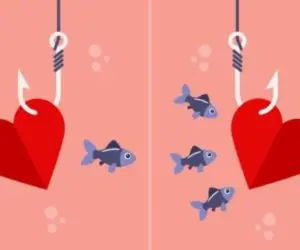
Nearly all of us wish to be in a loving relationship, as social bonds are a fundamental component of happiness.
Loneliness is a deadly feeling, and the COVID-19 pandemic made matters worse. Yet COVID is only another excuse, while the underlying problem lies deep within us.
I can see this when I look back at myself in years past. Although I longed for love and intimacy, I always chose partners who were not ready or willing to enter a serious relationship, which invariably left me heartbroken. On one occasion, someone asked me the question that changed how I saw the issue: “Could it be that you yourself are not ready for an intimate relationship?” After thinking carefully about this possibility, I concluded that I really wasavoiding intimacy by choosing unavailable partners—people with whom a relationship was impossible for one reason or another. Because I am a loving and compassionate person, it was difficult for me to see clearly the role I had played in those relationships. After reaching this conclusion, it took a great deal of time and considerable effort to understand why I avoided intimacy and, even more, to overcome my unconscious pattern.
German attachment expert Stefanie StahlStefanie Stahl writes in her book that there are three types of people who fear intimacy:the pursuer, the princess, and the uncooperative type:
The pursuer (—male or female—shows interest as long as they cannot have the
potential partner. As soon as they have that partner, the pursuer becomes hard to reach. In every case, the pursuer maintains a safe distance that protects them from the threat of love.
The princess —and the prince—always find fault with the other person and eventually end the relationship.
The uncooperative typeprefers to control intimacy and maintain distance from the other person by becoming excessively busy with work or absorbed in a time-consuming hobby.
StahlStahlalso points to many other ways of escaping intimacy, such as infidelity, entering long-distance relationships—and I would add online relationships—cutting off communication and, of course, choosing an unavailable partner with whom a relationship is impossible for one reason or another. The last of these is a silent, indirect method that is difficult to recognize.
Many psychologists agree that avoiding intimacy stems from an unconscious fear of abandonment. In some way, a person who avoids intimacy has had powerful experiences that make the possibility of the same thing happening again feel extremely dangerous. People who avoid intimacy usually long for love like everyone else, only to make that love impossible either actively and directly or passively and indirectly. These powerful experiences establish an ingrained pattern for future behavior.
Some psychologists believe that attachment problems always result from a failure to form a secure bond with the primary caregiver during infancy and childhood—in other words, a betrayal of basic trust. Understandably, such early experiences leave an unconscious imprint on the mind.
Other psychologists believe that a person can undergo powerful experiences at any point while growing up. For example, an adolescent may associate intimacy with being exploited or smothered if they feel exploited by an emotionally needy mother or father.
Although we all need love, our need for independence may take control of our minds if we do not feel secure and stable within ourselves. Approaching the feeling of falling in love may trigger panic or agitation, leading us to destroy even the most promising relationships.
Is every relationship in which one partner has intimacy problems doomed to fail?
Many experts believe that both partners can work together to overcome an unconscious fear of abandonment or becoming entangled in love. It all begins with:
1- Taking responsibility. Whether we actively push an intimate partner away or passively accept someone who pushes us away, we must acknowledge that the problem lies within us. We must recognize our own pattern. I hope it is clear without saying that taking responsibility never means accepting blame for abuse. Some people may need a therapist’s help to understand their pattern more fully.
2- Consider the fact that you can overcome old patterns of attachment and fear with new patterns of love and courage. We can learn how to love. It is never too late for love, as the human brain is designed for closeness.
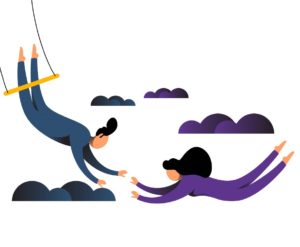
3- One of the most helpful factors is for the partner of someone who avoids intimacy to remain calm and capable of intimacy while lowering their expectations at that point. It is very important to give the other person space to meet their need for independence or safety. The person who avoids intimacy must also learn to accept discomfort, which is possible only when separation is considered acceptable. Certain points must be agreed upon. Again, both partners may need additional support to negotiate a safety net for the person who avoids intimacy.
4- Get used to intimacy.The expert onattachmentCarl Heinz BrischKarl Heinz Brischcalls for persistent self-observation and an exchange of feedback with the other partner. According to BrischBrisch, a person who fears and avoids intimacy must consciously and repeatedly experience that they will not be abandoned in a loving relationship. Eventually, exposure to new positive experiences will overcome the old fear. It may be more accurate to say that we can learn to handle our fears or discomfort instead of running from them. Some people may never completely overcome their fear of intimacy, but they will become stronger and more determined to stay.
5- Learn to calm yourself through meditation and relaxation exercises. To cope with the discomfort of intimacy or even the mere idea of commitment, you can sit and learn to observe your discomfort. Learn to sit without doing anything—or walk or wash the dishes, for example—and breathe calmly. By developing a daily habit of calming yourself, you create a way to soothe yourself when you begin to feel angry, want to criticize, or feel an urgent desire to escape the relationship.
Finally, there is no perfect solution for overcoming difficulties withattachment; not all of them are treatable. Nevertheless, most of us can confront and accept our fears, learn to cope with them and finally enjoy love. Just remember that you cannot change the other person. Each of us must take responsibility for ourselves and commit to finding and nurturing love. Choose wisely.
Content writer and researcher at Tatmeen, writing in Arabic and English on mental health and everyday life topics, including relationships, stress, work, habits, and family.
Every Tatmeen article is reviewed by care providers licensed by the Saudi Commission for Health Specialties, so what you read is accurate and trustworthy.
This article builds understanding and does not replace a licensed care provider.
Need someone to talk to?
Tatmeen's licensed care providers are available around the clock, and the app's urgent consultation connects you with one within minutes.
Download Tatmeen to explore care providers and booking options.
Smart matchingFour quick questions suggest the right care provider
Urgent consultationTalk to an available care provider within minutes
Free psychological measuresMore than 20 tests to understand how you are doing
Scan to download
{"data":{"id":"18671f0f-7820-4d4b-8942-a7f650448394","slug":"why_do_we_avoid_intimacy_while_craving_love","arTitle":"لماذا نتجنب الحميمية بينما نتلهف للحب؟","enTitle":"Why Do We Avoid Intimacy While Craving Love?","thumbnailAltText":"Two fishing hooks hold red hearts while small fish swim between them","estimatedReadingTime":5,"likesCount":1,"writer":{"id":"c7b27cce-cc91-45c8-9ba1-1d194830c654","arBio":"كاتبة وباحثة محتوى في تطمين، تكتب بالعربية والإنجليزية في موضوعات الصحة النفسية والحياة اليومية، بما يشمل العلاقات، الضغوط، العمل، العادات، والأسرة.","enBio":"Content writer and researcher at Tatmeen, writing in Arabic and English on mental health and everyday life topics, including relationships, stress, work, habits, and family.","user":{"slug":"alanoud-alturki","arFullName":"العنود التركي","enFullName":"Alanoud Alturki","publicProfileImageUrl":"https://cdn.tatmeen.sa/public/profile-images/78d20741-cf98-483e-9055-2f0ca0ab3bd5/4e190bf082a179be202f7a2618844e0dd134e14126b74d947c78eec35b7e390e.webp","publicProfileImage96Url":"https://cdn.tatmeen.sa/public/profile-images/78d20741-cf98-483e-9055-2f0ca0ab3bd5/4e190bf082a179be202f7a2618844e0dd134e14126b74d947c78eec35b7e390e-w96.webp","publicProfileImage192Url":"https://cdn.tatmeen.sa/public/profile-images/78d20741-cf98-483e-9055-2f0ca0ab3bd5/4e190bf082a179be202f7a2618844e0dd134e14126b74d947c78eec35b7e390e-w192.webp"}},"arContent":"","enContent":"","productionDocument":{"headings":[{"id":"article-section-five-ways-to-overcome-the-fear-of-love","text":"Five ways to overcome the fear of love"}],"faqs":[],"beforeSourcesHtml":"","sources":[],"afterSourcesHtml":"","blocks":[{"type":"html","html":"<h2 class=\"ql-align-right ql-direction-rtl\" id=\"article-section-five-ways-to-overcome-the-fear-of-love\" data-toc-heading tabindex=\"-1\"><span id=\"five-ways-to-overcome-the-fear-of-love-1\" aria-hidden=\"true\"></span><strong>Five ways to overcome the fear of love</strong></h2><p class=\"ql-align-right ql-direction-rtl\"> </p><p class=\"ql-align-right ql-direction-rtl\">Nearly all of us wish to be in a loving relationship, as social bonds are a fundamental component of happiness.</p><p class=\"ql-align-right ql-direction-rtl\">Loneliness is a deadly feeling, and the COVID-19 pandemic made matters worse. Yet COVID is only another excuse, while the underlying problem lies deep within us.</p><p class=\"ql-align-right ql-direction-rtl\">I can see this when I look back at myself in years past. Although I longed for love and intimacy, I always chose partners who were not ready or willing to enter a serious relationship, which invariably left me heartbroken. On one occasion, someone asked me the question that changed how I saw the issue: “<strong>Could it be that you yourself are not ready for an intimate relationship?</strong>” After thinking carefully about this possibility, I concluded that I really was<strong>avoiding intimacy by choosing unavailable partners—people with whom a relationship was impossible for one reason or another</strong>. Because I am a loving and compassionate person, it was difficult for me to see clearly the role I had played in those relationships. After reaching this conclusion, it took a great deal of time and considerable effort to understand why I avoided intimacy and, even more, to overcome my unconscious pattern.</p><p class=\"ql-align-right ql-direction-rtl\">German attachment expert Stefanie Stahl<strong>Stefanie Stahl </strong>writes in her book that there are three types of people who fear intimacy:<strong>the pursuer</strong>, <strong>the princess</strong>, and the uncooperative type:</p><p class=\"ql-align-right ql-direction-rtl\"><br /></p><p class=\"ql-align-right ql-direction-rtl\"><strong>The pursuer</strong> (<strong>—male or female—</strong>shows interest as long as they cannot have the</p><p class=\"ql-align-right ql-direction-rtl\"> potential partner. As soon as they have that partner, the pursuer becomes hard to reach. In every case, the pursuer maintains a safe distance that protects them from the threat of love.</p><p class=\"ql-align-right ql-direction-rtl\"> </p><p class=\"ql-align-right ql-direction-rtl\"><strong>The princess</strong> —and the prince—always find fault with the other person and eventually end the relationship.</p><p class=\"ql-align-right ql-direction-rtl\"> </p><p class=\"ql-align-right ql-direction-rtl\"><strong>The uncooperative type</strong>prefers to control intimacy and maintain distance from the other person by becoming excessively busy with work or absorbed in a time-consuming hobby.</p><p class=\"ql-align-right ql-direction-rtl\"> </p><p class=\"ql-align-right ql-direction-rtl\">Stahl<strong>Stahl</strong>also points to many other ways of escaping intimacy, such as infidelity, entering long-distance relationships—and I would add online relationships—cutting off communication and, of course, choosing an unavailable partner with whom a relationship is impossible for one reason or another. The last of these is a silent, indirect method that is difficult to recognize.</p><p class=\"ql-align-right ql-direction-rtl\">Many psychologists agree that avoiding intimacy stems from an unconscious fear of abandonment. In some way, a person who avoids intimacy has had powerful experiences that make the possibility of the same thing happening again feel extremely dangerous. People who avoid intimacy usually long for love like everyone else, only to make that love impossible either actively and directly or passively and indirectly. These powerful experiences establish an ingrained pattern for future behavior.</p><p class=\"ql-align-right ql-direction-rtl\">Some psychologists believe that attachment problems always result from a failure to form a secure bond with the primary caregiver during infancy and childhood—in other words, a betrayal of basic trust. Understandably, such early experiences leave an unconscious imprint on the mind.</p><p class=\"ql-align-right ql-direction-rtl\">Other psychologists believe that a person can undergo powerful experiences at any point while growing up. For example, an adolescent may associate intimacy with being exploited or smothered if they feel exploited by an emotionally needy mother or father.</p><p class=\"ql-align-right ql-direction-rtl\">Although we all need love, our need for independence may take control of our minds if we do not feel secure and stable within ourselves. Approaching the feeling of falling in love may trigger panic or agitation, leading us to destroy even the most promising relationships.</p><p class=\"ql-align-right ql-direction-rtl\"> </p><p class=\"ql-align-right ql-direction-rtl\"><strong>Is every relationship in which one partner has intimacy problems doomed to fail?</strong></p><p class=\"ql-align-right ql-direction-rtl\"> </p><p class=\"ql-align-right ql-direction-rtl\">Many experts believe that both partners can work together to overcome an unconscious fear of abandonment or becoming entangled in love. It all begins with:</p><p class=\"ql-align-right ql-direction-rtl\"> </p><p class=\"ql-align-right ql-direction-rtl\">1- <strong>Taking responsibility</strong>. Whether we actively push an intimate partner away or passively accept someone who pushes us away, we must acknowledge that the problem lies within us. We must recognize our own pattern. I hope it is clear without saying that taking responsibility never means accepting blame for abuse. Some people may need a therapist’s help to understand their pattern more fully.</p><p class=\"ql-align-right ql-direction-rtl\">2- <strong>Consider the fact that you can overcome old patterns of attachment and fear with new patterns of love and courage</strong>. We can learn how to love. It is never too late for love, as the human brain is designed for closeness.</p><p class=\"ql-align-right ql-direction-rtl\">3- <strong>One of the most helpful factors is for the partner of someone who avoids intimacy to remain calm and capable of intimacy while lowering their expectations at that point</strong>. It is very important to give the other person space to meet their need for independence or safety. The person who avoids intimacy must also learn to accept discomfort, which is possible only when separation is considered acceptable. Certain points must be agreed upon. Again, both partners may need additional support to negotiate a safety net for the person who avoids intimacy.</p><p class=\"ql-align-right ql-direction-rtl\"><br /></p><p class=\"ql-align-right ql-direction-rtl\"><img src=\"/images/blog-content/da1b9ae078a2d0e067c5d0e27aec0688afa12a472a451ae643cda318cdd39d78.jpeg\" loading=\"lazy\" width=\"300\" height=\"247\" decoding=\"async\" alt=\"\" /></p><p class=\"ql-align-right ql-direction-rtl\"><br /></p><p class=\"ql-align-right ql-direction-rtl\">4- <strong>Get used to intimacy.</strong>The expert on<strong>attachment</strong>Carl Heinz Brisch<strong>Karl Heinz Brisch</strong>calls for persistent self-observation and an exchange of feedback with the other partner. According to Brisch<strong>Brisch</strong>, a person who fears and avoids intimacy must consciously and repeatedly experience that they will not be abandoned in a loving relationship. Eventually, exposure to new positive experiences will overcome the old fear. It may be more accurate to say that we can learn to handle our fears or discomfort instead of running from them. Some people may never completely overcome their fear of intimacy, but they will become stronger and more determined to stay.</p><p class=\"ql-align-right ql-direction-rtl\">5- <strong>Learn to calm yourself through meditation and relaxation exercises</strong>. To cope with the discomfort of intimacy or even the mere idea of commitment, you can sit and learn to observe your discomfort. Learn to sit without doing anything—or walk or wash the dishes, for example—and breathe calmly. By developing a daily habit of calming yourself, you create a way to soothe yourself when you begin to feel angry, want to criticize, or feel an urgent desire to escape the relationship.</p><p class=\"ql-align-right ql-direction-rtl\"> </p><p class=\"ql-align-right ql-direction-rtl\">Finally, there is no perfect solution for overcoming difficulties with<strong>attachment</strong>; not all of them are treatable. Nevertheless, most of us can confront and accept our fears, learn to cope with them and finally enjoy love. Just remember that you cannot change the other person. Each of us must take responsibility for ourselves and commit to finding and nurturing love. Choose wisely.</p><p class=\"ql-align-right ql-direction-rtl\"><br /></p><p class=\"ql-align-right ql-direction-rtl\">Source: psychologytoday</p><p class=\"ql-align-right ql-direction-rtl\">https://www.psychologytoday.com/us/blog/a-unified-theory-of-happiness/202007/why-some-people-avoid-intimacy-even-if-they-want-love</p><p><br /></p>"}],"inlineCtaSignatures":[],"_experienceAliases":{"v":1,"fields":["html","bodyHtml"]}},"createdAt":"2023-12-31T21:00:00.000Z","updatedAt":"2026-08-11T04:45:02.303Z","disorderGroups":[{"id":"1e82772d-a1a7-4d29-b475-be9d6b67ae02","slug":"common-mental-issues","arName":"اضطرابات نفسية شائعة","enName":"Common Mental Issues"},{"id":"01b1a587-3584-435b-971a-c40ffce29802","slug":"family-and-marital-relations","arName":"العلاقات الأسرية والزوجية","enName":"Family & Marital Relations"}],"reviewer":{"arFullName":"فريق تطمين","enFullName":"Tatmeen team","slug":"tatmeen-team","kind":"organization"},"productionArticle":true,"promotionAllowed":true,"preparedCover":{"src":"https://cdn.tatmeen.sa/public/article-lcp/article-lcp-v2/sha256-3d39e91b27437940e54df3f86829ea382afddf80b1d792457cde451be81b7b82/300-0adef9638338c9382473fc3fe6b33a981ed961d0c54d0e46bcc68acd6e763e31.avif","fallback":"https://cdn.tatmeen.sa/public/article-lcp/article-lcp-v2/sha256-3d39e91b27437940e54df3f86829ea382afddf80b1d792457cde451be81b7b82/300-f3662b969282c0a5b96baec6c990f4dd2cef23f1b7f8a305853ac8a3c1f7dad6.webp","directUrl":"https://cdn.tatmeen.sa/blog-cover/1704123992888-jpg-maryam-3-300x250.jpeg","isGolden":true,"avifSrcset":"https://cdn.tatmeen.sa/public/article-lcp/article-lcp-v2/sha256-3d39e91b27437940e54df3f86829ea382afddf80b1d792457cde451be81b7b82/300-0adef9638338c9382473fc3fe6b33a981ed961d0c54d0e46bcc68acd6e763e31.avif 300w","webpSrcset":"https://cdn.tatmeen.sa/public/article-lcp/article-lcp-v2/sha256-3d39e91b27437940e54df3f86829ea382afddf80b1d792457cde451be81b7b82/300-f3662b969282c0a5b96baec6c990f4dd2cef23f1b7f8a305853ac8a3c1f7dad6.webp 300w","phoneAvifSrcset":"https://cdn.tatmeen.sa/public/article-lcp/article-lcp-v2/sha256-3d39e91b27437940e54df3f86829ea382afddf80b1d792457cde451be81b7b82/300-0adef9638338c9382473fc3fe6b33a981ed961d0c54d0e46bcc68acd6e763e31.avif 300w","phoneWebpSrcset":"https://cdn.tatmeen.sa/public/article-lcp/article-lcp-v2/sha256-3d39e91b27437940e54df3f86829ea382afddf80b1d792457cde451be81b7b82/300-f3662b969282c0a5b96baec6c990f4dd2cef23f1b7f8a305853ac8a3c1f7dad6.webp 300w","width":300,"height":250},"previewTaxonomy":{"groups":[{"id":"1e82772d-a1a7-4d29-b475-be9d6b67ae02","slug":"common-mental-issues","arName":"اضطرابات نفسية شائعة","enName":"Common Mental Issues"},{"id":"01b1a587-3584-435b-971a-c40ffce29802","slug":"family-and-marital-relations","arName":"العلاقات الأسرية والزوجية","enName":"Family & Marital Relations"}],"topics":[{"id":"50c2f23c-d5ee-4f58-9a90-db2b071c9bfb","slug":"unhealthy-attachment","arName":"التعلّق المرضي","enName":"Unhealthy Attachment","groupSlug":"common-mental-issues","href":"/blog/category/common-mental-issues/unhealthy-attachment/"}],"tags":[{"id":"510c3a96-f7ec-45f9-8077-9c7b673f089b","slug":"attachment-styles","arName":"أنماط التعلّق","enName":"Attachment Styles"},{"id":"c2a6e8d3-de9c-435f-8c95-9727e7db14cc","slug":"explainer-awareness","arName":"دليل توعوي / شرح","enName":"Explainer / Awareness Guide"}]},"previewProviderRecommendations":[{"id":"278d5ac5-30ff-46ad-97be-c67cdd125836","slug":"dr-mohammed-alamari-8085","arFullName":"د. محمد العماري","enFullName":"Dr. Mohammed Alamari","publicProfileImageUrl":"https://cdn.tatmeen.sa/public/profile-images/278d5ac5-30ff-46ad-97be-c67cdd125836/69bdd11cb01784eed010eb9883403fd6ca4e4afcec739dcd6114fd8b85f133a8.webp","publicProfileImage96Url":"https://cdn.tatmeen.sa/public/profile-images/278d5ac5-30ff-46ad-97be-c67cdd125836/69bdd11cb01784eed010eb9883403fd6ca4e4afcec739dcd6114fd8b85f133a8-w96.webp","publicProfileImage192Url":"https://cdn.tatmeen.sa/public/profile-images/278d5ac5-30ff-46ad-97be-c67cdd125836/69bdd11cb01784eed010eb9883403fd6ca4e4afcec739dcd6114fd8b85f133a8-w192.webp","specialization":{"arName":"طبيب أسرة","enName":"Family Physician"},"profileImageUrl":"https://cdn.tatmeen.sa/public/profile-images/278d5ac5-30ff-46ad-97be-c67cdd125836/69bdd11cb01784eed010eb9883403fd6ca4e4afcec739dcd6114fd8b85f133a8-w192.webp","experienceYears":3,"consultantInfo":{"averageRating":{"average":4},"specialization":{"arGeneralName":"طبيب أسرة","enGeneralName":"Family Physician"}}},{"id":"6df31339-a6f5-4131-a603-3a7c7a34c143","slug":"joud-alodhayyani-9014","arFullName":"جود العتيبي","enFullName":"Joud Alotaibi","publicProfileImageUrl":"https://cdn.tatmeen.sa/public/profile-images/6df31339-a6f5-4131-a603-3a7c7a34c143/7bb005ef9d4315296aad2a7d142fb2af2cf89920a40b474fc5139b9530269282.webp","publicProfileImage96Url":"https://cdn.tatmeen.sa/public/profile-images/6df31339-a6f5-4131-a603-3a7c7a34c143/7bb005ef9d4315296aad2a7d142fb2af2cf89920a40b474fc5139b9530269282-w96.webp","publicProfileImage192Url":"https://cdn.tatmeen.sa/public/profile-images/6df31339-a6f5-4131-a603-3a7c7a34c143/7bb005ef9d4315296aad2a7d142fb2af2cf89920a40b474fc5139b9530269282-w192.webp","specialization":{"arName":"أخصائي نفسي","enName":"Psychologist"},"profileImageUrl":"https://cdn.tatmeen.sa/public/profile-images/6df31339-a6f5-4131-a603-3a7c7a34c143/7bb005ef9d4315296aad2a7d142fb2af2cf89920a40b474fc5139b9530269282-w192.webp","experienceYears":2,"consultantInfo":{"averageRating":{"average":3.5},"specialization":{"arGeneralName":"أخصائي نفسي","enGeneralName":"Psychologist"}}},{"id":"5520abac-2d83-4b20-a11d-f63055316699","slug":"maha-alawad-4831","arFullName":"مها العواد","enFullName":"Maha Alawad","publicProfileImageUrl":"","publicProfileImage96Url":"","publicProfileImage192Url":"","specialization":{"arName":"أخصائي نفسي","enName":"Psychologist"},"profileImageUrl":"","experienceYears":13,"consultantInfo":{"averageRating":{"average":4.846153846153846},"specialization":{"arGeneralName":"أخصائي نفسي","enGeneralName":"Psychologist"}}}],"previewCareProviders":[{"id":"09364052-c2a9-4c52-9717-7ce2093b8d0a","slug":"kholoud-alharbi-5221","arFullName":"خلود الحربي","enFullName":"Kholoud Alharbi","publicProfileImageUrl":"https://cdn.tatmeen.sa/public/profile-images/09364052-c2a9-4c52-9717-7ce2093b8d0a/4a0aeb81619e351b77f4323e3605a0a00acc7ca3c82ee7cc5ca2c9e8ef716049.webp","publicProfileImage96Url":"https://cdn.tatmeen.sa/public/profile-images/09364052-c2a9-4c52-9717-7ce2093b8d0a/4a0aeb81619e351b77f4323e3605a0a00acc7ca3c82ee7cc5ca2c9e8ef716049-w96.webp","publicProfileImage192Url":"https://cdn.tatmeen.sa/public/profile-images/09364052-c2a9-4c52-9717-7ce2093b8d0a/4a0aeb81619e351b77f4323e3605a0a00acc7ca3c82ee7cc5ca2c9e8ef716049-w192.webp","gender":"FEMALE","specialization":{"arName":"أخصائي نفسي","enName":"Psychologist"}},{"id":"6f037535-1dca-4b50-a8b2-5974b7323286","slug":"salah-althobaiti-9053","arFullName":"صلاح الثبيتي","enFullName":"Salah Althobaiti","publicProfileImageUrl":"https://cdn.tatmeen.sa/public/profile-images/6f037535-1dca-4b50-a8b2-5974b7323286/35b6bd7fad9b1e004c1835803eb9c1b56dcacd380685ec8bff141f0fb888005c.webp","publicProfileImage96Url":"https://cdn.tatmeen.sa/public/profile-images/6f037535-1dca-4b50-a8b2-5974b7323286/35b6bd7fad9b1e004c1835803eb9c1b56dcacd380685ec8bff141f0fb888005c-w96.webp","publicProfileImage192Url":"https://cdn.tatmeen.sa/public/profile-images/6f037535-1dca-4b50-a8b2-5974b7323286/35b6bd7fad9b1e004c1835803eb9c1b56dcacd380685ec8bff141f0fb888005c-w192.webp","gender":"MALE","specialization":{"arName":"أخصائي نفسي","enName":"Psychologist"}},{"id":"3cc806e8-616b-4884-9f21-a75b378580a2","slug":"aisha-al-hashim-8667","arFullName":"عائشة ال هاشم","enFullName":"Aisha Al Hashim","publicProfileImageUrl":"https://cdn.tatmeen.sa/public/profile-images/3cc806e8-616b-4884-9f21-a75b378580a2/27f523d03be4dcfa1f6a79f70c1773887434e698990d214cd990caec56a44798.webp","publicProfileImage96Url":"https://cdn.tatmeen.sa/public/profile-images/3cc806e8-616b-4884-9f21-a75b378580a2/27f523d03be4dcfa1f6a79f70c1773887434e698990d214cd990caec56a44798-w96.webp","publicProfileImage192Url":"https://cdn.tatmeen.sa/public/profile-images/3cc806e8-616b-4884-9f21-a75b378580a2/27f523d03be4dcfa1f6a79f70c1773887434e698990d214cd990caec56a44798-w192.webp","gender":"FEMALE","specialization":{"arName":"أخصائي نفسي","enName":"Psychologist"}},{"id":"94765496-dbdf-4631-a01b-7df5f788668d","slug":"abdullrahman-alhamoudi-3045","arFullName":"عبدالرحمن الحمودي","enFullName":"Abdulrahman Alhamoudi","publicProfileImageUrl":"https://cdn.tatmeen.sa/public/profile-images/94765496-dbdf-4631-a01b-7df5f788668d/2d49f6b6493c564afb6f50b6c3634231dff3a5cf8353acfab393d1b2a88037d1.webp","publicProfileImage96Url":"https://cdn.tatmeen.sa/public/profile-images/94765496-dbdf-4631-a01b-7df5f788668d/2d49f6b6493c564afb6f50b6c3634231dff3a5cf8353acfab393d1b2a88037d1-w96.webp","publicProfileImage192Url":"https://cdn.tatmeen.sa/public/profile-images/94765496-dbdf-4631-a01b-7df5f788668d/2d49f6b6493c564afb6f50b6c3634231dff3a5cf8353acfab393d1b2a88037d1-w192.webp","gender":"MALE","specialization":{"arName":"أخصائي نفسي","enName":"Psychologist"}},{"id":"618dba89-5b70-4b46-8304-741b7ac8ecd3","slug":"abdullah-mari-1311","arFullName":"عبدالله مرعي","enFullName":"Abdullah Mari","publicProfileImageUrl":"https://cdn.tatmeen.sa/public/profile-images/618dba89-5b70-4b46-8304-741b7ac8ecd3/6b4a3bfb59f8a304ca79083b32859b46baad2e1d692974a47c02c1f66bd11129.webp","publicProfileImage96Url":"https://cdn.tatmeen.sa/public/profile-images/618dba89-5b70-4b46-8304-741b7ac8ecd3/6b4a3bfb59f8a304ca79083b32859b46baad2e1d692974a47c02c1f66bd11129-w96.webp","publicProfileImage192Url":"https://cdn.tatmeen.sa/public/profile-images/618dba89-5b70-4b46-8304-741b7ac8ecd3/6b4a3bfb59f8a304ca79083b32859b46baad2e1d692974a47c02c1f66bd11129-w192.webp","gender":"MALE","specialization":{"arName":"أخصائي نفسي","enName":"Psychologist"}},{"id":"d4ffcb6b-90a7-45b6-b941-964866f4564b","slug":"dhaifallah-alhumaidi-1092","arFullName":"ضيف الله الحميدي","enFullName":"Dhaifallah Alhumaidi","publicProfileImageUrl":"https://cdn.tatmeen.sa/public/profile-images/d4ffcb6b-90a7-45b6-b941-964866f4564b/1817171c5828a9b57d6c30d12332cf154e335272548bc90a6e8456d74d356956.webp","publicProfileImage96Url":"https://cdn.tatmeen.sa/public/profile-images/d4ffcb6b-90a7-45b6-b941-964866f4564b/1817171c5828a9b57d6c30d12332cf154e335272548bc90a6e8456d74d356956-w96.webp","publicProfileImage192Url":"https://cdn.tatmeen.sa/public/profile-images/d4ffcb6b-90a7-45b6-b941-964866f4564b/1817171c5828a9b57d6c30d12332cf154e335272548bc90a6e8456d74d356956-w192.webp","gender":"MALE","specialization":{"arName":"أخصائي نفسي","enName":"Psychologist"}},{"id":"d8fb937b-ad65-4b6f-a65b-276ad8258fed","slug":"azza-alharbi-7286","arFullName":"عزه الحربي","enFullName":"Azza Alharbi","publicProfileImageUrl":"https://cdn.tatmeen.sa/public/profile-images/d8fb937b-ad65-4b6f-a65b-276ad8258fed/378a8ab30f4087833263c41fb2c3102028cbe6bb9655172d7b3439ee1d6b0800.webp","publicProfileImage96Url":"https://cdn.tatmeen.sa/public/profile-images/d8fb937b-ad65-4b6f-a65b-276ad8258fed/378a8ab30f4087833263c41fb2c3102028cbe6bb9655172d7b3439ee1d6b0800-w96.webp","publicProfileImage192Url":"https://cdn.tatmeen.sa/public/profile-images/d8fb937b-ad65-4b6f-a65b-276ad8258fed/378a8ab30f4087833263c41fb2c3102028cbe6bb9655172d7b3439ee1d6b0800-w192.webp","gender":"FEMALE","specialization":{"arName":"أخصائي نفسي","enName":"Psychologist"}},{"id":"025d770d-f6d4-405b-be1c-d45dde63fbf7","slug":"akila-alomran-7545","arFullName":"عقيله العمران","enFullName":"Akila Alomran","publicProfileImageUrl":"https://cdn.tatmeen.sa/public/profile-images/025d770d-f6d4-405b-be1c-d45dde63fbf7/44a990b9294f02c9810c69a68b8913a6afac0eb30d1b7494155f31b6dde9378b.webp","publicProfileImage96Url":"https://cdn.tatmeen.sa/public/profile-images/025d770d-f6d4-405b-be1c-d45dde63fbf7/44a990b9294f02c9810c69a68b8913a6afac0eb30d1b7494155f31b6dde9378b-w96.webp","publicProfileImage192Url":"https://cdn.tatmeen.sa/public/profile-images/025d770d-f6d4-405b-be1c-d45dde63fbf7/44a990b9294f02c9810c69a68b8913a6afac0eb30d1b7494155f31b6dde9378b-w192.webp","gender":"FEMALE","specialization":{"arName":"أخصائي نفسي","enName":"Psychologist"}}],"previewDownload":{"href":"/download","title":{"ar":"خطوة واحدة لأجلك، ابدأ الآن","en":"One step for you, start now"},"description":{"ar":"حمّل تطبيق تطمين لاستكشاف مقدمي الرعاية وخيارات الحجز.","en":"Download Tatmeen to explore care providers and booking options."},"posterSrc":"/images/home/cta-ar-new-1.webp","videoSrc":"/images/home/cta-ar-new-1.mp4","videoPosterSrc":"/images/home/cta-ar-new-1.webp","videoPosterEnSrc":"/images/home/cta-en-new-1.webp","videoType":"video/mp4","appStoreHref":"https://apps.apple.com/us/app/tatmeen-%D8%AA%D8%B7%D9%85%D9%8A%D9%86/id6473836983","googlePlayHref":"https://play.google.com/store/apps/details?id=com.TatmeenApp.user&hl=en"},"previewRelatedArticles":[{"id":"9b3f1411-cbb5-430f-a430-6cc5ba9ec2a9","slug":"fearful-avoidant-attachment-roots-solutions","route":"/blog/fearful-avoidant-attachment-roots-solutions/","title":{"ar":"نمط التعلّق التجنّبي الخائف: فهم جذوره والبحث عن الحلول","en":"Fearful-Avoidant Attachment Style: Understanding Its Roots and Finding Solutions"},"image":"https://cdn.tatmeen.sa/public/article-lcp/article-lcp-v2/sha256-fed015c99dd20c16b82efcbc3ac4da5bf898f425b6ad5813709ae3be86ef1676/800-e1d316b3152f3b6c43544dbdba4d10af6fb963095e9dec57cef30004e52d1a9a.webp","directImageFallback":"https://cdn.tatmeen.sa/blog-cover/Tatmeen-1777737290741.webp","arThumbnailAltText":"Person reaching toward an outstretched hand but pulling back at the last second","thumbnailAltText":"Person reaching toward an outstretched hand but pulling back at the last second","topic":{"label":{"ar":"اضطرابات نفسية شائعة","en":"Common Mental Issues"}},"readingTimeMinutes":5},{"id":"a8e5648d-0d83-4bfb-b5db-a309f658d328","slug":"dismissive-avoidant-attachment-signs-change","route":"/blog/dismissive-avoidant-attachment-signs-change/","title":{"ar":"نمط التعلّق التجنّبي المُتحفِّظ: العلامات وطرق تغييره","en":"Dismissive-Avoidant Attachment Style: Signs and How to Change It"},"image":"https://cdn.tatmeen.sa/public/article-lcp/article-lcp-v2/sha256-69192dd217235c08fb0a9ed4fc034e38366095e2fa8609413c38a452ad895caa/800-c6a66c78051da58e39eddddcd9a31cd1c1b2f0dc63fb8a352eaf248e7a898c3c.webp","directImageFallback":"https://cdn.tatmeen.sa/blog-cover/Tatmeen-1777738043828.webp","arThumbnailAltText":"person sitting inside a transparent room while others are trying to reach out to him","thumbnailAltText":"person sitting inside a transparent room while others are trying to reach out to him","topic":{"label":{"ar":"اضطرابات نفسية شائعة","en":"Common Mental Issues"}},"readingTimeMinutes":5},{"id":"632e0968-cb63-4ef1-a052-8c790e6e2bc5","slug":"mother-wound-men-enmeshment-absent-maternal-support","route":"/blog/mother-wound-men-enmeshment-absent-maternal-support/","title":{"ar":"جرح الأم لدى الذكور: تجاوز التعلّق المفرط وغياب الدعم الأمومي","en":"Mother Wound in Men: Overcoming Enmeshment and Absent Maternal Support"},"image":"https://cdn.tatmeen.sa/public/article-lcp/article-lcp-v2/sha256-68d0d7ef8edfc686b975f67b48c9d891a461201ff20d77cc7accd90e77e42a50/800-49d012167fe993d1e567e50d73721181f9e23e16554b071e2fdc767f40dd1b09.webp","directImageFallback":"https://cdn.tatmeen.sa/blog-cover/Tatmeen-1777382972280.webp","arThumbnailAltText":"a man looking forward and behind him is the shadow of his mother","thumbnailAltText":"a man looking forward and behind him is the shadow of his mother","topic":{"label":{"ar":"اضطرابات نفسية شائعة","en":"Common Mental Issues"}},"readingTimeMinutes":5},{"id":"fbed0da6-bd28-49a8-bff1-cf0d893a6cfd","slug":"types-of-emotional-attachment","route":"/blog/types-of-emotional-attachment/","title":{"ar":"أنواع التعلق العاطفي وكيف تظهر في العلاقات","en":"Types of Emotional Attachment and How They Appear in Relationships"},"image":"https://cdn.tatmeen.sa/public/article-lcp/article-lcp-v1/sha256-05aadece4079ed4e8ea1042fc67b9d91af016b4228fd6868aa4c233140982824/800-fb702230fd6efbabc561cdb5fb3c708a76729c5fa604062df208d4227515b187.webp","directImageFallback":"https://cdn.tatmeen.sa/blog-cover/Tatmeen-1784222627029.webp","arThumbnailAltText":"Two people stand apart, tangled strings forming a split heart between them","thumbnailAltText":"Two people stand apart, tangled strings forming a split heart between them","topic":{"label":{"ar":"اضطرابات نفسية شائعة","en":"Common Mental Issues"}},"readingTimeMinutes":5}],"previewRelatedReadStates":{}},"locale":"en","device":"desktop","path":"/en/blog/why_do_we_avoid_intimacy_while_craving_love/","readingControls":false,"config":{"public":{"BUCKET_URL":"https://cdn.tatmeen.sa/","APP_BASE_URL":"https://tatmeen.sa","intercomAppId":"ppcnu9e3"}}}