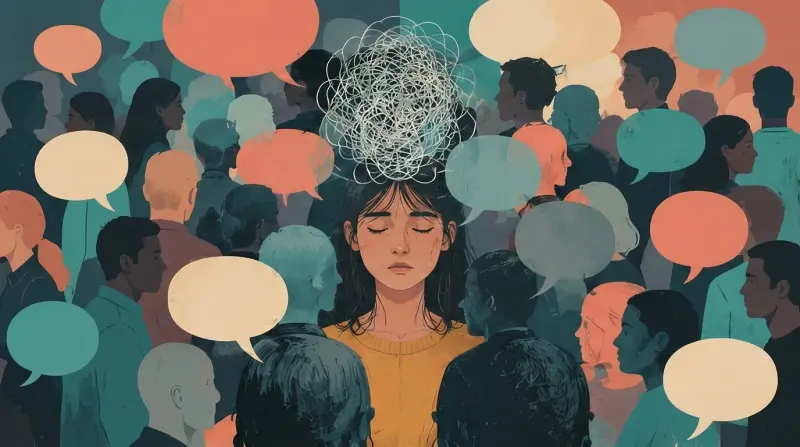
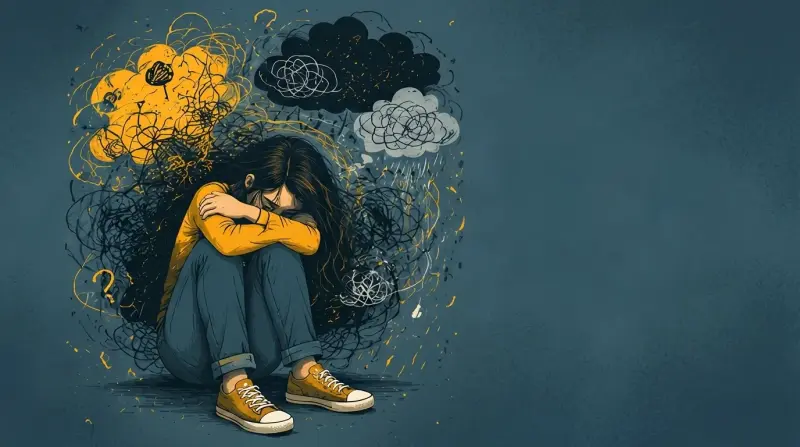
Social exhaustion is not a sign that you hate people. It is a signal that your psychological and physical energy may be overloaded by stimulation: lots of talking, noise, polite replies, reading expressions, and trying to show up in the right way. You may genuinely be social and still come back from an event feeling as if you spent your energy on details no one notices: attention, responses, smiling, and regulating yourself the whole time.
In a community full of obligations, this fatigue can become misunderstood. You may think you are not socially good enough, or others may think you are exaggerating, when the truth is that you need a smarter way to manage your energy. This article explains why social exhaustion happens, how it differs from shyness or social anxiety, and practical steps that help you show up without draining yourself.
Why Do You Get Tired of Gatherings Even If You Like People?
A gathering is not just a meeting. It is a chain of small details that demand continuous attention: reading faces, choosing the right words, being polite with people you love and people you do not know well, and answering repeated questions kindly. Sometimes the load grows because of noise, movement, or long duration, and sometimes because of emotional labor: appearing composed and respectful even when you are tired or anxious.
Personal factors can also make exhaustion happen faster. Some people need more time to regain energy after socializing, and those under work or home pressure may enter an event already near full. Even an outgoing person can burn out if gatherings repeat without real rest in between.
What Happens in the Body When Social Contact Lasts Too Long?
When conversations stretch out or move quickly, the brain may treat the situation like a multi-task job: attention, memory, response, and behavior regulation. This mental effort can raise stress and make the body more sensitive to noise, crowds, and bright lighting, so signs may appear like muscle tension, headaches, or a sudden desire for silence.
It helps to see exhaustion as a regulation signal, not a flaw. Simple calming skills may help the nervous system return to balance, such as slowing your breathing, noticing your senses, or taking a few quiet minutes away from the crowd.
Social Exhaustion or Social Anxiety? A Key Difference That Reduces Blame
Social exhaustion means you get tired from too much interaction even when the atmosphere is safe. You may enjoy yourself at first, then your energy gradually drops, and you need to withdraw, quiet down, or sleep. Social anxiety, however, is often tied to an intense fear of being judged or embarrassed. It may start days before the event and continue afterward as you replay what you said.
They can overlap: someone who fears others’ judgment may get depleted faster, or someone who is exhausted may feel embarrassed about excusing themselves, which increases tension. The important thing is not to judge yourself. Instead of asking, “Why am I like this?” try a kinder question: “What exactly drains me, and how can I arrange my presence in a way that respects my limits?” Sometimes a small adjustment in duration, place, or number of meetups makes your presence much lighter on your heart.
Signs Your Social Battery Is Near Zero
Exhaustion does not always hit all at once; sometimes it creeps in and grows. Watch for these signals:
A strong urge to be silent or leave, even with people you love
Quick irritability or heightened sensitivity to sounds and comments
Difficulty following the conversation, as if words pass without sticking
A heavy body feeling: headache, neck tension, or overall fatigue
A repeated thought: I just want to go home and close the door
If you catch these signs early, it is much easier to respond than waiting for a full shutdown.
Before the Event: Simple Preparation That Makes a Difference
Preparation is not indulgence or harshness. It is respect for limited energy. Choose a realistic goal: one or two hours instead of forcing yourself to stay until the end. If possible, prepare a short, respectful excuse in advance, such as: “Excuse me, I have an early commitment tomorrow and I need rest.” Having an exit plan can noticeably reduce stress.
Some people feel more comfortable when they create a small space for themselves inside the event: a quieter corner for a few minutes, one trusted person, or a short time-out every so often. The idea is not to isolate yourself from people, but to make your presence sustainable.
During the Event: Respectful Ways to Take Space
You do not need a long justification to breathe. You can choose a seat at the edge of the gathering to make movement easier, or step away for a few minutes to refill water or wash your face. If constant questions drain you, use warm, brief answers, then shift the focus back with a question: “And how are you?” This reduces pressure without sounding avoidant.
It also helps to watch your pace: frequent interruptions and loud talking may increase depletion. Lower your participation slightly, and allow yourself to listen more. Presence is not the number of words you say; it is the respect and good intention you carry.
After the Event: Recharging Without Extremes
When you get home, try a simple ritual that separates your social role from your personal time: change clothes, soften the lighting, take a warm shower, or sit in ten minutes of quiet without your phone. Do not add self-attack to your fatigue; it is okay if you were not the best version of yourself the whole time.
If exhaustion repeats intensely, begins limiting your relationships, work, or sleep, or you notice new or severe physical symptoms such as a persistent headache, chest pain, dizziness, fainting, or unexplained symptoms, start with an appropriate medical evaluation. If the psychological side feels heavier, mental-health support may help you understand the pattern and build clearer boundaries.
Finally…
Social exhaustion is a message that you need balance, not permanent withdrawal. When you deal with it consciously, gatherings can feel warmer and cost you less. If you notice it repeats intensely or starts limiting your life, you can download the Tatmeen app and book a suitable session with a licensed mental-health specialist who can help you understand your pattern and choose steps that fit you.
Frequently Asked Questions
Does social exhaustion mean I do not like people?
Not necessarily. You may love people and enjoy being with them, but your nervous energy runs out faster than others’ or is more affected by noise and long gatherings. Shorter duration and brief breaks help you keep the love without depletion.
How long does my body need to recover after a big event?
It varies by person and by the type of event. Some need a few quiet hours; others need a lighter day. Recovery is marked by your focus, mood, and readiness to connect returning. Try one night of good sleep and fewer stimulants.
How do I excuse myself from an event without guilt?
Use a short, sincere excuse without too many details: “I have a personal situation and I need rest, and I’d be happy to connect later.” Offer a simple alternative like a call or a short visit. Remember: a polite excuse protects your relationship more than showing up exhausted.
A writer and researcher specializing in psychiatry, she focuses on mental health and the human emotions we experience but cannot always find the words to name. She writes about us—about humanity and the human experience—and simplifies complex topics to offer content that helps us better understand ourselves and life, ultimately making us feel less alone.
Every Tatmeen article is reviewed by care providers licensed by the Saudi Commission for Health Specialties, so what you read is accurate and trustworthy.
This article builds understanding and does not replace a licensed care provider.
Need someone to talk to?
Tatmeen's licensed care providers are available around the clock, and the app's urgent consultation connects you with one within minutes.
Download Tatmeen to explore care providers and booking options.
Smart matchingFour quick questions suggest the right care provider
Urgent consultationTalk to an available care provider within minutes
Free psychological measuresMore than 20 tests to understand how you are doing
Scan to download
{"data":{"id":"11c6e1c9-26a6-43c0-8ee7-00bd83960447","slug":"social-exhaustion-events-recharge","arTitle":" الإرهاق الاجتماعي: لماذا تتعب من المناسبات وكيف تشحن طاقتك","enTitle":" Social Exhaustion: Why Events Drain You and How to Recharge","thumbnailAltText":"Overwhelmed person surrounded by chatter, with tangled thoughts symbolizing social exhaustion.","estimatedReadingTime":5,"likesCount":108,"writer":{"id":"3ab72b74-f26f-4337-9b47-3114b0f90de5","arBio":"كاتبة وباحثة متخصصة في مجال الطب النفسي، تهتم بموضوعات الصحة النفسية وبالمشاعر الإنسانية التي نختبرها ولا نجد دائمًا الكلمات لتسميتها. تكتب عنّا؛ عن الإنسان وتجربته، وتبسّط الموضوعات المعقّدة لتقدّم محتوى يساعدنا على فهم ذواتنا والحياة أكثر، ويجعلنا نشعر بأننا بوحدة أقل.","enBio":"A writer and researcher specializing in psychiatry, she focuses on mental health and the human emotions we experience but cannot always find the words to name. She writes about us—about humanity and the human experience—and simplifies complex topics to offer content that helps us better understand ourselves and life, ultimately making us feel less alone.","user":{"slug":"ayat-alnajar","arFullName":"آيات النجار","enFullName":"Ayat Al-Najjar","publicProfileImageUrl":"https://cdn.tatmeen.sa/public/profile-images/02384455-68fa-40b6-ad05-609fde65cafa/21b9a610dde5dfc6d37af110c23e9c7ab3946be080c281beb000debf4f7d31a6.webp","publicProfileImage96Url":"https://cdn.tatmeen.sa/public/profile-images/02384455-68fa-40b6-ad05-609fde65cafa/21b9a610dde5dfc6d37af110c23e9c7ab3946be080c281beb000debf4f7d31a6-w96.webp","publicProfileImage192Url":"https://cdn.tatmeen.sa/public/profile-images/02384455-68fa-40b6-ad05-609fde65cafa/21b9a610dde5dfc6d37af110c23e9c7ab3946be080c281beb000debf4f7d31a6-w192.webp"}},"arContent":"","enContent":"","productionDocument":{"headings":[{"id":"article-section-why-do-you-get-tired-of-gatherings-even-if-you-like-people","text":"Why Do You Get Tired of Gatherings Even If You Like People?"},{"id":"article-section-what-happens-in-the-body-when-social-contact-lasts-too-long","text":"What Happens in the Body When Social Contact Lasts Too Long?"},{"id":"article-section-social-exhaustion-or-social-anxiety-a-key-difference-that-reduces-blame","text":"Social Exhaustion or Social Anxiety? A Key Difference That Reduces Blame"},{"id":"article-section-signs-your-social-battery-is-near-zero","text":"Signs Your Social Battery Is Near Zero"},{"id":"article-section-before-the-event-simple-preparation-that-makes-a-difference","text":"Before the Event: Simple Preparation That Makes a Difference"},{"id":"article-section-during-the-event-respectful-ways-to-take-space","text":"During the Event: Respectful Ways to Take Space"},{"id":"article-section-after-the-event-recharging-without-extremes","text":"After the Event: Recharging Without Extremes"},{"id":"article-section-finally","text":"Finally…"}],"faqs":[{"question":"Does social exhaustion mean I do not like people?","answer":"<p><span style=\"color:#000000\">Not necessarily. You may love people and enjoy being with them, but your nervous energy runs out faster than others’ or is more affected by noise and long gatherings. Shorter duration and brief breaks help you keep the love without depletion.</span></p>"},{"question":"How long does my body need to recover after a big event?","answer":"<p><span style=\"color:#000000\">It varies by person and by the type of event. Some need a few quiet hours; others need a lighter day. Recovery is marked by your focus, mood, and readiness to connect returning. Try one night of good sleep and fewer stimulants.</span></p>"},{"question":"How do I excuse myself from an event without guilt?","answer":"<p><span style=\"color:#000000\">Use a short, sincere excuse without too many details: “I have a personal situation and I need rest, and I’d be happy to connect later.” Offer a simple alternative like a call or a short visit. Remember: a polite excuse protects your relationship more than showing up exhausted.</span></p>"}],"beforeSourcesHtml":"","sources":[{"title":"National Institute of Mental Health: Social Anxiety Disorder","href":"https://www.nimh.nih.gov/health/publications/social-anxiety-disorder-more-than-just-shyness","hostname":"nimh.nih.gov"},{"title":"Cleveland Clinic: Introvert vs. Extrovert","href":"https://health.clevelandclinic.org/introvert-vs-extrovert/","hostname":"health.clevelandclinic.org"},{"title":"Tatmeen: Download the App","href":"https://tatmeen.sa/download","hostname":"tatmeen.sa"}],"afterSourcesHtml":"","blocks":[{"type":"html","html":"<p><span style=\"color:#000000\">Social exhaustion is not a sign that you hate people. It is a signal that your psychological and physical energy may be overloaded by stimulation: lots of talking, noise, polite replies, reading expressions, and trying to show up in the right way. You may genuinely be social and still come back from an event feeling as if you spent your energy on details no one notices: attention, responses, smiling, and regulating yourself the whole time.</span></p><p><span style=\"color:#000000\">In a community full of obligations, this fatigue can become misunderstood. You may think you are not socially good enough, or others may think you are exaggerating, when the truth is that you need a smarter way to manage your energy. This article explains why social exhaustion happens, how it differs from shyness or social anxiety, and practical steps that help you show up without draining yourself.</span></p><h2 id=\"article-section-why-do-you-get-tired-of-gatherings-even-if-you-like-people\" data-toc-heading tabindex=\"-1\"><span id=\"why-do-you-get-tired-of-gatherings-even-if-you-like-people-1\" aria-hidden=\"true\"></span><span style=\"color:#000000\"><strong>Why Do You Get Tired of Gatherings Even If You Like People?</strong></span></h2><p><span style=\"color:#000000\">A gathering is not just a meeting. It is a chain of small details that demand continuous attention: reading faces, choosing the right words, being polite with people you love and people you do not know well, and answering repeated questions kindly. Sometimes the load grows because of noise, movement, or long duration, and sometimes because of emotional labor: appearing composed and respectful even when you are tired or anxious.</span></p><p><span style=\"color:#000000\">Personal factors can also make exhaustion happen faster. Some people need more time to regain energy after socializing, and those under work or home pressure may enter an event already near full. Even an outgoing person can burn out if gatherings repeat without real rest in between.</span></p><h2 id=\"article-section-what-happens-in-the-body-when-social-contact-lasts-too-long\" data-toc-heading tabindex=\"-1\"><span id=\"what-happens-in-the-body-when-social-contact-lasts-too-long-2\" aria-hidden=\"true\"></span><span style=\"color:#000000\"><strong>What Happens in the Body When Social Contact Lasts Too Long?</strong></span></h2><p><span style=\"color:#000000\">When conversations stretch out or move quickly, the brain may treat the situation like a multi-task job: attention, memory, response, and behavior regulation. This mental effort can raise stress and make the body more sensitive to noise, crowds, and bright lighting, so signs may appear like muscle tension, headaches, or a sudden desire for silence.</span></p><p><span style=\"color:#000000\">It helps to see exhaustion as a regulation signal, not a flaw. Simple calming skills may help the nervous system return to balance, such as slowing your breathing, noticing your senses, or taking a few quiet minutes away from the crowd.</span></p><h2 id=\"article-section-social-exhaustion-or-social-anxiety-a-key-difference-that-reduces-blame\" data-toc-heading tabindex=\"-1\"><span id=\"social-exhaustion-or-social-anxiety-a-key-difference-that-reduces-blame-3\" aria-hidden=\"true\"></span><span style=\"color:#000000\"><strong>Social Exhaustion or Social Anxiety? A Key Difference That Reduces Blame</strong></span></h2><p><span style=\"color:#000000\">Social exhaustion means you get tired from too much interaction even when the atmosphere is safe. You may enjoy yourself at first, then your energy gradually drops, and you need to withdraw, quiet down, or sleep. Social anxiety, however, is often tied to an intense fear of being judged or embarrassed. It may start days before the event and continue afterward as you replay what you said.</span></p><p><span style=\"color:#000000\">They can overlap: someone who fears others’ judgment may get depleted faster, or someone who is exhausted may feel embarrassed about excusing themselves, which increases tension. The important thing is not to judge yourself. Instead of asking, “Why am I like this?” try a kinder question: “What exactly drains me, and how can I arrange my presence in a way that respects my limits?” Sometimes a small adjustment in duration, place, or number of meetups makes your presence much lighter on your heart.</span></p><h2 id=\"article-section-signs-your-social-battery-is-near-zero\" data-toc-heading tabindex=\"-1\"><span id=\"signs-your-social-battery-is-near-zero-4\" aria-hidden=\"true\"></span><span style=\"color:#000000\"><strong>Signs Your Social Battery Is Near Zero</strong></span></h2><p><span style=\"color:#000000\">Exhaustion does not always hit all at once; sometimes it creeps in and grows. Watch for these signals:</span></p><ul><li><p><span style=\"color:#000000\">A strong urge to be silent or leave, even with people you love</span></p></li><li><p><span style=\"color:#000000\">Quick irritability or heightened sensitivity to sounds and comments</span></p></li><li><p><span style=\"color:#000000\">Difficulty following the conversation, as if words pass without sticking</span></p></li><li><p><span style=\"color:#000000\">A heavy body feeling: headache, neck tension, or overall fatigue</span></p></li><li><p><span style=\"color:#000000\">A repeated thought: I just want to go home and close the door</span></p></li></ul><p><span style=\"color:#000000\">If you catch these signs early, it is much easier to respond than waiting for a full shutdown.</span></p><h2 id=\"article-section-before-the-event-simple-preparation-that-makes-a-difference\" data-toc-heading tabindex=\"-1\"><span id=\"before-the-event-simple-preparation-that-makes-a-difference-5\" aria-hidden=\"true\"></span><span style=\"color:#000000\"><strong>Before the Event: Simple Preparation That Makes a Difference</strong></span></h2><p><span style=\"color:#000000\">Preparation is not indulgence or harshness. It is respect for limited energy. Choose a realistic goal: one or two hours instead of forcing yourself to stay until the end. If possible, prepare a short, respectful excuse in advance, such as: “Excuse me, I have an early commitment tomorrow and I need rest.” Having an exit plan can noticeably reduce stress.</span></p><p><span style=\"color:#000000\">Some people feel more comfortable when they create a small space for themselves inside the event: a quieter corner for a few minutes, one trusted person, or a short time-out every so often. The idea is not to isolate yourself from people, but to make your presence sustainable.</span></p><h2 id=\"article-section-during-the-event-respectful-ways-to-take-space\" data-toc-heading tabindex=\"-1\"><span id=\"during-the-event-respectful-ways-to-take-space-6\" aria-hidden=\"true\"></span><span style=\"color:#000000\"><strong>During the Event: Respectful Ways to Take Space</strong></span></h2><p><span style=\"color:#000000\">You do not need a long justification to breathe. You can choose a seat at the edge of the gathering to make movement easier, or step away for a few minutes to refill water or wash your face. If constant questions drain you, use warm, brief answers, then shift the focus back with a question: “And how are you?” This reduces pressure without sounding avoidant.</span></p><p><span style=\"color:#000000\">It also helps to watch your pace: frequent interruptions and loud talking may increase depletion. Lower your participation slightly, and allow yourself to listen more. Presence is not the number of words you say; it is the respect and good intention you carry.</span></p><h2 id=\"article-section-after-the-event-recharging-without-extremes\" data-toc-heading tabindex=\"-1\"><span id=\"after-the-event-recharging-without-extremes-7\" aria-hidden=\"true\"></span><span style=\"color:#000000\"><strong>After the Event: Recharging Without Extremes</strong></span></h2><p><span style=\"color:#000000\">When you get home, try a simple ritual that separates your social role from your personal time: change clothes, soften the lighting, take a warm shower, or sit in ten minutes of quiet without your phone. Do not add self-attack to your fatigue; it is okay if you were not the best version of yourself the whole time.</span></p><p><span style=\"color:#000000\">If exhaustion repeats intensely, begins limiting your relationships, work, or sleep, or you notice new or severe physical symptoms such as a persistent headache, chest pain, dizziness, fainting, or unexplained symptoms, start with an appropriate medical evaluation. If the psychological side feels heavier, mental-health support may help you understand the pattern and build clearer boundaries.</span></p><h2 id=\"article-section-finally\" data-toc-heading tabindex=\"-1\"><span id=\"finally-8\" aria-hidden=\"true\"></span><span style=\"color:#000000\"><strong>Finally…</strong></span></h2><p><span style=\"color:#000000\">Social exhaustion is a message that you need balance, not permanent withdrawal. When you deal with it consciously, gatherings can feel warmer and cost you less. If you notice it repeats intensely or starts limiting your life, you can </span><a href=\"https://tatmeen.sa/download/\"><span style=\"color:#1155cc\"><u>download the Tatmeen app and book a suitable session</u></span></a><span style=\"color:#000000\"> with a licensed mental-health specialist who can help you understand your pattern and choose steps that fit you.</span></p>"}],"inlineCtaSignatures":[],"_experienceAliases":{"v":1,"fields":["html","bodyHtml"],"faqs":[0,1,2]}},"createdAt":"2026-06-14T21:00:00.000Z","updatedAt":"2026-06-22T17:02:44.418Z","disorderGroups":[{"id":"4499a52a-06f8-4022-a64d-304e5eca51cc","slug":"life-challenges-and-stress","arName":"تحديات الحياة والضغوط","enName":"Life Challenges & Stress"},{"id":"d807ea69-44d4-4e81-bee4-0a059fd36645","slug":"self-development","arName":"تنمية الذات","enName":"Self-Development"}],"reviewer":{"arFullName":"فريق تطمين","enFullName":"Tatmeen team","slug":"tatmeen-team","kind":"organization"},"productionArticle":true,"promotionAllowed":true,"preparedCover":{"src":"https://cdn.tatmeen.sa/public/article-lcp/article-lcp-v2/sha256-de96123a92b703a4acfda902ee0eedf68fc80de8a30d705d9e000d382a9af9be/800-29e8c48933e4b70f17c25fa9e921a53342b6d34d29e86a6f73d7d6ceef3c8210.avif","fallback":"https://cdn.tatmeen.sa/public/article-lcp/article-lcp-v2/sha256-de96123a92b703a4acfda902ee0eedf68fc80de8a30d705d9e000d382a9af9be/800-57059325ea6d787dc99400da17df79ec2a2708c8ecc6a4f9ba9946519880bd85.webp","directUrl":"https://cdn.tatmeen.sa/blog-cover/Tatmeen-1781545984113.webp","isGolden":true,"avifSrcset":"https://cdn.tatmeen.sa/public/article-lcp/article-lcp-v2/sha256-de96123a92b703a4acfda902ee0eedf68fc80de8a30d705d9e000d382a9af9be/400-1e6ce5f3089069a72c3e4d5eb3763ea33572ce0bbe634a900174ed29e0999606.avif 400w, https://cdn.tatmeen.sa/public/article-lcp/article-lcp-v2/sha256-de96123a92b703a4acfda902ee0eedf68fc80de8a30d705d9e000d382a9af9be/640-04294348a2ca0552e6835b98986f3ef960266f0c42f35cf9c322eb05813bd75c.avif 640w, https://cdn.tatmeen.sa/public/article-lcp/article-lcp-v2/sha256-de96123a92b703a4acfda902ee0eedf68fc80de8a30d705d9e000d382a9af9be/800-29e8c48933e4b70f17c25fa9e921a53342b6d34d29e86a6f73d7d6ceef3c8210.avif 800w, https://cdn.tatmeen.sa/public/article-lcp/article-lcp-v2/sha256-de96123a92b703a4acfda902ee0eedf68fc80de8a30d705d9e000d382a9af9be/1200-eeeae8e484a34ae1f3774089f4f3b75a44743dca9413c2b946adc85ba3688cd4.avif 1200w","webpSrcset":"https://cdn.tatmeen.sa/public/article-lcp/article-lcp-v2/sha256-de96123a92b703a4acfda902ee0eedf68fc80de8a30d705d9e000d382a9af9be/400-cfcf4cfd7158039c8ef31dd9246a4519e0ca4ebce4b592c1a694c8251b0c9f57.webp 400w, https://cdn.tatmeen.sa/public/article-lcp/article-lcp-v2/sha256-de96123a92b703a4acfda902ee0eedf68fc80de8a30d705d9e000d382a9af9be/640-3544eecb30d019b2abff179f5941b3660266d429a35157c29e30f05310d63d90.webp 640w, https://cdn.tatmeen.sa/public/article-lcp/article-lcp-v2/sha256-de96123a92b703a4acfda902ee0eedf68fc80de8a30d705d9e000d382a9af9be/800-57059325ea6d787dc99400da17df79ec2a2708c8ecc6a4f9ba9946519880bd85.webp 800w, https://cdn.tatmeen.sa/public/article-lcp/article-lcp-v2/sha256-de96123a92b703a4acfda902ee0eedf68fc80de8a30d705d9e000d382a9af9be/1200-de810244fc61d8a61795b07a82da2059f4f5a2d355a35a060c2bd2c257365784.webp 1200w","phoneAvifSrcset":"https://cdn.tatmeen.sa/public/article-lcp/article-lcp-v2/sha256-de96123a92b703a4acfda902ee0eedf68fc80de8a30d705d9e000d382a9af9be/400-1e6ce5f3089069a72c3e4d5eb3763ea33572ce0bbe634a900174ed29e0999606.avif 400w, https://cdn.tatmeen.sa/public/article-lcp/article-lcp-v2/sha256-de96123a92b703a4acfda902ee0eedf68fc80de8a30d705d9e000d382a9af9be/640-04294348a2ca0552e6835b98986f3ef960266f0c42f35cf9c322eb05813bd75c.avif 640w, https://cdn.tatmeen.sa/public/article-lcp/article-lcp-v2/sha256-de96123a92b703a4acfda902ee0eedf68fc80de8a30d705d9e000d382a9af9be/800-29e8c48933e4b70f17c25fa9e921a53342b6d34d29e86a6f73d7d6ceef3c8210.avif 800w","phoneWebpSrcset":"https://cdn.tatmeen.sa/public/article-lcp/article-lcp-v2/sha256-de96123a92b703a4acfda902ee0eedf68fc80de8a30d705d9e000d382a9af9be/400-cfcf4cfd7158039c8ef31dd9246a4519e0ca4ebce4b592c1a694c8251b0c9f57.webp 400w, https://cdn.tatmeen.sa/public/article-lcp/article-lcp-v2/sha256-de96123a92b703a4acfda902ee0eedf68fc80de8a30d705d9e000d382a9af9be/640-3544eecb30d019b2abff179f5941b3660266d429a35157c29e30f05310d63d90.webp 640w, https://cdn.tatmeen.sa/public/article-lcp/article-lcp-v2/sha256-de96123a92b703a4acfda902ee0eedf68fc80de8a30d705d9e000d382a9af9be/800-57059325ea6d787dc99400da17df79ec2a2708c8ecc6a4f9ba9946519880bd85.webp 800w","width":800,"height":447},"previewTaxonomy":{"groups":[{"id":"4499a52a-06f8-4022-a64d-304e5eca51cc","slug":"life-challenges-and-stress","arName":"تحديات الحياة والضغوط","enName":"Life Challenges & Stress"},{"id":"d807ea69-44d4-4e81-bee4-0a059fd36645","slug":"self-development","arName":"تنمية الذات","enName":"Self-Development"}],"topics":[{"id":"785d9b22-1cd8-4f1a-a300-5170c1348b2f","slug":"setting-boundaries","arName":"وضع حدود شخصية","enName":"Setting Boundaries","groupSlug":"self-development","href":"/blog/category/self-development/setting-boundaries/"}],"tags":[{"id":"9d6e68c1-9bb5-4364-a082-963aaf55f77f","slug":"burnout-stress","arName":"الاحتراق والإرهاق والضغط النفسي","enName":"Burnout Fatigue & Stress"},{"id":"8a0fb107-70be-4b59-95ba-057ee59d6d2d","slug":"nervous-system-regulation","arName":"الجهاز العصبي وتنظيمه","enName":"Nervous System & Regulation"},{"id":"d58e6187-021b-44a5-882c-245bccd77611","slug":"self-help-howto","arName":"مساعدة ذاتية / خطوات عملية","enName":"Self-Help / How-To"}]},"previewProviderRecommendations":[{"id":"7771d078-cbd9-4acd-aa51-29cc905753c4","slug":"hatim-jafaari-2902","arFullName":"حاتم جعفرى","enFullName":"Hatim Jafaari","publicProfileImageUrl":"https://cdn.tatmeen.sa/public/profile-images/7771d078-cbd9-4acd-aa51-29cc905753c4/874a489ca72b87dacbde76d8496eef84ca341ee8074b9ec54464cd0a56bbdbe6.webp","publicProfileImage96Url":"https://cdn.tatmeen.sa/public/profile-images/7771d078-cbd9-4acd-aa51-29cc905753c4/874a489ca72b87dacbde76d8496eef84ca341ee8074b9ec54464cd0a56bbdbe6-w96.webp","publicProfileImage192Url":"https://cdn.tatmeen.sa/public/profile-images/7771d078-cbd9-4acd-aa51-29cc905753c4/874a489ca72b87dacbde76d8496eef84ca341ee8074b9ec54464cd0a56bbdbe6-w192.webp","specialization":{"arName":"أخصائي نفسي","enName":"Psychologist"},"profileImageUrl":"https://cdn.tatmeen.sa/public/profile-images/7771d078-cbd9-4acd-aa51-29cc905753c4/874a489ca72b87dacbde76d8496eef84ca341ee8074b9ec54464cd0a56bbdbe6-w192.webp","experienceYears":2,"consultantInfo":{"averageRating":{"average":5},"specialization":{"arGeneralName":"أخصائي نفسي","enGeneralName":"Psychologist"}}},{"id":"5520abac-2d83-4b20-a11d-f63055316699","slug":"maha-alawad-4831","arFullName":"مها العواد","enFullName":"Maha Alawad","publicProfileImageUrl":"","publicProfileImage96Url":"","publicProfileImage192Url":"","specialization":{"arName":"أخصائي نفسي","enName":"Psychologist"},"profileImageUrl":"","experienceYears":13,"consultantInfo":{"averageRating":{"average":4.846153846153846},"specialization":{"arGeneralName":"أخصائي نفسي","enGeneralName":"Psychologist"}}},{"id":"a4a1f8a4-87a7-4447-8667-0bbf3fae006a","slug":"ghadah-alghamdi-2904","arFullName":"غاده الغامدي","enFullName":"Ghadah Alghamdi","publicProfileImageUrl":"","publicProfileImage96Url":"","publicProfileImage192Url":"","specialization":{"arName":"أخصائي نفسي","enName":"Psychologist"},"profileImageUrl":"","experienceYears":18,"consultantInfo":{"averageRating":{"average":0},"specialization":{"arGeneralName":"أخصائي نفسي","enGeneralName":"Psychologist"}}}],"previewCareProviders":[{"id":"09364052-c2a9-4c52-9717-7ce2093b8d0a","slug":"kholoud-alharbi-5221","arFullName":"خلود الحربي","enFullName":"Kholoud Alharbi","publicProfileImageUrl":"https://cdn.tatmeen.sa/public/profile-images/09364052-c2a9-4c52-9717-7ce2093b8d0a/4a0aeb81619e351b77f4323e3605a0a00acc7ca3c82ee7cc5ca2c9e8ef716049.webp","publicProfileImage96Url":"https://cdn.tatmeen.sa/public/profile-images/09364052-c2a9-4c52-9717-7ce2093b8d0a/4a0aeb81619e351b77f4323e3605a0a00acc7ca3c82ee7cc5ca2c9e8ef716049-w96.webp","publicProfileImage192Url":"https://cdn.tatmeen.sa/public/profile-images/09364052-c2a9-4c52-9717-7ce2093b8d0a/4a0aeb81619e351b77f4323e3605a0a00acc7ca3c82ee7cc5ca2c9e8ef716049-w192.webp","gender":"FEMALE","specialization":{"arName":"أخصائي نفسي","enName":"Psychologist"}},{"id":"6f037535-1dca-4b50-a8b2-5974b7323286","slug":"salah-althobaiti-9053","arFullName":"صلاح الثبيتي","enFullName":"Salah Althobaiti","publicProfileImageUrl":"https://cdn.tatmeen.sa/public/profile-images/6f037535-1dca-4b50-a8b2-5974b7323286/35b6bd7fad9b1e004c1835803eb9c1b56dcacd380685ec8bff141f0fb888005c.webp","publicProfileImage96Url":"https://cdn.tatmeen.sa/public/profile-images/6f037535-1dca-4b50-a8b2-5974b7323286/35b6bd7fad9b1e004c1835803eb9c1b56dcacd380685ec8bff141f0fb888005c-w96.webp","publicProfileImage192Url":"https://cdn.tatmeen.sa/public/profile-images/6f037535-1dca-4b50-a8b2-5974b7323286/35b6bd7fad9b1e004c1835803eb9c1b56dcacd380685ec8bff141f0fb888005c-w192.webp","gender":"MALE","specialization":{"arName":"أخصائي نفسي","enName":"Psychologist"}},{"id":"3cc806e8-616b-4884-9f21-a75b378580a2","slug":"aisha-al-hashim-8667","arFullName":"عائشة ال هاشم","enFullName":"Aisha Al Hashim","publicProfileImageUrl":"https://cdn.tatmeen.sa/public/profile-images/3cc806e8-616b-4884-9f21-a75b378580a2/27f523d03be4dcfa1f6a79f70c1773887434e698990d214cd990caec56a44798.webp","publicProfileImage96Url":"https://cdn.tatmeen.sa/public/profile-images/3cc806e8-616b-4884-9f21-a75b378580a2/27f523d03be4dcfa1f6a79f70c1773887434e698990d214cd990caec56a44798-w96.webp","publicProfileImage192Url":"https://cdn.tatmeen.sa/public/profile-images/3cc806e8-616b-4884-9f21-a75b378580a2/27f523d03be4dcfa1f6a79f70c1773887434e698990d214cd990caec56a44798-w192.webp","gender":"FEMALE","specialization":{"arName":"أخصائي نفسي","enName":"Psychologist"}},{"id":"db2ce1a0-9325-4471-b7ce-eb2e811c30a3","slug":"amer-qutub-2441","arFullName":"عامر قطب","enFullName":"Amer Qutub","publicProfileImageUrl":"https://cdn.tatmeen.sa/public/profile-images/db2ce1a0-9325-4471-b7ce-eb2e811c30a3/80580f99bfd7fe2b2a9cf8eed73ab532f5086d1efe053b0aa57358c1ce004261.webp","publicProfileImage96Url":"https://cdn.tatmeen.sa/public/profile-images/db2ce1a0-9325-4471-b7ce-eb2e811c30a3/80580f99bfd7fe2b2a9cf8eed73ab532f5086d1efe053b0aa57358c1ce004261-w96.webp","publicProfileImage192Url":"https://cdn.tatmeen.sa/public/profile-images/db2ce1a0-9325-4471-b7ce-eb2e811c30a3/80580f99bfd7fe2b2a9cf8eed73ab532f5086d1efe053b0aa57358c1ce004261-w192.webp","gender":"MALE","specialization":{"arName":"أخصائي نفسي","enName":"Psychologist"}},{"id":"94765496-dbdf-4631-a01b-7df5f788668d","slug":"abdullrahman-alhamoudi-3045","arFullName":"عبدالرحمن الحمودي","enFullName":"Abdulrahman Alhamoudi","publicProfileImageUrl":"https://cdn.tatmeen.sa/public/profile-images/94765496-dbdf-4631-a01b-7df5f788668d/2d49f6b6493c564afb6f50b6c3634231dff3a5cf8353acfab393d1b2a88037d1.webp","publicProfileImage96Url":"https://cdn.tatmeen.sa/public/profile-images/94765496-dbdf-4631-a01b-7df5f788668d/2d49f6b6493c564afb6f50b6c3634231dff3a5cf8353acfab393d1b2a88037d1-w96.webp","publicProfileImage192Url":"https://cdn.tatmeen.sa/public/profile-images/94765496-dbdf-4631-a01b-7df5f788668d/2d49f6b6493c564afb6f50b6c3634231dff3a5cf8353acfab393d1b2a88037d1-w192.webp","gender":"MALE","specialization":{"arName":"أخصائي نفسي","enName":"Psychologist"}},{"id":"618dba89-5b70-4b46-8304-741b7ac8ecd3","slug":"abdullah-mari-1311","arFullName":"عبدالله مرعي","enFullName":"Abdullah Mari","publicProfileImageUrl":"https://cdn.tatmeen.sa/public/profile-images/618dba89-5b70-4b46-8304-741b7ac8ecd3/6b4a3bfb59f8a304ca79083b32859b46baad2e1d692974a47c02c1f66bd11129.webp","publicProfileImage96Url":"https://cdn.tatmeen.sa/public/profile-images/618dba89-5b70-4b46-8304-741b7ac8ecd3/6b4a3bfb59f8a304ca79083b32859b46baad2e1d692974a47c02c1f66bd11129-w96.webp","publicProfileImage192Url":"https://cdn.tatmeen.sa/public/profile-images/618dba89-5b70-4b46-8304-741b7ac8ecd3/6b4a3bfb59f8a304ca79083b32859b46baad2e1d692974a47c02c1f66bd11129-w192.webp","gender":"MALE","specialization":{"arName":"أخصائي نفسي","enName":"Psychologist"}},{"id":"3b50a5d5-e795-407f-8676-fd7f0e1bb7a0","slug":"abdulaziz-bin-hudayan-4940","arFullName":"عبدالعزيز بن هديان","enFullName":"Abdulaziz Bin Hudayan","publicProfileImageUrl":"https://cdn.tatmeen.sa/public/profile-images/3b50a5d5-e795-407f-8676-fd7f0e1bb7a0/710ff0fe1fb00cdb5042092e27b7910b480a439b02251ecded62d7758eefce95.webp","publicProfileImage96Url":"https://cdn.tatmeen.sa/public/profile-images/3b50a5d5-e795-407f-8676-fd7f0e1bb7a0/710ff0fe1fb00cdb5042092e27b7910b480a439b02251ecded62d7758eefce95-w96.webp","publicProfileImage192Url":"https://cdn.tatmeen.sa/public/profile-images/3b50a5d5-e795-407f-8676-fd7f0e1bb7a0/710ff0fe1fb00cdb5042092e27b7910b480a439b02251ecded62d7758eefce95-w192.webp","gender":"MALE","specialization":{"arName":"أخصائي نفسي","enName":"Psychologist"}},{"id":"d4ffcb6b-90a7-45b6-b941-964866f4564b","slug":"dhaifallah-alhumaidi-1092","arFullName":"ضيف الله الحميدي","enFullName":"Dhaifallah Alhumaidi","publicProfileImageUrl":"https://cdn.tatmeen.sa/public/profile-images/d4ffcb6b-90a7-45b6-b941-964866f4564b/1817171c5828a9b57d6c30d12332cf154e335272548bc90a6e8456d74d356956.webp","publicProfileImage96Url":"https://cdn.tatmeen.sa/public/profile-images/d4ffcb6b-90a7-45b6-b941-964866f4564b/1817171c5828a9b57d6c30d12332cf154e335272548bc90a6e8456d74d356956-w96.webp","publicProfileImage192Url":"https://cdn.tatmeen.sa/public/profile-images/d4ffcb6b-90a7-45b6-b941-964866f4564b/1817171c5828a9b57d6c30d12332cf154e335272548bc90a6e8456d74d356956-w192.webp","gender":"MALE","specialization":{"arName":"أخصائي نفسي","enName":"Psychologist"}}],"previewDownload":{"href":"/download","title":{"ar":"خطوة واحدة لأجلك، ابدأ الآن","en":"One step for you, start now"},"description":{"ar":"حمّل تطبيق تطمين لاستكشاف مقدمي الرعاية وخيارات الحجز.","en":"Download Tatmeen to explore care providers and booking options."},"posterSrc":"/images/home/cta-ar-new-1.webp","videoSrc":"/images/home/cta-ar-new-1.mp4","videoPosterSrc":"/images/home/cta-ar-new-1.webp","videoPosterEnSrc":"/images/home/cta-en-new-1.webp","videoType":"video/mp4","appStoreHref":"https://apps.apple.com/us/app/tatmeen-%D8%AA%D8%B7%D9%85%D9%8A%D9%86/id6473836983","googlePlayHref":"https://play.google.com/store/apps/details?id=com.TatmeenApp.user&hl=en"},"previewRelatedArticles":[{"id":"c0724b49-f122-40fe-b313-b3843e493986","slug":"When-is-talk-therapy-used","route":"/blog/When-is-talk-therapy-used/","title":{"ar":"هل العلاج النفسي ضروري في حياتنا؟","en":"Is Psychotherapy Necessary in Our Lives?"},"image":"https://cdn.tatmeen.sa/public/article-lcp/article-lcp-v2/sha256-dc5c81316fa422fede5cf3bb187aec9aef3ee4d55a8a64ad2ddd2c1c631c91b7/800-e450da8380fb1328dec604d7479b25bf2989c5b3e0b2d0783375442061e05e30.webp","directImageFallback":"https://cdn.tatmeen.sa/blog-cover/Tatmeen-1782926294893.webp","arThumbnailAltText":"Two women in a calm, cozy therapy session, seated across from each other in soft natural light.","thumbnailAltText":"Two women in a calm, cozy therapy session, seated across from each other in soft natural light.","topic":{"label":{"ar":"اضطرابات نفسية شائعة","en":"Common Mental Issues"}},"readingTimeMinutes":5},{"id":"a7b62173-1789-46bf-a7ce-f440f8a811b1","slug":"psychologically-shattered-when-to-seek-help","route":"/blog/psychologically-shattered-when-to-seek-help/","title":{"ar":"هل تشعر أنك مدمر نفسيًا وتحتاج إلى المساعدة؟","en":"Do You Feel Psychologically Shattered and in Need of Help?"},"image":"https://cdn.tatmeen.sa/public/article-lcp/article-lcp-v2/sha256-d7dcaa60188f389a65e1bce5c02e26f792f6822cdb952d88f177fa0d6b4ccd84/800-cd8aa8b15efa341d1ea33a7a5bb6aa43fb9b1d017372d6afefe8ebac2204a406.webp","directImageFallback":"https://cdn.tatmeen.sa/blog-cover/Tatmeen-1783442237081.webp","arThumbnailAltText":"Person curled up, surrounded by chaotic scribbles and storm-like thoughts closing in","thumbnailAltText":"Person curled up, surrounded by chaotic scribbles and storm-like thoughts closing in","topic":{"label":{"ar":"اضطرابات نفسية شائعة","en":"Common Mental Issues"}},"readingTimeMinutes":5},{"id":"af904b56-631b-40d5-8a89-c6abf387235a","slug":"How-to-treat-anxiety-and-fear","route":"/blog/How-to-treat-anxiety-and-fear/","title":{"ar":"كيفية علاج القلق والخوف؟","en":"How to Treat Anxiety and Fear"},"image":"https://cdn.tatmeen.sa/public/article-lcp/article-lcp-v2/sha256-931de9b7b43c4633adaec24c0c8cf9efb725ada1d97ffc76d1aef5e51d9e139f/630-ac596fd9d80670a5122493befe493613483a9038c4cf168208d84bab6de3440b.webp","directImageFallback":"https://cdn.tatmeen.sa/blog-cover/1704726770215-Tatmeen-img-812","arThumbnailAltText":"Person grips their hair with both hands and looks ahead with wide eyes","thumbnailAltText":"Person grips their hair with both hands and looks ahead with wide eyes","topic":{"label":{"ar":"اضطرابات نفسية شائعة","en":"Common Mental Issues"}},"readingTimeMinutes":5},{"id":"0301e07e-6c8b-4f00-abc2-599192644e12","slug":"difference-between-psychotherapist-and-life-coach","route":"/blog/difference-between-psychotherapist-and-life-coach/","title":{"ar":"الفرق بين المعالج النفسي واللايف كوتش","en":"The Difference Between a Psychotherapist and a Life Coach"},"image":"https://cdn.tatmeen.sa/public/article-lcp/article-lcp-v2/sha256-ab7b0f7151c048b72b2dbef25adfc9193ed7d948b07dfab7fde23681c35dd11b/800-172b8668e37dfd0e109e7b49bf8ac2dcd07ddd4ffddd8ab7e00b690fdfc002b3.webp","directImageFallback":"https://cdn.tatmeen.sa/blog-cover/Tatmeen-1783100322572.webp","arThumbnailAltText":"Two women sit facing each other as blue chaos transforms into warm, calm growth","thumbnailAltText":"Two women sit facing each other as blue chaos transforms into warm, calm growth","topic":{"label":{"ar":"اضطرابات نفسية شائعة","en":"Common Mental Issues"}},"readingTimeMinutes":5}],"previewRelatedReadStates":{}},"locale":"en","device":"desktop","path":"/en/blog/social-exhaustion-events-recharge/","readingControls":false,"config":{"public":{"BUCKET_URL":"https://cdn.tatmeen.sa/","APP_BASE_URL":"https://tatmeen.sa","intercomAppId":"ppcnu9e3"}}}