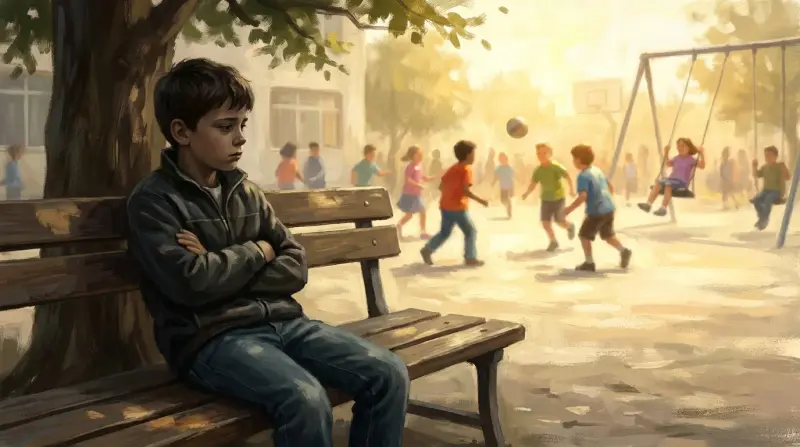
Cyberbullying can reach your child while they’re safe in their own room, hurting them with words that leave no bruise yet can leave a long-lasting mark on the inside. They may laugh in front of you as if everything is fine, while inside they carry fear or shame from hurtful messages or public mockery that pushes them into silence. Bullying is not the child’s fault, and the first goal is safety, not punishment. This guide helps you understand the picture calmly: how digital bullying happens, why children hesitate to tell their parents, early signs many families may miss, and how to open a safe conversation without interrogation or blame.
Why Is Cyberbullying Different From Traditional Bullying?
Bullying at school often ends when the day ends, but cyberbullying can follow a child at any time. Screens make harm faster, and it may come from people they don’t know—or from classmates hiding behind fake names. That sense that the abuse has no face and no boundaries can double the feeling of helplessness.
Digital content can also be reshared easily, turning one comment into an embarrassing wave that’s hard to control. And as teens spend more time online, worries about the impact on their daily life and emotional safety increase.
The Psychological Impact: How Can It Show Up Without Drawing Attention?
What hurts most in cyberbullying isn’t only the words, but what they plant inside: self-doubt, wariness of others, and fear of judgment or exposure. It may start as anxiety when opening the phone, then grow into ongoing tension or low mood—and sometimes quick anger or unexplained crying.
Daily details can be affected too: restless sleep, changing appetite, difficulty concentrating, and reduced motivation for school or hobbies. Some children also complain of recurring physical aches without a clear cause, as an indirect way of expressing pressure. The World Health Organization reminds us that violence and bullying are factors that may increase the risk of worsening mental health in adolescents within the context of stress and relationships.
Signs Parents May Notice Early
The goal is not to monitor every tap or use hidden surveillance, but to notice changes and build age-appropriate digital boundaries together. When your child is exposed to cyberbullying, you may notice that they:
Avoid opening their phone in front of you, quickly lock the screen, or become more tense when a notification arrives.
Withdraw from family gatherings, communicate less with friends, or ask to miss school without a convincing reason.
Become overly sensitive to joking, or intensify self-criticism about themselves and their appearance.
Suddenly ask to delete their accounts, refuse to take photos, or fear posting anything.
These signs do not necessarily mean bullying is happening, but they deserve attention rather than interrogation. If a child says they do not want to live, wishes to disappear, threatens to harm themselves, withdraws severely, or you are afraid to leave them alone, stay with them and seek urgent help immediately. In Saudi Arabia, emergency options include 999 for police emergencies, 997 for ambulance, 937 for health support, 116111 for the child helpline, and 1919 for violence and abuse reports. Threats, extortion, requests for images, sharing private images or information, harassment, impersonation, digital stalking, or contact from an adult toward a minor are high-risk situations that need documentation and reporting to the platform, school, or appropriate official authority; the national anti-extortion service may also be relevant.
How Do We Open the Door to Talking Without Adding Pressure?
Start from a place of safety: choose a calm time and say something simple like, “I’ve noticed a change in you, and I want to know how I can help.” Avoid investigative questions like: “Who?” “When?” “Why didn’t you tell us?” because they may increase their sense of guilt. Instead, try two gentle questions: “What’s the most upsetting part?” and “What do you wish would happen right now?”
Many children hide the harm because they expect two exhausting reactions: minimizing their pain, or an immediate punishment like taking the device away. When a child feels your goal is to understand them, not control them, they become more able to open up and regain a sense of safety.
And if they share what’s happening, resist the urge to offer quick advice. Take a breath and let them describe the experience in their own words, then reassure them of two things: You are not to blame, and we will handle this step by step.
Realistic Digital Safety at Home: Protection Without Overreaction
Digital safety is a parenting approach that balances trust and boundaries. Start with a clear family agreement about privacy and respect: What do we share? Whom do we accept as followers? What do we do if we see abuse? Then support that agreement with practical steps: privacy settings, strong passwords, and enabling extra verification whenever possible—along with a simple explanation of why.
If bullying happens, help your child use platform tools: blocking, reporting, and limiting comments. Preserve evidence calmly: screenshots, links, account names, and times, without reposting the abuse or sending the child’s images to others. If there are images of a minor, sexual content, or extortion, do not negotiate with the extorter, do not pay, and do not ask the child to face the bully alone; stop contact as much as possible and report to the platform and the relevant authority. The behavior may violate platform, school, or legal rules depending on the case, so escalation should match the level of risk.
Sometimes cyberbullying is an extension of school conflicts that spill online. A calm communication with the school—while protecting your child’s privacy as much as possible—can open solutions that reduce repetition and restore your child’s sense of safety.
After the Harm: Restoring Confidence and Building Resilience
After stopping the abuse, a deeper question remains: How do we help a child feel loved and capable again? Focus on real sources of strength: a supportive friend, an activity they’re good at, and a home space free of mockery—even “as a joke.” Praise courage, not a perfect image: the courage to tell you, to ask for protection, and to learn how to set boundaries.
Some children need longer to move past the impact—especially if the bullying involved insulting identity, appearance, or reputation. If you notice ongoing anxiety, sleep disruption, or severe isolation, having a safe space with a licensed specialist may help your child name their feelings and learn calming and thought-regulation skills without feeling judged or “weak.”
Finally…
Cyberbullying is painful because it touches a child’s dignity in a place that should feel safe. But your role is not to shut the world down around them; it is to strengthen their inner roots and set smart external boundaries. Tatmeen is not an emergency service, so safety comes first in direct danger, extortion, or self-harm risk. After safety is secured, if the pressure is beyond the family’s capacity or the impact still lingers, Tatmeen may help you explore licensed, non-urgent psychological support for the family and child.
Frequently Asked Questions
How do I know my child is being cyberbullied?
Watch for sudden changes: social withdrawal, tension around notifications, academic decline, or refusing to use a phone they used to enjoy. Most importantly, open a safe conversation that reassures them you will help without punishment or exposure.
Is taking the phone away the fastest solution?
Usually not. Taking the device away may prevent you from seeing what’s happening, and it may push your child to hide the problem more. A better approach is agreed-upon boundaries, reviewing settings together, and teaching blocking and reporting—while keeping communication open.
When should I involve the school or official authorities?
If the bullying is coming from classmates and keeps repeating despite attempts to address it, contacting the school can help protect the learning environment. If it includes threats, blackmail, or a clear violation of privacy, documenting what happened and contacting the relevant official authorities in your country is an appropriate step.
A writer and researcher specializing in psychiatry, she focuses on mental health and the human emotions we experience but cannot always find the words to name. She writes about us—about humanity and the human experience—and simplifies complex topics to offer content that helps us better understand ourselves and life, ultimately making us feel less alone.
Every Tatmeen article is reviewed by care providers licensed by the Saudi Commission for Health Specialties, so what you read is accurate and trustworthy.
This article builds understanding and does not replace a licensed care provider.
Need someone to talk to?
Tatmeen's licensed care providers are available around the clock, and the app's urgent consultation connects you with one within minutes.
Download Tatmeen to explore care providers and booking options.
Smart matchingFour quick questions suggest the right care provider
Urgent consultationTalk to an available care provider within minutes
Free psychological measuresMore than 20 tests to understand how you are doing
Scan to download
{"data":{"id":"82b09cce-55b4-4759-8be4-a06a4e3c1f10","slug":"protect-child-from-cyberbullying-guide-for-parents","arTitle":" كيف تحمي طفلك من التنمّر الإلكتروني؟ دليل أمان رقمي للأهل","enTitle":" How to Protect Your Child from Cyberbullying: A Digital Safety Guide for Parent","thumbnailAltText":"Parent and child using laptop, surrounded by glowing digital shield icons for protection","estimatedReadingTime":5,"likesCount":292,"writer":{"id":"3ab72b74-f26f-4337-9b47-3114b0f90de5","arBio":"كاتبة وباحثة متخصصة في مجال الطب النفسي، تهتم بموضوعات الصحة النفسية وبالمشاعر الإنسانية التي نختبرها ولا نجد دائمًا الكلمات لتسميتها. تكتب عنّا؛ عن الإنسان وتجربته، وتبسّط الموضوعات المعقّدة لتقدّم محتوى يساعدنا على فهم ذواتنا والحياة أكثر، ويجعلنا نشعر بأننا بوحدة أقل.","enBio":"A writer and researcher specializing in psychiatry, she focuses on mental health and the human emotions we experience but cannot always find the words to name. She writes about us—about humanity and the human experience—and simplifies complex topics to offer content that helps us better understand ourselves and life, ultimately making us feel less alone.","user":{"slug":"ayat-alnajar","arFullName":"آيات النجار","enFullName":"Ayat Al-Najjar","publicProfileImageUrl":"https://cdn.tatmeen.sa/public/profile-images/02384455-68fa-40b6-ad05-609fde65cafa/21b9a610dde5dfc6d37af110c23e9c7ab3946be080c281beb000debf4f7d31a6.webp","publicProfileImage96Url":"https://cdn.tatmeen.sa/public/profile-images/02384455-68fa-40b6-ad05-609fde65cafa/21b9a610dde5dfc6d37af110c23e9c7ab3946be080c281beb000debf4f7d31a6-w96.webp","publicProfileImage192Url":"https://cdn.tatmeen.sa/public/profile-images/02384455-68fa-40b6-ad05-609fde65cafa/21b9a610dde5dfc6d37af110c23e9c7ab3946be080c281beb000debf4f7d31a6-w192.webp"}},"arContent":"","enContent":"","productionDocument":{"headings":[{"id":"article-section-why-is-cyberbullying-different-from-traditional-bullying","text":"Why Is Cyberbullying Different From Traditional Bullying?"},{"id":"article-section-the-psychological-impact-how-can-it-show-up-without-drawing-attention","text":"The Psychological Impact: How Can It Show Up Without Drawing Attention?"},{"id":"article-section-signs-parents-may-notice-early","text":"Signs Parents May Notice Early"},{"id":"article-section-how-do-we-open-the-door-to-talking-without-adding-pressure","text":"How Do We Open the Door to Talking Without Adding Pressure?"},{"id":"article-section-realistic-digital-safety-at-home-protection-without-overreaction","text":"Realistic Digital Safety at Home: Protection Without Overreaction"},{"id":"article-section-after-the-harm-restoring-confidence-and-building-resilience","text":"After the Harm: Restoring Confidence and Building Resilience"},{"id":"article-section-finally","text":"Finally…"}],"faqs":[{"question":"How do I know my child is being cyberbullied?","answer":"<p><span style=\"color:#000000\">Watch for sudden changes: social withdrawal, tension around notifications, academic decline, or refusing to use a phone they used to enjoy. Most importantly, open a safe conversation that reassures them you will help without punishment or exposure.</span></p>"},{"question":"Is taking the phone away the fastest solution?","answer":"<p><span style=\"color:#000000\">Usually not. Taking the device away may prevent you from seeing what’s happening, and it may push your child to hide the problem more. A better approach is agreed-upon boundaries, reviewing settings together, and teaching blocking and reporting—while keeping communication open.</span></p>"},{"question":"When should I involve the school or official authorities?","answer":"<p><span style=\"color:#000000\">If the bullying is coming from classmates and keeps repeating despite attempts to address it, contacting the school can help protect the learning environment. If it includes threats, blackmail, or a clear violation of privacy, documenting what happened and contacting the relevant official authorities in your country is an appropriate step.</span></p>"}],"beforeSourcesHtml":"<p></p>","sources":[],"afterSourcesHtml":"","blocks":[{"type":"html","html":"<p><span style=\"color:#000000\">Cyberbullying can reach your child while they’re safe in their own room, hurting them with words that leave no bruise yet can leave a long-lasting mark on the inside. They may laugh in front of you as if everything is fine, while inside they carry fear or shame from hurtful messages or public mockery that pushes them into silence. Bullying is not the child’s fault, and the first goal is safety, not punishment. This guide helps you understand the picture calmly: how digital bullying happens, why children hesitate to tell their parents, early signs many families may miss, and how to open a safe conversation without interrogation or blame.</span></p><h2 id=\"article-section-why-is-cyberbullying-different-from-traditional-bullying\" data-toc-heading tabindex=\"-1\"><span id=\"why-is-cyberbullying-different-from-traditional-bullying-1\" aria-hidden=\"true\"></span><span style=\"color:#000000\"><strong>Why Is Cyberbullying Different From Traditional Bullying?</strong></span></h2><p><span style=\"color:#000000\">Bullying at school often ends when the day ends, but cyberbullying can follow a child at any time. Screens make harm faster, and it may come from people they don’t know—or from classmates hiding behind fake names. That sense that the abuse has no face and no boundaries can double the feeling of helplessness.</span></p><p><span style=\"color:#000000\">Digital content can also be reshared easily, turning one comment into an embarrassing wave that’s hard to control. And as teens spend more time online, </span><a href=\"https://www.who.int/europe/news/item/27-03-2024-one-in-six-school-aged-children-experiences-cyberbullying--finds-new-who-europe-study?\" target=\"_blank\" rel=\"nofollow noopener noreferrer\"><span style=\"color:#1155cc\"><u>worries </u></span></a><span style=\"color:#000000\">about the impact on their daily life and emotional safety increase.</span></p><h2 id=\"article-section-the-psychological-impact-how-can-it-show-up-without-drawing-attention\" data-toc-heading tabindex=\"-1\"><span id=\"the-psychological-impact-how-can-it-show-up-without-drawing-attention-2\" aria-hidden=\"true\"></span><span style=\"color:#000000\"><strong>The Psychological Impact: How Can It Show Up Without Drawing Attention?</strong></span></h2><p><span style=\"color:#000000\">What hurts most in cyberbullying isn’t only the words, but what they plant inside: self-doubt, wariness of others, and fear of judgment or exposure. It may start as anxiety when opening the phone, then grow into ongoing tension or low mood—and sometimes quick anger or unexplained crying.</span></p><p><span style=\"color:#000000\">Daily details can be affected too: restless sleep, changing appetite, difficulty concentrating, and reduced motivation for school or hobbies. Some children also complain of recurring physical aches without a clear cause, as an indirect way of expressing pressure. </span><a href=\"http://who.int/news-room/fact-sheets/detail/adolescent-mental-health?\" target=\"_blank\" rel=\"nofollow noopener noreferrer\"><span style=\"color:#1155cc\"><u>The World Health Organization</u></span></a><span style=\"color:#000000\"> reminds us that violence and bullying are factors that may increase the risk of worsening mental health in adolescents within the context of stress and relationships.</span></p><h2 id=\"article-section-signs-parents-may-notice-early\" data-toc-heading tabindex=\"-1\"><span id=\"signs-parents-may-notice-early-3\" aria-hidden=\"true\"></span><span style=\"color:#000000\"><strong>Signs Parents May Notice Early</strong></span></h2><p><span style=\"color:#000000\">The goal is not to monitor every tap or use hidden surveillance, but to notice changes and build age-appropriate digital boundaries together. When your child is exposed to cyberbullying, you may notice that they:</span></p><ul><li><p><span style=\"color:#000000\">Avoid opening their phone in front of you, quickly lock the screen, or become more tense when a notification arrives.</span></p></li><li><p><span style=\"color:#000000\">Withdraw from family gatherings, communicate less with friends, or ask to miss school without a convincing reason.</span></p></li><li><p><span style=\"color:#000000\">Become overly sensitive to joking, or intensify self-criticism about themselves and their appearance.</span></p></li><li><p><span style=\"color:#000000\">Suddenly ask to delete their accounts, refuse to take photos, or fear posting anything.</span></p></li></ul><p><span style=\"color:#000000\">These signs do not necessarily mean bullying is happening, but they deserve attention rather than interrogation. If a child says they do not want to live, wishes to disappear, threatens to harm themselves, withdraws severely, or you are afraid to leave them alone, stay with them and seek urgent help immediately. In Saudi Arabia, emergency options include 999 for police emergencies, 997 for ambulance, 937 for health support, 116111 for the child helpline, and 1919 for violence and abuse reports. Threats, extortion, requests for images, sharing private images or information, harassment, impersonation, digital stalking, or contact from an adult toward a minor are high-risk situations that need documentation and reporting to the platform, school, or appropriate official authority; the national anti-extortion service may also be relevant.</span></p><h2 id=\"article-section-how-do-we-open-the-door-to-talking-without-adding-pressure\" data-toc-heading tabindex=\"-1\"><span id=\"how-do-we-open-the-door-to-talking-without-adding-pressure-4\" aria-hidden=\"true\"></span><span style=\"color:#000000\"><strong>How Do We Open the Door to Talking Without Adding Pressure?</strong></span></h2><p><span style=\"color:#000000\">Start from a place of safety: choose a calm time and say something simple like, “I’ve noticed a change in you, and I want to know how I can help.” Avoid investigative questions like: “Who?” “When?” “Why didn’t you tell us?” because they may increase their sense of guilt. Instead, try two gentle questions: “What’s the most upsetting part?” and “What do you wish would happen right now?”</span></p><p><span style=\"color:#000000\">Many children hide the harm because they expect two exhausting reactions: minimizing their pain, or an immediate punishment like taking the device away. When a child feels your goal is to understand them, not control them, they become more able to open up and regain a sense of safety.</span></p><p><span style=\"color:#000000\">And if they share what’s happening, resist the urge to offer quick advice. Take a breath and let them describe the experience in their own words, then reassure them of two things: <em>You are not to blame, and we will handle this step by step.</em></span></p><h2 id=\"article-section-realistic-digital-safety-at-home-protection-without-overreaction\" data-toc-heading tabindex=\"-1\"><span id=\"realistic-digital-safety-at-home-protection-without-overreaction-5\" aria-hidden=\"true\"></span><span style=\"color:#000000\"><strong>Realistic Digital Safety at Home: Protection Without Overreaction</strong></span></h2><p><span style=\"color:#000000\">Digital safety is a parenting approach that balances trust and boundaries. Start with a clear family agreement about privacy and respect: What do we share? Whom do we accept as followers? What do we do if we see abuse? Then support that agreement with practical steps: privacy settings, strong passwords, and enabling extra verification whenever possible—along with a simple explanation of why.</span></p><p><span style=\"color:#000000\">If bullying happens, help your child use platform tools: blocking, reporting, and limiting comments. Preserve evidence calmly: screenshots, links, account names, and times, without reposting the abuse or sending the child’s images to others. If there are images of a minor, sexual content, or extortion, do not negotiate with the extorter, do not pay, and do not ask the child to face the bully alone; stop contact as much as possible and report to the platform and the relevant authority. The behavior may violate platform, school, or legal rules depending on the case, so escalation should match the level of risk.</span></p><p><span style=\"color:#000000\">Sometimes cyberbullying is an extension of school conflicts that spill online. A calm communication with the school—while protecting your child’s privacy as much as possible—can open solutions that reduce repetition and restore your child’s sense of safety.</span></p><h2 id=\"article-section-after-the-harm-restoring-confidence-and-building-resilience\" data-toc-heading tabindex=\"-1\"><span id=\"after-the-harm-restoring-confidence-and-building-resilience-6\" aria-hidden=\"true\"></span><span style=\"color:#000000\"><strong>After the Harm: Restoring Confidence and Building Resilience</strong></span></h2><p><span style=\"color:#000000\">After stopping the abuse, a deeper question remains: How do we help a child feel loved and capable again? Focus on real sources of strength: a supportive friend, an activity they’re good at, and a home space free of mockery—even “as a joke.” Praise courage, not a perfect image: the courage to tell you, to ask for protection, and to learn how to set boundaries.</span></p><p><span style=\"color:#000000\">Some children need longer to move past the impact—especially if the bullying involved insulting identity, appearance, or reputation. If you notice ongoing anxiety, sleep disruption, or severe isolation, having a safe space with a licensed specialist may help your child name their feelings and learn calming and thought-regulation skills without feeling judged or “weak.”</span></p><h2 id=\"article-section-finally\" data-toc-heading tabindex=\"-1\"><span id=\"finally-7\" aria-hidden=\"true\"></span><span style=\"color:#000000\"><strong>Finally…</strong></span></h2><p><span style=\"color:#000000\">Cyberbullying is painful because it touches a child’s dignity in a place that should feel safe. But your role is not to shut the world down around them; it is to strengthen their inner roots and set smart external boundaries. Tatmeen is not an emergency service, so safety comes first in direct danger, extortion, or self-harm risk. After safety is secured, if the pressure is beyond the family’s capacity or the impact still lingers, Tatmeen may help you explore licensed, non-urgent psychological support for the family and child.</span></p>"}],"inlineCtaSignatures":[],"_experienceAliases":{"v":1,"fields":["html","bodyHtml"],"faqs":[0,1,2]}},"createdAt":"2026-06-15T21:00:00.000Z","updatedAt":"2026-09-09T21:05:00.034Z","disorderGroups":[{"id":"9fbda432-3713-400a-987b-3d56754a113e","slug":"children-and-adolescents","arName":"الأطفال والمراهقين","enName":"Children & Adolescents"},{"id":"01b1a587-3584-435b-971a-c40ffce29802","slug":"family-and-marital-relations","arName":"العلاقات الأسرية والزوجية","enName":"Family & Marital Relations"}],"reviewer":{"arFullName":"فريق تطمين","enFullName":"Tatmeen team","slug":"tatmeen-team","kind":"organization"},"productionArticle":true,"promotionAllowed":true,"preparedCover":{"src":"https://cdn.tatmeen.sa/public/article-lcp/article-lcp-v2/sha256-52a99da07e61e5d631b9e1814ea86d2d087c5e6ed8a5530bf8b18157df464e39/800-c547bc4e4a9eaefed95bff38e67c4b78c299074d3a74e876ba41d30c83569412.avif","fallback":"https://cdn.tatmeen.sa/public/article-lcp/article-lcp-v2/sha256-52a99da07e61e5d631b9e1814ea86d2d087c5e6ed8a5530bf8b18157df464e39/800-85dd2b8e2ac489aa56548ac8b9886165af53370bacb4d8be92408601d946cbe6.webp","directUrl":"https://cdn.tatmeen.sa/blog-cover/Tatmeen-1781625061767.webp","isGolden":true,"avifSrcset":"https://cdn.tatmeen.sa/public/article-lcp/article-lcp-v2/sha256-52a99da07e61e5d631b9e1814ea86d2d087c5e6ed8a5530bf8b18157df464e39/400-7fe2406cc1b1ce27cb5d2549fe75f130c044a01b6e31f8e25b3ea465d8630f42.avif 400w, https://cdn.tatmeen.sa/public/article-lcp/article-lcp-v2/sha256-52a99da07e61e5d631b9e1814ea86d2d087c5e6ed8a5530bf8b18157df464e39/640-e3242c4dd13995ab94db0ee7a1efe36b12b58b506f8f7dbd512dbb553cce156b.avif 640w, https://cdn.tatmeen.sa/public/article-lcp/article-lcp-v2/sha256-52a99da07e61e5d631b9e1814ea86d2d087c5e6ed8a5530bf8b18157df464e39/800-c547bc4e4a9eaefed95bff38e67c4b78c299074d3a74e876ba41d30c83569412.avif 800w, https://cdn.tatmeen.sa/public/article-lcp/article-lcp-v2/sha256-52a99da07e61e5d631b9e1814ea86d2d087c5e6ed8a5530bf8b18157df464e39/1200-97279cd476ea9fa5cc637c67fa49c9d9b17bac7df3899aeb68afee4787efd138.avif 1200w","webpSrcset":"https://cdn.tatmeen.sa/public/article-lcp/article-lcp-v2/sha256-52a99da07e61e5d631b9e1814ea86d2d087c5e6ed8a5530bf8b18157df464e39/400-f63fbd31e5effa5bef8fb3e7c39744821f0f9944a7c35750f2b923bf6a502723.webp 400w, https://cdn.tatmeen.sa/public/article-lcp/article-lcp-v2/sha256-52a99da07e61e5d631b9e1814ea86d2d087c5e6ed8a5530bf8b18157df464e39/640-8d3a0c25c1dd113567a191ff163d2ab06adc9e162bb96c79e4132fb3ac7a91c8.webp 640w, https://cdn.tatmeen.sa/public/article-lcp/article-lcp-v2/sha256-52a99da07e61e5d631b9e1814ea86d2d087c5e6ed8a5530bf8b18157df464e39/800-85dd2b8e2ac489aa56548ac8b9886165af53370bacb4d8be92408601d946cbe6.webp 800w, https://cdn.tatmeen.sa/public/article-lcp/article-lcp-v2/sha256-52a99da07e61e5d631b9e1814ea86d2d087c5e6ed8a5530bf8b18157df464e39/1200-2fa02f74afd3c60b2ae12510c3c0dad961ef6a6dce227bbc456f6d3f9013787b.webp 1200w","phoneAvifSrcset":"https://cdn.tatmeen.sa/public/article-lcp/article-lcp-v2/sha256-52a99da07e61e5d631b9e1814ea86d2d087c5e6ed8a5530bf8b18157df464e39/400-7fe2406cc1b1ce27cb5d2549fe75f130c044a01b6e31f8e25b3ea465d8630f42.avif 400w, https://cdn.tatmeen.sa/public/article-lcp/article-lcp-v2/sha256-52a99da07e61e5d631b9e1814ea86d2d087c5e6ed8a5530bf8b18157df464e39/640-e3242c4dd13995ab94db0ee7a1efe36b12b58b506f8f7dbd512dbb553cce156b.avif 640w, https://cdn.tatmeen.sa/public/article-lcp/article-lcp-v2/sha256-52a99da07e61e5d631b9e1814ea86d2d087c5e6ed8a5530bf8b18157df464e39/800-c547bc4e4a9eaefed95bff38e67c4b78c299074d3a74e876ba41d30c83569412.avif 800w","phoneWebpSrcset":"https://cdn.tatmeen.sa/public/article-lcp/article-lcp-v2/sha256-52a99da07e61e5d631b9e1814ea86d2d087c5e6ed8a5530bf8b18157df464e39/400-f63fbd31e5effa5bef8fb3e7c39744821f0f9944a7c35750f2b923bf6a502723.webp 400w, https://cdn.tatmeen.sa/public/article-lcp/article-lcp-v2/sha256-52a99da07e61e5d631b9e1814ea86d2d087c5e6ed8a5530bf8b18157df464e39/640-8d3a0c25c1dd113567a191ff163d2ab06adc9e162bb96c79e4132fb3ac7a91c8.webp 640w, https://cdn.tatmeen.sa/public/article-lcp/article-lcp-v2/sha256-52a99da07e61e5d631b9e1814ea86d2d087c5e6ed8a5530bf8b18157df464e39/800-85dd2b8e2ac489aa56548ac8b9886165af53370bacb4d8be92408601d946cbe6.webp 800w","width":800,"height":447},"previewTaxonomy":{"groups":[{"id":"9fbda432-3713-400a-987b-3d56754a113e","slug":"children-and-adolescents","arName":"الأطفال والمراهقين","enName":"Children & Adolescents"},{"id":"01b1a587-3584-435b-971a-c40ffce29802","slug":"family-and-marital-relations","arName":"العلاقات الأسرية والزوجية","enName":"Family & Marital Relations"}],"topics":[{"id":"c655ea5a-6a99-4fcd-92db-c57f8dde7bc8","slug":"dealing-with-teens","arName":"التعامل مع المراهقين","enName":"Dealing with Teens","groupSlug":"children-and-adolescents","href":"/blog/category/children-and-adolescents/dealing-with-teens/"},{"id":"aa57ccb9-d146-4629-8aa1-8b6d36c4c9ee","slug":"parenting-skills","arName":"تربية الأطفال","enName":"Parenting Skills","groupSlug":"children-and-adolescents","href":"/blog/category/children-and-adolescents/parenting-skills/"},{"id":"6db54bb6-ca78-4630-9a1c-57b2713becf9","slug":"bullying","arName":"التنمّر","enName":"Bullying","groupSlug":"children-and-adolescents","href":"/blog/category/children-and-adolescents/bullying/"}],"tags":[{"id":"18c7be3e-909a-4149-85b9-1584c5f74e3c","slug":"digital-wellbeing","arName":"العافية الرقمية ووقت الشاشة","enName":"Digital Wellbeing & Screen Time"},{"id":"52aa8812-914e-495a-9ed5-13bec6c39a93","slug":"parents-children","arName":"الآباء والأطفال","enName":"Parents & Children"},{"id":"d58e6187-021b-44a5-882c-245bccd77611","slug":"self-help-howto","arName":"مساعدة ذاتية / خطوات عملية","enName":"Self-Help / How-To"}]},"previewProviderRecommendations":[{"id":"a4a1f8a4-87a7-4447-8667-0bbf3fae006a","slug":"ghadah-alghamdi-2904","arFullName":"غاده الغامدي","enFullName":"Ghadah Alghamdi","publicProfileImageUrl":"","publicProfileImage96Url":"","publicProfileImage192Url":"","specialization":{"arName":"أخصائي نفسي","enName":"Psychologist"},"profileImageUrl":"","experienceYears":18,"consultantInfo":{"averageRating":{"average":0},"specialization":{"arGeneralName":"أخصائي نفسي","enGeneralName":"Psychologist"}}},{"id":"d754a189-f8c9-4aad-b4aa-a5dbd26c0bd7","slug":"talal-alshowaier-8694","arFullName":"طلال الشويعر","enFullName":"Talal Alshowaier","publicProfileImageUrl":"https://cdn.tatmeen.sa/public/profile-images/d754a189-f8c9-4aad-b4aa-a5dbd26c0bd7/74feb27848a47cf43189f6b5951e06a9b87b08269021d5bab765092fc65fce42.webp","publicProfileImage96Url":"https://cdn.tatmeen.sa/public/profile-images/d754a189-f8c9-4aad-b4aa-a5dbd26c0bd7/74feb27848a47cf43189f6b5951e06a9b87b08269021d5bab765092fc65fce42-w96.webp","publicProfileImage192Url":"https://cdn.tatmeen.sa/public/profile-images/d754a189-f8c9-4aad-b4aa-a5dbd26c0bd7/74feb27848a47cf43189f6b5951e06a9b87b08269021d5bab765092fc65fce42-w192.webp","specialization":{"arName":"أخصائي نفسي","enName":"Psychologist"},"profileImageUrl":"https://cdn.tatmeen.sa/public/profile-images/d754a189-f8c9-4aad-b4aa-a5dbd26c0bd7/74feb27848a47cf43189f6b5951e06a9b87b08269021d5bab765092fc65fce42-w192.webp","experienceYears":3,"consultantInfo":{"averageRating":{"average":5},"specialization":{"arGeneralName":"أخصائي نفسي","enGeneralName":"Psychologist"}}},{"id":"8901fc01-b4d9-45d3-89c5-eaa33bcc0c10","slug":"alosaimi-amirah-8059","arFullName":"أميره العصيمي","enFullName":"Amirah Alosaimi","publicProfileImageUrl":"","publicProfileImage96Url":"","publicProfileImage192Url":"","specialization":{"arName":"أخصائي نفسي","enName":"Psychologist"},"profileImageUrl":"","experienceYears":6,"consultantInfo":{"averageRating":{"average":0},"specialization":{"arGeneralName":"أخصائي نفسي","enGeneralName":"Psychologist"}}}],"previewCareProviders":[{"id":"09364052-c2a9-4c52-9717-7ce2093b8d0a","slug":"kholoud-alharbi-5221","arFullName":"خلود الحربي","enFullName":"Kholoud Alharbi","publicProfileImageUrl":"https://cdn.tatmeen.sa/public/profile-images/09364052-c2a9-4c52-9717-7ce2093b8d0a/4a0aeb81619e351b77f4323e3605a0a00acc7ca3c82ee7cc5ca2c9e8ef716049.webp","publicProfileImage96Url":"https://cdn.tatmeen.sa/public/profile-images/09364052-c2a9-4c52-9717-7ce2093b8d0a/4a0aeb81619e351b77f4323e3605a0a00acc7ca3c82ee7cc5ca2c9e8ef716049-w96.webp","publicProfileImage192Url":"https://cdn.tatmeen.sa/public/profile-images/09364052-c2a9-4c52-9717-7ce2093b8d0a/4a0aeb81619e351b77f4323e3605a0a00acc7ca3c82ee7cc5ca2c9e8ef716049-w192.webp","gender":"FEMALE","specialization":{"arName":"أخصائي نفسي","enName":"Psychologist"}},{"id":"6f037535-1dca-4b50-a8b2-5974b7323286","slug":"salah-althobaiti-9053","arFullName":"صلاح الثبيتي","enFullName":"Salah Althobaiti","publicProfileImageUrl":"https://cdn.tatmeen.sa/public/profile-images/6f037535-1dca-4b50-a8b2-5974b7323286/35b6bd7fad9b1e004c1835803eb9c1b56dcacd380685ec8bff141f0fb888005c.webp","publicProfileImage96Url":"https://cdn.tatmeen.sa/public/profile-images/6f037535-1dca-4b50-a8b2-5974b7323286/35b6bd7fad9b1e004c1835803eb9c1b56dcacd380685ec8bff141f0fb888005c-w96.webp","publicProfileImage192Url":"https://cdn.tatmeen.sa/public/profile-images/6f037535-1dca-4b50-a8b2-5974b7323286/35b6bd7fad9b1e004c1835803eb9c1b56dcacd380685ec8bff141f0fb888005c-w192.webp","gender":"MALE","specialization":{"arName":"أخصائي نفسي","enName":"Psychologist"}},{"id":"3cc806e8-616b-4884-9f21-a75b378580a2","slug":"aisha-al-hashim-8667","arFullName":"عائشة ال هاشم","enFullName":"Aisha Al Hashim","publicProfileImageUrl":"https://cdn.tatmeen.sa/public/profile-images/3cc806e8-616b-4884-9f21-a75b378580a2/27f523d03be4dcfa1f6a79f70c1773887434e698990d214cd990caec56a44798.webp","publicProfileImage96Url":"https://cdn.tatmeen.sa/public/profile-images/3cc806e8-616b-4884-9f21-a75b378580a2/27f523d03be4dcfa1f6a79f70c1773887434e698990d214cd990caec56a44798-w96.webp","publicProfileImage192Url":"https://cdn.tatmeen.sa/public/profile-images/3cc806e8-616b-4884-9f21-a75b378580a2/27f523d03be4dcfa1f6a79f70c1773887434e698990d214cd990caec56a44798-w192.webp","gender":"FEMALE","specialization":{"arName":"أخصائي نفسي","enName":"Psychologist"}},{"id":"db2ce1a0-9325-4471-b7ce-eb2e811c30a3","slug":"amer-qutub-2441","arFullName":"عامر قطب","enFullName":"Amer Qutub","publicProfileImageUrl":"https://cdn.tatmeen.sa/public/profile-images/db2ce1a0-9325-4471-b7ce-eb2e811c30a3/80580f99bfd7fe2b2a9cf8eed73ab532f5086d1efe053b0aa57358c1ce004261.webp","publicProfileImage96Url":"https://cdn.tatmeen.sa/public/profile-images/db2ce1a0-9325-4471-b7ce-eb2e811c30a3/80580f99bfd7fe2b2a9cf8eed73ab532f5086d1efe053b0aa57358c1ce004261-w96.webp","publicProfileImage192Url":"https://cdn.tatmeen.sa/public/profile-images/db2ce1a0-9325-4471-b7ce-eb2e811c30a3/80580f99bfd7fe2b2a9cf8eed73ab532f5086d1efe053b0aa57358c1ce004261-w192.webp","gender":"MALE","specialization":{"arName":"أخصائي نفسي","enName":"Psychologist"}},{"id":"94765496-dbdf-4631-a01b-7df5f788668d","slug":"abdullrahman-alhamoudi-3045","arFullName":"عبدالرحمن الحمودي","enFullName":"Abdulrahman Alhamoudi","publicProfileImageUrl":"https://cdn.tatmeen.sa/public/profile-images/94765496-dbdf-4631-a01b-7df5f788668d/2d49f6b6493c564afb6f50b6c3634231dff3a5cf8353acfab393d1b2a88037d1.webp","publicProfileImage96Url":"https://cdn.tatmeen.sa/public/profile-images/94765496-dbdf-4631-a01b-7df5f788668d/2d49f6b6493c564afb6f50b6c3634231dff3a5cf8353acfab393d1b2a88037d1-w96.webp","publicProfileImage192Url":"https://cdn.tatmeen.sa/public/profile-images/94765496-dbdf-4631-a01b-7df5f788668d/2d49f6b6493c564afb6f50b6c3634231dff3a5cf8353acfab393d1b2a88037d1-w192.webp","gender":"MALE","specialization":{"arName":"أخصائي نفسي","enName":"Psychologist"}},{"id":"618dba89-5b70-4b46-8304-741b7ac8ecd3","slug":"abdullah-mari-1311","arFullName":"عبدالله مرعي","enFullName":"Abdullah Mari","publicProfileImageUrl":"https://cdn.tatmeen.sa/public/profile-images/618dba89-5b70-4b46-8304-741b7ac8ecd3/6b4a3bfb59f8a304ca79083b32859b46baad2e1d692974a47c02c1f66bd11129.webp","publicProfileImage96Url":"https://cdn.tatmeen.sa/public/profile-images/618dba89-5b70-4b46-8304-741b7ac8ecd3/6b4a3bfb59f8a304ca79083b32859b46baad2e1d692974a47c02c1f66bd11129-w96.webp","publicProfileImage192Url":"https://cdn.tatmeen.sa/public/profile-images/618dba89-5b70-4b46-8304-741b7ac8ecd3/6b4a3bfb59f8a304ca79083b32859b46baad2e1d692974a47c02c1f66bd11129-w192.webp","gender":"MALE","specialization":{"arName":"أخصائي نفسي","enName":"Psychologist"}},{"id":"3b50a5d5-e795-407f-8676-fd7f0e1bb7a0","slug":"abdulaziz-bin-hudayan-4940","arFullName":"عبدالعزيز بن هديان","enFullName":"Abdulaziz Bin Hudayan","publicProfileImageUrl":"https://cdn.tatmeen.sa/public/profile-images/3b50a5d5-e795-407f-8676-fd7f0e1bb7a0/710ff0fe1fb00cdb5042092e27b7910b480a439b02251ecded62d7758eefce95.webp","publicProfileImage96Url":"https://cdn.tatmeen.sa/public/profile-images/3b50a5d5-e795-407f-8676-fd7f0e1bb7a0/710ff0fe1fb00cdb5042092e27b7910b480a439b02251ecded62d7758eefce95-w96.webp","publicProfileImage192Url":"https://cdn.tatmeen.sa/public/profile-images/3b50a5d5-e795-407f-8676-fd7f0e1bb7a0/710ff0fe1fb00cdb5042092e27b7910b480a439b02251ecded62d7758eefce95-w192.webp","gender":"MALE","specialization":{"arName":"أخصائي نفسي","enName":"Psychologist"}},{"id":"d4ffcb6b-90a7-45b6-b941-964866f4564b","slug":"dhaifallah-alhumaidi-1092","arFullName":"ضيف الله الحميدي","enFullName":"Dhaifallah Alhumaidi","publicProfileImageUrl":"https://cdn.tatmeen.sa/public/profile-images/d4ffcb6b-90a7-45b6-b941-964866f4564b/1817171c5828a9b57d6c30d12332cf154e335272548bc90a6e8456d74d356956.webp","publicProfileImage96Url":"https://cdn.tatmeen.sa/public/profile-images/d4ffcb6b-90a7-45b6-b941-964866f4564b/1817171c5828a9b57d6c30d12332cf154e335272548bc90a6e8456d74d356956-w96.webp","publicProfileImage192Url":"https://cdn.tatmeen.sa/public/profile-images/d4ffcb6b-90a7-45b6-b941-964866f4564b/1817171c5828a9b57d6c30d12332cf154e335272548bc90a6e8456d74d356956-w192.webp","gender":"MALE","specialization":{"arName":"أخصائي نفسي","enName":"Psychologist"}}],"previewDownload":{"href":"/download","title":{"ar":"خطوة واحدة لأجلك، ابدأ الآن","en":"One step for you, start now"},"description":{"ar":"حمّل تطبيق تطمين لاستكشاف مقدمي الرعاية وخيارات الحجز.","en":"Download Tatmeen to explore care providers and booking options."},"posterSrc":"/images/home/cta-ar-new-1.webp","videoSrc":"/images/home/cta-ar-new-1.mp4","videoPosterSrc":"/images/home/cta-ar-new-1.webp","videoPosterEnSrc":"/images/home/cta-en-new-1.webp","videoType":"video/mp4","appStoreHref":"https://apps.apple.com/us/app/tatmeen-%D8%AA%D8%B7%D9%85%D9%8A%D9%86/id6473836983","googlePlayHref":"https://play.google.com/store/apps/details?id=com.TatmeenApp.user&hl=en"},"previewRelatedArticles":[{"id":"83c89c14-8982-408f-aa70-2e75aea60639","slug":"The-parent-child-relationship","route":"/blog/The-parent-child-relationship/","title":{"ar":"العلاقة بين الوالدين والطفل - ما تأثيرها على العلاقة الزوجية","en":"How Parent-Child Relationships Shape Adult Marriage"},"image":"https://cdn.tatmeen.sa/public/article-lcp/article-lcp-v2/sha256-68173fcd57ef7986b63405add3ccb359685581eca8f0ec19f2b1d2b53560ef7c/600-949699ef85057f63ff97223413dce88ea91445ec41ddf9d8b41ef3515da13cc7.webp","directImageFallback":"https://cdn.tatmeen.sa/blog-cover/1704643655055-Tatmeen-img-504","arThumbnailAltText":"A person holds their head while another gestures behind them on a sidewalk","thumbnailAltText":"A person holds their head while another gestures behind them on a sidewalk","topic":{"label":{"ar":"الأطفال والمراهقين","en":"Children & Adolescents"}},"readingTimeMinutes":5},{"id":"d4884620-44ae-4a3f-ad27-62dff4f94c33","slug":"parentified-children-early-maturity-future-effects","route":"/blog/parentified-children-early-maturity-future-effects/","title":{"ar":"أطفال ناضجون قبل أوانهم: كيف يؤثر النضج المبكر على الحياة مستقبلاً؟","en":"Children Who Grow Up Too Soon: How Parentification Affects Future Life"},"image":"https://cdn.tatmeen.sa/public/article-lcp/article-lcp-v2/sha256-1b104f945d1b6723df0bc4ffd522bd8edbabffc7d349f99e617edc407a2a4515/800-c073e5dd4f811cefb4488eb0ef0f5f0bc02882021f1d239b09b565ff8e1f63d3.webp","directImageFallback":"https://cdn.tatmeen.sa/blog-cover/Tatmeen-1775540619113.webp","arThumbnailAltText":"Small child silhouette carrying oversized adult burdens with a large adult shadow behind and warm light ahead","thumbnailAltText":"Small child silhouette carrying oversized adult burdens with a large adult shadow behind and warm light ahead","topic":{"label":{"ar":"الأطفال والمراهقين","en":"Children & Adolescents"}},"readingTimeMinutes":5},{"id":"1ab2549b-990a-4b2d-accb-6c37afe6d7fb","slug":"Why-do-children-draw","route":"/blog/Why-do-children-draw/","title":{"ar":"رسم الاطفال: لماذا يرسم الطفل؟","en":"Why Do Children Draw?"},"image":"https://cdn.tatmeen.sa/public/article-lcp/article-lcp-v2/sha256-249be2b864cea065f6926396670e2141d782a935d39d0fd82cef9a23c564f644/600-9aa24ebeaef261bb00af3e1851ad84f1bf6bf4a58b4975332bf72e1cea5049b4.webp","directImageFallback":"https://cdn.tatmeen.sa/blog-cover/1704643107139-Tatmeen-img-261","arThumbnailAltText":"Child drawing on paper with a marker at a table","thumbnailAltText":"Child drawing on paper with a marker at a table","topic":{"label":{"ar":"الأطفال والمراهقين","en":"Children & Adolescents"}},"readingTimeMinutes":5},{"id":"519c7517-f1bb-431f-ab97-5767eb22abf6","slug":"attachment-in-children","route":"/blog/attachment-in-children/","title":{"ar":"التعلق عند الأطفال - الأسباب والأعراض","en":"Attachment in Children: Causes and Symptoms"},"image":"https://cdn.tatmeen.sa/public/article-lcp/article-lcp-v2/sha256-010601a7cd298510111ab9f44d480581e34898cdc07a0ae2d9c027ca0d71d250/600-41530371ad65c59baad3a64164bf35b04d342f958c6f59896a08fff0fdf51342.webp","directImageFallback":"https://cdn.tatmeen.sa/blog-cover/1704372111135-%C3%98%C2%A7%C3%98%C2%B6%C3%98%C2%B7%C3%98%C2%B1%C3%98%C2%A7%C3%98%C2%A8-%C3%98%C2%A7%C3%99%C2%84%C3%98%C2%AA%C3%98%C2%B9%C3%99%C2%84%C3%99%C2%82-%C3%98%C2%B9%C3%99%C2%86%C3%98%C2%AF-%C3%98%C2%A7%C3%99%C2%84%C3%98%C2%A7%C3%99%C2%94%C3%98%C2%B7%C3%99%C2%81%C3%98%C2%A7%C3%99%C2%84-600x400.jpeg","arThumbnailAltText":"Adult holds a smiling baby against their shoulder in a bright room","thumbnailAltText":"Adult holds a smiling baby against their shoulder in a bright room","topic":{"label":{"ar":"الأطفال والمراهقين","en":"Children & Adolescents"}},"readingTimeMinutes":5}],"previewRelatedReadStates":{}},"locale":"en","device":"desktop","path":"/en/blog/protect-child-from-cyberbullying-guide-for-parents/","readingControls":false,"config":{"public":{"BUCKET_URL":"https://cdn.tatmeen.sa/","APP_BASE_URL":"https://tatmeen.sa","intercomAppId":"ppcnu9e3"}}}