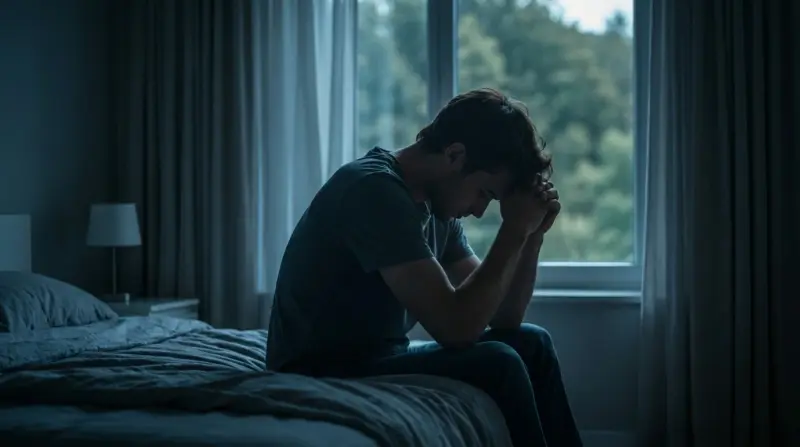
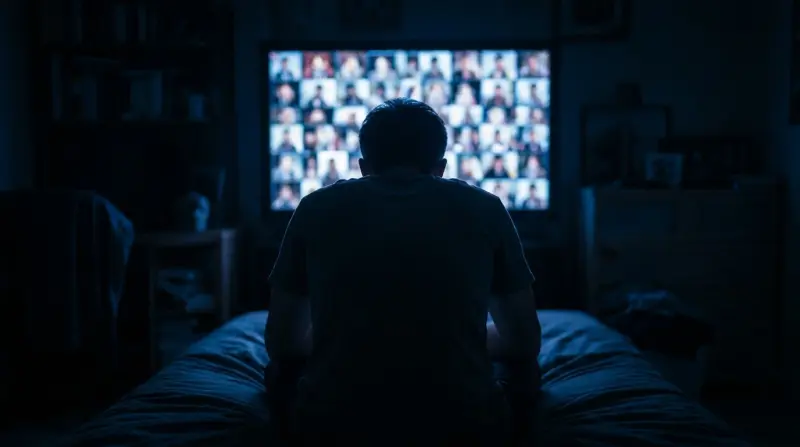
Withdrawal symptoms from problematic pornography use can feel confusing when you make a serious decision to reduce or stop, then find your mood shifting and your urges intensifying. This does not mean your willpower is weak. It means your brain and body have become used to a certain way of calming down or escaping stress. At Tatmeen, we often hear about this feeling: a sincere wish to change, met with uncomfortable inner turmoil. In this article, you will find flexible steps to help you move through it without self-blame.
Why Do the First Days Feel So Heavy?
When pornographic content becomes a repeated habit, it may turn into a quick way to ease tension, fill emptiness, or numb difficult feelings such as anxiety and loneliness. That is why some people experience something similar to withdrawal when they stop: inner discomfort, intrusive urges, and sudden tension. This experience does not mean corruption or weakness. It means an old pattern is trying to reclaim its place.
It is also helpful to know that the term “pornography addiction” is not fully settled scientifically. Some research describes the issue as compulsive behavior or problematic use rather than addiction in the medical sense. Compulsive sexual behavior disorder was included in the eleventh edition of the International Classification of Diseases under impulse control disorders, with an important note: moral distress alone should not be turned into a diagnosis. This clarification is available in the full scientific article on PubMed Central.
Symptoms You May Notice When Reducing or Stopping
Symptoms differ from one person to another, and they may come in waves: rising, then calming down. Psychological and physical symptoms often overlap because the body reads stress as a real event. You may notice, for example:
A strong, repeated urge to return to watching, especially during isolation or before sleep.
Irritability, nervousness, or a hard-to-explain sense of unease.
Anxiety or distress, with self-blaming thoughts or fear of failure.
Difficulty sleeping, or daytime distraction and poor concentration.
Intense boredom or inner emptiness, as if ordinary activities have lost their pleasure.
Researchers sometimes describe these as withdrawal-like symptoms because the experience is not the same for everyone. A scoping review that gathered the available studies suggests that intense craving may be a recurring reason for setbacks among some people who struggle with problematic use. To read its summary from a peer-reviewed medical source, see the scoping review on PubMed on withdrawal-like symptoms.
In a full-text published study, an association was found between the severity of problematic behavior and the severity of withdrawal and tolerance symptoms, while emphasizing that the evidence is still developing and that the findings do not mean everyone will go through the same course. You can read the study through the open scientific paper on PubMed Central.
What Fuels the Symptoms Without You Noticing?
Sometimes the problem is not the urge itself, but the conditions that intensify it: work or study pressure, staying up late, hunger, or the emptiness at the end of the day. Guilt can also become a trap: the more you attack yourself, the more tension rises, and the stronger the need becomes for quick relief.
It is also common for the mind to work in an all-or-nothing way: either complete success or complete collapse. This idea drains you. Flexible recovery is built on realistic steps, repeated learning, and a calm return to the path whenever you stumble.
Psychological Flexibility: Choosing Even When the Urge Is Present
Flexibility does not mean the urge disappears completely. It means you can notice it without letting it lead you. According to specialists at Tatmeen, what changes the path most is not one big decision, but small skills repeated until they become an alternative habit.
Start by naming what is happening: this is an urge, not an order. Naming it creates distance between you and the impulse. Then try a short delay: ten minutes with a simple activity. You will often notice the wave calming down, even partly. During that time, support your body: breathe slowly, wash your face, or move for a few minutes.
Then shift to your environment. Many people do better when they reduce quick access: keeping the phone outside the bedroom, reducing random browsing, or using filtering tools that suit them without going to extremes. The goal is not to live in constant struggle, but to give yourself space before choosing.
Do not forget the emotional side. Gently ask yourself: what do I truly need right now? Safety, connection, rest? If the urge comes after stress or loneliness, the alternative is not willpower alone, but a kinder way of handling feelings: a short call with someone trustworthy, writing down what you feel, or walking to release pressure.
When a Setback Happens: How Do You Protect Your Progress?
A setback does not erase what you have learned. Treat it as data, not as a judgment on your character. Ask: what came before it? What thought opened the door? What one adjustment can I apply next time?
Do not turn stumbling into an occasion for punishment. Punishment lengthens the cycle, while mindful self-compassion shortens it. One sentence may help: I stumbled, but I am still learning. Then return directly to the next step, even if it is small.
Daily Habits That Support You in Your Life
Dealing with problematic pornography use in our environment requires sensitivity to privacy and modesty. That is why quiet habits that do not increase pressure may help: a steady bedtime routine, a set time for phone use, and attention to body movement, even inside the home. On the spiritual side, many people find calm in simple remembrances or a short recitation, not as punishment, but as a gentle return to a meaning wider than the moment of temptation.
It also helps to connect your recovery to your values: your family, your work, your health, and your self-respect. Every time you choose what serves your values, even if your feelings are not ideal, you are building new trust.
Conclusion
Withdrawal symptoms may be uncomfortable, but they are often a sign that something is changing, not that you are a bad person. Be gentle with yourself, and allow progress to be gradual. If you feel the struggle is lasting too long or repeating despite your attempts, it may help to book an appointment with a licensed specialist who can support you with practical tools without judgment. If thoughts of self-harm come to you, seek immediate help from someone close whom you trust or from health services in your city. You can begin with a gentle step through Tatmeen.
Frequently Asked Questions
How long do withdrawal symptoms from problematic pornography use last?
The duration differs from one person to another depending on the strength of the habit and daily stress. For many people, the waves gradually ease with better sleep, fewer triggers, and the building of enjoyable alternatives. Focus on the overall direction across weeks, not on a single day.
Does having a strong urge mean I will not be able to stop?
A strong urge does not mean helplessness. Treat it as a temporary wave: name it, delay responding for a few minutes, and change your place or activity. With repetition, the brain learns a new path, and the intensity of the impulse decreases over time, even if it returns sometimes.
How do I deal with guilt after a setback?
Start by calming yourself, then review what happened with curiosity, not blame: what was the trigger? What feeling were you trying to escape? Choose one practical adjustment you can apply today, and ask for support from someone trustworthy if you need it.
A writer and researcher specializing in psychiatry, she focuses on mental health and the human emotions we experience but cannot always find the words to name. She writes about us—about humanity and the human experience—and simplifies complex topics to offer content that helps us better understand ourselves and life, ultimately making us feel less alone.
Every Tatmeen article is reviewed by care providers licensed by the Saudi Commission for Health Specialties, so what you read is accurate and trustworthy.
This article builds understanding and does not replace a licensed care provider.
Need someone to talk to?
Tatmeen's licensed care providers are available around the clock, and the app's urgent consultation connects you with one within minutes.
Download Tatmeen to explore care providers and booking options.
Smart matchingFour quick questions suggest the right care provider
Urgent consultationTalk to an available care provider within minutes
Free psychological measuresMore than 20 tests to understand how you are doing
Scan to download
{"data":{"id":"daaf0143-b927-4967-b28d-baddba5f27d5","slug":"porn-withdrawal-symptoms-craving-support","arTitle":"أعراض الانسحاب من إدمان الإباحية وكيف تتعامل معها بمرونة","enTitle":"Withdrawal Symptoms From Problematic Pornography Use and How to Handle Them With","thumbnailAltText":"a person sitting on the side of a bed feeling depressed suffering from withdrawal","estimatedReadingTime":5,"likesCount":233,"writer":{"id":"3ab72b74-f26f-4337-9b47-3114b0f90de5","arBio":"كاتبة وباحثة متخصصة في مجال الطب النفسي، تهتم بموضوعات الصحة النفسية وبالمشاعر الإنسانية التي نختبرها ولا نجد دائمًا الكلمات لتسميتها. تكتب عنّا؛ عن الإنسان وتجربته، وتبسّط الموضوعات المعقّدة لتقدّم محتوى يساعدنا على فهم ذواتنا والحياة أكثر، ويجعلنا نشعر بأننا بوحدة أقل.","enBio":"A writer and researcher specializing in psychiatry, she focuses on mental health and the human emotions we experience but cannot always find the words to name. She writes about us—about humanity and the human experience—and simplifies complex topics to offer content that helps us better understand ourselves and life, ultimately making us feel less alone.","user":{"slug":"ayat-alnajar","arFullName":"آيات النجار","enFullName":"Ayat Al-Najjar","publicProfileImageUrl":"https://cdn.tatmeen.sa/public/profile-images/02384455-68fa-40b6-ad05-609fde65cafa/21b9a610dde5dfc6d37af110c23e9c7ab3946be080c281beb000debf4f7d31a6.webp","publicProfileImage96Url":"https://cdn.tatmeen.sa/public/profile-images/02384455-68fa-40b6-ad05-609fde65cafa/21b9a610dde5dfc6d37af110c23e9c7ab3946be080c281beb000debf4f7d31a6-w96.webp","publicProfileImage192Url":"https://cdn.tatmeen.sa/public/profile-images/02384455-68fa-40b6-ad05-609fde65cafa/21b9a610dde5dfc6d37af110c23e9c7ab3946be080c281beb000debf4f7d31a6-w192.webp"}},"arContent":"","enContent":"","productionDocument":{"headings":[{"id":"article-section-why-do-the-first-days-feel-so-heavy","text":"Why Do the First Days Feel So Heavy?"},{"id":"article-section-symptoms-you-may-notice-when-reducing-or-stopping","text":"Symptoms You May Notice When Reducing or Stopping"},{"id":"article-section-what-fuels-the-symptoms-without-you-noticing","text":"What Fuels the Symptoms Without You Noticing?"},{"id":"article-section-psychological-flexibility-choosing-even-when-the-urge-is-present","text":"Psychological Flexibility: Choosing Even When the Urge Is Present"},{"id":"article-section-when-a-setback-happens-how-do-you-protect-your-progress","text":"When a Setback Happens: How Do You Protect Your Progress?"},{"id":"article-section-daily-habits-that-support-you-in-your-life","text":"Daily Habits That Support You in Your Life"},{"id":"article-section-conclusion","text":"Conclusion"}],"faqs":[{"question":"How long do withdrawal symptoms from problematic pornography use last?","answer":"<p><span style=\"color:#000000\">The duration differs from one person to another depending on the strength of the habit and daily stress. For many people, the waves gradually ease with better sleep, fewer triggers, and the building of enjoyable alternatives. Focus on the overall direction across weeks, not on a single day.</span></p>"},{"question":"Does having a strong urge mean I will not be able to stop?","answer":"<p><span style=\"color:#000000\">A strong urge does not mean helplessness. Treat it as a temporary wave: name it, delay responding for a few minutes, and change your place or activity. With repetition, the brain learns a new path, and the intensity of the impulse decreases over time, even if it returns sometimes.</span></p>"},{"question":"How do I deal with guilt after a setback?","answer":"<p><span style=\"color:#000000\">Start by calming yourself, then review what happened with curiosity, not blame: what was the trigger? What feeling were you trying to escape? Choose one practical adjustment you can apply today, and ask for support from someone trustworthy if you need it.</span></p>"}],"beforeSourcesHtml":"<p></p>","sources":[],"afterSourcesHtml":"","blocks":[{"type":"html","html":"<p><span style=\"color:#000000\">Withdrawal symptoms from problematic pornography use can feel confusing when you make a serious decision to reduce or stop, then find your mood shifting and your urges intensifying. This does not mean your willpower is weak. It means your brain and body have become used to a certain way of calming down or escaping stress. At Tatmeen, we often hear about this feeling: a sincere wish to change, met with uncomfortable inner turmoil. In this article, you will find flexible steps to help you move through it without self-blame.</span></p><h2 id=\"article-section-why-do-the-first-days-feel-so-heavy\" data-toc-heading tabindex=\"-1\"><span id=\"why-do-the-first-days-feel-so-heavy-1\" aria-hidden=\"true\"></span><span style=\"color:#000000\"><strong>Why Do the First Days Feel So Heavy?</strong></span></h2><p><span style=\"color:#000000\">When pornographic content becomes a repeated habit, it may turn into a quick way to ease tension, fill emptiness, or numb difficult feelings such as anxiety and loneliness. That is why some people experience something similar to withdrawal when they stop: inner discomfort, intrusive urges, and sudden tension. This experience does not mean corruption or weakness. It means an old pattern is trying to reclaim its place.</span></p><p><span style=\"color:#000000\">It is also helpful to know that the term “pornography addiction” is not fully settled scientifically. Some research describes the issue as compulsive behavior or problematic use rather than addiction in the medical sense. Compulsive sexual behavior disorder was included in the eleventh edition of the International Classification of Diseases under impulse control disorders, with an important note: moral distress alone should not be turned into a diagnosis. This clarification is available in the </span><a href=\"https://pmc.ncbi.nlm.nih.gov/articles/PMC5775124/\" target=\"_blank\" rel=\"nofollow noopener noreferrer\"><span style=\"color:#1155cc\"><u>full scientific article on PubMed Central</u></span></a><span style=\"color:#000000\">.</span></p><h2 id=\"article-section-symptoms-you-may-notice-when-reducing-or-stopping\" data-toc-heading tabindex=\"-1\"><span id=\"symptoms-you-may-notice-when-reducing-or-stopping-2\" aria-hidden=\"true\"></span><span style=\"color:#000000\"><strong>Symptoms You May Notice When Reducing or Stopping</strong></span></h2><p><span style=\"color:#000000\">Symptoms differ from one person to another, and they may come in waves: rising, then calming down. Psychological and physical symptoms often overlap because the body reads stress as a real event. You may notice, for example:</span></p><ul><li><p><span style=\"color:#000000\">A strong, repeated urge to return to watching, especially during isolation or before sleep.</span></p></li><li><p><span style=\"color:#000000\">Irritability, nervousness, or a hard-to-explain sense of unease.</span></p></li><li><p><span style=\"color:#000000\">Anxiety or distress, with self-blaming thoughts or fear of failure.</span></p></li><li><p><span style=\"color:#000000\">Difficulty sleeping, or daytime distraction and poor concentration.</span></p></li><li><p><span style=\"color:#000000\">Intense boredom or inner emptiness, as if ordinary activities have lost their pleasure.</span></p></li></ul><p><span style=\"color:#000000\">Researchers sometimes describe these as withdrawal-like symptoms because the experience is not the same for everyone. A scoping review that gathered the available studies suggests that intense craving may be a recurring reason for setbacks among some people who struggle with problematic use. To read its summary from a peer-reviewed medical source, see the </span><a href=\"https://pubmed.ncbi.nlm.nih.gov/37788127/\" target=\"_blank\" rel=\"nofollow noopener noreferrer\"><span style=\"color:#1155cc\"><u>scoping review on PubMed on withdrawal-like symptoms</u></span></a><span style=\"color:#000000\">.</span></p><p><span style=\"color:#000000\">In a full-text published study, an association was found between the severity of problematic behavior and the severity of withdrawal and tolerance symptoms, while emphasizing that the evidence is still developing and that the findings do not mean everyone will go through the same course. You can read the study through the </span><a href=\"https://pmc.ncbi.nlm.nih.gov/articles/PMC9881655/\" target=\"_blank\" rel=\"nofollow noopener noreferrer\"><span style=\"color:#1155cc\"><u>open scientific paper on PubMed Central</u></span></a><span style=\"color:#000000\">.</span></p><h2 id=\"article-section-what-fuels-the-symptoms-without-you-noticing\" data-toc-heading tabindex=\"-1\"><span id=\"what-fuels-the-symptoms-without-you-noticing-3\" aria-hidden=\"true\"></span><span style=\"color:#000000\"><strong>What Fuels the Symptoms Without You Noticing?</strong></span></h2><p><span style=\"color:#000000\">Sometimes the problem is not the urge itself, but the conditions that intensify it: work or study pressure, staying up late, hunger, or the emptiness at the end of the day. Guilt can also become a trap: the more you attack yourself, the more tension rises, and the stronger the need becomes for quick relief.</span></p><p><span style=\"color:#000000\">It is also common for the mind to work in an all-or-nothing way: either complete success or complete collapse. This idea drains you. Flexible recovery is built on realistic steps, repeated learning, and a calm return to the path whenever you stumble.</span></p><h2 id=\"article-section-psychological-flexibility-choosing-even-when-the-urge-is-present\" data-toc-heading tabindex=\"-1\"><span id=\"psychological-flexibility-choosing-even-when-the-urge-is-present-4\" aria-hidden=\"true\"></span><span style=\"color:#000000\"><strong>Psychological Flexibility: Choosing Even When the Urge Is Present</strong></span></h2><p><span style=\"color:#000000\">Flexibility does not mean the urge disappears completely. It means you can notice it without letting it lead you. According to specialists at Tatmeen, what changes the path most is not one big decision, but small skills repeated until they become an alternative habit.</span></p><p><span style=\"color:#000000\">Start by naming what is happening: this is an urge, not an order. Naming it creates distance between you and the impulse. Then try a short delay: ten minutes with a simple activity. You will often notice the wave calming down, even partly. During that time, support your body: breathe slowly, wash your face, or move for a few minutes.</span></p><p><span style=\"color:#000000\">Then shift to your environment. Many people do better when they reduce quick access: keeping the phone outside the bedroom, reducing random browsing, or using filtering tools that suit them without going to extremes. The goal is not to live in constant struggle, but to give yourself space before choosing.</span></p><p><span style=\"color:#000000\">Do not forget the emotional side. Gently ask yourself: what do I truly need right now? Safety, connection, rest? If the urge comes after stress or loneliness, the alternative is not willpower alone, but a kinder way of handling feelings: a short call with someone trustworthy, writing down what you feel, or walking to release pressure.</span></p><h2 id=\"article-section-when-a-setback-happens-how-do-you-protect-your-progress\" data-toc-heading tabindex=\"-1\"><span id=\"when-a-setback-happens-how-do-you-protect-your-progress-5\" aria-hidden=\"true\"></span><span style=\"color:#000000\"><strong>When a Setback Happens: How Do You Protect Your Progress?</strong></span></h2><p><span style=\"color:#000000\">A setback does not erase what you have learned. Treat it as data, not as a judgment on your character. Ask: what came before it? What thought opened the door? What one adjustment can I apply next time?</span></p><p><span style=\"color:#000000\">Do not turn stumbling into an occasion for punishment. Punishment lengthens the cycle, while mindful self-compassion shortens it. One sentence may help: I stumbled, but I am still learning. Then return directly to the next step, even if it is small.</span></p><h2 id=\"article-section-daily-habits-that-support-you-in-your-life\" data-toc-heading tabindex=\"-1\"><span id=\"daily-habits-that-support-you-in-your-life-6\" aria-hidden=\"true\"></span><span style=\"color:#000000\"><strong>Daily Habits That Support You in Your Life</strong></span></h2><p><span style=\"color:#000000\">Dealing with problematic pornography use in our environment requires sensitivity to privacy and modesty. That is why quiet habits that do not increase pressure may help: a steady bedtime routine, a set time for phone use, and attention to body movement, even inside the home. On the spiritual side, many people find calm in simple remembrances or a short recitation, not as punishment, but as a gentle return to a meaning wider than the moment of temptation.</span></p><p><span style=\"color:#000000\">It also helps to connect your recovery to your values: your family, your work, your health, and your self-respect. Every time you choose what serves your values, even if your feelings are not ideal, you are building new trust.</span></p><h2 id=\"article-section-conclusion\" data-toc-heading tabindex=\"-1\"><span id=\"conclusion-7\" aria-hidden=\"true\"></span><span style=\"color:#000000\"><strong>Conclusion</strong></span></h2><p><span style=\"color:#000000\">Withdrawal symptoms may be uncomfortable, but they are often a sign that something is changing, not that you are a bad person. Be gentle with yourself, and allow progress to be gradual. If you feel the struggle is lasting too long or repeating despite your attempts, it may help to book an appointment with a licensed specialist who can support you with practical tools without judgment. If thoughts of self-harm come to you, seek immediate help from someone close whom you trust or from health services in your city. You can begin with a gentle step through </span><a href=\"https://tatmeen.sa/download/\"><span style=\"color:#1155cc\"><u>Tatmeen</u></span></a><span style=\"color:#000000\">.</span></p>"}],"inlineCtaSignatures":[],"_experienceAliases":{"v":1,"fields":["html","bodyHtml"],"faqs":[0,1,2]}},"createdAt":"2026-06-06T21:00:00.000Z","updatedAt":"2026-06-16T15:46:17.888Z","disorderGroups":[{"id":"04bd234d-c176-4ba1-afb3-9e9c05d0e648","slug":"addictions-and-compulsive-behaviors","arName":"الإدمان والسلوكيات القهرية","enName":"Addictions & Compulsive Behaviors"},{"id":"1e82772d-a1a7-4d29-b475-be9d6b67ae02","slug":"common-mental-issues","arName":"اضطرابات نفسية شائعة","enName":"Common Mental Issues"}],"reviewer":{"arFullName":"فريق تطمين","enFullName":"Tatmeen team","slug":"tatmeen-team","kind":"organization"},"productionArticle":true,"promotionAllowed":true,"preparedCover":{"src":"https://cdn.tatmeen.sa/public/article-lcp/article-lcp-v2/sha256-42d428b85f8c6872e7aafc2c091981b034a3d5de05730f64b58b3a54ed52c2d5/800-05e6a7d88c956cdd76d4cf8d4ebfafb6979bdbc9bedbc12c870d10d72d424135.avif","fallback":"https://cdn.tatmeen.sa/public/article-lcp/article-lcp-v2/sha256-42d428b85f8c6872e7aafc2c091981b034a3d5de05730f64b58b3a54ed52c2d5/800-c261a4a3f53cea333d3674ecdbab8bd385776f649cbc3d756c371ce1290347d7.webp","directUrl":"https://cdn.tatmeen.sa/blog-cover/Tatmeen-1780849008992.webp","isGolden":true,"avifSrcset":"https://cdn.tatmeen.sa/public/article-lcp/article-lcp-v2/sha256-42d428b85f8c6872e7aafc2c091981b034a3d5de05730f64b58b3a54ed52c2d5/400-98e896845b5815fb835e38f83aa24f899cbb50e9a1df842082564762d40398c9.avif 400w, https://cdn.tatmeen.sa/public/article-lcp/article-lcp-v2/sha256-42d428b85f8c6872e7aafc2c091981b034a3d5de05730f64b58b3a54ed52c2d5/640-44ef67566fd5b9f90ef970f6cf0079d1b0b61b620dad30aad58e93cd019e6299.avif 640w, https://cdn.tatmeen.sa/public/article-lcp/article-lcp-v2/sha256-42d428b85f8c6872e7aafc2c091981b034a3d5de05730f64b58b3a54ed52c2d5/800-05e6a7d88c956cdd76d4cf8d4ebfafb6979bdbc9bedbc12c870d10d72d424135.avif 800w, https://cdn.tatmeen.sa/public/article-lcp/article-lcp-v2/sha256-42d428b85f8c6872e7aafc2c091981b034a3d5de05730f64b58b3a54ed52c2d5/1200-6051ed005a1913d7208c43560a1c18d08c3fdc2936a1feb5170b008b686f9e68.avif 1200w","webpSrcset":"https://cdn.tatmeen.sa/public/article-lcp/article-lcp-v2/sha256-42d428b85f8c6872e7aafc2c091981b034a3d5de05730f64b58b3a54ed52c2d5/400-e07b216c41c2e120d1aa1de62ce63c4dec20360fdb188444ade363b0c53c0ffa.webp 400w, https://cdn.tatmeen.sa/public/article-lcp/article-lcp-v2/sha256-42d428b85f8c6872e7aafc2c091981b034a3d5de05730f64b58b3a54ed52c2d5/640-696bc7a59b8695be80dd38a2bcbe51f49ac1c5be8058e4053b19823018157c0b.webp 640w, https://cdn.tatmeen.sa/public/article-lcp/article-lcp-v2/sha256-42d428b85f8c6872e7aafc2c091981b034a3d5de05730f64b58b3a54ed52c2d5/800-c261a4a3f53cea333d3674ecdbab8bd385776f649cbc3d756c371ce1290347d7.webp 800w, https://cdn.tatmeen.sa/public/article-lcp/article-lcp-v2/sha256-42d428b85f8c6872e7aafc2c091981b034a3d5de05730f64b58b3a54ed52c2d5/1200-846797bd750de25a02d200922651cceaa399c5573914e7ed3da99d68b3bc2637.webp 1200w","phoneAvifSrcset":"https://cdn.tatmeen.sa/public/article-lcp/article-lcp-v2/sha256-42d428b85f8c6872e7aafc2c091981b034a3d5de05730f64b58b3a54ed52c2d5/400-98e896845b5815fb835e38f83aa24f899cbb50e9a1df842082564762d40398c9.avif 400w, https://cdn.tatmeen.sa/public/article-lcp/article-lcp-v2/sha256-42d428b85f8c6872e7aafc2c091981b034a3d5de05730f64b58b3a54ed52c2d5/640-44ef67566fd5b9f90ef970f6cf0079d1b0b61b620dad30aad58e93cd019e6299.avif 640w, https://cdn.tatmeen.sa/public/article-lcp/article-lcp-v2/sha256-42d428b85f8c6872e7aafc2c091981b034a3d5de05730f64b58b3a54ed52c2d5/800-05e6a7d88c956cdd76d4cf8d4ebfafb6979bdbc9bedbc12c870d10d72d424135.avif 800w","phoneWebpSrcset":"https://cdn.tatmeen.sa/public/article-lcp/article-lcp-v2/sha256-42d428b85f8c6872e7aafc2c091981b034a3d5de05730f64b58b3a54ed52c2d5/400-e07b216c41c2e120d1aa1de62ce63c4dec20360fdb188444ade363b0c53c0ffa.webp 400w, https://cdn.tatmeen.sa/public/article-lcp/article-lcp-v2/sha256-42d428b85f8c6872e7aafc2c091981b034a3d5de05730f64b58b3a54ed52c2d5/640-696bc7a59b8695be80dd38a2bcbe51f49ac1c5be8058e4053b19823018157c0b.webp 640w, https://cdn.tatmeen.sa/public/article-lcp/article-lcp-v2/sha256-42d428b85f8c6872e7aafc2c091981b034a3d5de05730f64b58b3a54ed52c2d5/800-c261a4a3f53cea333d3674ecdbab8bd385776f649cbc3d756c371ce1290347d7.webp 800w","width":800,"height":447},"previewTaxonomy":{"groups":[{"id":"04bd234d-c176-4ba1-afb3-9e9c05d0e648","slug":"addictions-and-compulsive-behaviors","arName":"الإدمان والسلوكيات القهرية","enName":"Addictions & Compulsive Behaviors"},{"id":"1e82772d-a1a7-4d29-b475-be9d6b67ae02","slug":"common-mental-issues","arName":"اضطرابات نفسية شائعة","enName":"Common Mental Issues"}],"topics":[{"id":"15ff72d6-a734-4802-9430-5938aa292115","slug":"porn-addiction","arName":"إدمان الإباحية","enName":"Porn Addiction","groupSlug":"addictions-and-compulsive-behaviors","href":"/blog/category/addictions-and-compulsive-behaviors/porn-addiction/"}],"tags":[{"id":"4ed98471-68bf-4682-b622-f092e88833bb","slug":"porn-compulsive-sexual","arName":"إدمان الإباحية والسلوك الجنسي القهري","enName":"Pornography & Compulsive Sexual"},{"id":"a1d36353-cbcb-4907-b913-3069289a3514","slug":"addiction-recovery","arName":"الإدمان والتعافي","enName":"Addiction & Recovery"},{"id":"d58e6187-021b-44a5-882c-245bccd77611","slug":"self-help-howto","arName":"مساعدة ذاتية / خطوات عملية","enName":"Self-Help / How-To"}]},"previewProviderRecommendations":[{"id":"278d5ac5-30ff-46ad-97be-c67cdd125836","slug":"dr-mohammed-alamari-8085","arFullName":"د. محمد العماري","enFullName":"Dr. Mohammed Alamari","publicProfileImageUrl":"https://cdn.tatmeen.sa/public/profile-images/278d5ac5-30ff-46ad-97be-c67cdd125836/69bdd11cb01784eed010eb9883403fd6ca4e4afcec739dcd6114fd8b85f133a8.webp","publicProfileImage96Url":"https://cdn.tatmeen.sa/public/profile-images/278d5ac5-30ff-46ad-97be-c67cdd125836/69bdd11cb01784eed010eb9883403fd6ca4e4afcec739dcd6114fd8b85f133a8-w96.webp","publicProfileImage192Url":"https://cdn.tatmeen.sa/public/profile-images/278d5ac5-30ff-46ad-97be-c67cdd125836/69bdd11cb01784eed010eb9883403fd6ca4e4afcec739dcd6114fd8b85f133a8-w192.webp","specialization":{"arName":"طبيب أسرة","enName":"Family Physician"},"profileImageUrl":"https://cdn.tatmeen.sa/public/profile-images/278d5ac5-30ff-46ad-97be-c67cdd125836/69bdd11cb01784eed010eb9883403fd6ca4e4afcec739dcd6114fd8b85f133a8-w192.webp","experienceYears":3,"consultantInfo":{"averageRating":{"average":4},"specialization":{"arGeneralName":"طبيب أسرة","enGeneralName":"Family Physician"}}},{"id":"61ffd054-193f-4e8e-abc7-356e905dec92","slug":"nada-2471","arFullName":"د. ندى ال ادريس","enFullName":"Dr. Nada Al Idrees","publicProfileImageUrl":"","publicProfileImage96Url":"","publicProfileImage192Url":"","specialization":{"arName":"طبيب نفسي","enName":"Psychiatrist"},"profileImageUrl":"","experienceYears":5,"consultantInfo":{"averageRating":{"average":0},"specialization":{"arGeneralName":"طبيب نفسي","enGeneralName":"Psychiatrist"}}},{"id":"d754a189-f8c9-4aad-b4aa-a5dbd26c0bd7","slug":"talal-alshowaier-8694","arFullName":"طلال الشويعر","enFullName":"Talal Alshowaier","publicProfileImageUrl":"https://cdn.tatmeen.sa/public/profile-images/d754a189-f8c9-4aad-b4aa-a5dbd26c0bd7/74feb27848a47cf43189f6b5951e06a9b87b08269021d5bab765092fc65fce42.webp","publicProfileImage96Url":"https://cdn.tatmeen.sa/public/profile-images/d754a189-f8c9-4aad-b4aa-a5dbd26c0bd7/74feb27848a47cf43189f6b5951e06a9b87b08269021d5bab765092fc65fce42-w96.webp","publicProfileImage192Url":"https://cdn.tatmeen.sa/public/profile-images/d754a189-f8c9-4aad-b4aa-a5dbd26c0bd7/74feb27848a47cf43189f6b5951e06a9b87b08269021d5bab765092fc65fce42-w192.webp","specialization":{"arName":"أخصائي نفسي","enName":"Psychologist"},"profileImageUrl":"https://cdn.tatmeen.sa/public/profile-images/d754a189-f8c9-4aad-b4aa-a5dbd26c0bd7/74feb27848a47cf43189f6b5951e06a9b87b08269021d5bab765092fc65fce42-w192.webp","experienceYears":3,"consultantInfo":{"averageRating":{"average":5},"specialization":{"arGeneralName":"أخصائي نفسي","enGeneralName":"Psychologist"}}}],"previewCareProviders":[{"id":"09364052-c2a9-4c52-9717-7ce2093b8d0a","slug":"kholoud-alharbi-5221","arFullName":"خلود الحربي","enFullName":"Kholoud Alharbi","publicProfileImageUrl":"https://cdn.tatmeen.sa/public/profile-images/09364052-c2a9-4c52-9717-7ce2093b8d0a/4a0aeb81619e351b77f4323e3605a0a00acc7ca3c82ee7cc5ca2c9e8ef716049.webp","publicProfileImage96Url":"https://cdn.tatmeen.sa/public/profile-images/09364052-c2a9-4c52-9717-7ce2093b8d0a/4a0aeb81619e351b77f4323e3605a0a00acc7ca3c82ee7cc5ca2c9e8ef716049-w96.webp","publicProfileImage192Url":"https://cdn.tatmeen.sa/public/profile-images/09364052-c2a9-4c52-9717-7ce2093b8d0a/4a0aeb81619e351b77f4323e3605a0a00acc7ca3c82ee7cc5ca2c9e8ef716049-w192.webp","gender":"FEMALE","specialization":{"arName":"أخصائي نفسي","enName":"Psychologist"}},{"id":"6f037535-1dca-4b50-a8b2-5974b7323286","slug":"salah-althobaiti-9053","arFullName":"صلاح الثبيتي","enFullName":"Salah Althobaiti","publicProfileImageUrl":"https://cdn.tatmeen.sa/public/profile-images/6f037535-1dca-4b50-a8b2-5974b7323286/35b6bd7fad9b1e004c1835803eb9c1b56dcacd380685ec8bff141f0fb888005c.webp","publicProfileImage96Url":"https://cdn.tatmeen.sa/public/profile-images/6f037535-1dca-4b50-a8b2-5974b7323286/35b6bd7fad9b1e004c1835803eb9c1b56dcacd380685ec8bff141f0fb888005c-w96.webp","publicProfileImage192Url":"https://cdn.tatmeen.sa/public/profile-images/6f037535-1dca-4b50-a8b2-5974b7323286/35b6bd7fad9b1e004c1835803eb9c1b56dcacd380685ec8bff141f0fb888005c-w192.webp","gender":"MALE","specialization":{"arName":"أخصائي نفسي","enName":"Psychologist"}},{"id":"3cc806e8-616b-4884-9f21-a75b378580a2","slug":"aisha-al-hashim-8667","arFullName":"عائشة ال هاشم","enFullName":"Aisha Al Hashim","publicProfileImageUrl":"https://cdn.tatmeen.sa/public/profile-images/3cc806e8-616b-4884-9f21-a75b378580a2/27f523d03be4dcfa1f6a79f70c1773887434e698990d214cd990caec56a44798.webp","publicProfileImage96Url":"https://cdn.tatmeen.sa/public/profile-images/3cc806e8-616b-4884-9f21-a75b378580a2/27f523d03be4dcfa1f6a79f70c1773887434e698990d214cd990caec56a44798-w96.webp","publicProfileImage192Url":"https://cdn.tatmeen.sa/public/profile-images/3cc806e8-616b-4884-9f21-a75b378580a2/27f523d03be4dcfa1f6a79f70c1773887434e698990d214cd990caec56a44798-w192.webp","gender":"FEMALE","specialization":{"arName":"أخصائي نفسي","enName":"Psychologist"}},{"id":"94765496-dbdf-4631-a01b-7df5f788668d","slug":"abdullrahman-alhamoudi-3045","arFullName":"عبدالرحمن الحمودي","enFullName":"Abdulrahman Alhamoudi","publicProfileImageUrl":"https://cdn.tatmeen.sa/public/profile-images/94765496-dbdf-4631-a01b-7df5f788668d/2d49f6b6493c564afb6f50b6c3634231dff3a5cf8353acfab393d1b2a88037d1.webp","publicProfileImage96Url":"https://cdn.tatmeen.sa/public/profile-images/94765496-dbdf-4631-a01b-7df5f788668d/2d49f6b6493c564afb6f50b6c3634231dff3a5cf8353acfab393d1b2a88037d1-w96.webp","publicProfileImage192Url":"https://cdn.tatmeen.sa/public/profile-images/94765496-dbdf-4631-a01b-7df5f788668d/2d49f6b6493c564afb6f50b6c3634231dff3a5cf8353acfab393d1b2a88037d1-w192.webp","gender":"MALE","specialization":{"arName":"أخصائي نفسي","enName":"Psychologist"}},{"id":"618dba89-5b70-4b46-8304-741b7ac8ecd3","slug":"abdullah-mari-1311","arFullName":"عبدالله مرعي","enFullName":"Abdullah Mari","publicProfileImageUrl":"https://cdn.tatmeen.sa/public/profile-images/618dba89-5b70-4b46-8304-741b7ac8ecd3/6b4a3bfb59f8a304ca79083b32859b46baad2e1d692974a47c02c1f66bd11129.webp","publicProfileImage96Url":"https://cdn.tatmeen.sa/public/profile-images/618dba89-5b70-4b46-8304-741b7ac8ecd3/6b4a3bfb59f8a304ca79083b32859b46baad2e1d692974a47c02c1f66bd11129-w96.webp","publicProfileImage192Url":"https://cdn.tatmeen.sa/public/profile-images/618dba89-5b70-4b46-8304-741b7ac8ecd3/6b4a3bfb59f8a304ca79083b32859b46baad2e1d692974a47c02c1f66bd11129-w192.webp","gender":"MALE","specialization":{"arName":"أخصائي نفسي","enName":"Psychologist"}},{"id":"d4ffcb6b-90a7-45b6-b941-964866f4564b","slug":"dhaifallah-alhumaidi-1092","arFullName":"ضيف الله الحميدي","enFullName":"Dhaifallah Alhumaidi","publicProfileImageUrl":"https://cdn.tatmeen.sa/public/profile-images/d4ffcb6b-90a7-45b6-b941-964866f4564b/1817171c5828a9b57d6c30d12332cf154e335272548bc90a6e8456d74d356956.webp","publicProfileImage96Url":"https://cdn.tatmeen.sa/public/profile-images/d4ffcb6b-90a7-45b6-b941-964866f4564b/1817171c5828a9b57d6c30d12332cf154e335272548bc90a6e8456d74d356956-w96.webp","publicProfileImage192Url":"https://cdn.tatmeen.sa/public/profile-images/d4ffcb6b-90a7-45b6-b941-964866f4564b/1817171c5828a9b57d6c30d12332cf154e335272548bc90a6e8456d74d356956-w192.webp","gender":"MALE","specialization":{"arName":"أخصائي نفسي","enName":"Psychologist"}},{"id":"d8fb937b-ad65-4b6f-a65b-276ad8258fed","slug":"azza-alharbi-7286","arFullName":"عزه الحربي","enFullName":"Azza Alharbi","publicProfileImageUrl":"https://cdn.tatmeen.sa/public/profile-images/d8fb937b-ad65-4b6f-a65b-276ad8258fed/378a8ab30f4087833263c41fb2c3102028cbe6bb9655172d7b3439ee1d6b0800.webp","publicProfileImage96Url":"https://cdn.tatmeen.sa/public/profile-images/d8fb937b-ad65-4b6f-a65b-276ad8258fed/378a8ab30f4087833263c41fb2c3102028cbe6bb9655172d7b3439ee1d6b0800-w96.webp","publicProfileImage192Url":"https://cdn.tatmeen.sa/public/profile-images/d8fb937b-ad65-4b6f-a65b-276ad8258fed/378a8ab30f4087833263c41fb2c3102028cbe6bb9655172d7b3439ee1d6b0800-w192.webp","gender":"FEMALE","specialization":{"arName":"أخصائي نفسي","enName":"Psychologist"}},{"id":"025d770d-f6d4-405b-be1c-d45dde63fbf7","slug":"akila-alomran-7545","arFullName":"عقيله العمران","enFullName":"Akila Alomran","publicProfileImageUrl":"https://cdn.tatmeen.sa/public/profile-images/025d770d-f6d4-405b-be1c-d45dde63fbf7/44a990b9294f02c9810c69a68b8913a6afac0eb30d1b7494155f31b6dde9378b.webp","publicProfileImage96Url":"https://cdn.tatmeen.sa/public/profile-images/025d770d-f6d4-405b-be1c-d45dde63fbf7/44a990b9294f02c9810c69a68b8913a6afac0eb30d1b7494155f31b6dde9378b-w96.webp","publicProfileImage192Url":"https://cdn.tatmeen.sa/public/profile-images/025d770d-f6d4-405b-be1c-d45dde63fbf7/44a990b9294f02c9810c69a68b8913a6afac0eb30d1b7494155f31b6dde9378b-w192.webp","gender":"FEMALE","specialization":{"arName":"أخصائي نفسي","enName":"Psychologist"}}],"previewDownload":{"href":"/download","title":{"ar":"خطوة واحدة لأجلك، ابدأ الآن","en":"One step for you, start now"},"description":{"ar":"حمّل تطبيق تطمين لاستكشاف مقدمي الرعاية وخيارات الحجز.","en":"Download Tatmeen to explore care providers and booking options."},"posterSrc":"/images/home/cta-ar-new-1.webp","videoSrc":"/images/home/cta-ar-new-1.mp4","videoPosterSrc":"/images/home/cta-ar-new-1.webp","videoPosterEnSrc":"/images/home/cta-en-new-1.webp","videoType":"video/mp4","appStoreHref":"https://apps.apple.com/us/app/tatmeen-%D8%AA%D8%B7%D9%85%D9%8A%D9%86/id6473836983","googlePlayHref":"https://play.google.com/store/apps/details?id=com.TatmeenApp.user&hl=en"},"previewRelatedArticles":[{"id":"347c2811-bc22-475f-bd27-f79863232909","slug":"-effects-of-pornography-on-brain-mood-relationships","route":"/blog/-effects-of-pornography-on-brain-mood-relationships/","title":{"ar":" اختطاف الدوبامين مع الإباحية وكيف تستعيد التوازن","en":" Dopamine Hijacking With Pornography and How to Restore Balance"},"image":"https://cdn.tatmeen.sa/public/article-lcp/article-lcp-v2/sha256-eb5c485471e1880f339c79d43427fef858f66c275dd20cd1bfdf4247cbe11e47/800-96cc3bcc6b007d2ef11fe1d82341a5d9cd58362b3807e25c9e508a7e50a53f8b.webp","directImageFallback":"https://cdn.tatmeen.sa/blog-cover/Tatmeen-1781115344993.webp","arThumbnailAltText":"\"Person chained before a glowing screen, symbolizing compulsive digital reward seeking.\"","thumbnailAltText":"\"Person chained before a glowing screen, symbolizing compulsive digital reward seeking.\"","topic":{"label":{"ar":"الإدمان والسلوكيات القهرية","en":"Addictions & Compulsive Behaviors"}},"readingTimeMinutes":5},{"id":"1865687e-765e-4545-b603-c1b1800ed1f8","slug":"porn-addiction-withdrawal-symptoms-coping","route":"/blog/porn-addiction-withdrawal-symptoms-coping/","title":{"ar":"أعراض الانسحاب من إدمان الإباحية وكيف تتعامل معها بمرونة","en":"Pornography Addiction Withdrawal Symptoms and How to Cope Flexibly"},"image":"https://cdn.tatmeen.sa/public/article-lcp/article-lcp-v2/sha256-6087bc2248ab857436c6bbd826657a475a29035fd117e7fccb71df153a44533e/800-62155c66d16747f1b9b5ee2abc09663abda3efe5ef59e9ce3efa853d06220fa7.webp","directImageFallback":"https://cdn.tatmeen.sa/blog-cover/Tatmeen-1779130957177.webp","arThumbnailAltText":"Person sitting on the bed against a wall suffering from pornography addiction withdrawal","thumbnailAltText":"Person sitting on the bed against a wall suffering from pornography addiction withdrawal","topic":{"label":{"ar":"الإدمان والسلوكيات القهرية","en":"Addictions & Compulsive Behaviors"}},"readingTimeMinutes":5},{"id":"fb99d6a3-59f2-4787-8874-ffa01b5ec580","slug":"porn-addiction-signs-start-change","route":"/blog/porn-addiction-signs-start-change/","title":{"ar":" إدمان الإباحية: علامات أنك عالق وكيف تبدأ التغيير","en":"Porn Addiction: Signs You May Be Stuck and How to Start Changing"},"image":"https://cdn.tatmeen.sa/public/article-lcp/article-lcp-v2/sha256-79daa099858bf004b6f5394cef6a9ae1b46b3abac2fba268c4a4dc30b86171d3/800-996c00b9be38bc5e0fc2a9d0c263231bb21e12c6c43c633812db7992a6cf2767.webp","directImageFallback":"https://cdn.tatmeen.sa/blog-cover/Tatmeen-1781116081732.webp","arThumbnailAltText":"Man sitting in dark room, facing glowing screen filled with many thumbnails, feeling isolated","thumbnailAltText":"Man sitting in dark room, facing glowing screen filled with many thumbnails, feeling isolated","topic":{"label":{"ar":"الإدمان والسلوكيات القهرية","en":"Addictions & Compulsive Behaviors"}},"readingTimeMinutes":5},{"id":"219a5f20-e554-45f7-b572-c8cb72ff300c","slug":"manage-sudden-porn-urges-in-minutes","route":"/blog/manage-sudden-porn-urges-in-minutes/","title":{"ar":"التعامل مع الرغبة المفاجئة لمشاهدة الإباحية خلال دقائق","en":"Managing Sudden Urges to Watch Pornography Within Minutes"},"image":"https://cdn.tatmeen.sa/public/article-lcp/article-lcp-v2/sha256-f0314b16a8d5f6e75ee1e25bd52f628948b940f7abae5b73592eaa750ebb6838/800-58077223878f36e215f6d5abc85d28b59ef1b070718e6f9fea3a5783d56d54a2.webp","directImageFallback":"https://cdn.tatmeen.sa/blog-cover/Tatmeen-1780942805949.webp","arThumbnailAltText":"Finger hovering over a glowing red button in a dark, minimal scene, capturing tension.","thumbnailAltText":"Finger hovering over a glowing red button in a dark, minimal scene, capturing tension.","topic":{"label":{"ar":"الإدمان والسلوكيات القهرية","en":"Addictions & Compulsive Behaviors"}},"readingTimeMinutes":5}],"previewRelatedReadStates":{}},"locale":"en","device":"desktop","path":"/en/blog/porn-withdrawal-symptoms-craving-support/","readingControls":false,"config":{"public":{"BUCKET_URL":"https://cdn.tatmeen.sa/","APP_BASE_URL":"https://tatmeen.sa","intercomAppId":"ppcnu9e3"}}}