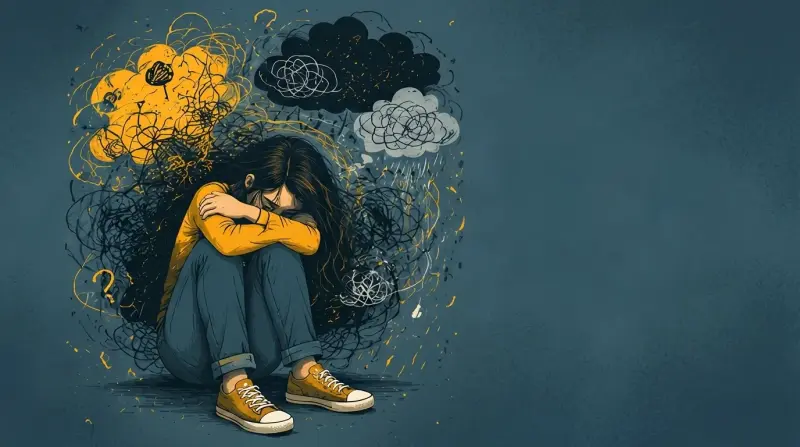
People-pleasing may look, at first, like a sign of good character and care—but sometimes it turns into a habit that quietly drains you. You can imagine yourself saying yes to every request: at work, within the family, and with friends, then returning at the end of the day weighed down by tension and self-blame because you didn’t leave any space for yourself. In this article, we will understand the difference between healthy kindness and pleasing people at the expense of yourself, how to set respectful boundaries without harshness, and when reaching out to a specialist through Tatmeen may be a step that helps you regain your balance.
What’s the Difference Between Kindness and People-Pleasing?
Healthy kindness comes from an inner choice: you help because you want to, not because you fear rejection or blame. It includes clear boundaries, a balance between your rights and others’ rights, and the ability to apologize when you can’t.
People-pleasing, on the other hand, is often driven by hidden anxiety: If I refuse, they’ll get angry, they’ll change toward me, or I’ll seem selfish. Over time, other people’s approval becomes more important than your needs, and your self-confidence erodes—even as you continue doing good for others.
In our culture, altruism and standing by family and relatives is a high value, and that’s beautiful. The problem isn’t giving—it’s giving at the expense of your health and boundaries, or living in constant tension to avoid any misunderstanding.
When Does Kindness Turn Into a Psychological Burden?
The signal often begins when kindness becomes tied to fatigue and pressure instead of satisfaction. You may notice you’re giving more than you have, constantly putting yourself off, then feeling drained—or even resentful in a way you don’t want to admit. Common signs include:
Difficulty saying no, even to things that harm your time or health, with a strong sense of guilt.
Overthinking what you said or didn’t say, and fearing you’ll be misunderstood.
Taking on responsibilities that aren’t yours, then blaming yourself if things don’t go the way others want.
Mental and physical exhaustion, sleep disturbance, and ongoing tension that may show up as stress-related symptoms such as difficulty concentrating or feeling worn out and irritable; these symptoms are described within what is known as stress symptoms.
If these signs keep repeating, you’re likely not mistreating people—you’re missing the skill of boundaries and managing the anxiety tied to others’ approval. Try noticing recurring situations over a week: When do you say yes against your true preference, and what do you lose in return?
Why Do We Get Used to Pleasing People at Our Own Expense?
There isn’t one single reason—often, several factors overlap. Sometimes it starts in childhood, when acceptance becomes linked to achievement or to “not causing trouble,” so the person learns to maintain peace by prioritizing others’ desires. Sometimes it grows from painful past experiences: harsh criticism, or conflicts that ended in cutting ties, making avoiding confrontation a goal in itself.
Perfectionism can play a role too: someone who wants to appear constantly ideal may find in pleasing everyone an attempt to reduce mistakes or criticism. In work environments, it can turn into fear of losing opportunities or reputation, so a person accepts extra tasks without negotiation—even if it’s beyond their capacity.
How Do You Set Boundaries Without Losing Your Kindness?
Setting boundaries doesn’t mean becoming harsh; it’s a way to protect the relationship from accumulated pressure and resentment. It starts with awareness: before agreeing, ask yourself—Can I? Do I want to? And what will this cost me? Delaying your response by minutes or hours gives you thinking space instead of an automatic yes.
Then try simple, clear language, with a respectful tone and without lengthy justifications. Using ready phrases may help, such as:
I appreciate your request, but I can’t right now.
I need my time for this, and I can help later if possible.
I’d rather not commit to that, so I don’t break my promise.
That’s outside my scope right now, and I hope you find someone who can support you.
It may feel difficult at first because guilt is part of the old habit—not proof that you’re wrong. According to Tatmeen specialists, practicing boundaries gradually—starting with small situations—helps reduce anxiety and strengthen self-respect without major confrontations. And don’t forget to care for regulating stress itself: when your body is exhausted, saying no becomes harder.
How Do You Handle Other People’s Reactions When You Set Boundaries?
Some people may be surprised by your change—especially if they’re used to your constant agreement. That doesn’t mean you did something wrong; it means they need time to adjust to your new version. Stay calm and repeat your message without long defenses: calm repetition is stronger than repeated explaining.
Remember: respecting yourself doesn’t cancel out respecting others. Those who truly value you will understand your boundaries, even if it takes a little time. But someone who ties the relationship only to what you provide may test you with blame or pressure. Here, it helps to review your relationship with that circle, and to seek support from a trusted person who can help you stay steady without cutting ties or escalating.
Finally…
Kindness is a noble value—but it isn’t measured by how many yeses you say. When you learn boundaries, you protect yourself and protect your relationships from burnout, and you allow others to know your truth clearly. If you feel this keeps repeating despite your efforts, it may be supportive to book a session with Tatmeen to learn practical skills that help you preserve your kindness without carrying more than you can handle.
Frequently Asked Questions
How do I say no without feeling guilty?
Start with a short, respectful phrase without overexplaining, then remind yourself that guilt is an expected feeling when changing an old habit. Practice refusing in small situations first, and don’t over-justify so that “no” doesn’t turn into open negotiation.
Is people-pleasing a sign of a weak personality?
Not necessarily. Many people do it out of love or fear of conflict. The problem appears when pleasing others becomes the only way to feel safe or accepted. The strength here is learning assertiveness and clear communication while respecting yourself.
When do I know I need specialized help?
If people-pleasing causes you chronic anxiety, prevents you from meeting your basic needs, or leads to severe tension at work or within the family, talking to a specialist may shorten the path and give you practical tools that fit your circumstances.
A writer and researcher specializing in psychiatry, she focuses on mental health and the human emotions we experience but cannot always find the words to name. She writes about us—about humanity and the human experience—and simplifies complex topics to offer content that helps us better understand ourselves and life, ultimately making us feel less alone.
Every Tatmeen article is reviewed by care providers licensed by the Saudi Commission for Health Specialties, so what you read is accurate and trustworthy.
This article builds understanding and does not replace a licensed care provider.
Need someone to talk to?
Tatmeen's licensed care providers are available around the clock, and the app's urgent consultation connects you with one within minutes.
Download Tatmeen to explore care providers and booking options.
Smart matchingFour quick questions suggest the right care provider
Urgent consultationTalk to an available care provider within minutes
Free psychological measuresMore than 20 tests to understand how you are doing
Scan to download
{"data":{"id":"aa692bab-1340-43e4-8097-4cdf17808d3c","slug":"people-pleasing-kindness-psychological-burden","arTitle":"إرضاء الآخرين: متى تصبح الطيبة عبئًا نفسيًا؟","enTitle":"People-Pleasing: When Does Kindness Become a Psychological Burden?","thumbnailAltText":"Exhausted person carrying a bag full of people resembling psychological burden","estimatedReadingTime":5,"likesCount":306,"writer":{"id":"3ab72b74-f26f-4337-9b47-3114b0f90de5","arBio":"كاتبة وباحثة متخصصة في مجال الطب النفسي، تهتم بموضوعات الصحة النفسية وبالمشاعر الإنسانية التي نختبرها ولا نجد دائمًا الكلمات لتسميتها. تكتب عنّا؛ عن الإنسان وتجربته، وتبسّط الموضوعات المعقّدة لتقدّم محتوى يساعدنا على فهم ذواتنا والحياة أكثر، ويجعلنا نشعر بأننا بوحدة أقل.","enBio":"A writer and researcher specializing in psychiatry, she focuses on mental health and the human emotions we experience but cannot always find the words to name. She writes about us—about humanity and the human experience—and simplifies complex topics to offer content that helps us better understand ourselves and life, ultimately making us feel less alone.","user":{"slug":"ayat-alnajar","arFullName":"آيات النجار","enFullName":"Ayat Al-Najjar","publicProfileImageUrl":"https://cdn.tatmeen.sa/public/profile-images/02384455-68fa-40b6-ad05-609fde65cafa/21b9a610dde5dfc6d37af110c23e9c7ab3946be080c281beb000debf4f7d31a6.webp","publicProfileImage96Url":"https://cdn.tatmeen.sa/public/profile-images/02384455-68fa-40b6-ad05-609fde65cafa/21b9a610dde5dfc6d37af110c23e9c7ab3946be080c281beb000debf4f7d31a6-w96.webp","publicProfileImage192Url":"https://cdn.tatmeen.sa/public/profile-images/02384455-68fa-40b6-ad05-609fde65cafa/21b9a610dde5dfc6d37af110c23e9c7ab3946be080c281beb000debf4f7d31a6-w192.webp"}},"arContent":"","enContent":"","productionDocument":{"headings":[{"id":"article-section-what-s-the-difference-between-kindness-and-people-pleasing","text":"What’s the Difference Between Kindness and People-Pleasing?"},{"id":"article-section-when-does-kindness-turn-into-a-psychological-burden","text":"When Does Kindness Turn Into a Psychological Burden?"},{"id":"article-section-why-do-we-get-used-to-pleasing-people-at-our-own-expense","text":"Why Do We Get Used to Pleasing People at Our Own Expense?"},{"id":"article-section-how-do-you-set-boundaries-without-losing-your-kindness","text":"How Do You Set Boundaries Without Losing Your Kindness?"},{"id":"article-section-how-do-you-handle-other-people-s-reactions-when-you-set-boundaries","text":"How Do You Handle Other People’s Reactions When You Set Boundaries?"},{"id":"article-section-finally","text":"Finally…"}],"faqs":[{"question":"How do I say no without feeling guilty?","answer":"<p><span style=\"color:#000000\">Start with a short, respectful phrase without overexplaining, then remind yourself that guilt is an expected feeling when changing an old habit. Practice refusing in small situations first, and don’t over-justify so that “no” doesn’t turn into open negotiation.</span></p>"},{"question":"Is people-pleasing a sign of a weak personality?","answer":"<p><span style=\"color:#000000\">Not necessarily. Many people do it out of love or fear of conflict. The problem appears when pleasing others becomes the only way to feel safe or accepted. The strength here is learning assertiveness and clear communication while respecting yourself.</span></p>"},{"question":"When do I know I need specialized help?","answer":"<p><span style=\"color:#000000\">If people-pleasing causes you chronic anxiety, prevents you from meeting your basic needs, or leads to severe tension at work or within the family, talking to a specialist may shorten the path and give you practical tools that fit your circumstances.</span></p>"}],"beforeSourcesHtml":"<p></p>","sources":[],"afterSourcesHtml":"","blocks":[{"type":"html","html":"<p><span style=\"color:#000000\">People-pleasing may look, at first, like a sign of good character and care—but sometimes it turns into a habit that quietly drains you. You can imagine yourself saying yes to every request: at work, within the family, and with friends, then returning at the end of the day weighed down by tension and self-blame because you didn’t leave any space for yourself. In this article, we will understand the difference between healthy kindness and pleasing people at the expense of yourself, how to set respectful boundaries without harshness, and when reaching out to a specialist through Tatmeen may be a step that helps you regain your balance.</span></p><h2 id=\"article-section-what-s-the-difference-between-kindness-and-people-pleasing\" data-toc-heading tabindex=\"-1\"><span id=\"what-s-the-difference-between-kindness-and-people-pleasing-1\" aria-hidden=\"true\"></span><span style=\"color:#000000\"><strong>What’s the Difference Between Kindness and People-Pleasing?</strong></span></h2><p><span style=\"color:#000000\">Healthy kindness comes from an inner choice: you help because you want to, not because you fear rejection or blame. It includes clear boundaries, a balance between your rights and others’ rights, and the ability to apologize when you can’t.</span></p><p><span style=\"color:#000000\">People-pleasing, on the other hand, is often driven by hidden anxiety: If I refuse, they’ll get angry, they’ll change toward me, or I’ll seem selfish. Over time, other people’s approval becomes more important than your needs, and your self-confidence erodes—even as you continue doing good for others.</span></p><p><span style=\"color:#000000\">In our culture, altruism and standing by family and relatives is a high value, and that’s beautiful. The problem isn’t giving—it’s giving at the expense of your health and boundaries, or living in constant tension to avoid any misunderstanding.</span></p><h2 id=\"article-section-when-does-kindness-turn-into-a-psychological-burden\" data-toc-heading tabindex=\"-1\"><span id=\"when-does-kindness-turn-into-a-psychological-burden-2\" aria-hidden=\"true\"></span><span style=\"color:#000000\"><strong>When Does Kindness Turn Into a Psychological Burden?</strong></span></h2><p><span style=\"color:#000000\">The signal often begins when kindness becomes tied to fatigue and pressure instead of satisfaction. You may notice you’re giving more than you have, constantly putting yourself off, then feeling drained—or even resentful in a way you don’t want to admit. Common signs include:</span></p><ul><li><p><span style=\"color:#000000\">Difficulty saying no, even to things that harm your time or health, with a strong sense of guilt.</span></p></li><li><p><span style=\"color:#000000\">Overthinking what you said or didn’t say, and fearing you’ll be misunderstood.</span></p></li><li><p><span style=\"color:#000000\">Taking on responsibilities that aren’t yours, then blaming yourself if things don’t go the way others want.</span></p></li><li><p><span style=\"color:#000000\">Mental and physical exhaustion, sleep disturbance, and ongoing tension that may show up as stress-related symptoms such as difficulty concentrating or feeling worn out and irritable; these symptoms are described within what is known as <strong>stress symptoms</strong>.</span></p></li></ul><p><span style=\"color:#000000\">If these signs keep repeating, you’re likely not mistreating people—you’re missing the skill of boundaries and managing the anxiety tied to others’ approval. Try noticing recurring situations over a week: When do you say yes against your true preference, and what do you lose in return?</span></p><h2 id=\"article-section-why-do-we-get-used-to-pleasing-people-at-our-own-expense\" data-toc-heading tabindex=\"-1\"><span id=\"why-do-we-get-used-to-pleasing-people-at-our-own-expense-3\" aria-hidden=\"true\"></span><span style=\"color:#000000\"><strong>Why Do We Get Used to Pleasing People at Our Own Expense?</strong></span></h2><p><span style=\"color:#000000\">There isn’t one single reason—often, several factors overlap. Sometimes it starts in childhood, when acceptance becomes linked to achievement or to “not causing trouble,” so the person learns to maintain peace by prioritizing others’ desires. Sometimes it grows from painful past experiences: harsh criticism, or conflicts that ended in cutting ties, making avoiding confrontation a goal in itself.</span></p><p><span style=\"color:#000000\">Perfectionism can play a role too: someone who wants to appear constantly ideal may find in pleasing everyone an attempt to reduce mistakes or criticism. In work environments, it can turn into fear of losing opportunities or reputation, so a person accepts extra tasks without negotiation—even if it’s beyond their capacity.</span></p><h2 id=\"article-section-how-do-you-set-boundaries-without-losing-your-kindness\" data-toc-heading tabindex=\"-1\"><span id=\"how-do-you-set-boundaries-without-losing-your-kindness-4\" aria-hidden=\"true\"></span><span style=\"color:#000000\"><strong>How Do You Set Boundaries Without Losing Your Kindness?</strong></span></h2><p><span style=\"color:#000000\">Setting boundaries doesn’t mean becoming harsh; it’s a way to protect the relationship from accumulated pressure and resentment. It starts with awareness: before agreeing, ask yourself—Can I? Do I want to? And what will this cost me? Delaying your response by minutes or hours gives you thinking space instead of an automatic yes.</span></p><p><span style=\"color:#000000\">Then try simple, clear language, with a respectful tone and without lengthy justifications. Using ready phrases may help, such as:</span></p><ul><li><p><span style=\"color:#000000\">I appreciate your request, but I can’t right now.</span></p></li><li><p><span style=\"color:#000000\">I need my time for this, and I can help later if possible.</span></p></li><li><p><span style=\"color:#000000\">I’d rather not commit to that, so I don’t break my promise.</span></p></li><li><p><span style=\"color:#000000\">That’s outside my scope right now, and I hope you find someone who can support you.</span></p></li></ul><p><span style=\"color:#000000\">It may feel difficult at first because guilt is part of the old habit—not proof that you’re wrong. According to Tatmeen specialists, practicing boundaries gradually—starting with small situations—helps reduce anxiety and strengthen self-respect without major confrontations. And don’t forget to care for regulating stress itself: when your body is exhausted, saying no becomes harder.</span></p><h2 id=\"article-section-how-do-you-handle-other-people-s-reactions-when-you-set-boundaries\" data-toc-heading tabindex=\"-1\"><span id=\"how-do-you-handle-other-people-s-reactions-when-you-set-boundaries-5\" aria-hidden=\"true\"></span><span style=\"color:#000000\"><strong>How Do You Handle Other People’s Reactions When You Set Boundaries?</strong></span></h2><p><span style=\"color:#000000\">Some people may be surprised by your change—especially if they’re used to your constant agreement. That doesn’t mean you did something wrong; it means they need time to adjust to your new version. Stay calm and repeat your message without long defenses: calm repetition is stronger than repeated explaining.</span></p><p><span style=\"color:#000000\">Remember: respecting yourself doesn’t cancel out respecting others. Those who truly value you will understand your boundaries, even if it takes a little time. But someone who ties the relationship only to what you provide may test you with blame or pressure. Here, it helps to review your relationship with that circle, and to seek support from a trusted person who can help you stay steady without cutting ties or escalating.</span></p><h2 id=\"article-section-finally\" data-toc-heading tabindex=\"-1\"><span id=\"finally-6\" aria-hidden=\"true\"></span><span style=\"color:#000000\"><strong>Finally…</strong></span></h2><p><span style=\"color:#000000\">Kindness is a noble value—but it isn’t measured by how many yeses you say. When you learn boundaries, you protect yourself and protect your relationships from burnout, and you allow others to know your truth clearly. If you feel this keeps repeating despite your efforts, it may be supportive to <u>book a session with Tatmeen </u>to learn practical skills that help you preserve your kindness without carrying more than you can handle.</span></p>"}],"inlineCtaSignatures":[],"_experienceAliases":{"v":1,"fields":["html","bodyHtml"],"faqs":[0,1,2]}},"createdAt":"2026-04-24T21:00:00.000Z","updatedAt":"2026-10-16T21:05:00.025Z","disorderGroups":[{"id":"4499a52a-06f8-4022-a64d-304e5eca51cc","slug":"life-challenges-and-stress","arName":"تحديات الحياة والضغوط","enName":"Life Challenges & Stress"},{"id":"d807ea69-44d4-4e81-bee4-0a059fd36645","slug":"self-development","arName":"تنمية الذات","enName":"Self-Development"}],"reviewer":{"arFullName":"فريق تطمين","enFullName":"Tatmeen team","slug":"tatmeen-team","kind":"organization"},"productionArticle":true,"promotionAllowed":true,"preparedCover":{"src":"https://cdn.tatmeen.sa/public/article-lcp/article-lcp-v2/sha256-b42089a9dbb0d33ab4ef390ef9e4f810e3153ba24575ad9bc4ac6c3cdc0e0dd8/800-e1f098f5c215a4e2ffefda0d52637a6ab2051679ad45a46a01c368b29fc294ed.avif","fallback":"https://cdn.tatmeen.sa/public/article-lcp/article-lcp-v2/sha256-b42089a9dbb0d33ab4ef390ef9e4f810e3153ba24575ad9bc4ac6c3cdc0e0dd8/800-f1e4b477f2d083e88d61eae597a49185b737bfa68ec86e347a47a255bea2a3c0.webp","directUrl":"https://cdn.tatmeen.sa/blog-cover/Tatmeen-1777145126573.webp","isGolden":true,"avifSrcset":"https://cdn.tatmeen.sa/public/article-lcp/article-lcp-v2/sha256-b42089a9dbb0d33ab4ef390ef9e4f810e3153ba24575ad9bc4ac6c3cdc0e0dd8/400-c3a9506f466bd5d310c59bcfe91423eea7b4d269ad7ea2bba0da4a47d326e110.avif 400w, https://cdn.tatmeen.sa/public/article-lcp/article-lcp-v2/sha256-b42089a9dbb0d33ab4ef390ef9e4f810e3153ba24575ad9bc4ac6c3cdc0e0dd8/640-843a96a2038f6be20ecd0e0c59fc54a8d32df97d6351e6b48f3624f999c8209f.avif 640w, https://cdn.tatmeen.sa/public/article-lcp/article-lcp-v2/sha256-b42089a9dbb0d33ab4ef390ef9e4f810e3153ba24575ad9bc4ac6c3cdc0e0dd8/800-e1f098f5c215a4e2ffefda0d52637a6ab2051679ad45a46a01c368b29fc294ed.avif 800w, https://cdn.tatmeen.sa/public/article-lcp/article-lcp-v2/sha256-b42089a9dbb0d33ab4ef390ef9e4f810e3153ba24575ad9bc4ac6c3cdc0e0dd8/1200-9a3356e6f20f8e6eecdbb96bbe846e47146576b4e7f2022ebbd59a264409bb2c.avif 1200w","webpSrcset":"https://cdn.tatmeen.sa/public/article-lcp/article-lcp-v2/sha256-b42089a9dbb0d33ab4ef390ef9e4f810e3153ba24575ad9bc4ac6c3cdc0e0dd8/400-42ec4cdbc5c9a4629762cb2768eef952bbd7a1d877810e4f1924568e3228c27d.webp 400w, https://cdn.tatmeen.sa/public/article-lcp/article-lcp-v2/sha256-b42089a9dbb0d33ab4ef390ef9e4f810e3153ba24575ad9bc4ac6c3cdc0e0dd8/640-795928fb90de316bf571905d948eb8d0f370a29213f6e53a8d3a507deeaa3408.webp 640w, https://cdn.tatmeen.sa/public/article-lcp/article-lcp-v2/sha256-b42089a9dbb0d33ab4ef390ef9e4f810e3153ba24575ad9bc4ac6c3cdc0e0dd8/800-f1e4b477f2d083e88d61eae597a49185b737bfa68ec86e347a47a255bea2a3c0.webp 800w, https://cdn.tatmeen.sa/public/article-lcp/article-lcp-v2/sha256-b42089a9dbb0d33ab4ef390ef9e4f810e3153ba24575ad9bc4ac6c3cdc0e0dd8/1200-44a661aa71982b4ca5f5fa85f95c5e46e95c3265ab544b2b6180d783bf89029b.webp 1200w","phoneAvifSrcset":"https://cdn.tatmeen.sa/public/article-lcp/article-lcp-v2/sha256-b42089a9dbb0d33ab4ef390ef9e4f810e3153ba24575ad9bc4ac6c3cdc0e0dd8/400-c3a9506f466bd5d310c59bcfe91423eea7b4d269ad7ea2bba0da4a47d326e110.avif 400w, https://cdn.tatmeen.sa/public/article-lcp/article-lcp-v2/sha256-b42089a9dbb0d33ab4ef390ef9e4f810e3153ba24575ad9bc4ac6c3cdc0e0dd8/640-843a96a2038f6be20ecd0e0c59fc54a8d32df97d6351e6b48f3624f999c8209f.avif 640w, https://cdn.tatmeen.sa/public/article-lcp/article-lcp-v2/sha256-b42089a9dbb0d33ab4ef390ef9e4f810e3153ba24575ad9bc4ac6c3cdc0e0dd8/800-e1f098f5c215a4e2ffefda0d52637a6ab2051679ad45a46a01c368b29fc294ed.avif 800w","phoneWebpSrcset":"https://cdn.tatmeen.sa/public/article-lcp/article-lcp-v2/sha256-b42089a9dbb0d33ab4ef390ef9e4f810e3153ba24575ad9bc4ac6c3cdc0e0dd8/400-42ec4cdbc5c9a4629762cb2768eef952bbd7a1d877810e4f1924568e3228c27d.webp 400w, https://cdn.tatmeen.sa/public/article-lcp/article-lcp-v2/sha256-b42089a9dbb0d33ab4ef390ef9e4f810e3153ba24575ad9bc4ac6c3cdc0e0dd8/640-795928fb90de316bf571905d948eb8d0f370a29213f6e53a8d3a507deeaa3408.webp 640w, https://cdn.tatmeen.sa/public/article-lcp/article-lcp-v2/sha256-b42089a9dbb0d33ab4ef390ef9e4f810e3153ba24575ad9bc4ac6c3cdc0e0dd8/800-f1e4b477f2d083e88d61eae597a49185b737bfa68ec86e347a47a255bea2a3c0.webp 800w","width":800,"height":450},"previewTaxonomy":{"groups":[{"id":"4499a52a-06f8-4022-a64d-304e5eca51cc","slug":"life-challenges-and-stress","arName":"تحديات الحياة والضغوط","enName":"Life Challenges & Stress"},{"id":"d807ea69-44d4-4e81-bee4-0a059fd36645","slug":"self-development","arName":"تنمية الذات","enName":"Self-Development"}],"topics":[{"id":"785d9b22-1cd8-4f1a-a300-5170c1348b2f","slug":"setting-boundaries","arName":"وضع حدود شخصية","enName":"Setting Boundaries","groupSlug":"self-development","href":"/blog/category/self-development/setting-boundaries/"}],"tags":[{"id":"4d06fe03-825d-48a2-a0fe-76d1d4351ad9","slug":"people-pleasing","arName":"إرضاء الآخرين","enName":"People-Pleasing"},{"id":"733b18c1-97b2-4275-b9ab-07660eb940ff","slug":"healthy-boundaries","arName":"الحدود الصحية","enName":"Healthy Boundaries"},{"id":"c2a6e8d3-de9c-435f-8c95-9727e7db14cc","slug":"explainer-awareness","arName":"دليل توعوي / شرح","enName":"Explainer / Awareness Guide"}]},"previewProviderRecommendations":[{"id":"7771d078-cbd9-4acd-aa51-29cc905753c4","slug":"hatim-jafaari-2902","arFullName":"حاتم جعفرى","enFullName":"Hatim Jafaari","publicProfileImageUrl":"https://cdn.tatmeen.sa/public/profile-images/7771d078-cbd9-4acd-aa51-29cc905753c4/874a489ca72b87dacbde76d8496eef84ca341ee8074b9ec54464cd0a56bbdbe6.webp","publicProfileImage96Url":"https://cdn.tatmeen.sa/public/profile-images/7771d078-cbd9-4acd-aa51-29cc905753c4/874a489ca72b87dacbde76d8496eef84ca341ee8074b9ec54464cd0a56bbdbe6-w96.webp","publicProfileImage192Url":"https://cdn.tatmeen.sa/public/profile-images/7771d078-cbd9-4acd-aa51-29cc905753c4/874a489ca72b87dacbde76d8496eef84ca341ee8074b9ec54464cd0a56bbdbe6-w192.webp","specialization":{"arName":"أخصائي نفسي","enName":"Psychologist"},"profileImageUrl":"https://cdn.tatmeen.sa/public/profile-images/7771d078-cbd9-4acd-aa51-29cc905753c4/874a489ca72b87dacbde76d8496eef84ca341ee8074b9ec54464cd0a56bbdbe6-w192.webp","experienceYears":2,"consultantInfo":{"averageRating":{"average":5},"specialization":{"arGeneralName":"أخصائي نفسي","enGeneralName":"Psychologist"}}},{"id":"5520abac-2d83-4b20-a11d-f63055316699","slug":"maha-alawad-4831","arFullName":"مها العواد","enFullName":"Maha Alawad","publicProfileImageUrl":"","publicProfileImage96Url":"","publicProfileImage192Url":"","specialization":{"arName":"أخصائي نفسي","enName":"Psychologist"},"profileImageUrl":"","experienceYears":13,"consultantInfo":{"averageRating":{"average":4.846153846153846},"specialization":{"arGeneralName":"أخصائي نفسي","enGeneralName":"Psychologist"}}},{"id":"a4a1f8a4-87a7-4447-8667-0bbf3fae006a","slug":"ghadah-alghamdi-2904","arFullName":"غاده الغامدي","enFullName":"Ghadah Alghamdi","publicProfileImageUrl":"","publicProfileImage96Url":"","publicProfileImage192Url":"","specialization":{"arName":"أخصائي نفسي","enName":"Psychologist"},"profileImageUrl":"","experienceYears":18,"consultantInfo":{"averageRating":{"average":0},"specialization":{"arGeneralName":"أخصائي نفسي","enGeneralName":"Psychologist"}}}],"previewCareProviders":[{"id":"09364052-c2a9-4c52-9717-7ce2093b8d0a","slug":"kholoud-alharbi-5221","arFullName":"خلود الحربي","enFullName":"Kholoud Alharbi","publicProfileImageUrl":"https://cdn.tatmeen.sa/public/profile-images/09364052-c2a9-4c52-9717-7ce2093b8d0a/4a0aeb81619e351b77f4323e3605a0a00acc7ca3c82ee7cc5ca2c9e8ef716049.webp","publicProfileImage96Url":"https://cdn.tatmeen.sa/public/profile-images/09364052-c2a9-4c52-9717-7ce2093b8d0a/4a0aeb81619e351b77f4323e3605a0a00acc7ca3c82ee7cc5ca2c9e8ef716049-w96.webp","publicProfileImage192Url":"https://cdn.tatmeen.sa/public/profile-images/09364052-c2a9-4c52-9717-7ce2093b8d0a/4a0aeb81619e351b77f4323e3605a0a00acc7ca3c82ee7cc5ca2c9e8ef716049-w192.webp","gender":"FEMALE","specialization":{"arName":"أخصائي نفسي","enName":"Psychologist"}},{"id":"6f037535-1dca-4b50-a8b2-5974b7323286","slug":"salah-althobaiti-9053","arFullName":"صلاح الثبيتي","enFullName":"Salah Althobaiti","publicProfileImageUrl":"https://cdn.tatmeen.sa/public/profile-images/6f037535-1dca-4b50-a8b2-5974b7323286/35b6bd7fad9b1e004c1835803eb9c1b56dcacd380685ec8bff141f0fb888005c.webp","publicProfileImage96Url":"https://cdn.tatmeen.sa/public/profile-images/6f037535-1dca-4b50-a8b2-5974b7323286/35b6bd7fad9b1e004c1835803eb9c1b56dcacd380685ec8bff141f0fb888005c-w96.webp","publicProfileImage192Url":"https://cdn.tatmeen.sa/public/profile-images/6f037535-1dca-4b50-a8b2-5974b7323286/35b6bd7fad9b1e004c1835803eb9c1b56dcacd380685ec8bff141f0fb888005c-w192.webp","gender":"MALE","specialization":{"arName":"أخصائي نفسي","enName":"Psychologist"}},{"id":"3cc806e8-616b-4884-9f21-a75b378580a2","slug":"aisha-al-hashim-8667","arFullName":"عائشة ال هاشم","enFullName":"Aisha Al Hashim","publicProfileImageUrl":"https://cdn.tatmeen.sa/public/profile-images/3cc806e8-616b-4884-9f21-a75b378580a2/27f523d03be4dcfa1f6a79f70c1773887434e698990d214cd990caec56a44798.webp","publicProfileImage96Url":"https://cdn.tatmeen.sa/public/profile-images/3cc806e8-616b-4884-9f21-a75b378580a2/27f523d03be4dcfa1f6a79f70c1773887434e698990d214cd990caec56a44798-w96.webp","publicProfileImage192Url":"https://cdn.tatmeen.sa/public/profile-images/3cc806e8-616b-4884-9f21-a75b378580a2/27f523d03be4dcfa1f6a79f70c1773887434e698990d214cd990caec56a44798-w192.webp","gender":"FEMALE","specialization":{"arName":"أخصائي نفسي","enName":"Psychologist"}},{"id":"db2ce1a0-9325-4471-b7ce-eb2e811c30a3","slug":"amer-qutub-2441","arFullName":"عامر قطب","enFullName":"Amer Qutub","publicProfileImageUrl":"https://cdn.tatmeen.sa/public/profile-images/db2ce1a0-9325-4471-b7ce-eb2e811c30a3/80580f99bfd7fe2b2a9cf8eed73ab532f5086d1efe053b0aa57358c1ce004261.webp","publicProfileImage96Url":"https://cdn.tatmeen.sa/public/profile-images/db2ce1a0-9325-4471-b7ce-eb2e811c30a3/80580f99bfd7fe2b2a9cf8eed73ab532f5086d1efe053b0aa57358c1ce004261-w96.webp","publicProfileImage192Url":"https://cdn.tatmeen.sa/public/profile-images/db2ce1a0-9325-4471-b7ce-eb2e811c30a3/80580f99bfd7fe2b2a9cf8eed73ab532f5086d1efe053b0aa57358c1ce004261-w192.webp","gender":"MALE","specialization":{"arName":"أخصائي نفسي","enName":"Psychologist"}},{"id":"94765496-dbdf-4631-a01b-7df5f788668d","slug":"abdullrahman-alhamoudi-3045","arFullName":"عبدالرحمن الحمودي","enFullName":"Abdulrahman Alhamoudi","publicProfileImageUrl":"https://cdn.tatmeen.sa/public/profile-images/94765496-dbdf-4631-a01b-7df5f788668d/2d49f6b6493c564afb6f50b6c3634231dff3a5cf8353acfab393d1b2a88037d1.webp","publicProfileImage96Url":"https://cdn.tatmeen.sa/public/profile-images/94765496-dbdf-4631-a01b-7df5f788668d/2d49f6b6493c564afb6f50b6c3634231dff3a5cf8353acfab393d1b2a88037d1-w96.webp","publicProfileImage192Url":"https://cdn.tatmeen.sa/public/profile-images/94765496-dbdf-4631-a01b-7df5f788668d/2d49f6b6493c564afb6f50b6c3634231dff3a5cf8353acfab393d1b2a88037d1-w192.webp","gender":"MALE","specialization":{"arName":"أخصائي نفسي","enName":"Psychologist"}},{"id":"618dba89-5b70-4b46-8304-741b7ac8ecd3","slug":"abdullah-mari-1311","arFullName":"عبدالله مرعي","enFullName":"Abdullah Mari","publicProfileImageUrl":"https://cdn.tatmeen.sa/public/profile-images/618dba89-5b70-4b46-8304-741b7ac8ecd3/6b4a3bfb59f8a304ca79083b32859b46baad2e1d692974a47c02c1f66bd11129.webp","publicProfileImage96Url":"https://cdn.tatmeen.sa/public/profile-images/618dba89-5b70-4b46-8304-741b7ac8ecd3/6b4a3bfb59f8a304ca79083b32859b46baad2e1d692974a47c02c1f66bd11129-w96.webp","publicProfileImage192Url":"https://cdn.tatmeen.sa/public/profile-images/618dba89-5b70-4b46-8304-741b7ac8ecd3/6b4a3bfb59f8a304ca79083b32859b46baad2e1d692974a47c02c1f66bd11129-w192.webp","gender":"MALE","specialization":{"arName":"أخصائي نفسي","enName":"Psychologist"}},{"id":"3b50a5d5-e795-407f-8676-fd7f0e1bb7a0","slug":"abdulaziz-bin-hudayan-4940","arFullName":"عبدالعزيز بن هديان","enFullName":"Abdulaziz Bin Hudayan","publicProfileImageUrl":"https://cdn.tatmeen.sa/public/profile-images/3b50a5d5-e795-407f-8676-fd7f0e1bb7a0/710ff0fe1fb00cdb5042092e27b7910b480a439b02251ecded62d7758eefce95.webp","publicProfileImage96Url":"https://cdn.tatmeen.sa/public/profile-images/3b50a5d5-e795-407f-8676-fd7f0e1bb7a0/710ff0fe1fb00cdb5042092e27b7910b480a439b02251ecded62d7758eefce95-w96.webp","publicProfileImage192Url":"https://cdn.tatmeen.sa/public/profile-images/3b50a5d5-e795-407f-8676-fd7f0e1bb7a0/710ff0fe1fb00cdb5042092e27b7910b480a439b02251ecded62d7758eefce95-w192.webp","gender":"MALE","specialization":{"arName":"أخصائي نفسي","enName":"Psychologist"}},{"id":"d4ffcb6b-90a7-45b6-b941-964866f4564b","slug":"dhaifallah-alhumaidi-1092","arFullName":"ضيف الله الحميدي","enFullName":"Dhaifallah Alhumaidi","publicProfileImageUrl":"https://cdn.tatmeen.sa/public/profile-images/d4ffcb6b-90a7-45b6-b941-964866f4564b/1817171c5828a9b57d6c30d12332cf154e335272548bc90a6e8456d74d356956.webp","publicProfileImage96Url":"https://cdn.tatmeen.sa/public/profile-images/d4ffcb6b-90a7-45b6-b941-964866f4564b/1817171c5828a9b57d6c30d12332cf154e335272548bc90a6e8456d74d356956-w96.webp","publicProfileImage192Url":"https://cdn.tatmeen.sa/public/profile-images/d4ffcb6b-90a7-45b6-b941-964866f4564b/1817171c5828a9b57d6c30d12332cf154e335272548bc90a6e8456d74d356956-w192.webp","gender":"MALE","specialization":{"arName":"أخصائي نفسي","enName":"Psychologist"}}],"previewDownload":{"href":"/download","title":{"ar":"خطوة واحدة لأجلك، ابدأ الآن","en":"One step for you, start now"},"description":{"ar":"حمّل تطبيق تطمين لاستكشاف مقدمي الرعاية وخيارات الحجز.","en":"Download Tatmeen to explore care providers and booking options."},"posterSrc":"/images/home/cta-ar-new-1.webp","videoSrc":"/images/home/cta-ar-new-1.mp4","videoPosterSrc":"/images/home/cta-ar-new-1.webp","videoPosterEnSrc":"/images/home/cta-en-new-1.webp","videoType":"video/mp4","appStoreHref":"https://apps.apple.com/us/app/tatmeen-%D8%AA%D8%B7%D9%85%D9%8A%D9%86/id6473836983","googlePlayHref":"https://play.google.com/store/apps/details?id=com.TatmeenApp.user&hl=en"},"previewRelatedArticles":[{"id":"0301e07e-6c8b-4f00-abc2-599192644e12","slug":"difference-between-psychotherapist-and-life-coach","route":"/blog/difference-between-psychotherapist-and-life-coach/","title":{"ar":"الفرق بين المعالج النفسي واللايف كوتش","en":"The Difference Between a Psychotherapist and a Life Coach"},"image":"https://cdn.tatmeen.sa/public/article-lcp/article-lcp-v2/sha256-ab7b0f7151c048b72b2dbef25adfc9193ed7d948b07dfab7fde23681c35dd11b/800-172b8668e37dfd0e109e7b49bf8ac2dcd07ddd4ffddd8ab7e00b690fdfc002b3.webp","directImageFallback":"https://cdn.tatmeen.sa/blog-cover/Tatmeen-1783100322572.webp","arThumbnailAltText":"Two women sit facing each other as blue chaos transforms into warm, calm growth","thumbnailAltText":"Two women sit facing each other as blue chaos transforms into warm, calm growth","topic":{"label":{"ar":"اضطرابات نفسية شائعة","en":"Common Mental Issues"}},"readingTimeMinutes":5},{"id":"e405107a-ccc4-459f-9fc3-c611e5c2a09e","slug":"porn-addiction-treatment-self-help-specialist","route":"/blog/porn-addiction-treatment-self-help-specialist/","title":{"ar":"علاج إدمان الإباحية: خطوات تساعدك ومتى تحتاج مختصًا؟","en":"Porn Addiction Treatment: Helpful Steps and When to See a Specialist"},"image":"https://cdn.tatmeen.sa/public/article-lcp/article-lcp-v2/sha256-16c581aef7167e6b1c4ad466c039cd2931a6835c287f7108e24fb86edb516c15/800-0fae8acd6469f00a009077aae85fb5e3cee8fa52e8d4854ed9466ba74b70fc03.webp","directImageFallback":"https://cdn.tatmeen.sa/blog-cover/Tatmeen-1780941367354.webp","arThumbnailAltText":"Helping hands reaching across abstract shapes, symbolizing support and addiction recovery.","thumbnailAltText":"Helping hands reaching across abstract shapes, symbolizing support and addiction recovery.","topic":{"label":{"ar":"الإدمان والسلوكيات القهرية","en":"Addictions & Compulsive Behaviors"}},"readingTimeMinutes":5},{"id":"a7b62173-1789-46bf-a7ce-f440f8a811b1","slug":"psychologically-shattered-when-to-seek-help","route":"/blog/psychologically-shattered-when-to-seek-help/","title":{"ar":"هل تشعر أنك مدمر نفسيًا وتحتاج إلى المساعدة؟","en":"Do You Feel Psychologically Shattered and in Need of Help?"},"image":"https://cdn.tatmeen.sa/public/article-lcp/article-lcp-v2/sha256-d7dcaa60188f389a65e1bce5c02e26f792f6822cdb952d88f177fa0d6b4ccd84/800-cd8aa8b15efa341d1ea33a7a5bb6aa43fb9b1d017372d6afefe8ebac2204a406.webp","directImageFallback":"https://cdn.tatmeen.sa/blog-cover/Tatmeen-1783442237081.webp","arThumbnailAltText":"Person curled up, surrounded by chaotic scribbles and storm-like thoughts closing in","thumbnailAltText":"Person curled up, surrounded by chaotic scribbles and storm-like thoughts closing in","topic":{"label":{"ar":"اضطرابات نفسية شائعة","en":"Common Mental Issues"}},"readingTimeMinutes":5},{"id":"c0724b49-f122-40fe-b313-b3843e493986","slug":"When-is-talk-therapy-used","route":"/blog/When-is-talk-therapy-used/","title":{"ar":"هل العلاج النفسي ضروري في حياتنا؟","en":"Is Psychotherapy Necessary in Our Lives?"},"image":"https://cdn.tatmeen.sa/public/article-lcp/article-lcp-v2/sha256-dc5c81316fa422fede5cf3bb187aec9aef3ee4d55a8a64ad2ddd2c1c631c91b7/800-e450da8380fb1328dec604d7479b25bf2989c5b3e0b2d0783375442061e05e30.webp","directImageFallback":"https://cdn.tatmeen.sa/blog-cover/Tatmeen-1782926294893.webp","arThumbnailAltText":"Two women in a calm, cozy therapy session, seated across from each other in soft natural light.","thumbnailAltText":"Two women in a calm, cozy therapy session, seated across from each other in soft natural light.","topic":{"label":{"ar":"اضطرابات نفسية شائعة","en":"Common Mental Issues"}},"readingTimeMinutes":5}],"previewRelatedReadStates":{}},"locale":"en","device":"desktop","path":"/en/blog/people-pleasing-kindness-psychological-burden/","readingControls":false,"config":{"public":{"BUCKET_URL":"https://cdn.tatmeen.sa/","APP_BASE_URL":"https://tatmeen.sa","intercomAppId":"ppcnu9e3"}}}