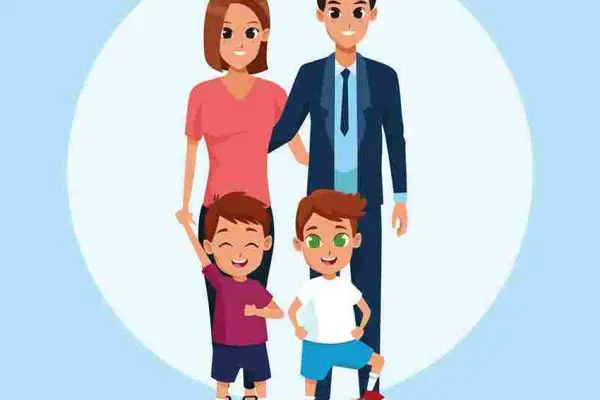
Have you ever seen a child who seems to carry the burdens of adults on their shoulders, speaking and acting with caution beyond their years? This child might belong to a family facing financial challenges, live in a troubling family atmosphere, or even take on the role of the adult among siblings for reasons like the absence of a parent. In this article, Tatmeen sheds light on the long-term impact of early maturity on mental and social health, and how this situation can be managed in a way that ensures a more balanced and happy life.
First, Why Might a Child Mature Early?
When we talk about early maturity, we don't just mean a high level of awareness or a child's ability to speak in a way beyond their age; rather, we mean what happens when a child takes on responsibilities or psychological and social burdens unsuitable for their age. The reasons vary. It might stem from family pressures requiring the child to help care for siblings, or from crises the parents are going through, where the little one finds themselves filling an emotional void. Some children are born with high social and intellectual intelligence, but this alone doesn't fully explain the phenomenon, as surrounding circumstances can accelerate this maturity beyond their innate abilities.
It's important to understand that early maturity can stem from necessity. A child witnessing family conflicts or financial difficulties becomes acutely aware of the responsibility to support the household, even through an idea or action they see as simple. Unfortunately, when asked to act like adults, they consequently lose a part of their innocence and childhood.
The Long-Term Impact of Early Maturity
Psychological Stress and Loss of Spontaneity
When a child carries the burden of maturing too soon, the spontaneous aspect of their life often disappears. You find them analyzing situations with an adult mindset, feeling the need to control their emotions for fear of making mistakes or adding to the surrounding turmoil. These psychological constraints can later turn into social anxiety or a constant feeling of tension, especially during adolescence, which requires significant emotional flexibility.
The World Health Organization indicates that psychological stress at an early age can form the basis for psychological problems that persist into adolescence, making addressing these stresses crucial for preventing long-term effects.
Difficulties in Building Social Relationships
Early maturity means the child thinks and behaves in ways that might seem strange to their peers. This difference often leads to difficulty integrating, making the child feel isolated or misunderstood by those around them. Over time, feelings of loneliness grow because they cannot enjoy activities that appeal to their peers, creating a psychological and social gap that affects their self-perception and how they communicate with others.
Emotional Exhaustion and Loss of Motivation
The issue isn't limited to relationships; the prematurely mature child often experiences a journey of emotional exhaustion. This might manifest as a dimming of passion or loss of motivation for tasks as they grow older. They haven't had periods of rest or moments of carefree fun like others, leading to a suppressed desire to escape responsibilities later on.
How to Protect Children from Early Maturity
Providing the Child with Emotional Security
A child who feels emotionally secure and knows there is someone who listens and supports them will be less likely to feel compelled to act like an adult. Striving to create a safe environment that includes constant dialogue, actively listening to their challenges, and expressing love and support makes the child feel they have the right to simply be a child.
Distributing Family Roles Fairly
It might be good for a child to participate in some simple household chores, but without exaggeration that turns them into an overly relied-upon member. Balance is important, so the child understands they have a positive role in the family, but not at the expense of their time for play, fun, and exploring hobbies.
Providing Opportunities for Play and Creativity
Promoting creativity and recreation restores children's right to childhood. Light family outings or artistic and sports activities can be organized to release their energy and vent their stresses. When allowed to participate in games that combine fun and learning, they regain confidence that childhood isn't just a bridge to cross towards adulthood, but a journey embraced with joy and discovery.
The Importance of Psychological Support
Even if we strive to create a safe environment for our children, some of them (or those who have become young adults after experiencing early maturity) may need to consult specialists. The accumulated psychological challenges might not always be solvable alone. This is where the importance of seeking help through Tatmeen comes in. It provides virtual clinics allowing direct communication with doctors and specialists licensed by the Saudi Ministry of Health via messages or voice and video calls.
By simply booking a consultation on Tatmeen, one can talk to professionals capable of assessing the situation and setting appropriate therapeutic goals. Whether it's about alleviating the effects of early maturity, rebuilding trust in others, or even learning skills for managing stress and anxiety, these applications serve as a lifeline in a world full of changes and pressures.
Frequently Asked Questions
Q: How do I know if my child is maturing too soon? A: Clear signs include your child refusing to play or engage in childish activities, always talking about major problems like a family head, appearing constantly worried and thoughtful, and bearing burdens beyond their capacity. Upon noticing these indicators, it is preferable to consult a specialist to assess the situation and determine the best ways to intervene.
Q: Can a child return to a normal state of childhood after early maturity? A: Yes, but it requires intensive support and care. Talking to mental health professionals can help empower the child to reclaim lost stages of childhood and learn healthy skills for dealing with life's stresses. The earlier the intervention begins, the better the chance of achieving better psychological balance.
Q: What is the role of Tatmeen in helping children and young adults overcome the effects of early maturity? A: Tatmeen app offers remote psychological consultations from licensed doctors and therapists, ensuring access to specialized support in a safe and comfortable environment. Through it, personal challenges can be discussed, and a treatment plan considering the user's emotional and behavioral aspects can be developed
A writer and researcher specializing in psychiatry, she focuses on mental health and the human emotions we experience but cannot always find the words to name. She writes about us—about humanity and the human experience—and simplifies complex topics to offer content that helps us better understand ourselves and life, ultimately making us feel less alone.
Every Tatmeen article is reviewed by care providers licensed by the Saudi Commission for Health Specialties, so what you read is accurate and trustworthy.
This article builds understanding and does not replace a licensed care provider.
Need someone to talk to?
Tatmeen's licensed care providers are available around the clock, and the app's urgent consultation connects you with one within minutes.
Download Tatmeen to explore care providers and booking options.
Smart matchingFour quick questions suggest the right care provider
Urgent consultationTalk to an available care provider within minutes
Free psychological measuresMore than 20 tests to understand how you are doing
Scan to download
{"data":{"id":"d4884620-44ae-4a3f-ad27-62dff4f94c33","slug":"parentified-children-early-maturity-future-effects","arTitle":"أطفال ناضجون قبل أوانهم: كيف يؤثر النضج المبكر على الحياة مستقبلاً؟","enTitle":"Children Who Grow Up Too Soon: How Parentification Affects Future Life","thumbnailAltText":"Small child silhouette carrying oversized adult burdens with a large adult shadow behind and warm light ahead","estimatedReadingTime":5,"likesCount":369,"writer":{"id":"3ab72b74-f26f-4337-9b47-3114b0f90de5","arBio":"كاتبة وباحثة متخصصة في مجال الطب النفسي، تهتم بموضوعات الصحة النفسية وبالمشاعر الإنسانية التي نختبرها ولا نجد دائمًا الكلمات لتسميتها. تكتب عنّا؛ عن الإنسان وتجربته، وتبسّط الموضوعات المعقّدة لتقدّم محتوى يساعدنا على فهم ذواتنا والحياة أكثر، ويجعلنا نشعر بأننا بوحدة أقل.","enBio":"A writer and researcher specializing in psychiatry, she focuses on mental health and the human emotions we experience but cannot always find the words to name. She writes about us—about humanity and the human experience—and simplifies complex topics to offer content that helps us better understand ourselves and life, ultimately making us feel less alone.","user":{"slug":"ayat-alnajar","arFullName":"آيات النجار","enFullName":"Ayat Al-Najjar","publicProfileImageUrl":"https://cdn.tatmeen.sa/public/profile-images/02384455-68fa-40b6-ad05-609fde65cafa/21b9a610dde5dfc6d37af110c23e9c7ab3946be080c281beb000debf4f7d31a6.webp","publicProfileImage96Url":"https://cdn.tatmeen.sa/public/profile-images/02384455-68fa-40b6-ad05-609fde65cafa/21b9a610dde5dfc6d37af110c23e9c7ab3946be080c281beb000debf4f7d31a6-w96.webp","publicProfileImage192Url":"https://cdn.tatmeen.sa/public/profile-images/02384455-68fa-40b6-ad05-609fde65cafa/21b9a610dde5dfc6d37af110c23e9c7ab3946be080c281beb000debf4f7d31a6-w192.webp"}},"arContent":"","enContent":"","productionDocument":{"headings":[{"id":"article-section-frequently-asked-questions","text":"Frequently Asked Questions"}],"faqs":[],"beforeSourcesHtml":"","sources":[],"afterSourcesHtml":"","blocks":[{"type":"html","html":"<p><span style=\"color:#000000\">Have you ever seen a child who seems to carry the burdens of adults on their shoulders, speaking and acting with caution beyond their years? This child might belong to a family facing financial challenges, live in a troubling family atmosphere, or even take on the role of the adult among siblings for reasons like the absence of a parent. In this article, Tatmeen sheds light on the long-term impact of early maturity on mental and social health, and how this situation can be managed in a way that ensures a more balanced and happy life.</span></p><h3><span style=\"color:#000000\"><strong>First, Why Might a Child Mature Early?</strong></span></h3><p><span style=\"color:#000000\">When we talk about early maturity, we don't just mean a high level of awareness or a child's ability to speak in a way beyond their age; rather, we mean what happens when a child takes on responsibilities or psychological and social burdens unsuitable for their age. The reasons vary. It might stem from family pressures requiring the child to help care for siblings, or from crises the parents are going through, where the little one finds themselves filling an emotional void. Some children are born with high social and intellectual intelligence, but this alone doesn't fully explain the phenomenon, as surrounding circumstances can accelerate this maturity beyond their innate abilities.</span></p><p><span style=\"color:#000000\">It's important to understand that early maturity can stem from necessity. A child witnessing family conflicts or financial difficulties becomes acutely aware of the responsibility to support the household, even through an idea or action they see as simple. Unfortunately, when asked to act like adults, they consequently lose a part of their innocence and childhood.</span></p><h3><span style=\"color:#000000\"><strong>The Long-Term Impact of Early Maturity</strong></span></h3><h4><span style=\"color:#000000\"><strong>Psychological Stress and Loss of Spontaneity</strong></span></h4><p><span style=\"color:#000000\">When a child carries the burden of maturing too soon, the spontaneous aspect of their life often disappears. You find them analyzing situations with an adult mindset, feeling the need to control their emotions for fear of making mistakes or adding to the surrounding turmoil. These psychological constraints can later turn into social anxiety or a constant feeling of tension, especially during adolescence, which requires significant emotional flexibility.</span></p><p><span style=\"color:#000000\">The World Health Organization indicates that psychological stress at an early age can form the basis for psychological problems that persist into adolescence, making addressing these stresses crucial for preventing long-term effects.</span></p><h4><span style=\"color:#000000\"><strong>Difficulties in Building Social Relationships</strong></span></h4><p><span style=\"color:#000000\">Early maturity means the child thinks and behaves in ways that might seem strange to their peers. This difference often leads to difficulty integrating, making the child feel isolated or misunderstood by those around them. Over time, feelings of loneliness grow because they cannot enjoy activities that appeal to their peers, creating a psychological and social gap that affects their self-perception and how they communicate with others.</span></p><h4><span style=\"color:#000000\"><strong>Emotional Exhaustion and Loss of Motivation</strong></span></h4><p><span style=\"color:#000000\">The issue isn't limited to relationships; the prematurely mature child often experiences a journey of emotional exhaustion. This might manifest as a dimming of passion or loss of motivation for tasks as they grow older. They haven't had periods of rest or moments of carefree fun like others, leading to a suppressed desire to escape responsibilities later on.</span></p><h3><span style=\"color:#000000\"><strong>How to Protect Children from Early Maturity</strong></span></h3><h4><span style=\"color:#000000\"><strong>Providing the Child with Emotional Security</strong></span></h4><p><span style=\"color:#000000\">A child who feels emotionally secure and knows there is someone who listens and supports them will be less likely to feel compelled to act like an adult. Striving to create a safe environment that includes constant dialogue, actively listening to their challenges, and expressing love and support makes the child feel they have the right to simply be a child.</span></p><h4><span style=\"color:#000000\"><strong>Distributing Family Roles Fairly</strong></span></h4><p><span style=\"color:#000000\">It might be good for a child to participate in some simple household chores, but without exaggeration that turns them into an overly relied-upon member. Balance is important, so the child understands they have a positive role in the family, but not at the expense of their time for play, fun, and exploring hobbies.</span></p><h4><span style=\"color:#000000\"><strong>Providing Opportunities for Play and Creativity</strong></span></h4><p><span style=\"color:#000000\">Promoting creativity and recreation restores children's right to childhood. Light family outings or artistic and sports activities can be organized to release their energy and vent their stresses. When allowed to participate in games that combine fun and learning, they regain confidence that childhood isn't just a bridge to cross towards adulthood, but a journey embraced with joy and discovery.</span></p><h3><span style=\"color:#000000\"><strong>The Importance of Psychological Support</strong></span></h3><p><span style=\"color:#000000\">Even if we strive to create a safe environment for our children, some of them (or those who have become young adults after experiencing early maturity) may need to consult specialists. The accumulated psychological challenges might not always be solvable alone. This is where the importance of seeking help through Tatmeen comes in. It provides virtual clinics allowing direct communication with doctors and specialists licensed by the Saudi Ministry of Health via messages or voice and video calls.</span></p><p><span style=\"color:#000000\">By simply <u>booking a consultation on Tatmeen</u>, one can talk to professionals capable of assessing the situation and setting appropriate therapeutic goals. Whether it's about alleviating the effects of early maturity, rebuilding trust in others, or even learning skills for managing stress and anxiety, these applications serve as a lifeline in a world full of changes and pressures.</span></p><h2 id=\"article-section-frequently-asked-questions\" data-toc-heading tabindex=\"-1\"><span id=\"frequently-asked-questions-1\" aria-hidden=\"true\"></span><span style=\"color:#000000\"><strong>Frequently Asked Questions</strong></span></h2><p><span style=\"color:#000000\"><strong>Q: How do I know if my child is maturing too soon?<br /></strong>A: Clear signs include your child refusing to play or engage in childish activities, always talking about major problems like a family head, appearing constantly worried and thoughtful, and bearing burdens beyond their capacity. Upon noticing these indicators, it is preferable to consult a specialist to assess the situation and determine the best ways to intervene.</span></p><p><span style=\"color:#000000\"><strong>Q: Can a child return to a normal state of childhood after early maturity?<br /></strong>A: Yes, but it requires intensive support and care. Talking to mental health professionals can help empower the child to reclaim lost stages of childhood and learn healthy skills for dealing with life's stresses. The earlier the intervention begins, the better the chance of achieving better psychological balance.</span></p><p><span style=\"color:#000000\"><strong>Q: What is the role of Tatmeen in helping children and young adults overcome the effects of early maturity?<br /></strong>A: Tatmeen app offers remote psychological consultations from licensed doctors and therapists, ensuring access to specialized support in a safe and comfortable environment. Through it, personal challenges can be discussed, and a treatment plan considering the user's emotional and behavioral aspects can be developed</span></p>"}],"inlineCtaSignatures":[],"_experienceAliases":{"v":1,"fields":["html","bodyHtml"]}},"createdAt":"2026-04-06T22:00:00.000Z","updatedAt":"2026-06-24T23:51:42.239Z","disorderGroups":[{"id":"9fbda432-3713-400a-987b-3d56754a113e","slug":"children-and-adolescents","arName":"الأطفال والمراهقين","enName":"Children & Adolescents"}],"reviewer":{"arFullName":"فريق تطمين","enFullName":"Tatmeen team","slug":"tatmeen-team","kind":"organization"},"productionArticle":true,"promotionAllowed":true,"preparedCover":{"src":"https://cdn.tatmeen.sa/public/article-lcp/article-lcp-v2/sha256-1b104f945d1b6723df0bc4ffd522bd8edbabffc7d349f99e617edc407a2a4515/800-adfb85b175621d0bc8c2e4805b5abef9d08cb34b1651f25bf03c8fab743e8f66.avif","fallback":"https://cdn.tatmeen.sa/public/article-lcp/article-lcp-v2/sha256-1b104f945d1b6723df0bc4ffd522bd8edbabffc7d349f99e617edc407a2a4515/800-c073e5dd4f811cefb4488eb0ef0f5f0bc02882021f1d239b09b565ff8e1f63d3.webp","directUrl":"https://cdn.tatmeen.sa/blog-cover/Tatmeen-1775540619113.webp","isGolden":true,"avifSrcset":"https://cdn.tatmeen.sa/public/article-lcp/article-lcp-v2/sha256-1b104f945d1b6723df0bc4ffd522bd8edbabffc7d349f99e617edc407a2a4515/400-a6abd4bbcece36c6f22a98ff83c1725a12bc796de99f1e616853fa99a13a6e85.avif 400w, https://cdn.tatmeen.sa/public/article-lcp/article-lcp-v2/sha256-1b104f945d1b6723df0bc4ffd522bd8edbabffc7d349f99e617edc407a2a4515/640-abc738b599a94cec55f21b428329035d4fabff02886b5a77777807789a899ad0.avif 640w, https://cdn.tatmeen.sa/public/article-lcp/article-lcp-v2/sha256-1b104f945d1b6723df0bc4ffd522bd8edbabffc7d349f99e617edc407a2a4515/800-adfb85b175621d0bc8c2e4805b5abef9d08cb34b1651f25bf03c8fab743e8f66.avif 800w, https://cdn.tatmeen.sa/public/article-lcp/article-lcp-v2/sha256-1b104f945d1b6723df0bc4ffd522bd8edbabffc7d349f99e617edc407a2a4515/1200-459d7fd28d9879128586f171a86d9c435c539fd5f6e73c62e3d527e5aa7b13ff.avif 1200w","webpSrcset":"https://cdn.tatmeen.sa/public/article-lcp/article-lcp-v2/sha256-1b104f945d1b6723df0bc4ffd522bd8edbabffc7d349f99e617edc407a2a4515/400-15c2b902827f4bb7f61fcf3fd246d945b99097cc685ec6b409a14ab636238435.webp 400w, https://cdn.tatmeen.sa/public/article-lcp/article-lcp-v2/sha256-1b104f945d1b6723df0bc4ffd522bd8edbabffc7d349f99e617edc407a2a4515/640-7fe49d3682f23589add66be2e8569cbcacf7746dd81e69ada13c3970618087bb.webp 640w, https://cdn.tatmeen.sa/public/article-lcp/article-lcp-v2/sha256-1b104f945d1b6723df0bc4ffd522bd8edbabffc7d349f99e617edc407a2a4515/800-c073e5dd4f811cefb4488eb0ef0f5f0bc02882021f1d239b09b565ff8e1f63d3.webp 800w, https://cdn.tatmeen.sa/public/article-lcp/article-lcp-v2/sha256-1b104f945d1b6723df0bc4ffd522bd8edbabffc7d349f99e617edc407a2a4515/1200-4f149e2ef5ea3eed3be7f4490bbd97c71869b367d9fc7c1b051e92d2b7acf9fe.webp 1200w","phoneAvifSrcset":"https://cdn.tatmeen.sa/public/article-lcp/article-lcp-v2/sha256-1b104f945d1b6723df0bc4ffd522bd8edbabffc7d349f99e617edc407a2a4515/400-a6abd4bbcece36c6f22a98ff83c1725a12bc796de99f1e616853fa99a13a6e85.avif 400w, https://cdn.tatmeen.sa/public/article-lcp/article-lcp-v2/sha256-1b104f945d1b6723df0bc4ffd522bd8edbabffc7d349f99e617edc407a2a4515/640-abc738b599a94cec55f21b428329035d4fabff02886b5a77777807789a899ad0.avif 640w, https://cdn.tatmeen.sa/public/article-lcp/article-lcp-v2/sha256-1b104f945d1b6723df0bc4ffd522bd8edbabffc7d349f99e617edc407a2a4515/800-adfb85b175621d0bc8c2e4805b5abef9d08cb34b1651f25bf03c8fab743e8f66.avif 800w","phoneWebpSrcset":"https://cdn.tatmeen.sa/public/article-lcp/article-lcp-v2/sha256-1b104f945d1b6723df0bc4ffd522bd8edbabffc7d349f99e617edc407a2a4515/400-15c2b902827f4bb7f61fcf3fd246d945b99097cc685ec6b409a14ab636238435.webp 400w, https://cdn.tatmeen.sa/public/article-lcp/article-lcp-v2/sha256-1b104f945d1b6723df0bc4ffd522bd8edbabffc7d349f99e617edc407a2a4515/640-7fe49d3682f23589add66be2e8569cbcacf7746dd81e69ada13c3970618087bb.webp 640w, https://cdn.tatmeen.sa/public/article-lcp/article-lcp-v2/sha256-1b104f945d1b6723df0bc4ffd522bd8edbabffc7d349f99e617edc407a2a4515/800-c073e5dd4f811cefb4488eb0ef0f5f0bc02882021f1d239b09b565ff8e1f63d3.webp 800w","width":800,"height":447},"previewTaxonomy":{"groups":[{"id":"9fbda432-3713-400a-987b-3d56754a113e","slug":"children-and-adolescents","arName":"الأطفال والمراهقين","enName":"Children & Adolescents"}],"topics":[{"id":"f700a37f-8e7e-40b0-a077-34015abb672f","slug":"childhood-disorders","arName":"اضطرابات الطفولة","enName":"Childhood Disorders","groupSlug":"children-and-adolescents","href":"/blog/category/children-and-adolescents/childhood-disorders/"},{"id":"aa57ccb9-d146-4629-8aa1-8b6d36c4c9ee","slug":"parenting-skills","arName":"تربية الأطفال","enName":"Parenting Skills","groupSlug":"children-and-adolescents","href":"/blog/category/children-and-adolescents/parenting-skills/"}],"tags":[{"id":"7e99b2b9-b043-4918-bc29-d0e88dc92879","slug":"family-of-origin-wounds","arName":"جراح الطفولة والأسرة الأصلية","enName":"Childhood & Family-of-Origin Wounds"},{"id":"47cc1c83-9579-4656-8e94-f3df78961987","slug":"teens-adolescents","arName":"المراهقون","enName":"Teens & Adolescents"},{"id":"52aa8812-914e-495a-9ed5-13bec6c39a93","slug":"parents-children","arName":"الآباء والأطفال","enName":"Parents & Children"},{"id":"c2a6e8d3-de9c-435f-8c95-9727e7db14cc","slug":"explainer-awareness","arName":"دليل توعوي / شرح","enName":"Explainer / Awareness Guide"}]},"previewProviderRecommendations":[{"id":"d754a189-f8c9-4aad-b4aa-a5dbd26c0bd7","slug":"talal-alshowaier-8694","arFullName":"طلال الشويعر","enFullName":"Talal Alshowaier","publicProfileImageUrl":"https://cdn.tatmeen.sa/public/profile-images/d754a189-f8c9-4aad-b4aa-a5dbd26c0bd7/74feb27848a47cf43189f6b5951e06a9b87b08269021d5bab765092fc65fce42.webp","publicProfileImage96Url":"https://cdn.tatmeen.sa/public/profile-images/d754a189-f8c9-4aad-b4aa-a5dbd26c0bd7/74feb27848a47cf43189f6b5951e06a9b87b08269021d5bab765092fc65fce42-w96.webp","publicProfileImage192Url":"https://cdn.tatmeen.sa/public/profile-images/d754a189-f8c9-4aad-b4aa-a5dbd26c0bd7/74feb27848a47cf43189f6b5951e06a9b87b08269021d5bab765092fc65fce42-w192.webp","specialization":{"arName":"أخصائي نفسي","enName":"Psychologist"},"profileImageUrl":"https://cdn.tatmeen.sa/public/profile-images/d754a189-f8c9-4aad-b4aa-a5dbd26c0bd7/74feb27848a47cf43189f6b5951e06a9b87b08269021d5bab765092fc65fce42-w192.webp","experienceYears":3,"consultantInfo":{"averageRating":{"average":5},"specialization":{"arGeneralName":"أخصائي نفسي","enGeneralName":"Psychologist"}}},{"id":"3d7ba28f-13ad-4c7b-926b-23e351d1dc9c","slug":"reyouf-alabdan-7326","arFullName":"ريوف العبدان","enFullName":"Reyouf Alabdan","publicProfileImageUrl":"","publicProfileImage96Url":"","publicProfileImage192Url":"","specialization":{"arName":"أخصائي نفسي","enName":"Psychologist"},"profileImageUrl":"","experienceYears":3,"consultantInfo":{"averageRating":{"average":5},"specialization":{"arGeneralName":"أخصائي نفسي","enGeneralName":"Psychologist"}}},{"id":"b272b77a-858d-42cf-a61f-92c482de6ed1","slug":"rawan-almutairi-8752","arFullName":"روان المطيري","enFullName":"Rawan Almutairi","publicProfileImageUrl":"","publicProfileImage96Url":"","publicProfileImage192Url":"","specialization":{"arName":"أخصائي نفسي","enName":"Psychologist"},"profileImageUrl":"","experienceYears":3,"consultantInfo":{"averageRating":{"average":5},"specialization":{"arGeneralName":"أخصائي نفسي","enGeneralName":"Psychologist"}}}],"previewCareProviders":[{"id":"09364052-c2a9-4c52-9717-7ce2093b8d0a","slug":"kholoud-alharbi-5221","arFullName":"خلود الحربي","enFullName":"Kholoud Alharbi","publicProfileImageUrl":"https://cdn.tatmeen.sa/public/profile-images/09364052-c2a9-4c52-9717-7ce2093b8d0a/4a0aeb81619e351b77f4323e3605a0a00acc7ca3c82ee7cc5ca2c9e8ef716049.webp","publicProfileImage96Url":"https://cdn.tatmeen.sa/public/profile-images/09364052-c2a9-4c52-9717-7ce2093b8d0a/4a0aeb81619e351b77f4323e3605a0a00acc7ca3c82ee7cc5ca2c9e8ef716049-w96.webp","publicProfileImage192Url":"https://cdn.tatmeen.sa/public/profile-images/09364052-c2a9-4c52-9717-7ce2093b8d0a/4a0aeb81619e351b77f4323e3605a0a00acc7ca3c82ee7cc5ca2c9e8ef716049-w192.webp","gender":"FEMALE","specialization":{"arName":"أخصائي نفسي","enName":"Psychologist"}},{"id":"6f037535-1dca-4b50-a8b2-5974b7323286","slug":"salah-althobaiti-9053","arFullName":"صلاح الثبيتي","enFullName":"Salah Althobaiti","publicProfileImageUrl":"https://cdn.tatmeen.sa/public/profile-images/6f037535-1dca-4b50-a8b2-5974b7323286/35b6bd7fad9b1e004c1835803eb9c1b56dcacd380685ec8bff141f0fb888005c.webp","publicProfileImage96Url":"https://cdn.tatmeen.sa/public/profile-images/6f037535-1dca-4b50-a8b2-5974b7323286/35b6bd7fad9b1e004c1835803eb9c1b56dcacd380685ec8bff141f0fb888005c-w96.webp","publicProfileImage192Url":"https://cdn.tatmeen.sa/public/profile-images/6f037535-1dca-4b50-a8b2-5974b7323286/35b6bd7fad9b1e004c1835803eb9c1b56dcacd380685ec8bff141f0fb888005c-w192.webp","gender":"MALE","specialization":{"arName":"أخصائي نفسي","enName":"Psychologist"}},{"id":"3cc806e8-616b-4884-9f21-a75b378580a2","slug":"aisha-al-hashim-8667","arFullName":"عائشة ال هاشم","enFullName":"Aisha Al Hashim","publicProfileImageUrl":"https://cdn.tatmeen.sa/public/profile-images/3cc806e8-616b-4884-9f21-a75b378580a2/27f523d03be4dcfa1f6a79f70c1773887434e698990d214cd990caec56a44798.webp","publicProfileImage96Url":"https://cdn.tatmeen.sa/public/profile-images/3cc806e8-616b-4884-9f21-a75b378580a2/27f523d03be4dcfa1f6a79f70c1773887434e698990d214cd990caec56a44798-w96.webp","publicProfileImage192Url":"https://cdn.tatmeen.sa/public/profile-images/3cc806e8-616b-4884-9f21-a75b378580a2/27f523d03be4dcfa1f6a79f70c1773887434e698990d214cd990caec56a44798-w192.webp","gender":"FEMALE","specialization":{"arName":"أخصائي نفسي","enName":"Psychologist"}},{"id":"94765496-dbdf-4631-a01b-7df5f788668d","slug":"abdullrahman-alhamoudi-3045","arFullName":"عبدالرحمن الحمودي","enFullName":"Abdulrahman Alhamoudi","publicProfileImageUrl":"https://cdn.tatmeen.sa/public/profile-images/94765496-dbdf-4631-a01b-7df5f788668d/2d49f6b6493c564afb6f50b6c3634231dff3a5cf8353acfab393d1b2a88037d1.webp","publicProfileImage96Url":"https://cdn.tatmeen.sa/public/profile-images/94765496-dbdf-4631-a01b-7df5f788668d/2d49f6b6493c564afb6f50b6c3634231dff3a5cf8353acfab393d1b2a88037d1-w96.webp","publicProfileImage192Url":"https://cdn.tatmeen.sa/public/profile-images/94765496-dbdf-4631-a01b-7df5f788668d/2d49f6b6493c564afb6f50b6c3634231dff3a5cf8353acfab393d1b2a88037d1-w192.webp","gender":"MALE","specialization":{"arName":"أخصائي نفسي","enName":"Psychologist"}},{"id":"618dba89-5b70-4b46-8304-741b7ac8ecd3","slug":"abdullah-mari-1311","arFullName":"عبدالله مرعي","enFullName":"Abdullah Mari","publicProfileImageUrl":"https://cdn.tatmeen.sa/public/profile-images/618dba89-5b70-4b46-8304-741b7ac8ecd3/6b4a3bfb59f8a304ca79083b32859b46baad2e1d692974a47c02c1f66bd11129.webp","publicProfileImage96Url":"https://cdn.tatmeen.sa/public/profile-images/618dba89-5b70-4b46-8304-741b7ac8ecd3/6b4a3bfb59f8a304ca79083b32859b46baad2e1d692974a47c02c1f66bd11129-w96.webp","publicProfileImage192Url":"https://cdn.tatmeen.sa/public/profile-images/618dba89-5b70-4b46-8304-741b7ac8ecd3/6b4a3bfb59f8a304ca79083b32859b46baad2e1d692974a47c02c1f66bd11129-w192.webp","gender":"MALE","specialization":{"arName":"أخصائي نفسي","enName":"Psychologist"}},{"id":"d4ffcb6b-90a7-45b6-b941-964866f4564b","slug":"dhaifallah-alhumaidi-1092","arFullName":"ضيف الله الحميدي","enFullName":"Dhaifallah Alhumaidi","publicProfileImageUrl":"https://cdn.tatmeen.sa/public/profile-images/d4ffcb6b-90a7-45b6-b941-964866f4564b/1817171c5828a9b57d6c30d12332cf154e335272548bc90a6e8456d74d356956.webp","publicProfileImage96Url":"https://cdn.tatmeen.sa/public/profile-images/d4ffcb6b-90a7-45b6-b941-964866f4564b/1817171c5828a9b57d6c30d12332cf154e335272548bc90a6e8456d74d356956-w96.webp","publicProfileImage192Url":"https://cdn.tatmeen.sa/public/profile-images/d4ffcb6b-90a7-45b6-b941-964866f4564b/1817171c5828a9b57d6c30d12332cf154e335272548bc90a6e8456d74d356956-w192.webp","gender":"MALE","specialization":{"arName":"أخصائي نفسي","enName":"Psychologist"}},{"id":"d8fb937b-ad65-4b6f-a65b-276ad8258fed","slug":"azza-alharbi-7286","arFullName":"عزه الحربي","enFullName":"Azza Alharbi","publicProfileImageUrl":"https://cdn.tatmeen.sa/public/profile-images/d8fb937b-ad65-4b6f-a65b-276ad8258fed/378a8ab30f4087833263c41fb2c3102028cbe6bb9655172d7b3439ee1d6b0800.webp","publicProfileImage96Url":"https://cdn.tatmeen.sa/public/profile-images/d8fb937b-ad65-4b6f-a65b-276ad8258fed/378a8ab30f4087833263c41fb2c3102028cbe6bb9655172d7b3439ee1d6b0800-w96.webp","publicProfileImage192Url":"https://cdn.tatmeen.sa/public/profile-images/d8fb937b-ad65-4b6f-a65b-276ad8258fed/378a8ab30f4087833263c41fb2c3102028cbe6bb9655172d7b3439ee1d6b0800-w192.webp","gender":"FEMALE","specialization":{"arName":"أخصائي نفسي","enName":"Psychologist"}},{"id":"025d770d-f6d4-405b-be1c-d45dde63fbf7","slug":"akila-alomran-7545","arFullName":"عقيله العمران","enFullName":"Akila Alomran","publicProfileImageUrl":"https://cdn.tatmeen.sa/public/profile-images/025d770d-f6d4-405b-be1c-d45dde63fbf7/44a990b9294f02c9810c69a68b8913a6afac0eb30d1b7494155f31b6dde9378b.webp","publicProfileImage96Url":"https://cdn.tatmeen.sa/public/profile-images/025d770d-f6d4-405b-be1c-d45dde63fbf7/44a990b9294f02c9810c69a68b8913a6afac0eb30d1b7494155f31b6dde9378b-w96.webp","publicProfileImage192Url":"https://cdn.tatmeen.sa/public/profile-images/025d770d-f6d4-405b-be1c-d45dde63fbf7/44a990b9294f02c9810c69a68b8913a6afac0eb30d1b7494155f31b6dde9378b-w192.webp","gender":"FEMALE","specialization":{"arName":"أخصائي نفسي","enName":"Psychologist"}}],"previewDownload":{"href":"/download","title":{"ar":"خطوة واحدة لأجلك، ابدأ الآن","en":"One step for you, start now"},"description":{"ar":"حمّل تطبيق تطمين لاستكشاف مقدمي الرعاية وخيارات الحجز.","en":"Download Tatmeen to explore care providers and booking options."},"posterSrc":"/images/home/cta-ar-new-1.webp","videoSrc":"/images/home/cta-ar-new-1.mp4","videoPosterSrc":"/images/home/cta-ar-new-1.webp","videoPosterEnSrc":"/images/home/cta-en-new-1.webp","videoType":"video/mp4","appStoreHref":"https://apps.apple.com/us/app/tatmeen-%D8%AA%D8%B7%D9%85%D9%8A%D9%86/id6473836983","googlePlayHref":"https://play.google.com/store/apps/details?id=com.TatmeenApp.user&hl=en"},"previewRelatedArticles":[{"id":"d44f2417-6860-417e-a198-250501ea55ef","slug":"Childhood-depression","route":"/blog/Childhood-depression/","title":{"ar":"اكتئاب الاطفال - كيف أعرف اذا كان طفلي مكتئب؟","en":"Childhood Depression: Causes, Signs, and Treatment"},"image":"https://cdn.tatmeen.sa/public/article-lcp/article-lcp-v2/sha256-b7eb88cbc6e321d2783e6f98bfcca5845b7ac4658505844f7a6d1603550dec74/600-be0031bd7e652d7b9c6563c2999281305371bec75250abf0168b4936cdad94c0.webp","directImageFallback":"https://cdn.tatmeen.sa/blog-cover/1704641832389-Tatmeen-img-584","arThumbnailAltText":"Child sitting with knees drawn up beside a stuffed dog against a blue backdrop","thumbnailAltText":"Child sitting with knees drawn up beside a stuffed dog against a blue backdrop","topic":{"label":{"ar":"الأطفال والمراهقين","en":"Children & Adolescents"}},"readingTimeMinutes":5},{"id":"50b37085-d4ce-43fe-9a31-0d40fb1bb8a2","slug":"Acceptance-of-Others","route":"/blog/Acceptance-of-Others/","title":{"ar":"قبول الاخرين - أن تتقبل بأنك غير كامل هو جزء من تقبلك للاخر","en":"Accepting Others Begins with Accepting Your Imperfection"},"image":"https://cdn.tatmeen.sa/public/article-lcp/article-lcp-v2/sha256-0b32568ce3d2995486823e680c23d3992f9de67a4550f48e2aea8f74bf6ec444/600-b48c152bee6babc9efdd7657862b630061f6648942685988c03de77b29d8921a.webp","directImageFallback":"https://cdn.tatmeen.sa/blog-cover/1706455786740-Tatmeen-971.jpg","arThumbnailAltText":"Person faces a round mirror as their reflection points back at them","thumbnailAltText":"Person faces a round mirror as their reflection points back at them","topic":{"label":{"ar":"الأطفال والمراهقين","en":"Children & Adolescents"}},"readingTimeMinutes":5},{"id":"dccae61c-74fc-4389-b634-a05cce1a0ffc","slug":"Co-Parenting-After-Divorce-14-Tips","route":"/blog/Co-Parenting-After-Divorce-14-Tips/","title":{"ar":"كيف يمكن تربية الاطفال بعد الطلاق ١٤ نصيحة","en":"Co-Parenting After Divorce: 14 Tips"},"image":"https://cdn.tatmeen.sa/public/article-lcp/article-lcp-v2/sha256-61356196e13cd93ff111c4d0d8ba076e7d832bb2af2a019f62540ac82f24551a/709-86b3b0bf9b577e1b1229d48e4ad5b6324fb39e80720ce59c3df68fd24885e720.webp","directImageFallback":"https://cdn.tatmeen.sa/blog-cover/1706455743256-Tatmeen-293.jpg","arThumbnailAltText":"Child holds a sneaker's laces while two adults sit apart behind them","thumbnailAltText":"Child holds a sneaker's laces while two adults sit apart behind them","topic":{"label":{"ar":"الأطفال والمراهقين","en":"Children & Adolescents"}},"readingTimeMinutes":5},{"id":"8965f5f3-9ffd-40cd-8547-d380805309ce","slug":"The-pursuit-of-ideal-parenting","route":"/blog/The-pursuit-of-ideal-parenting/","title":{"ar":"السعي وراء التربية المثالية","en":"The Pursuit of Perfect Parenting"},"image":"https://cdn.tatmeen.sa/public/article-lcp/article-lcp-v2/sha256-8152efc5755e85f1db6da0401eef7c438efc6f5d1d893b01e977369f9a859a25/600-6f2ba6dc880ff6d81c2a3c88af48b88a40a7a476a074854bc6603caa85379b8a.webp","directImageFallback":"https://cdn.tatmeen.sa/blog-cover/1704640605995-Tatmeen-img-980","arThumbnailAltText":"Cartoon of two adults standing behind two smiling children","thumbnailAltText":"Cartoon of two adults standing behind two smiling children","topic":{"label":{"ar":"الأطفال والمراهقين","en":"Children & Adolescents"}},"readingTimeMinutes":5}],"previewRelatedReadStates":{}},"locale":"en","device":"desktop","path":"/en/blog/parentified-children-early-maturity-future-effects/","readingControls":false,"config":{"public":{"BUCKET_URL":"https://cdn.tatmeen.sa/","APP_BASE_URL":"https://tatmeen.sa","intercomAppId":"ppcnu9e3"}}}