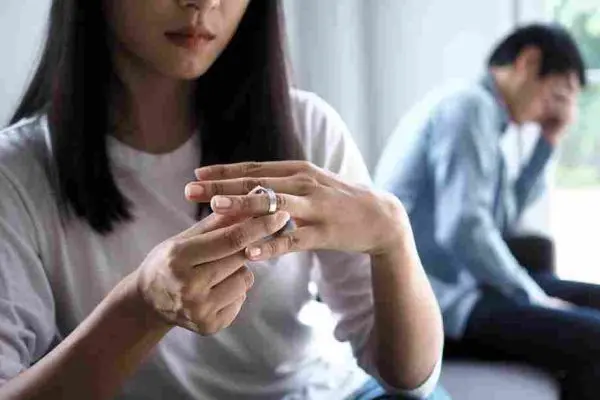
The psychological effects of marital betrayal are not just manifested in tears or long sleepless nights; sometimes, they shake your sense of security to its core, making you feel like the ground beneath you has shifted, as though the world you once knew is no longer the same. You might wake up each morning with a painful question in your heart: Why did this happen to me? Did I deserve all this pain?
It is natural to experience a mix of shock, anger, sadness, and perhaps even embarrassment or guilt, even if you are the victim. According to specialists from the Tatmeen platform, many husbands and wives have shared that the moment of discovering betrayal was a sharp breaking point in their lives, but with time—and the right support—they realize that this painful moment can also be the beginning of something different: the start of a deeper journey of healing, regaining a sense of worth and dignity, whether the relationship continues or you ultimately decide to move on.
In this article, we will walk with you step-by-step in understanding what you're feeling and how you can begin the healing process without having to face this experience alone.
Understanding the Psychological Effects of Marital Betrayal
Betrayal is not just a fleeting mistake but a true emotional shock. Specialized research indicates that exposure to betrayal can be linked to the emergence of persistent anxiety, difficulty concentrating, anger outbursts, and even symptoms resembling post-traumatic stress disorder (PTSD), especially when the relationship is the primary source of safety in a person’s life.
Healthline defines Betrayal Trauma as a type of trauma that occurs when harm comes from someone who is supposed to be a source of safety, like a spouse, making the brain live in a state of confusion between the need for this person and the fear of them at the same time.
How Does Betrayal Affect Your Self-Image?
Many people suffering from betrayal describe a sharp feeling of self-image collapse:
“Am I not enough?” “If I were more beautiful, thinner, calmer… would this have happened?”
These questions are painful, but they are entirely natural in the context of trauma. The problem is not with you, but with the other person’s choice to betray. The ethical responsibility lies with the one who betrayed, even if the relationship had its challenges before. It is important to allow yourself to see the full picture: Betrayal may uncover old wounds or weak communication patterns in the relationship, but it does not negate your worth as a person, nor as a husband or wife. Rebuilding your self-image is a key part of the healing process, and perhaps even more important than repairing the relationship itself.
The Body Also Feels the Pain
The psychological effects of marital betrayal do not only stay at the emotional level; the body expresses its own way of suffering:
Insomnia or disturbed sleep
Frequent headaches
Stomach pain
Loss of appetite or excessive emotional eating
Increased heart rate when remembering the incident or facing the other person
Betrayal may also leave long-term effects such as chronic anxiety and depression if the trauma is not consciously addressed.
If you notice these symptoms persist for weeks or months and impact your work or relationship with your children, this is a signal from your body that you need real support, not to just pretend to be strong.
Practical Steps to Overcome the Psychological Effects of Marital Betrayal
There is no one-size-fits-all approach, but there are common steps that help many people get through this painful phase with as little internal bleeding as possible.
1. Allow Yourself to Grieve Safely
It is your right to feel angry, to cry, to feel jealous, to hate, to long… all of these emotions are part of the mourning process for what you thought was stable.
Try not to judge yourself: “I should be stronger,” “I don’t want to appear weak.” True strength is not in suppressing your emotions, but in facing them in a safe space, whether with a trusted friend or a therapist. Many clients of Tatmeen report that simply telling their story aloud reduces the intensity of the internal pain because it releases them from the repetitive cycle of thoughts inside their head.
2. Organize Your Emotions Before Making Major Decisions
After betrayal, you might feel a strong urge to make life-altering decisions quickly: divorce, moving out, cutting contact, or even the opposite—clinging to the other person out of fear of loss. Before making any major decision, try to give yourself time to relax and organize your emotions. Some simple practices that can help include:
Deep breathing exercises for a few minutes when you feel your heart racing.
Writing down what you feel on paper or in your phone notes without editing or judgment.
Going for a walk, even for a few minutes, to release physical tension.
These steps do not solve the problem, but they make you less impulsive and more able to think calmly, which is crucial in the post-trauma phase.
3. Rebuild Trust with Yourself First
Before asking: “Can I trust him/her again?” ask yourself: “Can I trust myself and my choices?”
Rebuilding trust with yourself means:
Listening to your inner voice
Respecting your boundaries
Not forcing yourself to forgive, continue, or separate before you are ready
It might help to ask yourself every day: What small thing can I do today to feel safer, even by 5%? Sometimes, that small thing is reaching out to a friend, booking a therapy session, or even tidying your room to restore a sense of control in your life.
4. The Decision to Stay or Separate… A Gradual Decision
Some couples choose to try again, while others opt to end the relationship. There is no one correct option for everyone; the right decision is the one that preserves your dignity and psychological well-being in the long term. Many relationships can be rebuilt after betrayal if both parties commit to deep honesty and regular psychological therapy, while in other relationships, separation may be a healthier step. According to specialists from Tatmeen, in individual and couple therapy sessions, having a neutral professional third party helps in:
Organizing the dialogue between the spouses, free from accusations.
Understanding the deeper reasons that preceded the betrayal.
Creating a clear plan: Do we rebuild the relationship? Or do we separate respectfully?
The advantage of online therapy is that it allows you and your partner—if they are willing—to talk from your comfortable spaces and at a pace that suits you, without the pressure of appearing before others.
When Do You Need Immediate Professional Help?
Seek urgent professional help if you notice any of the following:
Repeated thoughts of self-harm or a desire to give up on life.
Escalating verbal or physical violence between you and the other person.
Severe depression symptoms: stopping work or studies, complete neglect of your basic needs, severe social isolation.
In such cases, do not wait until things calm down. Reaching out to a therapist is a courageous step to protect yourself and those around you.
If you feel that the wound of betrayal follows you into every detail of your day and you do not know where to begin, booking a therapy session with Tatmeen may be an opportunity to organize your thoughts and create a roadmap for the next stage. Tatmeen relies on licensed specialists and therapists who offer sessions through writing, voice, or video, allowing you to choose the form that feels safest and most private, especially in sensitive issues like marital betrayal.
Healing is Possible, Even If You Don’t Forget
Overcoming the psychological effects of marital betrayal is not a straight or quick path; there will be days when you feel like you’ve made progress, and others when it feels like you’ve taken a step backward. This is normal. What matters is that you continue to respect your emotions, care for your body, and seek trusted support when the burden of the thought becomes too heavy to carry alone.
And no matter what your final decision is regarding the relationship, you can build a new, kinder, and clearer relationship with yourself. If at any moment you feel you need someone to guide you through this journey with professionalism and listening, Tatmeen may be one of the available options to start taking small steps toward healing, from wherever you are and at your own pace.
Frequently Asked Questions
Can I trust again after marital betrayal?
Yes, but trust after betrayal is not restored the way it was; it must be rebuilt with clearer terms and healthier boundaries. You may choose to rebuild trust in yourself alone, or in your partner as well if they commit to taking responsibility and working deeply on changing their behavior and communication.
How long does it take to heal from the psychological effects of marital betrayal?
There is no fixed timeline; for some people, healing may begin within months, while for others, it may take a year or more. This depends on the severity of the trauma, the presence of social and therapeutic support, and the genuine commitment of the other party to reform if the relationship continues.
Do I need therapy even if I decide to separate?
Therapy is beneficial in both cases; whether you choose to continue or end the relationship, therapy helps you understand what happened, process feelings of guilt or anger, protect yourself from repeating painful patterns in future relationships, and support you in handling children if you have any.
A writer and researcher specializing in psychiatry, she focuses on mental health and the human emotions we experience but cannot always find the words to name. She writes about us—about humanity and the human experience—and simplifies complex topics to offer content that helps us better understand ourselves and life, ultimately making us feel less alone.
Every Tatmeen article is reviewed by care providers licensed by the Saudi Commission for Health Specialties, so what you read is accurate and trustworthy.
This article builds understanding and does not replace a licensed care provider.
Need someone to talk to?
Tatmeen's licensed care providers are available around the clock, and the app's urgent consultation connects you with one within minutes.
Download Tatmeen to explore care providers and booking options.
Smart matchingFour quick questions suggest the right care provider
Urgent consultationTalk to an available care provider within minutes
Free psychological measuresMore than 20 tests to understand how you are doing
Scan to download
{"data":{"id":"b65877cd-6592-4f61-8f5e-a81daffb2179","slug":"overcome-psychological-effects-marital-betrayal","arTitle":"كيف أتجاوز الآثار النفسية للخيانة الزوجية؟","enTitle":"How to Overcome the Psychological Effects of Marital Betrayal","thumbnailAltText":"Broken heart-shaped stone repaired with gold seams, sprouting a green shoot of new growth.","estimatedReadingTime":5,"likesCount":120,"writer":{"id":"3ab72b74-f26f-4337-9b47-3114b0f90de5","arBio":"كاتبة وباحثة متخصصة في مجال الطب النفسي، تهتم بموضوعات الصحة النفسية وبالمشاعر الإنسانية التي نختبرها ولا نجد دائمًا الكلمات لتسميتها. تكتب عنّا؛ عن الإنسان وتجربته، وتبسّط الموضوعات المعقّدة لتقدّم محتوى يساعدنا على فهم ذواتنا والحياة أكثر، ويجعلنا نشعر بأننا بوحدة أقل.","enBio":"A writer and researcher specializing in psychiatry, she focuses on mental health and the human emotions we experience but cannot always find the words to name. She writes about us—about humanity and the human experience—and simplifies complex topics to offer content that helps us better understand ourselves and life, ultimately making us feel less alone.","user":{"slug":"ayat-alnajar","arFullName":"آيات النجار","enFullName":"Ayat Al-Najjar","publicProfileImageUrl":"https://cdn.tatmeen.sa/public/profile-images/02384455-68fa-40b6-ad05-609fde65cafa/21b9a610dde5dfc6d37af110c23e9c7ab3946be080c281beb000debf4f7d31a6.webp","publicProfileImage96Url":"https://cdn.tatmeen.sa/public/profile-images/02384455-68fa-40b6-ad05-609fde65cafa/21b9a610dde5dfc6d37af110c23e9c7ab3946be080c281beb000debf4f7d31a6-w96.webp","publicProfileImage192Url":"https://cdn.tatmeen.sa/public/profile-images/02384455-68fa-40b6-ad05-609fde65cafa/21b9a610dde5dfc6d37af110c23e9c7ab3946be080c281beb000debf4f7d31a6-w192.webp"}},"arContent":"","enContent":"","productionDocument":{"headings":[],"faqs":[{"question":"Can I trust again after marital betrayal?","answer":"<p><span style=\"color:#000000\">Yes, but trust after betrayal is not restored the way it was; it must be rebuilt with clearer terms and healthier boundaries. You may choose to rebuild trust in yourself alone, or in your partner as well if they commit to taking responsibility and working deeply on changing their behavior and communication.</span></p>"},{"question":"How long does it take to heal from the psychological effects of marital betrayal?","answer":"<p><span style=\"color:#000000\">There is no fixed timeline; for some people, healing may begin within months, while for others, it may take a year or more. This depends on the severity of the trauma, the presence of social and therapeutic support, and the genuine commitment of the other party to reform if the relationship continues.</span></p>"},{"question":"Do I need therapy even if I decide to separate?","answer":"<p><span style=\"color:#000000\">Therapy is beneficial in both cases; whether you choose to continue or end the relationship, therapy helps you understand what happened, process feelings of guilt or anger, protect yourself from repeating painful patterns in future relationships, and support you in handling children if you have any.</span></p>"}],"beforeSourcesHtml":"<p></p>","sources":[],"afterSourcesHtml":"","blocks":[{"type":"html","html":"<p><span style=\"color:#000000\">The psychological effects of marital betrayal are not just manifested in tears or long sleepless nights; sometimes, they shake your sense of security to its core, making you feel like the ground beneath you has shifted, as though the world you once knew is no longer the same. You might wake up each morning with a painful question in your heart: Why did this happen to me? Did I deserve all this pain?</span></p><p><span style=\"color:#000000\">It is natural to experience a mix of shock, anger, sadness, and perhaps even embarrassment or guilt, even if you are the victim. According to specialists from the <em>Tatmeen</em> platform, many husbands and wives have shared that the moment of discovering betrayal was a sharp breaking point in their lives, but with time—and the right support—they realize that this painful moment can also be the beginning of something different: the start of a deeper journey of healing, regaining a sense of worth and dignity, whether the relationship continues or you ultimately decide to move on.</span></p><p><span style=\"color:#000000\">In this article, we will walk with you step-by-step in understanding what you're feeling and how you can begin the healing process without having to face this experience alone.</span></p><h3><span style=\"color:#000000\"><strong>Understanding the Psychological Effects of Marital Betrayal</strong></span></h3><p><span style=\"color:#000000\">Betrayal is not just a fleeting mistake but a true emotional shock.</span><a href=\"https://psychcentral.com/health/long-term-psychological-effects-of-infidelity\" target=\"_blank\" rel=\"nofollow noopener noreferrer\"><span style=\"color:#1155cc\"><u> Specialized research</u></span></a><span style=\"color:#000000\"> indicates that exposure to betrayal can be linked to the emergence of persistent anxiety, difficulty concentrating, anger outbursts, and even symptoms resembling post-traumatic stress disorder (PTSD), especially when the relationship is the primary source of safety in a person’s life.</span></p><p><a href=\"https://www.healthline.com/health/mental-health/betrayal-trauma\" target=\"_blank\" rel=\"nofollow noopener noreferrer\"><span style=\"color:#1155cc\"><u>Healthline</u></span></a><span style=\"color:#000000\"> defines <em>Betrayal Trauma</em> as a type of trauma that occurs when harm comes from someone who is supposed to be a source of safety, like a spouse, making the brain live in a state of confusion between the need for this person and the fear of them at the same time.</span></p><h3><span style=\"color:#000000\"><strong>How Does Betrayal Affect Your Self-Image?</strong></span></h3><p><span style=\"color:#000000\">Many people suffering from betrayal describe a sharp feeling of self-image collapse:</span></p><p><span style=\"color:#000000\">“Am I not enough?”<br /> “If I were more beautiful, thinner, calmer… would this have happened?”</span></p><p><span style=\"color:#000000\">These questions are painful, but they are entirely natural in the context of trauma. The problem is not with you, but with the other person’s choice to betray. The ethical responsibility lies with the one who betrayed, even if the relationship had its challenges before. It is important to allow yourself to see the full picture: Betrayal may uncover old wounds or weak communication patterns in the relationship, but it does not negate your worth as a person, nor as a husband or wife. Rebuilding your self-image is a key part of the healing process, and perhaps even more important than repairing the relationship itself.</span></p><h3><span style=\"color:#000000\"><strong>The Body Also Feels the Pain</strong></span></h3><p><span style=\"color:#000000\">The psychological effects of marital betrayal do not only stay at the emotional level; the body expresses its own way of suffering:</span></p><ul><li><p><span style=\"color:#000000\">Insomnia or disturbed sleep</span></p></li><li><p><span style=\"color:#000000\">Frequent headaches</span></p></li><li><p><span style=\"color:#000000\">Stomach pain</span></p></li><li><p><span style=\"color:#000000\">Loss of appetite or excessive emotional eating</span></p></li><li><p><span style=\"color:#000000\">Increased heart rate when remembering the incident or facing the other person</span></p></li></ul><p><span style=\"color:#000000\">Betrayal may also leave long-term effects such as chronic anxiety and depression if the trauma is not consciously addressed.</span></p><p><span style=\"color:#000000\">If you notice these symptoms persist for weeks or months and impact your work or relationship with your children, this is a signal from your body that you need real support, not to just pretend to be strong.</span></p><h3><span style=\"color:#000000\"><strong>Practical Steps to Overcome the Psychological Effects of Marital Betrayal</strong></span></h3><p><span style=\"color:#000000\">There is no one-size-fits-all approach, but there are common steps that help many people get through this painful phase with as little internal bleeding as possible.</span></p><h4><span style=\"color:#000000\"><strong>1. Allow Yourself to Grieve Safely</strong></span></h4><p><span style=\"color:#000000\">It is your right to feel angry, to cry, to feel jealous, to hate, to long… all of these emotions are part of the mourning process for what you thought was stable.</span></p><p><span style=\"color:#000000\">Try not to judge yourself: “I should be stronger,” “I don’t want to appear weak.”<br /> True strength is not in suppressing your emotions, but in facing them in a safe space, whether with a trusted friend or a therapist. Many clients of <em>Tatmeen</em> report that simply telling their story aloud reduces the intensity of the internal pain because it releases them from the repetitive cycle of thoughts inside their head.</span></p><h4><span style=\"color:#000000\"><strong>2. Organize Your Emotions Before Making Major Decisions</strong></span></h4><p><span style=\"color:#000000\">After betrayal, you might feel a strong urge to make life-altering decisions quickly: divorce, moving out, cutting contact, or even the opposite—clinging to the other person out of fear of loss. Before making any major decision, try to give yourself time to relax and organize your emotions. Some simple practices that can help include:</span></p><ul><li><p><span style=\"color:#000000\">Deep breathing exercises for a few minutes when you feel your heart racing.</span></p></li><li><p><span style=\"color:#000000\">Writing down what you feel on paper or in your phone notes without editing or judgment.</span></p></li><li><p><span style=\"color:#000000\">Going for a walk, even for a few minutes, to release physical tension.</span></p></li></ul><p><span style=\"color:#000000\">These steps do not solve the problem, but they make you less impulsive and more able to think calmly, which is crucial in the post-trauma phase.</span></p><h4><span style=\"color:#000000\"><strong>3. Rebuild Trust with Yourself First</strong></span></h4><p><span style=\"color:#000000\">Before asking: “Can I trust him/her again?” ask yourself: “Can I trust myself and my choices?”</span></p><p><span style=\"color:#000000\">Rebuilding trust with yourself means:</span></p><ul><li><p><span style=\"color:#000000\">Listening to your inner voice</span></p></li><li><p><span style=\"color:#000000\">Respecting your boundaries</span></p></li><li><p><span style=\"color:#000000\">Not forcing yourself to forgive, continue, or separate before you are ready</span></p></li></ul><p><span style=\"color:#000000\">It might help to ask yourself every day: What small thing can I do today to feel safer, even by 5%? Sometimes, that small thing is reaching out to a friend, booking a therapy session, or even tidying your room to restore a sense of control in your life.</span></p><h4><span style=\"color:#000000\"><strong>4. The Decision to Stay or Separate… A Gradual Decision</strong></span></h4><p><span style=\"color:#000000\">Some couples choose to try again, while others opt to end the relationship. There is no one correct option for everyone; the right decision is the one that preserves your dignity and psychological well-being in the long term. Many relationships can be rebuilt after betrayal if both parties commit to deep honesty and regular psychological therapy, while in other relationships, separation may be a healthier step. According to specialists from <em>Tatmeen</em>, in individual and couple therapy sessions, having a neutral professional third party helps in:</span></p><ul><li><p><span style=\"color:#000000\">Organizing the dialogue between the spouses, free from accusations.</span></p></li><li><p><span style=\"color:#000000\">Understanding the deeper reasons that preceded the betrayal.</span></p></li><li><p><span style=\"color:#000000\">Creating a clear plan: Do we rebuild the relationship? Or do we separate respectfully?</span></p></li></ul><p><span style=\"color:#000000\">The advantage of online therapy is that it allows you and your partner—if they are willing—to talk from your comfortable spaces and at a pace that suits you, without the pressure of appearing before others.</span></p><h3><span style=\"color:#000000\"><strong>When Do You Need Immediate Professional Help?</strong></span></h3><p><span style=\"color:#000000\">Seek urgent professional help if you notice any of the following:</span></p><ul><li><p><span style=\"color:#000000\">Repeated thoughts of self-harm or a desire to give up on life.</span></p></li><li><p><span style=\"color:#000000\">Escalating verbal or physical violence between you and the other person.</span></p></li><li><p><span style=\"color:#000000\">Severe depression symptoms: stopping work or studies, complete neglect of your basic needs, severe social isolation.</span></p></li></ul><p><span style=\"color:#000000\">In such cases, do not wait until things calm down. Reaching out to a therapist is a courageous step to protect yourself and those around you.</span></p><p><span style=\"color:#000000\">If you feel that the wound of betrayal follows you into every detail of your day and you do not know where to begin, booking a therapy session with <em>Tatmeen</em> may be an opportunity to organize your thoughts and create a roadmap for the next stage. <em>Tatmeen</em> relies on licensed specialists and therapists who offer sessions through writing, voice, or video, allowing you to choose the form that feels safest and most private, especially in sensitive issues like marital betrayal.</span></p><h3><span style=\"color:#000000\"><strong>Healing is Possible, Even If You Don’t Forget</strong></span></h3><p><span style=\"color:#000000\">Overcoming the psychological effects of marital betrayal is not a straight or quick path; there will be days when you feel like you’ve made progress, and others when it feels like you’ve taken a step backward. This is normal. What matters is that you continue to respect your emotions, care for your body, and seek trusted support when the burden of the thought becomes too heavy to carry alone.</span></p><p><span style=\"color:#000000\">And no matter what your final decision is regarding the relationship, you can build a new, kinder, and clearer relationship with yourself. If at any moment you feel you need someone to guide you through this journey with professionalism and listening, <em>Tatmeen</em> may be one of the available options to start taking small steps toward healing, from wherever you are and at your own pace.</span></p>"}],"inlineCtaSignatures":[],"_experienceAliases":{"v":1,"fields":["html","bodyHtml"],"faqs":[0,1,2]}},"createdAt":"2026-06-05T21:00:00.000Z","updatedAt":"2026-06-13T15:05:15.820Z","disorderGroups":[{"id":"01b1a587-3584-435b-971a-c40ffce29802","slug":"family-and-marital-relations","arName":"العلاقات الأسرية والزوجية","enName":"Family & Marital Relations"},{"id":"d807ea69-44d4-4e81-bee4-0a059fd36645","slug":"self-development","arName":"تنمية الذات","enName":"Self-Development"},{"id":"4499a52a-06f8-4022-a64d-304e5eca51cc","slug":"life-challenges-and-stress","arName":"تحديات الحياة والضغوط","enName":"Life Challenges & Stress"}],"reviewer":{"arFullName":"فريق تطمين","enFullName":"Tatmeen team","slug":"tatmeen-team","kind":"organization"},"productionArticle":true,"promotionAllowed":true,"preparedCover":{"src":"https://cdn.tatmeen.sa/public/article-lcp/article-lcp-v2/sha256-292e1ef6358a7546df4a4724d66de5fa12af179133a09c5e11caf589c68bfadd/800-5ef543e759937ed770d02036d84c3d147a47005474f1456974f0f45ad6f93a01.avif","fallback":"https://cdn.tatmeen.sa/public/article-lcp/article-lcp-v2/sha256-292e1ef6358a7546df4a4724d66de5fa12af179133a09c5e11caf589c68bfadd/800-66602998326742658f27dfdcc2b1b62aad81d352520c9b89fd237754928839ce.webp","directUrl":"https://cdn.tatmeen.sa/blog-cover/Tatmeen-1780759799266.webp","isGolden":true,"avifSrcset":"https://cdn.tatmeen.sa/public/article-lcp/article-lcp-v2/sha256-292e1ef6358a7546df4a4724d66de5fa12af179133a09c5e11caf589c68bfadd/400-f44bac88b0484ffb775cb75e6473b3e87077e2ca4cccc44545269225df9e2570.avif 400w, https://cdn.tatmeen.sa/public/article-lcp/article-lcp-v2/sha256-292e1ef6358a7546df4a4724d66de5fa12af179133a09c5e11caf589c68bfadd/640-0984e71338b35806781abdd8eb3f47265cea1a5c9fa4813cbc4c8e429fce3a96.avif 640w, https://cdn.tatmeen.sa/public/article-lcp/article-lcp-v2/sha256-292e1ef6358a7546df4a4724d66de5fa12af179133a09c5e11caf589c68bfadd/800-5ef543e759937ed770d02036d84c3d147a47005474f1456974f0f45ad6f93a01.avif 800w, https://cdn.tatmeen.sa/public/article-lcp/article-lcp-v2/sha256-292e1ef6358a7546df4a4724d66de5fa12af179133a09c5e11caf589c68bfadd/1200-957360926d48c09788c6623342b636c5711f45c48b846edf19b5801df2c7276e.avif 1200w","webpSrcset":"https://cdn.tatmeen.sa/public/article-lcp/article-lcp-v2/sha256-292e1ef6358a7546df4a4724d66de5fa12af179133a09c5e11caf589c68bfadd/400-ab62019522ea00b1a0de7954eef4412538693354f68b1f3750d9e2e035858437.webp 400w, https://cdn.tatmeen.sa/public/article-lcp/article-lcp-v2/sha256-292e1ef6358a7546df4a4724d66de5fa12af179133a09c5e11caf589c68bfadd/640-f1924513d70d02a012b5e0d84a8d1099a897e051bae31eb6d210694428c66a48.webp 640w, https://cdn.tatmeen.sa/public/article-lcp/article-lcp-v2/sha256-292e1ef6358a7546df4a4724d66de5fa12af179133a09c5e11caf589c68bfadd/800-66602998326742658f27dfdcc2b1b62aad81d352520c9b89fd237754928839ce.webp 800w, https://cdn.tatmeen.sa/public/article-lcp/article-lcp-v2/sha256-292e1ef6358a7546df4a4724d66de5fa12af179133a09c5e11caf589c68bfadd/1200-23eb0b72523087361d53994c6f588e5f0b700aaaeba22969afd045387c0d99b3.webp 1200w","phoneAvifSrcset":"https://cdn.tatmeen.sa/public/article-lcp/article-lcp-v2/sha256-292e1ef6358a7546df4a4724d66de5fa12af179133a09c5e11caf589c68bfadd/400-f44bac88b0484ffb775cb75e6473b3e87077e2ca4cccc44545269225df9e2570.avif 400w, https://cdn.tatmeen.sa/public/article-lcp/article-lcp-v2/sha256-292e1ef6358a7546df4a4724d66de5fa12af179133a09c5e11caf589c68bfadd/640-0984e71338b35806781abdd8eb3f47265cea1a5c9fa4813cbc4c8e429fce3a96.avif 640w, https://cdn.tatmeen.sa/public/article-lcp/article-lcp-v2/sha256-292e1ef6358a7546df4a4724d66de5fa12af179133a09c5e11caf589c68bfadd/800-5ef543e759937ed770d02036d84c3d147a47005474f1456974f0f45ad6f93a01.avif 800w","phoneWebpSrcset":"https://cdn.tatmeen.sa/public/article-lcp/article-lcp-v2/sha256-292e1ef6358a7546df4a4724d66de5fa12af179133a09c5e11caf589c68bfadd/400-ab62019522ea00b1a0de7954eef4412538693354f68b1f3750d9e2e035858437.webp 400w, https://cdn.tatmeen.sa/public/article-lcp/article-lcp-v2/sha256-292e1ef6358a7546df4a4724d66de5fa12af179133a09c5e11caf589c68bfadd/640-f1924513d70d02a012b5e0d84a8d1099a897e051bae31eb6d210694428c66a48.webp 640w, https://cdn.tatmeen.sa/public/article-lcp/article-lcp-v2/sha256-292e1ef6358a7546df4a4724d66de5fa12af179133a09c5e11caf589c68bfadd/800-66602998326742658f27dfdcc2b1b62aad81d352520c9b89fd237754928839ce.webp 800w","width":800,"height":447},"previewTaxonomy":{"groups":[{"id":"01b1a587-3584-435b-971a-c40ffce29802","slug":"family-and-marital-relations","arName":"العلاقات الأسرية والزوجية","enName":"Family & Marital Relations"},{"id":"d807ea69-44d4-4e81-bee4-0a059fd36645","slug":"self-development","arName":"تنمية الذات","enName":"Self-Development"},{"id":"4499a52a-06f8-4022-a64d-304e5eca51cc","slug":"life-challenges-and-stress","arName":"تحديات الحياة والضغوط","enName":"Life Challenges & Stress"}],"topics":[{"id":"f7424e7c-5097-4ff5-a1ad-b378d36bcbb6","slug":"couple-communication","arName":"التواصل بين الشريكين","enName":"Couple Communication","groupSlug":"family-and-marital-relations","href":"/blog/category/family-and-marital-relations/couple-communication/"},{"id":"f5022fba-408f-4be7-bd6d-7ad0a98fa832","slug":"infidelity","arName":"خيانة زوجية","enName":"Infidelity","groupSlug":"family-and-marital-relations","href":"/blog/category/family-and-marital-relations/infidelity/"},{"id":"dbfa7d2b-f7dc-46d0-ac4b-3bb5b99a2b94","slug":"grief-and-loss","arName":"التعامل مع الحزن","enName":"Grief & Loss","groupSlug":"life-challenges-and-stress","href":"/blog/category/life-challenges-and-stress/grief-and-loss/"},{"id":"7795b6e4-e390-47a5-baf0-09243b44e066","slug":"self-compassion","arName":"تعاطف مع الذات","enName":"Self-Compassion","groupSlug":"self-development","href":"/blog/category/self-development/self-compassion/"},{"id":"50ccab7e-8ddc-4c7c-b427-0e3accded5e6","slug":"separation-and-divorce","arName":"الانفصال والطلاق","enName":"Separation & Divorce","groupSlug":"family-and-marital-relations","href":"/blog/category/family-and-marital-relations/separation-and-divorce/"}],"tags":[{"id":"0917d35f-62dd-4fb6-909d-a8a95e98938c","slug":"infidelity-betrayal-divorce","arName":"الخيانة والانفصال","enName":"Infidelity Betrayal & Separation"},{"id":"82ea9460-3054-4964-a9ad-48c94868cd41","slug":"trauma-ptsd","arName":"الصدمة واضطراب ما بعد الصدمة","enName":"Trauma & PTSD"},{"id":"d58e6187-021b-44a5-882c-245bccd77611","slug":"self-help-howto","arName":"مساعدة ذاتية / خطوات عملية","enName":"Self-Help / How-To"}]},"previewProviderRecommendations":[{"id":"d754a189-f8c9-4aad-b4aa-a5dbd26c0bd7","slug":"talal-alshowaier-8694","arFullName":"طلال الشويعر","enFullName":"Talal Alshowaier","publicProfileImageUrl":"https://cdn.tatmeen.sa/public/profile-images/d754a189-f8c9-4aad-b4aa-a5dbd26c0bd7/74feb27848a47cf43189f6b5951e06a9b87b08269021d5bab765092fc65fce42.webp","publicProfileImage96Url":"https://cdn.tatmeen.sa/public/profile-images/d754a189-f8c9-4aad-b4aa-a5dbd26c0bd7/74feb27848a47cf43189f6b5951e06a9b87b08269021d5bab765092fc65fce42-w96.webp","publicProfileImage192Url":"https://cdn.tatmeen.sa/public/profile-images/d754a189-f8c9-4aad-b4aa-a5dbd26c0bd7/74feb27848a47cf43189f6b5951e06a9b87b08269021d5bab765092fc65fce42-w192.webp","specialization":{"arName":"أخصائي نفسي","enName":"Psychologist"},"profileImageUrl":"https://cdn.tatmeen.sa/public/profile-images/d754a189-f8c9-4aad-b4aa-a5dbd26c0bd7/74feb27848a47cf43189f6b5951e06a9b87b08269021d5bab765092fc65fce42-w192.webp","experienceYears":3,"consultantInfo":{"averageRating":{"average":5},"specialization":{"arGeneralName":"أخصائي نفسي","enGeneralName":"Psychologist"}}},{"id":"3cc806e8-616b-4884-9f21-a75b378580a2","slug":"aisha-al-hashim-8667","arFullName":"عائشة ال هاشم","enFullName":"Aisha Al Hashim","publicProfileImageUrl":"https://cdn.tatmeen.sa/public/profile-images/3cc806e8-616b-4884-9f21-a75b378580a2/27f523d03be4dcfa1f6a79f70c1773887434e698990d214cd990caec56a44798.webp","publicProfileImage96Url":"https://cdn.tatmeen.sa/public/profile-images/3cc806e8-616b-4884-9f21-a75b378580a2/27f523d03be4dcfa1f6a79f70c1773887434e698990d214cd990caec56a44798-w96.webp","publicProfileImage192Url":"https://cdn.tatmeen.sa/public/profile-images/3cc806e8-616b-4884-9f21-a75b378580a2/27f523d03be4dcfa1f6a79f70c1773887434e698990d214cd990caec56a44798-w192.webp","specialization":{"arName":"أخصائي نفسي","enName":"Psychologist"},"profileImageUrl":"https://cdn.tatmeen.sa/public/profile-images/3cc806e8-616b-4884-9f21-a75b378580a2/27f523d03be4dcfa1f6a79f70c1773887434e698990d214cd990caec56a44798-w192.webp","experienceYears":2,"consultantInfo":{"averageRating":{"average":4.990990990990991},"specialization":{"arGeneralName":"أخصائي نفسي","enGeneralName":"Psychologist"}}},{"id":"b1145c29-bfad-4521-b090-60a33245e75d","slug":"hazem-alnemari-4692","arFullName":"حازم النمري","enFullName":"Hazem Alnemari","publicProfileImageUrl":"https://cdn.tatmeen.sa/public/profile-images/b1145c29-bfad-4521-b090-60a33245e75d/332e5e630d92b6550fc2262f536aa0fa0e14dca82641cdf0fdfdb3fd909482a1.webp","publicProfileImage96Url":"https://cdn.tatmeen.sa/public/profile-images/b1145c29-bfad-4521-b090-60a33245e75d/332e5e630d92b6550fc2262f536aa0fa0e14dca82641cdf0fdfdb3fd909482a1-w96.webp","publicProfileImage192Url":"https://cdn.tatmeen.sa/public/profile-images/b1145c29-bfad-4521-b090-60a33245e75d/332e5e630d92b6550fc2262f536aa0fa0e14dca82641cdf0fdfdb3fd909482a1-w192.webp","specialization":{"arName":"أخصائي نفسي","enName":"Psychologist"},"profileImageUrl":"https://cdn.tatmeen.sa/public/profile-images/b1145c29-bfad-4521-b090-60a33245e75d/332e5e630d92b6550fc2262f536aa0fa0e14dca82641cdf0fdfdb3fd909482a1-w192.webp","experienceYears":6,"consultantInfo":{"averageRating":{"average":4.666666666666667},"specialization":{"arGeneralName":"أخصائي نفسي","enGeneralName":"Psychologist"}}}],"previewCareProviders":[{"id":"09364052-c2a9-4c52-9717-7ce2093b8d0a","slug":"kholoud-alharbi-5221","arFullName":"خلود الحربي","enFullName":"Kholoud Alharbi","publicProfileImageUrl":"https://cdn.tatmeen.sa/public/profile-images/09364052-c2a9-4c52-9717-7ce2093b8d0a/4a0aeb81619e351b77f4323e3605a0a00acc7ca3c82ee7cc5ca2c9e8ef716049.webp","publicProfileImage96Url":"https://cdn.tatmeen.sa/public/profile-images/09364052-c2a9-4c52-9717-7ce2093b8d0a/4a0aeb81619e351b77f4323e3605a0a00acc7ca3c82ee7cc5ca2c9e8ef716049-w96.webp","publicProfileImage192Url":"https://cdn.tatmeen.sa/public/profile-images/09364052-c2a9-4c52-9717-7ce2093b8d0a/4a0aeb81619e351b77f4323e3605a0a00acc7ca3c82ee7cc5ca2c9e8ef716049-w192.webp","gender":"FEMALE","specialization":{"arName":"أخصائي نفسي","enName":"Psychologist"}},{"id":"6f037535-1dca-4b50-a8b2-5974b7323286","slug":"salah-althobaiti-9053","arFullName":"صلاح الثبيتي","enFullName":"Salah Althobaiti","publicProfileImageUrl":"https://cdn.tatmeen.sa/public/profile-images/6f037535-1dca-4b50-a8b2-5974b7323286/35b6bd7fad9b1e004c1835803eb9c1b56dcacd380685ec8bff141f0fb888005c.webp","publicProfileImage96Url":"https://cdn.tatmeen.sa/public/profile-images/6f037535-1dca-4b50-a8b2-5974b7323286/35b6bd7fad9b1e004c1835803eb9c1b56dcacd380685ec8bff141f0fb888005c-w96.webp","publicProfileImage192Url":"https://cdn.tatmeen.sa/public/profile-images/6f037535-1dca-4b50-a8b2-5974b7323286/35b6bd7fad9b1e004c1835803eb9c1b56dcacd380685ec8bff141f0fb888005c-w192.webp","gender":"MALE","specialization":{"arName":"أخصائي نفسي","enName":"Psychologist"}},{"id":"3cc806e8-616b-4884-9f21-a75b378580a2","slug":"aisha-al-hashim-8667","arFullName":"عائشة ال هاشم","enFullName":"Aisha Al Hashim","publicProfileImageUrl":"https://cdn.tatmeen.sa/public/profile-images/3cc806e8-616b-4884-9f21-a75b378580a2/27f523d03be4dcfa1f6a79f70c1773887434e698990d214cd990caec56a44798.webp","publicProfileImage96Url":"https://cdn.tatmeen.sa/public/profile-images/3cc806e8-616b-4884-9f21-a75b378580a2/27f523d03be4dcfa1f6a79f70c1773887434e698990d214cd990caec56a44798-w96.webp","publicProfileImage192Url":"https://cdn.tatmeen.sa/public/profile-images/3cc806e8-616b-4884-9f21-a75b378580a2/27f523d03be4dcfa1f6a79f70c1773887434e698990d214cd990caec56a44798-w192.webp","gender":"FEMALE","specialization":{"arName":"أخصائي نفسي","enName":"Psychologist"}},{"id":"db2ce1a0-9325-4471-b7ce-eb2e811c30a3","slug":"amer-qutub-2441","arFullName":"عامر قطب","enFullName":"Amer Qutub","publicProfileImageUrl":"https://cdn.tatmeen.sa/public/profile-images/db2ce1a0-9325-4471-b7ce-eb2e811c30a3/80580f99bfd7fe2b2a9cf8eed73ab532f5086d1efe053b0aa57358c1ce004261.webp","publicProfileImage96Url":"https://cdn.tatmeen.sa/public/profile-images/db2ce1a0-9325-4471-b7ce-eb2e811c30a3/80580f99bfd7fe2b2a9cf8eed73ab532f5086d1efe053b0aa57358c1ce004261-w96.webp","publicProfileImage192Url":"https://cdn.tatmeen.sa/public/profile-images/db2ce1a0-9325-4471-b7ce-eb2e811c30a3/80580f99bfd7fe2b2a9cf8eed73ab532f5086d1efe053b0aa57358c1ce004261-w192.webp","gender":"MALE","specialization":{"arName":"أخصائي نفسي","enName":"Psychologist"}},{"id":"94765496-dbdf-4631-a01b-7df5f788668d","slug":"abdullrahman-alhamoudi-3045","arFullName":"عبدالرحمن الحمودي","enFullName":"Abdulrahman Alhamoudi","publicProfileImageUrl":"https://cdn.tatmeen.sa/public/profile-images/94765496-dbdf-4631-a01b-7df5f788668d/2d49f6b6493c564afb6f50b6c3634231dff3a5cf8353acfab393d1b2a88037d1.webp","publicProfileImage96Url":"https://cdn.tatmeen.sa/public/profile-images/94765496-dbdf-4631-a01b-7df5f788668d/2d49f6b6493c564afb6f50b6c3634231dff3a5cf8353acfab393d1b2a88037d1-w96.webp","publicProfileImage192Url":"https://cdn.tatmeen.sa/public/profile-images/94765496-dbdf-4631-a01b-7df5f788668d/2d49f6b6493c564afb6f50b6c3634231dff3a5cf8353acfab393d1b2a88037d1-w192.webp","gender":"MALE","specialization":{"arName":"أخصائي نفسي","enName":"Psychologist"}},{"id":"618dba89-5b70-4b46-8304-741b7ac8ecd3","slug":"abdullah-mari-1311","arFullName":"عبدالله مرعي","enFullName":"Abdullah Mari","publicProfileImageUrl":"https://cdn.tatmeen.sa/public/profile-images/618dba89-5b70-4b46-8304-741b7ac8ecd3/6b4a3bfb59f8a304ca79083b32859b46baad2e1d692974a47c02c1f66bd11129.webp","publicProfileImage96Url":"https://cdn.tatmeen.sa/public/profile-images/618dba89-5b70-4b46-8304-741b7ac8ecd3/6b4a3bfb59f8a304ca79083b32859b46baad2e1d692974a47c02c1f66bd11129-w96.webp","publicProfileImage192Url":"https://cdn.tatmeen.sa/public/profile-images/618dba89-5b70-4b46-8304-741b7ac8ecd3/6b4a3bfb59f8a304ca79083b32859b46baad2e1d692974a47c02c1f66bd11129-w192.webp","gender":"MALE","specialization":{"arName":"أخصائي نفسي","enName":"Psychologist"}},{"id":"3b50a5d5-e795-407f-8676-fd7f0e1bb7a0","slug":"abdulaziz-bin-hudayan-4940","arFullName":"عبدالعزيز بن هديان","enFullName":"Abdulaziz Bin Hudayan","publicProfileImageUrl":"https://cdn.tatmeen.sa/public/profile-images/3b50a5d5-e795-407f-8676-fd7f0e1bb7a0/710ff0fe1fb00cdb5042092e27b7910b480a439b02251ecded62d7758eefce95.webp","publicProfileImage96Url":"https://cdn.tatmeen.sa/public/profile-images/3b50a5d5-e795-407f-8676-fd7f0e1bb7a0/710ff0fe1fb00cdb5042092e27b7910b480a439b02251ecded62d7758eefce95-w96.webp","publicProfileImage192Url":"https://cdn.tatmeen.sa/public/profile-images/3b50a5d5-e795-407f-8676-fd7f0e1bb7a0/710ff0fe1fb00cdb5042092e27b7910b480a439b02251ecded62d7758eefce95-w192.webp","gender":"MALE","specialization":{"arName":"أخصائي نفسي","enName":"Psychologist"}},{"id":"d4ffcb6b-90a7-45b6-b941-964866f4564b","slug":"dhaifallah-alhumaidi-1092","arFullName":"ضيف الله الحميدي","enFullName":"Dhaifallah Alhumaidi","publicProfileImageUrl":"https://cdn.tatmeen.sa/public/profile-images/d4ffcb6b-90a7-45b6-b941-964866f4564b/1817171c5828a9b57d6c30d12332cf154e335272548bc90a6e8456d74d356956.webp","publicProfileImage96Url":"https://cdn.tatmeen.sa/public/profile-images/d4ffcb6b-90a7-45b6-b941-964866f4564b/1817171c5828a9b57d6c30d12332cf154e335272548bc90a6e8456d74d356956-w96.webp","publicProfileImage192Url":"https://cdn.tatmeen.sa/public/profile-images/d4ffcb6b-90a7-45b6-b941-964866f4564b/1817171c5828a9b57d6c30d12332cf154e335272548bc90a6e8456d74d356956-w192.webp","gender":"MALE","specialization":{"arName":"أخصائي نفسي","enName":"Psychologist"}}],"previewDownload":{"href":"/download","title":{"ar":"خطوة واحدة لأجلك، ابدأ الآن","en":"One step for you, start now"},"description":{"ar":"حمّل تطبيق تطمين لاستكشاف مقدمي الرعاية وخيارات الحجز.","en":"Download Tatmeen to explore care providers and booking options."},"posterSrc":"/images/home/cta-ar-new-1.webp","videoSrc":"/images/home/cta-ar-new-1.mp4","videoPosterSrc":"/images/home/cta-ar-new-1.webp","videoPosterEnSrc":"/images/home/cta-en-new-1.webp","videoType":"video/mp4","appStoreHref":"https://apps.apple.com/us/app/tatmeen-%D8%AA%D8%B7%D9%85%D9%8A%D9%86/id6473836983","googlePlayHref":"https://play.google.com/store/apps/details?id=com.TatmeenApp.user&hl=en"},"previewRelatedArticles":[{"id":"af1be781-da0c-4125-970c-ac048ac8cac0","slug":"How-to-treat-oneself-from-the-shock-of-betrayal","route":"/blog/How-to-treat-oneself-from-the-shock-of-betrayal/","title":{"ar":"كيف أعالج نفسي من صدمة الخيانة؟","en":"How Do I Heal From the Shock of Betrayal?"},"image":"https://cdn.tatmeen.sa/public/article-lcp/article-lcp-v2/sha256-65a1840d02a9ea3cde041fcbc73bff7d917d4e00b1ce14b666fd34205d921aef/600-fafe07cbc848ca6dbd1a7867e524459e800b623e1589a79e3594eaccf46fcdb8.webp","directImageFallback":"https://cdn.tatmeen.sa/blog-cover/1704823041189-Tatmeen-img-796","arThumbnailAltText":"Person removes a ring while another sits blurred in the background","thumbnailAltText":"Person removes a ring while another sits blurred in the background","topic":{"label":{"ar":"العلاقات الأسرية والزوجية","en":"Family & Marital Relations"}},"readingTimeMinutes":5},{"id":"e12c6363-ce03-4765-8033-f7e57fe68141","slug":"Marital-infidelity-causes-and-proper-handling","route":"/blog/Marital-infidelity-causes-and-proper-handling/","title":{"ar":"أسباب الخيانة الزوجية وما هو التصرف الصحيح للتعامل معها؟","en":"Marital Infidelity: Causes and How to Respond"},"image":"https://cdn.tatmeen.sa/public/article-lcp/article-lcp-v2/sha256-26a8e7c2d567728f37ab8ad86bb446c17980f877425a70c85f8575d48ebcdac4/599-e8833a407372587f25d37523c16d0d69e93ad94a222019bd9fb76e27c86ea4ee.webp","directImageFallback":"https://cdn.tatmeen.sa/blog-cover/1706456031375-Tatmeen-73.jpg","arThumbnailAltText":"Two adults lie in bed as one watches the other use a phone","thumbnailAltText":"Two adults lie in bed as one watches the other use a phone","topic":{"label":{"ar":"العلاقات الأسرية والزوجية","en":"Family & Marital Relations"}},"readingTimeMinutes":5},{"id":"af446440-9f52-4edc-815c-3bc0ccc9f4dc","slug":"betrayal-trauma-inner-safety","route":"/blog/betrayal-trauma-inner-safety/","title":{"ar":"صدمة الخيانة: كيف تتجاوز الألم وتبني أمانك الداخلي","en":"Betrayal Trauma: How to Move Through the Pain and Build Your Inner Safety"},"image":"https://cdn.tatmeen.sa/public/article-lcp/article-lcp-v2/sha256-302e2dbc85daa69482f3a60396df28e32e4c7449aad7731af317aec9f199339c/800-a6cc03d86955435e4970b1230345fb9153902e2907379be8ebe8125df2008b5f.webp","directImageFallback":"https://cdn.tatmeen.sa/blog-cover/Tatmeen-1779981555125.webp","arThumbnailAltText":"a person sitting at home trying to heal from the trauma of betrayal","thumbnailAltText":"a person sitting at home trying to heal from the trauma of betrayal","topic":{"label":{"ar":"اضطرابات نفسية شائعة","en":"Common Mental Issues"}},"readingTimeMinutes":5},{"id":"c7c16e97-18a3-47d1-8845-65d053c271e1","slug":"compassion-fatigue-protect-yourself-helping-others","route":"/blog/compassion-fatigue-protect-yourself-helping-others/","title":{"ar":"إرهاق التعاطف: كيف تحمي نفسك أثناء مساعدة الآخرين","en":"Compassion Fatigue: How to Protect Yourself While Helping Others"},"image":"https://cdn.tatmeen.sa/public/article-lcp/article-lcp-v2/sha256-d6ddfd4262a278d5f07669434de37de0969ea84d5f9bd0f8a27ebbf2b85b0fbc/800-6324feb1007ff22586990c7618065072479d8bc34df9417273186048216c3df1.webp","directImageFallback":"https://cdn.tatmeen.sa/blog-cover/Tatmeen-1777146490779.webp","arThumbnailAltText":"Caregiver sitting alone in a dim warm room with a cup of tea after a long day of helping others","thumbnailAltText":"Caregiver sitting alone in a dim warm room with a cup of tea after a long day of helping others","topic":{"label":{"ar":"تحديات الحياة والضغوط","en":"Life Challenges & Stress"}},"readingTimeMinutes":5}],"previewRelatedReadStates":{}},"locale":"en","device":"desktop","path":"/en/blog/overcome-psychological-effects-marital-betrayal/","readingControls":false,"config":{"public":{"BUCKET_URL":"https://cdn.tatmeen.sa/","APP_BASE_URL":"https://tatmeen.sa","intercomAppId":"ppcnu9e3"}}}