Mania: Causes, Symptoms, and Treatment Options

Last reviewed: 11 August 2026

Attention to mania is often delayed because some of its early signs can pass as extra enthusiasm or elevated confidence, while decisions, sleep, and relationships may already have started to be affected. At Tatmeen, we approach this topic in clear language because confusion around it is common for many people, and because understanding its causes, symptoms, and the way to deal with it can reduce fear of the label and make the picture closer to reality than to quick impressions.
It begins with a change that those around you notice
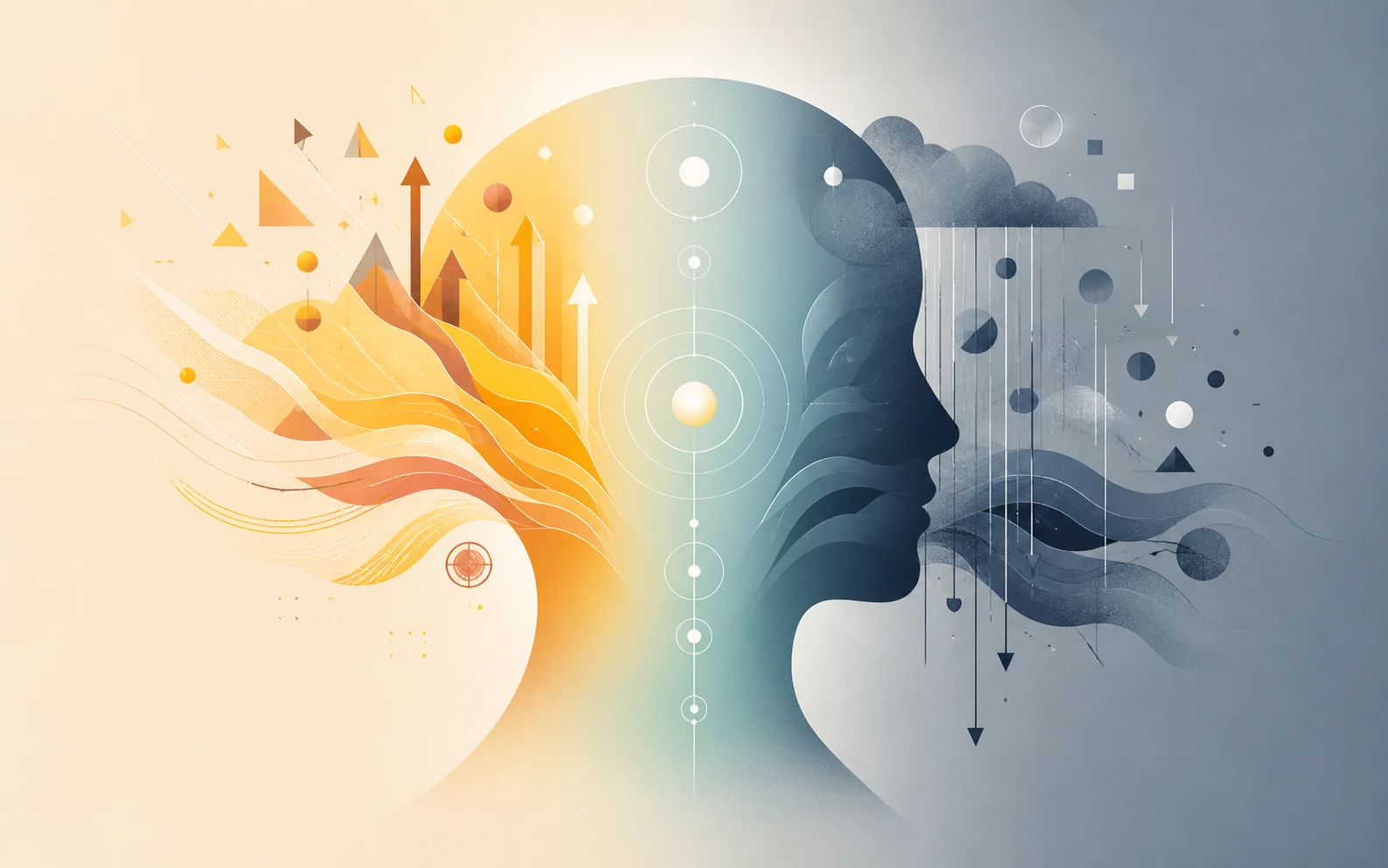
Mania is not just a high mood for a few hours, but a clear change in energy, behavior, and judgment. A person may sleep very little without seeming tired, speak quickly, jump from one idea to another, and feel more confident than usual, or become more irritable when someone disagrees with them. Here, the problem is not in the feeling of energy itself, but in the way this energy pushes the person toward decisions that are not usually like them.
The NHS explains that mania or hypomania may appear with a major increase in energy, a reduced need for sleep, rapid speech, impulsive behavior, and sometimes unrealistic ideas. Among the signs that deserve attention are:
Sudden spending or buying without considering the consequences
Many projects started all at once without the ability to complete them
Extreme sensitivity to criticism or quick irritability
An exaggerated sense of ability or importance
It does not have one simple cause
It is not accurate to reduce mania to a single cause, because the picture is usually more complex than that. There may be a biological vulnerability or a family history, then severe stress, sleep disruption, or major changes in routine bring the symptoms to the surface. This explains why some people go through many stressful periods without mania, while others are affected by it more clearly.
Some substances, medications, or physical conditions may also create a picture similar to mania or make it worse. That is why it is not enough to rely on personal impressions or the family’s interpretation alone. What looks from the outside like excessive confidence may actually be the beginning of a change that needs calm professional assessment, especially if it starts to affect money, relationships, daily obligations, or the person becomes less able to pull back after impulsive decisions.
What delays noticing mania?
One reason for the delay is that mania may seem at first like a good period: more energy, faster speech, greater sociability, and many ideas that suggest productivity. Sometimes the people around the person are happy about this change, especially if it comes after a long period of sadness or sluggishness, so it is understood as full improvement rather than a sign that needs pause and reflection. But the difference appears when sleep quality declines, judgment of consequences weakens, and decisions become faster than the ability to bear their results.
Understanding mania also does not depend on a single snapshot, but on the full pattern: when the symptoms began, how long they lasted, how they affected work, home, and relationships, and whether there are other causes that need to be ruled out. That is why Tatmeen, in addressing this topic, is careful to distinguish between temporary energy and a state that begins by disrupting daily life, then extends into something bigger than that.
Wise treatment does not only chase the symptom
Good treatment is not satisfied with silencing irritability or calming impulsiveness, but tries to understand the condition behind it and the factors feeding it. The National Institute for Health and Care Excellence indicates that treating mania may include antipsychotic medication, along with reviewing any other medications that may be linked to worsening symptoms. So wisdom does not lie in stopping or changing medication on your own, even if the person feels they are in their best state.
Treatment also does not stop at medication alone. After the symptoms settle, psychotherapy takes on an important role in understanding triggers, regulating daily rhythm, and noticing early warning signs before they grow again. In many cases, involving a trusted person from the family or close circle is also helpful, not to control the person, but to protect them from decisions they may regret once they regain their balance.
After the episode calms, the hardest part begins
Improvement does not mean the risk has completely disappeared, because some people feel, after the episode settles, a desire to close the whole file and quickly return to their ordinary lives. But what protects in the longer term is continuing follow-up, paying attention to sleep, and noticing any return of unusual late nights, rapid speech, or the feeling that every idea must be acted on immediately. These small details sometimes reveal that the mood is beginning to shift before the problem becomes bigger.
It is also helpful to postpone major decisions for a little while after improvement, especially those related to money, work, or relationships. Mania does not only exhaust the person during the episode, but may also leave behind commitments or conflicts that need time to repair. The more a person learns to read their early warning signs honestly, the calmer and less costly dealing with the condition becomes for their day and for those around them, instead of the same cycle repeating again.
Finally..
Mania is not a passing detail in someone’s personality, but a condition that deserves accurate understanding so that the person does not pay its price in sleep, money, and relationships. And the earlier it is addressed, the clearer and calmer the next steps become. If you need a calm, practical step after the picture becomes clearer, downloading the Tatmeen app may be a beginning that feels closer to order than to continuing in confusion.
Not always, though it is often associated with it. Sometimes physical conditions or the effects of certain substances or medications may resemble it, so one isolated symptom is not enough to judge the condition or name it accurately.
Yes, because mania may feel from the inside like energy and confidence, not like a problem that needs intervention. That is why it helps to talk about changes in sleep, decisions, and behavior, rather than describing the person themselves as “abnormal” or confronting them in a way that increases their defensiveness.
Rest and regular sleep help, but they are not enough on their own when the symptoms are clear or affecting life. At that point, follow-up with a specialist becomes an essential part of treatment, not a step that can be postponed without consequences.
Sources
Start your journey to better mental health with our care providers
Text, voice and video sessions in the Tatmeen app, with complete privacy and confidentiality.



If you or anyone else needs urgent help, you can reach the relevant emergency numbers in Saudi Arabia via the Emergency Support Center
What is your impression of this article?
One step for you, start now
Download Tatmeen and find the care provider that’s right for you easly.
Download Tatmeen and join over 10,000 successful recovery stories


Related articles



Join Tatmeen's newsletter
Subscribe to our newsletter to get the latest articles and news