

Lung Health, Breathing, and Psychological Wellbeing: Is There a Connection?

Reviewed by: Tatmeen Team
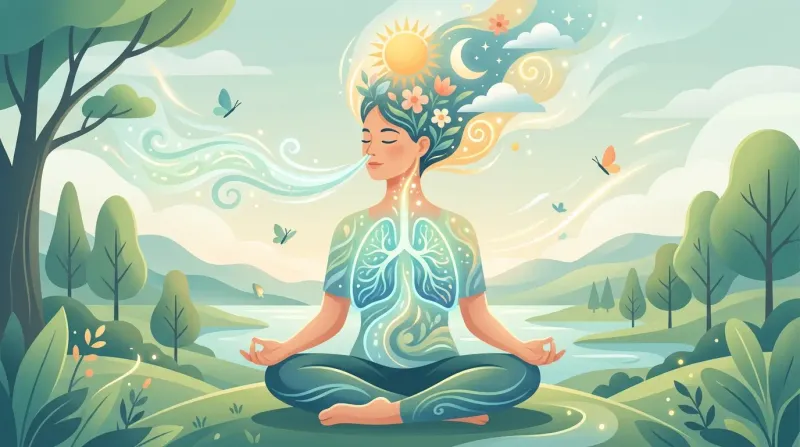
Lung health and breathing are more closely connected to psychological well-being than we might think. Many men and women begin their healing journey when they notice that improving their breathing pattern helps calm their anxiety and ease their tension. Experts at Tatmeen note that recognizing this link—and acting on it through practical steps—can help restore both mental and physical balance.
What Connects the Lungs and Mood?
Breathing is a neural bridge between the body and the mind. Slowing down inhalation and exhalation activates the parasympathetic nervous system, calming the fight-or-flight response linked to anxiety. Research from Harvard Health shows that conscious control of breathing can reduce stress responses and promote relaxation.
When breathing becomes shallow or rapid, the brain tends to interpret it as a danger signal—anxious thoughts increase, and the body grows even more tense. It’s a vicious cycle that can be broken with practice.
When the Lungs Fall Ill… the Mind Feels It Too
Chronic lung diseases such as chronic obstructive pulmonary disease (COPD) and asthma are not purely physical conditions; they’re linked to higher rates of anxiety, depression, and sleep difficulties.
Anxiety and depression are common among people with COPD and affect both their quality of life and adherence to treatment. The relationship is bidirectional: poor breathing increases psychological stress, while stress in turn worsens breathlessness and chest tightness.
How Does Anxiety Affect Breathing?
When anxiety rises, breathing becomes shallow and rapid (hyperventilation), reducing the efficiency of oxygen exchange and leaving us dizzy or tight-chested. The mind interprets this as a new threat—intensifying the cycle.
Breaking it begins with moment-to-moment awareness of your breathing rhythm, followed by gentle adjustment of inhalation and exhalation, engaging the diaphragm rather than lifting the shoulders and chest alone.
Practical Steps to Improve Breathing and Psychological Well-Being
Diaphragmatic Breathing (Foundational Exercise)
Sit or lie down comfortably. Place one hand on your chest and the other on your abdomen.
Inhale through your nose for four seconds until your abdominal hand rises, then exhale through your mouth for six seconds—slowly, as if blowing out a candle.
Repeat for a few minutes each day.
Gentle Pulmonary Fitness
Regular walking, climbing stairs, or light aerobic exercises increase lung capacity and release neurotransmitters that improve mood.
Start with short durations and increase gradually. If you have a lung diagnosis, consult your doctor first.
Healthy Air Habits at Home
Keep your home smoke-free, ensure good ventilation, and consider an air filter if needed.
Plan indoor activities on dusty days. Clean air quality helps reduce airway irritation and lessens anxiety triggers linked to breathlessness.
A Personalized Plan with a Specialist
According to Tatmeen experts, many people benefit from combining breathing exercises with cognitive-behavioral tools—such as recognizing threatening thoughts (“I’m going to suffocate”) and replacing them with realistic ones (“This is a wave of anxiety; it will ease in a few minutes as I breathe calmly”).
Through Tatmeen, therapy can be accessed via text, voice, or video sessions, offering connection to licensed specialists who can tailor a plan that fits your time and capacity.
In Conclusion…
The link between lung health, breathing, and psychological well-being is both real and profound.
Improving the quality of your breath through simple exercises, better air habits, and moderate movement directly affects your inner calm.
If symptoms overlap or persist, professional therapy can accelerate recovery. Tatmeen offers a practical path to start from home—book your session now with specialists who understand this connection and can help you reclaim steadier breaths and a clearer life.
Frequently Asked Questions
Is breathing exercise a substitute for medical treatment?
No. Breathing exercises are supportive tools that regulate the nervous system and reduce stress, but they do not replace medications for asthma or COPD, nor a medical assessment. Combine both, and consult a professional to determine what fits your condition.
How can I tell the difference between anxiety-related shortness of breath and a physical cause?
Psychological breathlessness often eases quickly with slowing down and calming, while physical causes may persist or be accompanied by wheezing or chronic cough. Any new or severe symptom requires prompt medical evaluation to confirm the cause.
How long should I practice daily?
Start with 3–5 minutes twice a day, gradually increasing to 10 minutes. The goal is to build a short, sustainable habit. If you feel dizzy, slow the pace and take breaks. A Tatmeen specialist can help you adjust your plan.
What is your impression of this article?
Reviewed by

Tatmeen Team
Start your journey to better mental health with our care providers


One step for you, start now
Download Tatmeen and find the care provider that’s right for you easly.
Download Tatmeen and join over 10,000 successful recovery stories

Related articles

We haven’t gotten to share any of our blog posts yet
Join Tatmeen's newsletter
Subscribe to our newsletter to get the latest articles and news