To save someone you love, you must first understand them. Experts at Tatmeen emphasize that effective intervention starts with a deep understanding of the addict’s psychological needs and background. We recognize that, in such situations, you're likely overwhelmed with sadness, anxiety, and fear for the future. But amidst the complexity, the solution often lies in knowing the right approach—one that can pull your loved one out of denial and guide them toward treatment without making them feel attacked. In this article, Tatmeen highlights the most effective intervention strategies so you can be the supportive hand in their journey to recovery.
First Step to Understanding: Why Do Addicts Refuse Treatment?
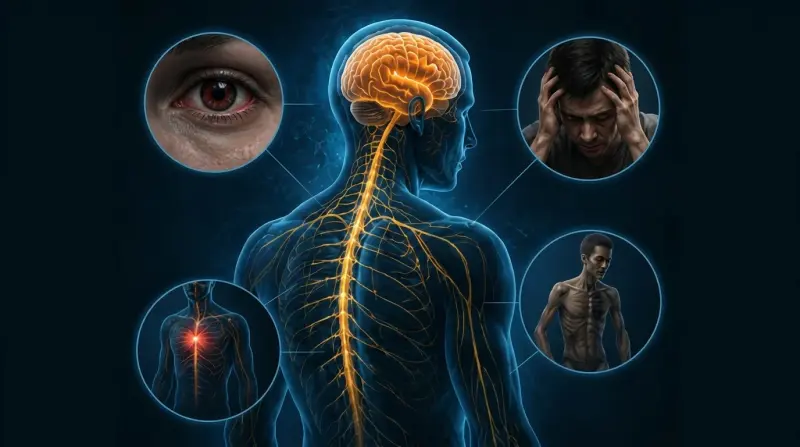
Addiction causes psychological and neurological changes that lead individuals to deny or ignore the severity of their condition. They often feel that the substance or behavior is their only way to cope with stress or emotional pain. This false sense of safety makes treatment feel like a threat, as they fear confronting real pain or being judged by others.
Denial as a Defense Mechanism
The mind naturally defends itself when trapped in addiction by minimizing the problem or rationalizing behavior. Facing reality can be terrifying for an addict, making denial a comfortable shelter that protects them from the shock of recognizing how far they’ve fallen. Breaking through this denial is one of the first and most critical steps toward helping them accept treatment.
Preparatory Steps Before the Intervention
Before trying to persuade your loved one to get help, it’s essential to prepare a suitable foundation:
Gather Information: Learn about the nature of addiction, its side effects, and available treatment methods. This will allow you to speak from a place of knowledge and credibility.
Consult a Professional:Reach out to a psychologist or addiction specialist through Tatmeen. A prior consultation will help you understand the best approach to the situation without making the addict feel attacked.
Choose the Right Time and Place: Wait for a calm moment when the addict is not under stress or influence, and avoid having others around who may add pressure. The goal is a supportive conversation, not a confrontation.
Emotional Dialogue Culture
Rather than focusing solely on facts or logic, use emotionally expressive language to show how concerned you are for their well-being. Invite them to talk about their fears and feelings, and listen with compassion—not judgment.
How to Conduct a Proper Intervention
An intervention is a structured conversation involving close family or friends, sometimes with a specialist present, to honestly discuss the addiction and offer a clear treatment path. Avoid surprising the person or confronting them with a crowd. Best practices include:
Show Positive Intent: Emphasize that you’re not there to blame, but to help.
Present Concrete Examples: Gently remind them of how addiction has affected their life, using specific instances, but within a tone of love and concern—not blame.
Offer Clear Solutions: Present options such as online therapy sessions, rehab programs, or support groups. The more alternatives you provide, the more hopeful and open the addict may feel.
Setting Clear Boundaries
Intervention doesn't mean tolerating ongoing harm. It's crucial to communicate the consequences of continued addiction on your relationship or their livelihood. This approach—called loving firmness—balances seriousness with empathy and respect.
Your Role After They Agree to Treatment
Convincing your loved one to begin treatment is just the beginning. The real challenges often emerge during the recovery process. Here’s how to keep offering support:
Daily Support and Check-ins: Ask about their progress and encourage them to stick with their treatment plan. Be especially supportive during tough times.
Avoid Harsh Criticism: Relapses or setbacks may happen. Instead of scolding, remind them of their goals and explore alternative coping strategies together.
Book Sessions for Them: Scheduling a therapy session via Tatmeen can be a great way to reduce their burden and help them take the first step toward engagement.
Guidelines to Reduce Relapse Risk
Encourage Alternative Activities: Help them channel their time and energy into meaningful hobbies or projects.
Identify Triggers: Work with them to recognize people, places, or situations that provoke cravings—and avoid them when possible.
Commit to CBT: Some cases require regular sessions in Cognitive Behavioral Therapy to shift destructive thought patterns—somethingTatmeen also provides.
Empowerment and Confidence Building
Empowering the addict to take responsibility for their decisions is just as important as your support. Self-empowerment begins when they feel capable of taking a step forward on their own. You can help by:
Letting Them Choose the Treatment Style: They may prefer online sessions or group programs. That’s perfectly fine—the goal is their voluntary commitment.
Encouraging Self-Discovery: Exploring new skills or interests can help fill the emotional void left behind by addiction.
Maintaining Open Communication: Keep talking regularly about their struggles, offering understanding without judgment.
Modern Therapy Options: Digital Platforms
One of today’s great advantages is that addicts can begin psychological treatment without fearing societal stigma. Online sessions through Tatmeenprovide high levels of privacy and flexible timing. When an addict feels safe and free from judgment, their trust increases—and so does their openness with their therapist.
In Conclusion…
Your support should always center on sincere, human conversation; understanding psychological roots; offering practical alternatives; applying wisdom and patience; and embracing the addict without compromising seriousness. The difference you can make may save someone’s life—and not just any life, but that of someone you deeply love.
Tatmeen extends a helping hand to you and your loved ones through professional therapy with top addiction specialists. Book a session now and take the first step toward healing.
Frequently Asked Questions
How do I convince an addict to seek help without making them defensive?
Use empathetic, nonjudgmental language. Express concern and love rather than blame. Prepare the conversation ahead of time and seek guidance from a therapist on the best way to approach it.
What if the person agrees to treatment but later resists continuing?
This is common. Stay patient, offer encouragement, and remind them why they started. Avoid scolding—instead, help them reframe their setbacks as part of the healing process.
Does online therapy really work for addiction treatment?
Yes. Especially when provided by a trusted platform like Tatmeen, online therapy offers privacy, flexibility, and easy access to professional care—factors that increase engagement and reduce drop-out rates.
A writer and researcher specializing in psychiatry, she focuses on mental health and the human emotions we experience but cannot always find the words to name. She writes about us—about humanity and the human experience—and simplifies complex topics to offer content that helps us better understand ourselves and life, ultimately making us feel less alone.
Every Tatmeen article is reviewed by care providers licensed by the Saudi Commission for Health Specialties, so what you read is accurate and trustworthy.
This article builds understanding and does not replace a licensed care provider.
Need someone to talk to?
Tatmeen's licensed care providers are available around the clock, and the app's urgent consultation connects you with one within minutes.
Download Tatmeen to explore care providers and booking options.
Smart matchingFour quick questions suggest the right care provider
Urgent consultationTalk to an available care provider within minutes
Free psychological measuresMore than 20 tests to understand how you are doing
Scan to download
{"data":{"id":"5ffd96f7-fd6b-4982-8c77-d938df05e305","slug":"how-to-help-addict-accept-treatment-intervention-tips","arTitle":"كيف تساعد المدمن على تقبّل العلاج؟ نصائح التدخل الفعّال","enTitle":"How to Help an Addict Accept Treatment? Effective Intervention Tips","thumbnailAltText":"كيف تساعد المدمن على تقبل العلاج ونصائح التدخل الفعال","estimatedReadingTime":5,"likesCount":382,"writer":{"id":"3ab72b74-f26f-4337-9b47-3114b0f90de5","arBio":"كاتبة وباحثة متخصصة في مجال الطب النفسي، تهتم بموضوعات الصحة النفسية وبالمشاعر الإنسانية التي نختبرها ولا نجد دائمًا الكلمات لتسميتها. تكتب عنّا؛ عن الإنسان وتجربته، وتبسّط الموضوعات المعقّدة لتقدّم محتوى يساعدنا على فهم ذواتنا والحياة أكثر، ويجعلنا نشعر بأننا بوحدة أقل.","enBio":"A writer and researcher specializing in psychiatry, she focuses on mental health and the human emotions we experience but cannot always find the words to name. She writes about us—about humanity and the human experience—and simplifies complex topics to offer content that helps us better understand ourselves and life, ultimately making us feel less alone.","user":{"slug":"ayat-alnajar","arFullName":"آيات النجار","enFullName":"Ayat Al-Najjar","publicProfileImageUrl":"https://cdn.tatmeen.sa/public/profile-images/02384455-68fa-40b6-ad05-609fde65cafa/21b9a610dde5dfc6d37af110c23e9c7ab3946be080c281beb000debf4f7d31a6.webp","publicProfileImage96Url":"https://cdn.tatmeen.sa/public/profile-images/02384455-68fa-40b6-ad05-609fde65cafa/21b9a610dde5dfc6d37af110c23e9c7ab3946be080c281beb000debf4f7d31a6-w96.webp","publicProfileImage192Url":"https://cdn.tatmeen.sa/public/profile-images/02384455-68fa-40b6-ad05-609fde65cafa/21b9a610dde5dfc6d37af110c23e9c7ab3946be080c281beb000debf4f7d31a6-w192.webp"}},"arContent":"","enContent":"","productionDocument":{"headings":[],"faqs":[{"question":"How do I convince an addict to seek help without making them defensive?","answer":"<p><span style=\"color:#000000\">Use empathetic, nonjudgmental language. Express concern and love rather than blame. Prepare the conversation ahead of time and seek guidance from a therapist on the best way to approach it.</span></p>"},{"question":"What if the person agrees to treatment but later resists continuing?","answer":"<p><span style=\"color:#000000\">This is common. Stay patient, offer encouragement, and remind them why they started. Avoid scolding—instead, help them reframe their setbacks as part of the healing process.</span></p>"},{"question":"Does online therapy really work for addiction treatment?","answer":"<p><span style=\"color:#000000\">Yes. Especially when provided by a trusted platform like <strong><em>Tatmeen</em></strong>, online therapy offers privacy, flexibility, and easy access to professional care—factors that increase engagement and reduce drop-out rates.</span></p>"}],"beforeSourcesHtml":"<p></p>","sources":[],"afterSourcesHtml":"","blocks":[{"type":"html","html":"<p><span style=\"color:#000000\">To save someone you love, you must first understand them. Experts at <strong><em>Tatmeen</em></strong> emphasize that effective intervention starts with a deep understanding of the addict’s psychological needs and background. We recognize that, in such situations, you're likely overwhelmed with sadness, anxiety, and fear for the future. But amidst the complexity, the solution often lies in knowing the right approach—one that can pull your loved one out of denial and guide them toward treatment without making them feel attacked. In this article, <strong><em>Tatmeen</em></strong> highlights the most effective intervention strategies so you can be the supportive hand in their journey to recovery.</span></p><h3><span style=\"color:#000000\"><strong>First Step to Understanding: Why Do Addicts Refuse Treatment?</strong></span></h3><p><span style=\"color:#000000\">Addiction causes psychological and neurological changes that lead individuals to deny or ignore the severity of their condition. They often feel that the substance or behavior is their only way to cope with stress or emotional pain. This false sense of safety makes treatment feel like a threat, as they fear confronting real pain or being judged by others.</span></p><h4><span style=\"color:#000000\"><strong>Denial as a Defense Mechanism</strong></span></h4><p><span style=\"color:#000000\">The mind naturally defends itself when trapped in addiction by minimizing the problem or rationalizing behavior. Facing reality can be terrifying for an addict, making denial a comfortable shelter that protects them from the shock of recognizing how far they’ve fallen. Breaking through this denial is one of the first and most critical steps toward helping them accept treatment.</span></p><h3><span style=\"color:#000000\"><strong>Preparatory Steps Before the Intervention</strong></span></h3><p><span style=\"color:#000000\">Before trying to persuade your loved one to get help, it’s essential to prepare a suitable foundation:</span></p><ul><li><p><span style=\"color:#000000\"><strong>Gather Information:</strong> Learn about the nature of addiction, its side effects, and available treatment methods. This will allow you to speak from a place of knowledge and credibility.<br /></span></p></li><li><p><span style=\"color:#000000\"><strong>Consult a Professional:</strong> <u>Reach out to a psychologist or addiction specialist through </u><em><u>Tatmeen</u></em>. A prior consultation will help you understand the best approach to the situation without making the addict feel attacked.<br /></span></p></li><li><p><span style=\"color:#000000\"><strong>Choose the Right Time and Place:</strong> Wait for a calm moment when the addict is not under stress or influence, and avoid having others around who may add pressure. The goal is a supportive conversation, not a confrontation.</span></p></li></ul><h3><span style=\"color:#000000\"><strong>Emotional Dialogue Culture</strong></span></h3><p><span style=\"color:#000000\">Rather than focusing solely on facts or logic, use emotionally expressive language to show how concerned you are for their well-being. Invite them to talk about their fears and feelings, and listen with compassion—not judgment.</span></p><h3><span style=\"color:#000000\"><strong>How to Conduct a Proper Intervention</strong></span></h3><p><span style=\"color:#000000\">An intervention is a structured conversation involving close family or friends, sometimes with a specialist present, to honestly discuss the addiction and offer a clear treatment path. Avoid surprising the person or confronting them with a crowd. Best practices include:</span></p><ul><li><p><span style=\"color:#000000\"><strong>Show Positive Intent:</strong> Emphasize that you’re not there to blame, but to help.<br /></span></p></li><li><p><span style=\"color:#000000\"><strong>Present Concrete Examples:</strong> Gently remind them of how addiction has affected their life, using specific instances, but within a tone of love and concern—not blame.<br /></span></p></li><li><p><span style=\"color:#000000\"><strong>Offer Clear Solutions:</strong> Present options such as online therapy sessions, rehab programs, or support groups. The more alternatives you provide, the more hopeful and open the addict may feel.</span><br /></p></li></ul><h3><span style=\"color:#000000\"><strong>Setting Clear Boundaries</strong></span></h3><p><span style=\"color:#000000\">Intervention doesn't mean tolerating ongoing harm. It's crucial to communicate the consequences of continued addiction on your relationship or their livelihood. This approach—called <em>loving firmness</em>—balances seriousness with empathy and respect.</span></p><h3><span style=\"color:#000000\"><strong>Your Role After They Agree to Treatment</strong></span></h3><p><span style=\"color:#000000\">Convincing your loved one to begin treatment is just the beginning. The real challenges often emerge during the recovery process. Here’s how to keep offering support:</span></p><ul><li><p><span style=\"color:#000000\"><strong>Daily Support and Check-ins:</strong> Ask about their progress and encourage them to stick with their treatment plan. Be especially supportive during tough times.<br /></span></p></li><li><p><span style=\"color:#000000\"><strong>Avoid Harsh Criticism:</strong> Relapses or setbacks may happen. Instead of scolding, remind them of their goals and explore alternative coping strategies together.<br /></span></p></li><li><p><span style=\"color:#000000\"><strong>Book Sessions for Them:</strong><u> Scheduling a therapy session via </u><em><u>Tatmeen</u></em> can be a great way to reduce their burden and help them take the first step toward engagement.</span></p></li></ul><h3><span style=\"color:#000000\"><strong>Guidelines to Reduce Relapse Risk</strong></span></h3><ul><li><p><span style=\"color:#000000\"><strong>Encourage Alternative Activities:</strong> Help them channel their time and energy into meaningful hobbies or projects.<br /></span></p></li><li><p><span style=\"color:#000000\"><strong>Identify Triggers:</strong> Work with them to recognize people, places, or situations that provoke cravings—and avoid them when possible.<br /></span></p></li><li><p><span style=\"color:#000000\"><strong>Commit to CBT:</strong> Some cases require regular sessions in Cognitive Behavioral Therapy to shift destructive thought patterns—something<strong> <em>Tatmeen</em></strong> also provides.</span><br /></p></li></ul><h3><span style=\"color:#000000\"><strong>Empowerment and Confidence Building</strong></span></h3><p><span style=\"color:#000000\">Empowering the addict to take responsibility for their decisions is just as important as your support. Self-empowerment begins when they feel capable of taking a step forward on their own. You can help by:</span></p><ul><li><p><span style=\"color:#000000\"><strong>Letting Them Choose the Treatment Style:</strong> They may prefer online sessions or group programs. That’s perfectly fine—the goal is their voluntary commitment.<br /></span></p></li><li><p><span style=\"color:#000000\"><strong>Encouraging Self-Discovery:</strong> Exploring new skills or interests can help fill the emotional void left behind by addiction.<br /></span></p></li><li><p><span style=\"color:#000000\"><strong>Maintaining Open Communication:</strong> Keep talking regularly about their struggles, offering understanding without judgment.</span><br /></p></li></ul><h3><span style=\"color:#000000\"><strong>Modern Therapy Options: Digital Platforms</strong></span></h3><p><span style=\"color:#000000\">One of today’s great advantages is that addicts can begin psychological treatment without fearing societal stigma. <strong>Online sessions through <em>Tatmeen</em> </strong>provide high levels of privacy and flexible timing. When an addict feels safe and free from judgment, their trust increases—and so does their openness with their therapist.</span></p><h3><span style=\"color:#000000\"><strong>In Conclusion…</strong></span></h3><p><span style=\"color:#000000\">Your support should always center on sincere, human conversation; understanding psychological roots; offering practical alternatives; applying wisdom and patience; and embracing the addict without compromising seriousness. The difference you can make may save someone’s life—and not just any life, but that of someone you deeply love.</span></p><p><span style=\"color:#000000\"><strong><em>Tatmeen</em></strong> extends a helping hand to you and your loved ones through professional therapy with top addiction specialists.<strong> Book a session now</strong> and take the first step toward healing.</span></p>"}],"inlineCtaSignatures":[],"_experienceAliases":{"v":1,"fields":["html","bodyHtml"],"faqs":[0,1,2]}},"createdAt":"2026-05-15T21:00:00.000Z","updatedAt":"2026-06-24T23:50:17.866Z","disorderGroups":[{"id":"04bd234d-c176-4ba1-afb3-9e9c05d0e648","slug":"addictions-and-compulsive-behaviors","arName":"الإدمان والسلوكيات القهرية","enName":"Addictions & Compulsive Behaviors"}],"reviewer":{"arFullName":"فريق تطمين","enFullName":"Tatmeen team","slug":"tatmeen-team","kind":"organization"},"productionArticle":true,"promotionAllowed":true,"preparedCover":{"src":"https://cdn.tatmeen.sa/public/article-lcp/article-lcp-v2/sha256-864d5e56c4829798c5252150c9edb6133e8447e42dbb2f87170d73839509f6f8/800-52d1ddfcc31b70170ad9b10049cd4229d4d723ad72a1ad263cf73618cd5ce202.avif","fallback":"https://cdn.tatmeen.sa/public/article-lcp/article-lcp-v2/sha256-864d5e56c4829798c5252150c9edb6133e8447e42dbb2f87170d73839509f6f8/800-6ceddd030cc4fdef96bd1c4739b03bbd2d66da95f08d4ccab9dd8f892e658781.webp","directUrl":"https://cdn.tatmeen.sa/blog-cover/Tatmeen-1778954693983.webp","isGolden":true,"avifSrcset":"https://cdn.tatmeen.sa/public/article-lcp/article-lcp-v2/sha256-864d5e56c4829798c5252150c9edb6133e8447e42dbb2f87170d73839509f6f8/400-66ca26fa30b366c5b75ed8978ffd19763eef89fbf3c41b1c368973d946ac8705.avif 400w, https://cdn.tatmeen.sa/public/article-lcp/article-lcp-v2/sha256-864d5e56c4829798c5252150c9edb6133e8447e42dbb2f87170d73839509f6f8/640-c6c49f13528e5ec850700955010e283786f3227a7803101acc4d3fc4b9bac399.avif 640w, https://cdn.tatmeen.sa/public/article-lcp/article-lcp-v2/sha256-864d5e56c4829798c5252150c9edb6133e8447e42dbb2f87170d73839509f6f8/800-52d1ddfcc31b70170ad9b10049cd4229d4d723ad72a1ad263cf73618cd5ce202.avif 800w, https://cdn.tatmeen.sa/public/article-lcp/article-lcp-v2/sha256-864d5e56c4829798c5252150c9edb6133e8447e42dbb2f87170d73839509f6f8/1200-bc1560bee5161e021a5dc4878dd7b97baa3670cbdb64c34414049398c07d8bcc.avif 1200w","webpSrcset":"https://cdn.tatmeen.sa/public/article-lcp/article-lcp-v2/sha256-864d5e56c4829798c5252150c9edb6133e8447e42dbb2f87170d73839509f6f8/400-6eeb7bf33f8d52dd832f3ccf0020ec40c6a28ed5cef916cf1c6ecbbf161919f9.webp 400w, https://cdn.tatmeen.sa/public/article-lcp/article-lcp-v2/sha256-864d5e56c4829798c5252150c9edb6133e8447e42dbb2f87170d73839509f6f8/640-b68bb4cdc662beceb0bcc6bcabfa2cd8af422cfe6f79274db315d4d7c99677aa.webp 640w, https://cdn.tatmeen.sa/public/article-lcp/article-lcp-v2/sha256-864d5e56c4829798c5252150c9edb6133e8447e42dbb2f87170d73839509f6f8/800-6ceddd030cc4fdef96bd1c4739b03bbd2d66da95f08d4ccab9dd8f892e658781.webp 800w, https://cdn.tatmeen.sa/public/article-lcp/article-lcp-v2/sha256-864d5e56c4829798c5252150c9edb6133e8447e42dbb2f87170d73839509f6f8/1200-5ea3dea82129ef8c3ac6cc89a21227f6bea45e9f1654e0f6647f95c6edf7931d.webp 1200w","phoneAvifSrcset":"https://cdn.tatmeen.sa/public/article-lcp/article-lcp-v2/sha256-864d5e56c4829798c5252150c9edb6133e8447e42dbb2f87170d73839509f6f8/400-66ca26fa30b366c5b75ed8978ffd19763eef89fbf3c41b1c368973d946ac8705.avif 400w, https://cdn.tatmeen.sa/public/article-lcp/article-lcp-v2/sha256-864d5e56c4829798c5252150c9edb6133e8447e42dbb2f87170d73839509f6f8/640-c6c49f13528e5ec850700955010e283786f3227a7803101acc4d3fc4b9bac399.avif 640w, https://cdn.tatmeen.sa/public/article-lcp/article-lcp-v2/sha256-864d5e56c4829798c5252150c9edb6133e8447e42dbb2f87170d73839509f6f8/800-52d1ddfcc31b70170ad9b10049cd4229d4d723ad72a1ad263cf73618cd5ce202.avif 800w","phoneWebpSrcset":"https://cdn.tatmeen.sa/public/article-lcp/article-lcp-v2/sha256-864d5e56c4829798c5252150c9edb6133e8447e42dbb2f87170d73839509f6f8/400-6eeb7bf33f8d52dd832f3ccf0020ec40c6a28ed5cef916cf1c6ecbbf161919f9.webp 400w, https://cdn.tatmeen.sa/public/article-lcp/article-lcp-v2/sha256-864d5e56c4829798c5252150c9edb6133e8447e42dbb2f87170d73839509f6f8/640-b68bb4cdc662beceb0bcc6bcabfa2cd8af422cfe6f79274db315d4d7c99677aa.webp 640w, https://cdn.tatmeen.sa/public/article-lcp/article-lcp-v2/sha256-864d5e56c4829798c5252150c9edb6133e8447e42dbb2f87170d73839509f6f8/800-6ceddd030cc4fdef96bd1c4739b03bbd2d66da95f08d4ccab9dd8f892e658781.webp 800w","width":800,"height":500},"previewTaxonomy":{"groups":[{"id":"04bd234d-c176-4ba1-afb3-9e9c05d0e648","slug":"addictions-and-compulsive-behaviors","arName":"الإدمان والسلوكيات القهرية","enName":"Addictions & Compulsive Behaviors"}],"topics":[{"id":"1a8337d0-f9f1-4b63-973e-ce80645da739","slug":"helping-an-addict","arName":"التعامل مع مدمن","enName":"Helping an Addict","groupSlug":"addictions-and-compulsive-behaviors","href":"/blog/category/addictions-and-compulsive-behaviors/helping-an-addict/"}],"tags":[{"id":"a1d36353-cbcb-4907-b913-3069289a3514","slug":"addiction-recovery","arName":"الإدمان والتعافي","enName":"Addiction & Recovery"},{"id":"82fa58ec-2aa5-4f35-8ae3-e8ec8f3ab069","slug":"caregivers-supporters","arName":"داعمو المريض","enName":"Caregivers & Supporters"},{"id":"a7a7391b-bc2c-41de-91b1-7d701f1675b7","slug":"supporting-others","arName":"دعم شخص آخر","enName":"Supporting Someone Else"}]},"previewProviderRecommendations":[{"id":"c4fa0501-eff5-45c4-b6a2-8397525c82dc","slug":"modhi-almalko-2478","arFullName":"موضي المالكي","enFullName":"Moudhi Almalki","publicProfileImageUrl":"https://cdn.tatmeen.sa/public/profile-images/c4fa0501-eff5-45c4-b6a2-8397525c82dc/2a762b0b4a03efb41a4f7f9dd4e374641dff71b576f9c50003f6d4a417875721.webp","publicProfileImage96Url":"https://cdn.tatmeen.sa/public/profile-images/c4fa0501-eff5-45c4-b6a2-8397525c82dc/2a762b0b4a03efb41a4f7f9dd4e374641dff71b576f9c50003f6d4a417875721-w96.webp","publicProfileImage192Url":"https://cdn.tatmeen.sa/public/profile-images/c4fa0501-eff5-45c4-b6a2-8397525c82dc/2a762b0b4a03efb41a4f7f9dd4e374641dff71b576f9c50003f6d4a417875721-w192.webp","specialization":{"arName":"أخصائي نفسي","enName":"Psychologist"},"profileImageUrl":"https://cdn.tatmeen.sa/public/profile-images/c4fa0501-eff5-45c4-b6a2-8397525c82dc/2a762b0b4a03efb41a4f7f9dd4e374641dff71b576f9c50003f6d4a417875721-w192.webp","experienceYears":3,"consultantInfo":{"averageRating":{"average":0},"specialization":{"arGeneralName":"أخصائي نفسي","enGeneralName":"Psychologist"}}},{"id":"f284ca65-0da4-418f-96db-43afa06f5c59","slug":"turki-alsharif-4926","arFullName":"تركي الشريف","enFullName":"Turki Alsharif","publicProfileImageUrl":"https://cdn.tatmeen.sa/public/profile-images/f284ca65-0da4-418f-96db-43afa06f5c59/d1e248200d9d35f2359dca7d2d3f7b67f6e62eeded414b2d5ae7746e4da43ca0.webp","publicProfileImage96Url":"https://cdn.tatmeen.sa/public/profile-images/f284ca65-0da4-418f-96db-43afa06f5c59/d1e248200d9d35f2359dca7d2d3f7b67f6e62eeded414b2d5ae7746e4da43ca0-w96.webp","publicProfileImage192Url":"https://cdn.tatmeen.sa/public/profile-images/f284ca65-0da4-418f-96db-43afa06f5c59/d1e248200d9d35f2359dca7d2d3f7b67f6e62eeded414b2d5ae7746e4da43ca0-w192.webp","specialization":{"arName":"أخصائي نفسي","enName":"Psychologist"},"profileImageUrl":"https://cdn.tatmeen.sa/public/profile-images/f284ca65-0da4-418f-96db-43afa06f5c59/d1e248200d9d35f2359dca7d2d3f7b67f6e62eeded414b2d5ae7746e4da43ca0-w192.webp","experienceYears":12,"consultantInfo":{"averageRating":{"average":0},"specialization":{"arGeneralName":"أخصائي نفسي","enGeneralName":"Psychologist"}}},{"id":"3cc806e8-616b-4884-9f21-a75b378580a2","slug":"aisha-al-hashim-8667","arFullName":"عائشة ال هاشم","enFullName":"Aisha Al Hashim","publicProfileImageUrl":"https://cdn.tatmeen.sa/public/profile-images/3cc806e8-616b-4884-9f21-a75b378580a2/27f523d03be4dcfa1f6a79f70c1773887434e698990d214cd990caec56a44798.webp","publicProfileImage96Url":"https://cdn.tatmeen.sa/public/profile-images/3cc806e8-616b-4884-9f21-a75b378580a2/27f523d03be4dcfa1f6a79f70c1773887434e698990d214cd990caec56a44798-w96.webp","publicProfileImage192Url":"https://cdn.tatmeen.sa/public/profile-images/3cc806e8-616b-4884-9f21-a75b378580a2/27f523d03be4dcfa1f6a79f70c1773887434e698990d214cd990caec56a44798-w192.webp","specialization":{"arName":"أخصائي نفسي","enName":"Psychologist"},"profileImageUrl":"https://cdn.tatmeen.sa/public/profile-images/3cc806e8-616b-4884-9f21-a75b378580a2/27f523d03be4dcfa1f6a79f70c1773887434e698990d214cd990caec56a44798-w192.webp","experienceYears":2,"consultantInfo":{"averageRating":{"average":4.990566037735849},"specialization":{"arGeneralName":"أخصائي نفسي","enGeneralName":"Psychologist"}}}],"previewCareProviders":[{"id":"09364052-c2a9-4c52-9717-7ce2093b8d0a","slug":"kholoud-alharbi-5221","arFullName":"خلود الحربي","enFullName":"Kholoud Alharbi","publicProfileImageUrl":"https://cdn.tatmeen.sa/public/profile-images/09364052-c2a9-4c52-9717-7ce2093b8d0a/4a0aeb81619e351b77f4323e3605a0a00acc7ca3c82ee7cc5ca2c9e8ef716049.webp","publicProfileImage96Url":"https://cdn.tatmeen.sa/public/profile-images/09364052-c2a9-4c52-9717-7ce2093b8d0a/4a0aeb81619e351b77f4323e3605a0a00acc7ca3c82ee7cc5ca2c9e8ef716049-w96.webp","publicProfileImage192Url":"https://cdn.tatmeen.sa/public/profile-images/09364052-c2a9-4c52-9717-7ce2093b8d0a/4a0aeb81619e351b77f4323e3605a0a00acc7ca3c82ee7cc5ca2c9e8ef716049-w192.webp","gender":"FEMALE","specialization":{"arName":"أخصائي نفسي","enName":"Psychologist"}},{"id":"6f037535-1dca-4b50-a8b2-5974b7323286","slug":"salah-althobaiti-9053","arFullName":"صلاح الثبيتي","enFullName":"Salah Althobaiti","publicProfileImageUrl":"https://cdn.tatmeen.sa/public/profile-images/6f037535-1dca-4b50-a8b2-5974b7323286/35b6bd7fad9b1e004c1835803eb9c1b56dcacd380685ec8bff141f0fb888005c.webp","publicProfileImage96Url":"https://cdn.tatmeen.sa/public/profile-images/6f037535-1dca-4b50-a8b2-5974b7323286/35b6bd7fad9b1e004c1835803eb9c1b56dcacd380685ec8bff141f0fb888005c-w96.webp","publicProfileImage192Url":"https://cdn.tatmeen.sa/public/profile-images/6f037535-1dca-4b50-a8b2-5974b7323286/35b6bd7fad9b1e004c1835803eb9c1b56dcacd380685ec8bff141f0fb888005c-w192.webp","gender":"MALE","specialization":{"arName":"أخصائي نفسي","enName":"Psychologist"}},{"id":"3cc806e8-616b-4884-9f21-a75b378580a2","slug":"aisha-al-hashim-8667","arFullName":"عائشة ال هاشم","enFullName":"Aisha Al Hashim","publicProfileImageUrl":"https://cdn.tatmeen.sa/public/profile-images/3cc806e8-616b-4884-9f21-a75b378580a2/27f523d03be4dcfa1f6a79f70c1773887434e698990d214cd990caec56a44798.webp","publicProfileImage96Url":"https://cdn.tatmeen.sa/public/profile-images/3cc806e8-616b-4884-9f21-a75b378580a2/27f523d03be4dcfa1f6a79f70c1773887434e698990d214cd990caec56a44798-w96.webp","publicProfileImage192Url":"https://cdn.tatmeen.sa/public/profile-images/3cc806e8-616b-4884-9f21-a75b378580a2/27f523d03be4dcfa1f6a79f70c1773887434e698990d214cd990caec56a44798-w192.webp","gender":"FEMALE","specialization":{"arName":"أخصائي نفسي","enName":"Psychologist"}},{"id":"db2ce1a0-9325-4471-b7ce-eb2e811c30a3","slug":"amer-qutub-2441","arFullName":"عامر قطب","enFullName":"Amer Qutub","publicProfileImageUrl":"https://cdn.tatmeen.sa/public/profile-images/db2ce1a0-9325-4471-b7ce-eb2e811c30a3/80580f99bfd7fe2b2a9cf8eed73ab532f5086d1efe053b0aa57358c1ce004261.webp","publicProfileImage96Url":"https://cdn.tatmeen.sa/public/profile-images/db2ce1a0-9325-4471-b7ce-eb2e811c30a3/80580f99bfd7fe2b2a9cf8eed73ab532f5086d1efe053b0aa57358c1ce004261-w96.webp","publicProfileImage192Url":"https://cdn.tatmeen.sa/public/profile-images/db2ce1a0-9325-4471-b7ce-eb2e811c30a3/80580f99bfd7fe2b2a9cf8eed73ab532f5086d1efe053b0aa57358c1ce004261-w192.webp","gender":"MALE","specialization":{"arName":"أخصائي نفسي","enName":"Psychologist"}},{"id":"94765496-dbdf-4631-a01b-7df5f788668d","slug":"abdullrahman-alhamoudi-3045","arFullName":"عبدالرحمن الحمودي","enFullName":"Abdulrahman Alhamoudi","publicProfileImageUrl":"https://cdn.tatmeen.sa/public/profile-images/94765496-dbdf-4631-a01b-7df5f788668d/2d49f6b6493c564afb6f50b6c3634231dff3a5cf8353acfab393d1b2a88037d1.webp","publicProfileImage96Url":"https://cdn.tatmeen.sa/public/profile-images/94765496-dbdf-4631-a01b-7df5f788668d/2d49f6b6493c564afb6f50b6c3634231dff3a5cf8353acfab393d1b2a88037d1-w96.webp","publicProfileImage192Url":"https://cdn.tatmeen.sa/public/profile-images/94765496-dbdf-4631-a01b-7df5f788668d/2d49f6b6493c564afb6f50b6c3634231dff3a5cf8353acfab393d1b2a88037d1-w192.webp","gender":"MALE","specialization":{"arName":"أخصائي نفسي","enName":"Psychologist"}},{"id":"618dba89-5b70-4b46-8304-741b7ac8ecd3","slug":"abdullah-mari-1311","arFullName":"عبدالله مرعي","enFullName":"Abdullah Mari","publicProfileImageUrl":"https://cdn.tatmeen.sa/public/profile-images/618dba89-5b70-4b46-8304-741b7ac8ecd3/6b4a3bfb59f8a304ca79083b32859b46baad2e1d692974a47c02c1f66bd11129.webp","publicProfileImage96Url":"https://cdn.tatmeen.sa/public/profile-images/618dba89-5b70-4b46-8304-741b7ac8ecd3/6b4a3bfb59f8a304ca79083b32859b46baad2e1d692974a47c02c1f66bd11129-w96.webp","publicProfileImage192Url":"https://cdn.tatmeen.sa/public/profile-images/618dba89-5b70-4b46-8304-741b7ac8ecd3/6b4a3bfb59f8a304ca79083b32859b46baad2e1d692974a47c02c1f66bd11129-w192.webp","gender":"MALE","specialization":{"arName":"أخصائي نفسي","enName":"Psychologist"}},{"id":"d8fb937b-ad65-4b6f-a65b-276ad8258fed","slug":"azza-alharbi-7286","arFullName":"عزه الحربي","enFullName":"Azza Alharbi","publicProfileImageUrl":"https://cdn.tatmeen.sa/public/profile-images/d8fb937b-ad65-4b6f-a65b-276ad8258fed/378a8ab30f4087833263c41fb2c3102028cbe6bb9655172d7b3439ee1d6b0800.webp","publicProfileImage96Url":"https://cdn.tatmeen.sa/public/profile-images/d8fb937b-ad65-4b6f-a65b-276ad8258fed/378a8ab30f4087833263c41fb2c3102028cbe6bb9655172d7b3439ee1d6b0800-w96.webp","publicProfileImage192Url":"https://cdn.tatmeen.sa/public/profile-images/d8fb937b-ad65-4b6f-a65b-276ad8258fed/378a8ab30f4087833263c41fb2c3102028cbe6bb9655172d7b3439ee1d6b0800-w192.webp","gender":"FEMALE","specialization":{"arName":"أخصائي نفسي","enName":"Psychologist"}},{"id":"d4ffcb6b-90a7-45b6-b941-964866f4564b","slug":"dhaifallah-alhumaidi-1092","arFullName":"ضيف الله الحميدي","enFullName":"Dhaifallah Alhumaidi","publicProfileImageUrl":"https://cdn.tatmeen.sa/public/profile-images/d4ffcb6b-90a7-45b6-b941-964866f4564b/1817171c5828a9b57d6c30d12332cf154e335272548bc90a6e8456d74d356956.webp","publicProfileImage96Url":"https://cdn.tatmeen.sa/public/profile-images/d4ffcb6b-90a7-45b6-b941-964866f4564b/1817171c5828a9b57d6c30d12332cf154e335272548bc90a6e8456d74d356956-w96.webp","publicProfileImage192Url":"https://cdn.tatmeen.sa/public/profile-images/d4ffcb6b-90a7-45b6-b941-964866f4564b/1817171c5828a9b57d6c30d12332cf154e335272548bc90a6e8456d74d356956-w192.webp","gender":"MALE","specialization":{"arName":"أخصائي نفسي","enName":"Psychologist"}}],"previewDownload":{"href":"/download","title":{"ar":"خطوة واحدة لأجلك، ابدأ الآن","en":"One step for you, start now"},"description":{"ar":"حمّل تطبيق تطمين لاستكشاف مقدمي الرعاية وخيارات الحجز.","en":"Download Tatmeen to explore care providers and booking options."},"posterSrc":"/images/home/cta-ar-new-1.webp","videoSrc":"/images/home/cta-ar-new-1.mp4","videoPosterSrc":"/images/home/cta-ar-new-1.webp","videoPosterEnSrc":"/images/home/cta-en-new-1.webp","videoType":"video/mp4","appStoreHref":"https://apps.apple.com/us/app/tatmeen-%D8%AA%D8%B7%D9%85%D9%8A%D9%86/id6473836983","googlePlayHref":"https://play.google.com/store/apps/details?id=com.TatmeenApp.user&hl=en"},"previewRelatedArticles":[{"id":"37279951-328a-41d7-a114-e9a0f4e23695","slug":"shabu-meth-effect-brain-nervous-system","route":"/blog/shabu-meth-effect-brain-nervous-system/","title":{"ar":"كيف يؤثر مخدر الشبو على الدماغ والجهاز العصبي؟","en":"How Does Shabu (Meth) Affect the Brain and Nervous System?"},"image":"https://cdn.tatmeen.sa/public/article-lcp/article-lcp-v2/sha256-5415823e8a5f7a9e98b22f9f0f56dc9923dcabf3c06dd349c9a9290eec2c22ea/800-1c8fefcab7dad79f5b6257836d6f59777971999956191dc1ad9f9ee894ce9474.webp","directImageFallback":"https://cdn.tatmeen.sa/blog-cover/Tatmeen-1778956500769.webp","arThumbnailAltText":"Illustration of a human brain with fractures and electrical pulses showing neurological damage","thumbnailAltText":"Illustration of a human brain with fractures and electrical pulses showing neurological damage","topic":{"label":{"ar":"الإدمان والسلوكيات القهرية","en":"Addictions & Compulsive Behaviors"}},"readingTimeMinutes":5},{"id":"46d22e48-3074-4cd0-b80a-72b2b4657b5c","slug":"Addiction-Symptoms-Treatment-Types-and-Stages","route":"/blog/Addiction-Symptoms-Treatment-Types-and-Stages/","title":{"ar":"الإدمان - أعراض وعلاج وأنواع بدايته و ما هي مراحله","en":"Addiction: Types, Causes, Symptoms, Stages, and Treatment"},"image":"https://cdn.tatmeen.sa/public/article-lcp/article-lcp-v2/sha256-705c4d2fe4b700c588023f408f033c1e7ad877780d56f3d54b7310a5283d0d81/599-bb1c5b2d693683a4273ca2ba7dbc32232697a112d8cd2aed14ab53599540cea7.webp","directImageFallback":"https://cdn.tatmeen.sa/blog-cover/1706455905072-Tatmeen-98.jpg","arThumbnailAltText":"Hand hovering above a syringe, scattered pills, white powder, and a lighter","thumbnailAltText":"Hand hovering above a syringe, scattered pills, white powder, and a lighter","topic":{"label":{"ar":"الإدمان والسلوكيات القهرية","en":"Addictions & Compulsive Behaviors"}},"readingTimeMinutes":5},{"id":"a3743355-382b-4308-8c9f-4532676b78d4","slug":"how-addicted-brain-works","route":"/blog/how-addicted-brain-works/","title":{"ar":"كيف يعمل العقل البشري الذي تغلب عليه الإدمان","en":"How the Addicted Brain Works"},"image":"https://cdn.tatmeen.sa/public/article-lcp/article-lcp-v2/sha256-043a51d3cb149bd1cf8002b4d2e9ca7a1fbc529e7909daeeb647bc085812c950/800-c9a30e15dbc7527a3e264ea299b55366683b8cb836dcf07402e32d84c6404de7.webp","directImageFallback":"https://cdn.tatmeen.sa/blog-cover/Tatmeen-1779041583813.webp","arThumbnailAltText":"an illustration of a human brain split in half one half is healthy and the other half is in shambles due to addiction","thumbnailAltText":"an illustration of a human brain split in half one half is healthy and the other half is in shambles due to addiction","topic":{"label":{"ar":"الإدمان والسلوكيات القهرية","en":"Addictions & Compulsive Behaviors"}},"readingTimeMinutes":5},{"id":"d93dbd0d-c365-4d6c-afe4-7c19227b0de6","slug":"childhood-trauma-addiction-science-link","route":"/blog/childhood-trauma-addiction-science-link/","title":{"ar":"العلاقة بين صدمات الطفولة والإدمان: ماذا يقول العلم؟","en":"The Link Between Childhood Trauma and Addiction: What Does Science Say?"},"image":"https://cdn.tatmeen.sa/public/article-lcp/article-lcp-v2/sha256-7cf351aa6208df4aee2f800452dea4e4a71dcf20a4a6786f477e6912747966e0/800-0838535c0557209e3ca130d7e6341c18878e9d2ec8acb9b70e0bfc65d99ff484.webp","directImageFallback":"https://cdn.tatmeen.sa/blog-cover/Tatmeen-1775846507521.webp","arThumbnailAltText":"alt image draft","thumbnailAltText":"alt image draft","topic":{"label":{"ar":"الإدمان والسلوكيات القهرية","en":"Addictions & Compulsive Behaviors"}},"readingTimeMinutes":5}],"previewRelatedReadStates":{}},"locale":"en","device":"desktop","path":"/en/blog/how-to-help-addict-accept-treatment-intervention-tips/","readingControls":false,"config":{"public":{"BUCKET_URL":"https://cdn.tatmeen.sa/","APP_BASE_URL":"https://tatmeen.sa","intercomAppId":"ppcnu9e3"}}}