

How Do Sleep Disorders Affect Your Mental and Physical Health?

Reviewed by: Tatmeen Team
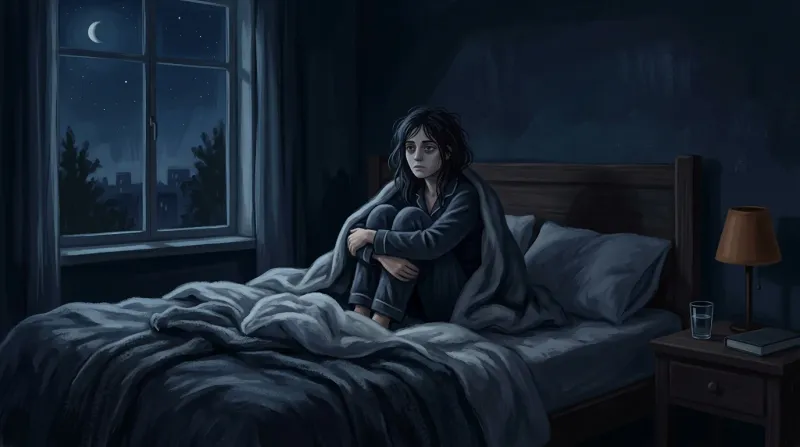
Sleep is the steady pillar of our well-being; when its rhythm falters, so do many details of our mental and physical lives. Sleep disorders—from intermittent insomnia to sleep apnea—are not a nuisance to be endured for a few nights and then forgotten. Instead, they can signal heightened anxiety, low mood, and weakened immunity. In this article from Tatmeen, we will explore the causes of these disturbances, how they reprogram our hormones and sap our social and professional energy, and then pause at simple, effective strategies that pave the way to peaceful sleep and a more balanced life.
Sleep Disorders and Their Profound Impact on Mood
Imagine starting your day with the emotional battery on your device nearly empty; that is exactly what restless nights do to us. Lack of sleep or repeated awakenings at night not only spoil the morning mood but also hang over the whole day like a heavy cloud. Researchers show that people who suffer from sleep disorders are more prone to acute anxiety or unexplained sadness, oscillating between quick irritability and quiet gloom. The reason is that the brain—deprived of its nightly "reboot"—cannot calibrate its inner chemistry. Findings from Sleep Foundation indicate that disrupted sleep cycles tamper with the balance of happiness hormones (serotonin and dopamine), diminishing the body's ability to regulate emotions and maintain a stable mood. The bottom line: every wasted hour of sleep exacts a toll on the serenity of your day.
The Ripple Effect of Sleep Disorders on Relationships
When the emotional tension caused by poor sleep becomes frequent, family and social bonds grow more fragile. Stress and irritability muddy conversations, creating distance between you and your loved ones. Tatmeen emphasizes that the impact of insufficient sleep should not be underestimated—not only on your mental health but also on your communication with those around you. In a moment of night-time exhaustion or early-morning mood swings, the simplest chats can turn into unexpected conflicts.
Physical Consequences and Hormonal Imbalance
It is striking how a lack of sleep—or its disturbances—can leave its mark on the entire body. The immune system weakens when the body does not get enough restorative hours, leaving us more vulnerable to colds and infections. This imbalance also directly affects appetite: some people experience noticeable weight gain due to a constant urge to eat, especially foods high in sugars and starches. According to MayoClinic, insomnia and short sleep increase the secretion of ghrelin—the hormone that stimulates appetite—and decrease leptin, the hormone responsible for feelings of fullness.
Sleep's Role in Detoxification and Energizing the Body
Sleep is not merely downtime; during it, the body enters a vital cleansing phase in which the brain clears cellular waste and cells recharge to renew energy. Frequent late nights and insufficient deep sleep therefore lead to chronic fatigue and sluggish muscle recovery, causing a persistent sense of tiredness even after minimal exertion. Caring for your sleep pattern is akin to supplying the body with its primary fuel for movement and vitality.
The Hidden Link Between Sleep Disorders and Mental Illness
The relationship between sleep and mental health is intricate: sleep disorders can lead to psychological complications, and the reverse is also true. If you suffer from anxiety or depression, you may find it difficult to fall asleep or stay asleep, entering a closed loop of poor sleep and worsening mental health.
How Does Stress Affect Sleep Quality?
Stress triggers the body to release hormones such as cortisol and adrenaline that keep us on high alert, making it hard to reach deep sleep. When stress lingers, it becomes chronic, disrupting the body's circadian rhythm. Tatmeen's experience shows that a common complaint among those living under continuous psychological pressure is the inability to sleep soundly or the tendency to wake up repeatedly during the night.
Simple Steps to Restore a Healthy Sleep Pattern
To achieve more balanced sleep, start by fixing a regular bedtime and wake-up time—even on weekends—training your biological clock to a steady beat. Stop stimulants like caffeine and nicotine from midday onward, replacing them with calming drinks such as chamomile or warm milk. Turn your bedroom into a haven of rest: keep the temperature moderate (18–22 °C), switch off harsh lights or block them with blackout curtains, and put away electronic devices an hour before bed. Just before sleeping, try simple calming rituals such as deep breathing, progressive muscle relaxation, or meditation; you can also jot down worrying thoughts to clear the mind.
Throughout the day, set aside half an hour for moderate physical activity such as walking or light exercise, but avoid finishing it less than three hours before bedtime. Likewise, steer clear of heavy or spicy meals at night; if you feel hungry, choose a light snack rich in complex protein, like yogurt with nuts. Finally, do not hesitate to consult a sleep-disorder specialist or a therapist if insomnia or frequent awakenings persist for more than two weeks—cognitive behavioral therapy for insomnia has proven effective at resetting sleep habits and reducing reliance on sedatives.
When Should You Seek Medical Advice?
If your restless nights are spoiling your days, making it hard to focus at work or school, or dragging mood swings on for more than two weeks, it is time to chat with an expert. Sharing your concerns with a sleep specialist or therapist will give you a treatment plan tailored to you, from simple behavioral tips to medication when needed. Do not wait until exhaustion becomes a constant companion; book your consultation with Tatmeen now, and let us help you regain calm nights and energy-filled days.
Frequently Asked Questions
1. Can lack of sleep directly cause depression?
Lack of sleep may not be the sole cause of depression, but it is an influential factor that increases the likelihood of its symptoms appearing and persisting, especially in people predisposed to it. Improving sleep quality can help alleviate some depressive symptoms.
2. What is the best way to deal with recurrent insomnia?
First, try setting consistent sleep and wake times and avoid caffeine late in the day. Prepare your bedroom to be quiet, dark, and comfortable. If insomnia continues, consult a mental-health or medical professional for a comprehensive assessment and treatment plan.
3. Do digital tools help improve sleep quality?
Some people benefit from meditation apps and breathing exercises that calm the mind, but exposure to phone or computer screens should be avoided well before bed, as the blue light they emit can negatively affect the brain's ability to relax and enter deep sleep.
What is your impression of this article?
Reviewed by

Tatmeen Team
Start your journey to better mental health with our care providers


One step for you, start now
Download Tatmeen and find the care provider that’s right for you easly.
Download Tatmeen and join over 10,000 successful recovery stories

Related articles

We haven’t gotten to share any of our blog posts yet
Join Tatmeen's newsletter
Subscribe to our newsletter to get the latest articles and news