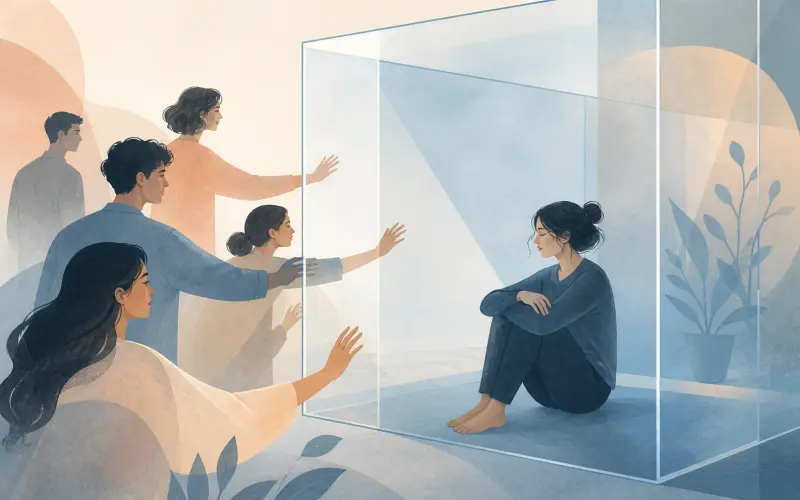
In our emotional lives, there comes a time when we need to ensure that we possess inner stability before entering a new relationship. Some may believe that love alone can solve all emotional problems, but the truth is that emotional stability is essential for building a healthy and happy relationship. In this article, the Tatmeen platform discusses how to achieve this stability and how to transform insecure attachment patterns into a secure one before entering a romantic relationship.
First, what is meant by emotional stability? Emotional stability is the ability to regulate emotions and thoughts in a balanced way. This inner balance is reflected in how a person behaves with their partner, making them calmer and more capable of handling pressure. When you possess emotional stability, your focus shifts toward developing your relationship away from anxiety and fear, helping you build strong foundations for communication and avoid behaviors that may damage trust. This is where understanding yourself and discovering your attachment style becomes essential in shaping your emotional interactions with others.
Attachment styles and their impact on relationships Psychologists have classified attachment styles to help us understand how we interact with partners in romantic relationships. According to Tatmeen experts, it is important to identify which style you belong to so you can regulate or develop it into a more secure one:
Secure attachment Secure attachment is based on an inner sense of trust in oneself and others. People with this style can easily express their feelings and accept love from their partner. This style makes it easier to build a stable relationship, where trust and mutual understanding support daily interactions.
Anxious attachment In this style, a person fears abandonment or rejection, leading them to constantly seek reassurance of their partner’s love. Behaviors such as frequent communication or intense stress when contact is delayed may appear. If these emotions are not regulated, they can create tension and insecurity in the relationship.
Avoidant attachment This style is characterized by avoiding deep emotional closeness. Individuals tend to distance themselves from strong emotional involvement with their partner. They may avoid conversations about the future of the relationship, which can sometimes make the other person feel neglected.
Anxious-avoidant attachment This style combines traits of both anxious and avoidant attachment. The person desires closeness but simultaneously fears commitment. This can lead to emotional contradictions that affect relationship stability and create difficulty in understanding the partner.
Steps toward developing a secure attachment style If you recognize that you lean toward an insecure attachment style, don’t worry—you can work on developing emotional awareness and changing your responses. According to Psychology Today, individuals can change their attachment patterns when they begin to understand their emotions and past experiences. Here are some effective steps:
Enhancing emotional self-awareness The first step toward change is recognizing your true emotions and understanding their causes. Early childhood experiences or past relationships may reveal the roots of anxiety or avoidance. Once you become aware of these roots, you can better work on changing your responses.
Practicing honest communication Relationship experts at Healthline emphasize that expressing feelings without fear of judgment strengthens emotional security and brings partners closer together. Start by clearly expressing your fears and expectations, and you will find that openness is the path to building deeper and stronger communication.
Seeking psychological support Consulting a mental health professional can be very effective if you struggle to manage your emotions. Tatmeen can serve as a supportive bridge to access help. Whether through text, voice, or video consultations, booking a session today can connect you with a specialist who will help you create a practical plan to change your attachment style and manage anxiety or fear of abandonment.
Building healthy relationships outside romance Developing strong support networks of friends and family is an important step toward enhancing self-confidence. These connections provide safe spaces to share thoughts and emotions without the pressures of a romantic relationship. Social support reduces stress levels and improves overall mental well-being.
Practicing self-compassion Being kind to yourself is a crucial step toward developing a secure attachment style. Constant self-criticism reinforces negative emotions and hinders emotional growth. You can start by practicing relaxation techniques or meditation to give your mind space to rebuild its responses to different situations.
When are you ready to enter a relationship? There is no fixed timeline for everyone. Each person has their own pace in healing, learning, and growing. In conclusion, Tatmeen recommends observing your level of emotional balance and healthy communication with others before entering any new romantic relationship. The goal is not just to be in a relationship, but to be in one that brings you peace, stability, and the opportunity to grow with your partner on a foundation of trust and love.
Finally… Transforming toward a secure attachment style and building emotional stability before entering a relationship is a journey that requires time, effort, and patience. Ultimately, when you deeply understand your emotions and learn how to communicate effectively, you can move forward with confidence toward a relationship that offers stability and emotional harmony. Start with small, clear steps, and consider booking a consultation with Tatmeen today to help you build lasting, strong foundations.
Frequently Asked Questions
Can insecure attachment styles be changed quickly?
Change can begin quickly if there is genuine willingness and awareness of the issues, but the process usually requires time, consistent effort, and often professional support or guidance from someone involved in your journey.
How do I know I am ready to enter a relationship?
When you notice improvement in your ability to regulate and express your emotions, and a reduction in anxiety or fear of abandonment or closeness, you are likely more prepared to enter a relationship in a healthy and balanced way.
What is the role of friends and family in achieving emotional stability?
Their role is essential in providing support, listening, and creating a safe environment for emotional expression. Having a trusted support network enhances psychological well-being and gives you greater confidence in forming stable romantic relationships.
A writer and researcher specializing in psychiatry, she focuses on mental health and the human emotions we experience but cannot always find the words to name. She writes about us—about humanity and the human experience—and simplifies complex topics to offer content that helps us better understand ourselves and life, ultimately making us feel less alone.
Every Tatmeen article is reviewed by care providers licensed by the Saudi Commission for Health Specialties, so what you read is accurate and trustworthy.
This article builds understanding and does not replace a licensed care provider.
Need someone to talk to?
Tatmeen's licensed care providers are available around the clock, and the app's urgent consultation connects you with one within minutes.
Download Tatmeen to explore care providers and booking options.
Smart matchingFour quick questions suggest the right care provider
Urgent consultationTalk to an available care provider within minutes
Free psychological measuresMore than 20 tests to understand how you are doing
Scan to download
{"data":{"id":"904a48a3-1285-40b8-a4d2-aced5d676274","slug":"emotional-stability-before-relationships","arTitle":"كيف تصل إلى الاستقرار العاطفي قبل الدخول في علاقة عاطفية؟","enTitle":"How to Achieve Emotional Stability Before Entering a Romantic Relationship","thumbnailAltText":"Woman gently hugging herself, surrounded by soft leaves and warm calming tones","estimatedReadingTime":5,"likesCount":300,"writer":{"id":"3ab72b74-f26f-4337-9b47-3114b0f90de5","arBio":"كاتبة وباحثة متخصصة في مجال الطب النفسي، تهتم بموضوعات الصحة النفسية وبالمشاعر الإنسانية التي نختبرها ولا نجد دائمًا الكلمات لتسميتها. تكتب عنّا؛ عن الإنسان وتجربته، وتبسّط الموضوعات المعقّدة لتقدّم محتوى يساعدنا على فهم ذواتنا والحياة أكثر، ويجعلنا نشعر بأننا بوحدة أقل.","enBio":"A writer and researcher specializing in psychiatry, she focuses on mental health and the human emotions we experience but cannot always find the words to name. She writes about us—about humanity and the human experience—and simplifies complex topics to offer content that helps us better understand ourselves and life, ultimately making us feel less alone.","user":{"slug":"ayat-alnajar","arFullName":"آيات النجار","enFullName":"Ayat Al-Najjar","publicProfileImageUrl":"https://cdn.tatmeen.sa/public/profile-images/02384455-68fa-40b6-ad05-609fde65cafa/21b9a610dde5dfc6d37af110c23e9c7ab3946be080c281beb000debf4f7d31a6.webp","publicProfileImage96Url":"https://cdn.tatmeen.sa/public/profile-images/02384455-68fa-40b6-ad05-609fde65cafa/21b9a610dde5dfc6d37af110c23e9c7ab3946be080c281beb000debf4f7d31a6-w96.webp","publicProfileImage192Url":"https://cdn.tatmeen.sa/public/profile-images/02384455-68fa-40b6-ad05-609fde65cafa/21b9a610dde5dfc6d37af110c23e9c7ab3946be080c281beb000debf4f7d31a6-w192.webp"}},"arContent":"","enContent":"","productionDocument":{"headings":[],"faqs":[{"question":"Can insecure attachment styles be changed quickly?","answer":"<p>Change can begin quickly if there is genuine willingness and awareness of the issues, but the process usually requires time, consistent effort, and often professional support or guidance from someone involved in your journey.</p>"},{"question":"How do I know I am ready to enter a relationship?","answer":"<p>When you notice improvement in your ability to regulate and express your emotions, and a reduction in anxiety or fear of abandonment or closeness, you are likely more prepared to enter a relationship in a healthy and balanced way.</p>"},{"question":"What is the role of friends and family in achieving emotional stability?","answer":"<p>Their role is essential in providing support, listening, and creating a safe environment for emotional expression. Having a trusted support network enhances psychological well-being and gives you greater confidence in forming stable romantic relationships.</p>"}],"beforeSourcesHtml":"<p></p>","sources":[],"afterSourcesHtml":"","blocks":[{"type":"html","html":"<p>In our emotional lives, there comes a time when we need to ensure that we possess inner stability before entering a new relationship. Some may believe that love alone can solve all emotional problems, but the truth is that emotional stability is essential for building a healthy and happy relationship. In this article, the Tatmeen platform discusses how to achieve this stability and how to transform insecure attachment patterns into a secure one before entering a romantic relationship.</p><p><strong>First, what is meant by emotional stability?</strong><br />Emotional stability is the ability to regulate emotions and thoughts in a balanced way. This inner balance is reflected in how a person behaves with their partner, making them calmer and more capable of handling pressure. When you possess emotional stability, your focus shifts toward developing your relationship away from anxiety and fear, helping you build strong foundations for communication and avoid behaviors that may damage trust. This is where understanding yourself and discovering your attachment style becomes essential in shaping your emotional interactions with others.</p><p><strong>Attachment styles and their impact on relationships</strong><br />Psychologists have classified attachment styles to help us understand how we interact with partners in romantic relationships. According to Tatmeen experts, it is important to identify which style you belong to so you can regulate or develop it into a more secure one:</p><ol><li><p><strong>Secure attachment</strong><br />Secure attachment is based on an inner sense of trust in oneself and others. People with this style can easily express their feelings and accept love from their partner. This style makes it easier to build a stable relationship, where trust and mutual understanding support daily interactions.</p></li><li><p><strong>Anxious attachment</strong><br />In this style, a person fears abandonment or rejection, leading them to constantly seek reassurance of their partner’s love. Behaviors such as frequent communication or intense stress when contact is delayed may appear. If these emotions are not regulated, they can create tension and insecurity in the relationship.</p></li><li><p><strong>Avoidant attachment</strong><br />This style is characterized by avoiding deep emotional closeness. Individuals tend to distance themselves from strong emotional involvement with their partner. They may avoid conversations about the future of the relationship, which can sometimes make the other person feel neglected.</p></li><li><p><strong>Anxious-avoidant attachment</strong><br />This style combines traits of both anxious and avoidant attachment. The person desires closeness but simultaneously fears commitment. This can lead to emotional contradictions that affect relationship stability and create difficulty in understanding the partner.</p></li></ol><p><strong>Steps toward developing a secure attachment style</strong><br />If you recognize that you lean toward an insecure attachment style, don’t worry—you can work on developing emotional awareness and changing your responses. According to Psychology Today, individuals can change their attachment patterns when they begin to understand their emotions and past experiences. Here are some effective steps:</p><p><strong>Enhancing emotional self-awareness</strong><br />The first step toward change is recognizing your true emotions and understanding their causes. Early childhood experiences or past relationships may reveal the roots of anxiety or avoidance. Once you become aware of these roots, you can better work on changing your responses.</p><p><strong>Practicing honest communication</strong><br />Relationship experts at Healthline emphasize that expressing feelings without fear of judgment strengthens emotional security and brings partners closer together. Start by clearly expressing your fears and expectations, and you will find that openness is the path to building deeper and stronger communication.</p><p><strong>Seeking psychological support</strong><br />Consulting a mental health professional can be very effective if you struggle to manage your emotions. Tatmeen can serve as a supportive bridge to access help. Whether through text, voice, or video consultations, booking a session today can connect you with a specialist who will help you create a practical plan to change your attachment style and manage anxiety or fear of abandonment.</p><p><strong>Building healthy relationships outside romance</strong><br />Developing strong support networks of friends and family is an important step toward enhancing self-confidence. These connections provide safe spaces to share thoughts and emotions without the pressures of a romantic relationship. Social support reduces stress levels and improves overall mental well-being.</p><p><strong>Practicing self-compassion</strong><br />Being kind to yourself is a crucial step toward developing a secure attachment style. Constant self-criticism reinforces negative emotions and hinders emotional growth. You can start by practicing relaxation techniques or meditation to give your mind space to rebuild its responses to different situations.</p><p><strong>When are you ready to enter a relationship?</strong><br />There is no fixed timeline for everyone. Each person has their own pace in healing, learning, and growing. In conclusion, Tatmeen recommends observing your level of emotional balance and healthy communication with others before entering any new romantic relationship. The goal is not just to be in a relationship, but to be in one that brings you peace, stability, and the opportunity to grow with your partner on a foundation of trust and love.</p><p><strong>Finally…</strong><br />Transforming toward a secure attachment style and building emotional stability before entering a relationship is a journey that requires time, effort, and patience. Ultimately, when you deeply understand your emotions and learn how to communicate effectively, you can move forward with confidence toward a relationship that offers stability and emotional harmony. Start with small, clear steps, and consider booking a consultation with Tatmeen today to help you build lasting, strong foundations.</p>"}],"inlineCtaSignatures":[],"_experienceAliases":{"v":1,"fields":["html","bodyHtml"],"faqs":[0,1,2]}},"createdAt":"2026-06-15T21:00:00.000Z","updatedAt":"2026-06-22T17:02:30.761Z","disorderGroups":[{"id":"1e82772d-a1a7-4d29-b475-be9d6b67ae02","slug":"common-mental-issues","arName":"اضطرابات نفسية شائعة","enName":"Common Mental Issues"},{"id":"d807ea69-44d4-4e81-bee4-0a059fd36645","slug":"self-development","arName":"تنمية الذات","enName":"Self-Development"},{"id":"01b1a587-3584-435b-971a-c40ffce29802","slug":"family-and-marital-relations","arName":"العلاقات الأسرية والزوجية","enName":"Family & Marital Relations"}],"reviewer":{"arFullName":"فريق تطمين","enFullName":"Tatmeen team","slug":"tatmeen-team","kind":"organization"},"productionArticle":true,"promotionAllowed":true,"preparedCover":{"src":"https://cdn.tatmeen.sa/public/article-lcp/article-lcp-v2/sha256-412c6e382ad5f8883c31d3928eb05fc28b6534acbd289a980db63cadc4c57cd1/800-76e683879b419c4541c64064ae310ef0f5eb26f5de36de00f688bcb964f5098a.avif","fallback":"https://cdn.tatmeen.sa/public/article-lcp/article-lcp-v2/sha256-412c6e382ad5f8883c31d3928eb05fc28b6534acbd289a980db63cadc4c57cd1/800-40e33dfbc8c3a76f5d100d02a6b86b5c10a7ca1d03ebd40a98789963842ea7eb.webp","directUrl":"https://cdn.tatmeen.sa/blog-cover/Tatmeen-1781628094822.webp","isGolden":true,"avifSrcset":"https://cdn.tatmeen.sa/public/article-lcp/article-lcp-v2/sha256-412c6e382ad5f8883c31d3928eb05fc28b6534acbd289a980db63cadc4c57cd1/400-3356f8300ca66a27fbed05362ee67287cd976fbcf1ad5ae863753882dd26acc6.avif 400w, https://cdn.tatmeen.sa/public/article-lcp/article-lcp-v2/sha256-412c6e382ad5f8883c31d3928eb05fc28b6534acbd289a980db63cadc4c57cd1/640-c4fab927221bc87212e5f10336bff1d3b5b6ac453ded0bfd3006913efd4157ba.avif 640w, https://cdn.tatmeen.sa/public/article-lcp/article-lcp-v2/sha256-412c6e382ad5f8883c31d3928eb05fc28b6534acbd289a980db63cadc4c57cd1/800-76e683879b419c4541c64064ae310ef0f5eb26f5de36de00f688bcb964f5098a.avif 800w, https://cdn.tatmeen.sa/public/article-lcp/article-lcp-v2/sha256-412c6e382ad5f8883c31d3928eb05fc28b6534acbd289a980db63cadc4c57cd1/1200-f958bdb26b8bbdc40bbbbaa7c18c15b7f70e2ebc60adee05ceb9f7f57122aec9.avif 1200w","webpSrcset":"https://cdn.tatmeen.sa/public/article-lcp/article-lcp-v2/sha256-412c6e382ad5f8883c31d3928eb05fc28b6534acbd289a980db63cadc4c57cd1/400-97e7fe4b9b2f7c623ba4ba2c9c0316d1fec5b031c08d23b82703ae66f74c6807.webp 400w, https://cdn.tatmeen.sa/public/article-lcp/article-lcp-v2/sha256-412c6e382ad5f8883c31d3928eb05fc28b6534acbd289a980db63cadc4c57cd1/640-2519737e0bcbeac64449061c5f8a9b33b0488c002fc11ad045f081c8500cb58c.webp 640w, https://cdn.tatmeen.sa/public/article-lcp/article-lcp-v2/sha256-412c6e382ad5f8883c31d3928eb05fc28b6534acbd289a980db63cadc4c57cd1/800-40e33dfbc8c3a76f5d100d02a6b86b5c10a7ca1d03ebd40a98789963842ea7eb.webp 800w, https://cdn.tatmeen.sa/public/article-lcp/article-lcp-v2/sha256-412c6e382ad5f8883c31d3928eb05fc28b6534acbd289a980db63cadc4c57cd1/1200-46444458b6ccbc6ca5d7ffc02a204b43bce155216c9970fea5c107c27c94d81f.webp 1200w","phoneAvifSrcset":"https://cdn.tatmeen.sa/public/article-lcp/article-lcp-v2/sha256-412c6e382ad5f8883c31d3928eb05fc28b6534acbd289a980db63cadc4c57cd1/400-3356f8300ca66a27fbed05362ee67287cd976fbcf1ad5ae863753882dd26acc6.avif 400w, https://cdn.tatmeen.sa/public/article-lcp/article-lcp-v2/sha256-412c6e382ad5f8883c31d3928eb05fc28b6534acbd289a980db63cadc4c57cd1/640-c4fab927221bc87212e5f10336bff1d3b5b6ac453ded0bfd3006913efd4157ba.avif 640w, https://cdn.tatmeen.sa/public/article-lcp/article-lcp-v2/sha256-412c6e382ad5f8883c31d3928eb05fc28b6534acbd289a980db63cadc4c57cd1/800-76e683879b419c4541c64064ae310ef0f5eb26f5de36de00f688bcb964f5098a.avif 800w","phoneWebpSrcset":"https://cdn.tatmeen.sa/public/article-lcp/article-lcp-v2/sha256-412c6e382ad5f8883c31d3928eb05fc28b6534acbd289a980db63cadc4c57cd1/400-97e7fe4b9b2f7c623ba4ba2c9c0316d1fec5b031c08d23b82703ae66f74c6807.webp 400w, https://cdn.tatmeen.sa/public/article-lcp/article-lcp-v2/sha256-412c6e382ad5f8883c31d3928eb05fc28b6534acbd289a980db63cadc4c57cd1/640-2519737e0bcbeac64449061c5f8a9b33b0488c002fc11ad045f081c8500cb58c.webp 640w, https://cdn.tatmeen.sa/public/article-lcp/article-lcp-v2/sha256-412c6e382ad5f8883c31d3928eb05fc28b6534acbd289a980db63cadc4c57cd1/800-40e33dfbc8c3a76f5d100d02a6b86b5c10a7ca1d03ebd40a98789963842ea7eb.webp 800w","width":800,"height":447},"previewTaxonomy":{"groups":[{"id":"1e82772d-a1a7-4d29-b475-be9d6b67ae02","slug":"common-mental-issues","arName":"اضطرابات نفسية شائعة","enName":"Common Mental Issues"},{"id":"d807ea69-44d4-4e81-bee4-0a059fd36645","slug":"self-development","arName":"تنمية الذات","enName":"Self-Development"},{"id":"01b1a587-3584-435b-971a-c40ffce29802","slug":"family-and-marital-relations","arName":"العلاقات الأسرية والزوجية","enName":"Family & Marital Relations"}],"topics":[{"id":"eb4252aa-fb67-4971-a563-954a8176f44c","slug":"communication-skills","arName":"مهارات التواصل","enName":"Communication Skills","groupSlug":"self-development","href":"/blog/category/self-development/communication-skills/"},{"id":"7795b6e4-e390-47a5-baf0-09243b44e066","slug":"self-compassion","arName":"تعاطف مع الذات","enName":"Self-Compassion","groupSlug":"self-development","href":"/blog/category/self-development/self-compassion/"},{"id":"50c2f23c-d5ee-4f58-9a90-db2b071c9bfb","slug":"unhealthy-attachment","arName":"التعلّق المرضي","enName":"Unhealthy Attachment","groupSlug":"common-mental-issues","href":"/blog/category/common-mental-issues/unhealthy-attachment/"}],"tags":[{"id":"dbd6cf9d-e555-43d4-9205-05dcf3b84eb3","slug":"emotional-regulation","arName":"تنظيم المشاعر والذكاء العاطفي","enName":"Emotional Regulation"},{"id":"510c3a96-f7ec-45f9-8077-9c7b673f089b","slug":"attachment-styles","arName":"أنماط التعلّق","enName":"Attachment Styles"},{"id":"d58e6187-021b-44a5-882c-245bccd77611","slug":"self-help-howto","arName":"مساعدة ذاتية / خطوات عملية","enName":"Self-Help / How-To"}]},"previewProviderRecommendations":[{"id":"278d5ac5-30ff-46ad-97be-c67cdd125836","slug":"dr-mohammed-alamari-8085","arFullName":"د. محمد العماري","enFullName":"Dr. Mohammed Alamari","publicProfileImageUrl":"https://cdn.tatmeen.sa/public/profile-images/278d5ac5-30ff-46ad-97be-c67cdd125836/69bdd11cb01784eed010eb9883403fd6ca4e4afcec739dcd6114fd8b85f133a8.webp","publicProfileImage96Url":"https://cdn.tatmeen.sa/public/profile-images/278d5ac5-30ff-46ad-97be-c67cdd125836/69bdd11cb01784eed010eb9883403fd6ca4e4afcec739dcd6114fd8b85f133a8-w96.webp","publicProfileImage192Url":"https://cdn.tatmeen.sa/public/profile-images/278d5ac5-30ff-46ad-97be-c67cdd125836/69bdd11cb01784eed010eb9883403fd6ca4e4afcec739dcd6114fd8b85f133a8-w192.webp","specialization":{"arName":"طبيب أسرة","enName":"Family Physician"},"profileImageUrl":"https://cdn.tatmeen.sa/public/profile-images/278d5ac5-30ff-46ad-97be-c67cdd125836/69bdd11cb01784eed010eb9883403fd6ca4e4afcec739dcd6114fd8b85f133a8-w192.webp","experienceYears":3,"consultantInfo":{"averageRating":{"average":4},"specialization":{"arGeneralName":"طبيب أسرة","enGeneralName":"Family Physician"}}},{"id":"6df31339-a6f5-4131-a603-3a7c7a34c143","slug":"joud-alodhayyani-9014","arFullName":"جود العتيبي","enFullName":"Joud Alotaibi","publicProfileImageUrl":"https://cdn.tatmeen.sa/public/profile-images/6df31339-a6f5-4131-a603-3a7c7a34c143/7bb005ef9d4315296aad2a7d142fb2af2cf89920a40b474fc5139b9530269282.webp","publicProfileImage96Url":"https://cdn.tatmeen.sa/public/profile-images/6df31339-a6f5-4131-a603-3a7c7a34c143/7bb005ef9d4315296aad2a7d142fb2af2cf89920a40b474fc5139b9530269282-w96.webp","publicProfileImage192Url":"https://cdn.tatmeen.sa/public/profile-images/6df31339-a6f5-4131-a603-3a7c7a34c143/7bb005ef9d4315296aad2a7d142fb2af2cf89920a40b474fc5139b9530269282-w192.webp","specialization":{"arName":"أخصائي نفسي","enName":"Psychologist"},"profileImageUrl":"https://cdn.tatmeen.sa/public/profile-images/6df31339-a6f5-4131-a603-3a7c7a34c143/7bb005ef9d4315296aad2a7d142fb2af2cf89920a40b474fc5139b9530269282-w192.webp","experienceYears":2,"consultantInfo":{"averageRating":{"average":3.5},"specialization":{"arGeneralName":"أخصائي نفسي","enGeneralName":"Psychologist"}}},{"id":"5520abac-2d83-4b20-a11d-f63055316699","slug":"maha-alawad-4831","arFullName":"مها العواد","enFullName":"Maha Alawad","publicProfileImageUrl":"","publicProfileImage96Url":"","publicProfileImage192Url":"","specialization":{"arName":"أخصائي نفسي","enName":"Psychologist"},"profileImageUrl":"","experienceYears":13,"consultantInfo":{"averageRating":{"average":4.846153846153846},"specialization":{"arGeneralName":"أخصائي نفسي","enGeneralName":"Psychologist"}}}],"previewCareProviders":[{"id":"09364052-c2a9-4c52-9717-7ce2093b8d0a","slug":"kholoud-alharbi-5221","arFullName":"خلود الحربي","enFullName":"Kholoud Alharbi","publicProfileImageUrl":"https://cdn.tatmeen.sa/public/profile-images/09364052-c2a9-4c52-9717-7ce2093b8d0a/4a0aeb81619e351b77f4323e3605a0a00acc7ca3c82ee7cc5ca2c9e8ef716049.webp","publicProfileImage96Url":"https://cdn.tatmeen.sa/public/profile-images/09364052-c2a9-4c52-9717-7ce2093b8d0a/4a0aeb81619e351b77f4323e3605a0a00acc7ca3c82ee7cc5ca2c9e8ef716049-w96.webp","publicProfileImage192Url":"https://cdn.tatmeen.sa/public/profile-images/09364052-c2a9-4c52-9717-7ce2093b8d0a/4a0aeb81619e351b77f4323e3605a0a00acc7ca3c82ee7cc5ca2c9e8ef716049-w192.webp","gender":"FEMALE","specialization":{"arName":"أخصائي نفسي","enName":"Psychologist"}},{"id":"6f037535-1dca-4b50-a8b2-5974b7323286","slug":"salah-althobaiti-9053","arFullName":"صلاح الثبيتي","enFullName":"Salah Althobaiti","publicProfileImageUrl":"https://cdn.tatmeen.sa/public/profile-images/6f037535-1dca-4b50-a8b2-5974b7323286/35b6bd7fad9b1e004c1835803eb9c1b56dcacd380685ec8bff141f0fb888005c.webp","publicProfileImage96Url":"https://cdn.tatmeen.sa/public/profile-images/6f037535-1dca-4b50-a8b2-5974b7323286/35b6bd7fad9b1e004c1835803eb9c1b56dcacd380685ec8bff141f0fb888005c-w96.webp","publicProfileImage192Url":"https://cdn.tatmeen.sa/public/profile-images/6f037535-1dca-4b50-a8b2-5974b7323286/35b6bd7fad9b1e004c1835803eb9c1b56dcacd380685ec8bff141f0fb888005c-w192.webp","gender":"MALE","specialization":{"arName":"أخصائي نفسي","enName":"Psychologist"}},{"id":"3cc806e8-616b-4884-9f21-a75b378580a2","slug":"aisha-al-hashim-8667","arFullName":"عائشة ال هاشم","enFullName":"Aisha Al Hashim","publicProfileImageUrl":"https://cdn.tatmeen.sa/public/profile-images/3cc806e8-616b-4884-9f21-a75b378580a2/27f523d03be4dcfa1f6a79f70c1773887434e698990d214cd990caec56a44798.webp","publicProfileImage96Url":"https://cdn.tatmeen.sa/public/profile-images/3cc806e8-616b-4884-9f21-a75b378580a2/27f523d03be4dcfa1f6a79f70c1773887434e698990d214cd990caec56a44798-w96.webp","publicProfileImage192Url":"https://cdn.tatmeen.sa/public/profile-images/3cc806e8-616b-4884-9f21-a75b378580a2/27f523d03be4dcfa1f6a79f70c1773887434e698990d214cd990caec56a44798-w192.webp","gender":"FEMALE","specialization":{"arName":"أخصائي نفسي","enName":"Psychologist"}},{"id":"db2ce1a0-9325-4471-b7ce-eb2e811c30a3","slug":"amer-qutub-2441","arFullName":"عامر قطب","enFullName":"Amer Qutub","publicProfileImageUrl":"https://cdn.tatmeen.sa/public/profile-images/db2ce1a0-9325-4471-b7ce-eb2e811c30a3/80580f99bfd7fe2b2a9cf8eed73ab532f5086d1efe053b0aa57358c1ce004261.webp","publicProfileImage96Url":"https://cdn.tatmeen.sa/public/profile-images/db2ce1a0-9325-4471-b7ce-eb2e811c30a3/80580f99bfd7fe2b2a9cf8eed73ab532f5086d1efe053b0aa57358c1ce004261-w96.webp","publicProfileImage192Url":"https://cdn.tatmeen.sa/public/profile-images/db2ce1a0-9325-4471-b7ce-eb2e811c30a3/80580f99bfd7fe2b2a9cf8eed73ab532f5086d1efe053b0aa57358c1ce004261-w192.webp","gender":"MALE","specialization":{"arName":"أخصائي نفسي","enName":"Psychologist"}},{"id":"94765496-dbdf-4631-a01b-7df5f788668d","slug":"abdullrahman-alhamoudi-3045","arFullName":"عبدالرحمن الحمودي","enFullName":"Abdulrahman Alhamoudi","publicProfileImageUrl":"https://cdn.tatmeen.sa/public/profile-images/94765496-dbdf-4631-a01b-7df5f788668d/d024ac14af9bc060afb42ce332609f83df20dd69d27b316fa850cf7d9f26a1b7.webp","publicProfileImage96Url":"https://cdn.tatmeen.sa/public/profile-images/94765496-dbdf-4631-a01b-7df5f788668d/d024ac14af9bc060afb42ce332609f83df20dd69d27b316fa850cf7d9f26a1b7-w96.webp","publicProfileImage192Url":"https://cdn.tatmeen.sa/public/profile-images/94765496-dbdf-4631-a01b-7df5f788668d/d024ac14af9bc060afb42ce332609f83df20dd69d27b316fa850cf7d9f26a1b7-w192.webp","gender":"MALE","specialization":{"arName":"أخصائي نفسي","enName":"Psychologist"}},{"id":"618dba89-5b70-4b46-8304-741b7ac8ecd3","slug":"abdullah-mari-1311","arFullName":"عبدالله مرعي","enFullName":"Abdullah Mari","publicProfileImageUrl":"https://cdn.tatmeen.sa/public/profile-images/618dba89-5b70-4b46-8304-741b7ac8ecd3/6b4a3bfb59f8a304ca79083b32859b46baad2e1d692974a47c02c1f66bd11129.webp","publicProfileImage96Url":"https://cdn.tatmeen.sa/public/profile-images/618dba89-5b70-4b46-8304-741b7ac8ecd3/6b4a3bfb59f8a304ca79083b32859b46baad2e1d692974a47c02c1f66bd11129-w96.webp","publicProfileImage192Url":"https://cdn.tatmeen.sa/public/profile-images/618dba89-5b70-4b46-8304-741b7ac8ecd3/6b4a3bfb59f8a304ca79083b32859b46baad2e1d692974a47c02c1f66bd11129-w192.webp","gender":"MALE","specialization":{"arName":"أخصائي نفسي","enName":"Psychologist"}}],"previewDownload":{"href":"/download","title":{"ar":"خطوة واحدة لأجلك، ابدأ الآن","en":"One step for you, start now"},"description":{"ar":"حمّل تطبيق تطمين لاستكشاف مقدمي الرعاية وخيارات الحجز.","en":"Download Tatmeen to explore care providers and booking options."},"posterSrc":"/images/home/cta-ar-new-1.webp","videoSrc":"/images/home/cta-ar-new-1.mp4","videoPosterSrc":"/images/home/cta-ar-new-1.webp","videoPosterEnSrc":"/images/home/cta-en-new-1.webp","videoType":"video/mp4","appStoreHref":"https://apps.apple.com/us/app/tatmeen-%D8%AA%D8%B7%D9%85%D9%8A%D9%86/id6473836983","googlePlayHref":"https://play.google.com/store/apps/details?id=com.TatmeenApp.user&hl=en"},"previewRelatedArticles":[{"id":"9b3f1411-cbb5-430f-a430-6cc5ba9ec2a9","slug":"fearful-avoidant-attachment-roots-solutions","route":"/blog/fearful-avoidant-attachment-roots-solutions/","title":{"ar":"نمط التعلّق التجنّبي الخائف: فهم جذوره والبحث عن الحلول","en":"Fearful-Avoidant Attachment Style: Understanding Its Roots and Finding Solutions"},"image":"https://cdn.tatmeen.sa/public/article-lcp/article-lcp-v2/sha256-fed015c99dd20c16b82efcbc3ac4da5bf898f425b6ad5813709ae3be86ef1676/800-e1d316b3152f3b6c43544dbdba4d10af6fb963095e9dec57cef30004e52d1a9a.webp","directImageFallback":"https://cdn.tatmeen.sa/blog-cover/Tatmeen-1777737290741.webp","arThumbnailAltText":"Person reaching toward an outstretched hand but pulling back at the last second","thumbnailAltText":"Person reaching toward an outstretched hand but pulling back at the last second","topic":{"label":{"ar":"اضطرابات نفسية شائعة","en":"Common Mental Issues"}},"readingTimeMinutes":5},{"id":"632e0968-cb63-4ef1-a052-8c790e6e2bc5","slug":"mother-wound-men-enmeshment-absent-maternal-support","route":"/blog/mother-wound-men-enmeshment-absent-maternal-support/","title":{"ar":"جرح الأم لدى الذكور: تجاوز التعلّق المفرط وغياب الدعم الأمومي","en":"Mother Wound in Men: Overcoming Enmeshment and Absent Maternal Support"},"image":"https://cdn.tatmeen.sa/public/article-lcp/article-lcp-v2/sha256-68d0d7ef8edfc686b975f67b48c9d891a461201ff20d77cc7accd90e77e42a50/800-49d012167fe993d1e567e50d73721181f9e23e16554b071e2fdc767f40dd1b09.webp","directImageFallback":"https://cdn.tatmeen.sa/blog-cover/Tatmeen-1777382972280.webp","arThumbnailAltText":"a man looking forward and behind him is the shadow of his mother","thumbnailAltText":"a man looking forward and behind him is the shadow of his mother","topic":{"label":{"ar":"اضطرابات نفسية شائعة","en":"Common Mental Issues"}},"readingTimeMinutes":5},{"id":"a8e5648d-0d83-4bfb-b5db-a309f658d328","slug":"dismissive-avoidant-attachment-signs-change","route":"/blog/dismissive-avoidant-attachment-signs-change/","title":{"ar":"نمط التعلّق التجنّبي المُتحفِّظ: العلامات وطرق تغييره","en":"Dismissive-Avoidant Attachment Style: Signs and How to Change It"},"image":"https://cdn.tatmeen.sa/public/article-lcp/article-lcp-v2/sha256-69192dd217235c08fb0a9ed4fc034e38366095e2fa8609413c38a452ad895caa/800-c6a66c78051da58e39eddddcd9a31cd1c1b2f0dc63fb8a352eaf248e7a898c3c.webp","directImageFallback":"https://cdn.tatmeen.sa/blog-cover/Tatmeen-1777738043828.webp","arThumbnailAltText":"person sitting inside a transparent room while others are trying to reach out to him","thumbnailAltText":"person sitting inside a transparent room while others are trying to reach out to him","topic":{"label":{"ar":"اضطرابات نفسية شائعة","en":"Common Mental Issues"}},"readingTimeMinutes":5},{"id":"bfb16447-bcdf-4844-b0df-4d63859c626b","slug":"attachment-styles-childhood-shapes-future-relationships","route":"/blog/attachment-styles-childhood-shapes-future-relationships/","title":{"ar":"أنماط التعلّق: كيف تشكّل طفولتك علاقاتك المستقبلية","en":"Attachment Styles: How Your Childhood Shapes Your Future Relationships"},"image":"https://cdn.tatmeen.sa/public/article-lcp/article-lcp-v2/sha256-934be0a8f34be81588f8044a8b0e1d99dd9994b79279c23afb3eb7689890fb10/800-ae0d7a6a0b937ffca4f162aa374c032a3772d0470ec82a8e52687191ad07a394.webp","directImageFallback":"https://cdn.tatmeen.sa/blog-cover/Tatmeen-1777311474936.webp","arThumbnailAltText":"a child sitting in front of a tree resembling his life relationships","thumbnailAltText":"a child sitting in front of a tree resembling his life relationships","topic":{"label":{"ar":"اضطرابات نفسية شائعة","en":"Common Mental Issues"}},"readingTimeMinutes":5}],"previewRelatedReadStates":{}},"locale":"en","device":"desktop","path":"/en/blog/emotional-stability-before-relationships/","readingControls":false,"config":{"public":{"BUCKET_URL":"https://cdn.tatmeen.sa/","APP_BASE_URL":"https://tatmeen.sa","intercomAppId":"ppcnu9e3"}}}