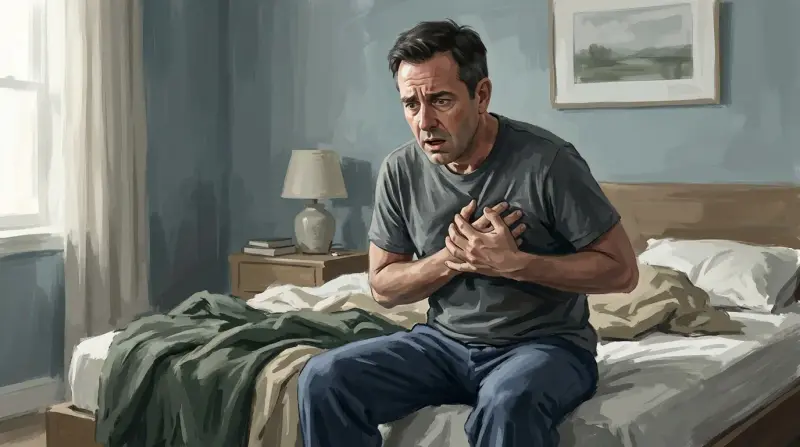
Panic attacks can convince you that a real danger is threatening your life. They become a persistent worry, affecting daily functioning and social relationships, and may even make you feel as though you’re about to have a heart attack. However, the truth is that this danger is nothing but a false sensation in your mind. The good news is that it is possible to control this condition; all you need to do is train your mind to regain control and restore calm. In this article, we will explore what panic attacks are, their causes and symptoms, and we will offer you effective strategies to manage and reduce their intensity.
What are Panic Attacks?
Panic attacks are sudden and intense waves of anxiety or fear, accompanied by physical and mental symptoms that can deeply affect daily routines. Often, individuals who experience panic attacks feel as though something dangerous is about to happen or that a disaster is imminent. These feelings intensify when thinking about losing control or sensing an impending threat.
A Historical Overview of Panic Disorder
Although the phenomenon of extreme fear has been known since ancient times, scientific awareness of panic disorder has only increased in recent decades due to medical and psychological research. In the 1970s and 1980s, scientists began to draw attention to sudden attacks that affected some individuals without any prior warning. Today, we rely on studies from global research centers to understand the biological and psychological factors contributing to these attacks.
Causes of Panic Attacks
Understanding the causes of panic attacks is the first key to effectively dealing with them. Often, there is no single reason for the occurrence of these attacks; instead, they result from a combination of biological, psychological, and environmental factors.
Genetic and Biological Factors
Some studies suggest a genetic predisposition to panic disorder. Individuals with a family history of mental health disorders are more likely to experience panic attacks. Researchers attribute this to the possible involvement of certain genes linked to the brain’s response to stress and danger. Additionally, an imbalance in neurotransmitters such as serotonin can play a role in increasing the likelihood of developing panic disorder.
Life Experiences and Psychological Trauma
Exposure to severe psychological trauma, whether in childhood or later in life, can leave a lasting impact on mental health and lead to panic attacks. Such traumas include serious car accidents, domestic violence, or the loss of a loved one. In some cases, cumulative life challenges such as work stress or social relationship difficulties can exacerbate feelings of anxiety and fear.
Thought Patterns and Chronic Stress
Some individuals tend to adopt negative or catastrophic thinking patterns, where they exaggerate everyday situations to appear as major threats. When chronic stress persists for an extended period, the body remains in a constant state of alert, making it easier for panic attacks to occur. This is why maintaining a positive mindset and practicing relaxation techniques are important in preventing and alleviating panic attacks.
Common Symptoms of Panic Attacks
Panic attacks are accompanied by a range of physical and psychological symptoms that can provoke fear in the individual experiencing them. A proper understanding of these symptoms helps reassure the person that what they’re going through is manageable, especially if they receive the necessary psychological support.
Physical Symptoms
Rapid heartbeat and noticeable pulse.
Shortness of breath or a feeling of suffocation.
Excessive sweating or chills.
Trembling or shaking of the body.
Chest pain or feelings of dizziness and lightheadedness.
Some people may mistakenly believe they are having a heart attack because of the strong similarity between these symptoms. Therefore, it is important to consult a specialist to confirm the diagnosis and rule out any physical health issues.
Psychological and Emotional Symptoms
Unexplained fear of death or losing control.
A feeling of detachment from reality or oneself.
Repeated negative thoughts and difficulty concentrating.
Intense worry about the possibility of future panic attacks.
These psychological symptoms intensify the panic attack and fuel a vicious cycle of fear. Therefore, being aware of the early signs enables the individual to act quickly to reduce the intensity of the attack or even prevent it.
How Panic Attacks Affect Daily Life
The broader impact of panic attacks extends beyond the immediate episode, as these attacks can leave lasting consequences on social, professional, and personal aspects of life. Some individuals live in constant fear of recurrence, avoiding situations or places they believe might trigger their anxiety. Others may choose isolation, which affects their relationships and work performance.
Impact on Social Relationships
The fear of experiencing panic attacks can prevent individuals from attending social events, traveling, or even going out for simple tasks like shopping. As avoidance widens, opportunities for communication and emotional support decrease. In some cases, this leads to feelings of loneliness and depression.
Impact on Work and Academic Performance
Constant worry about having a panic attack during work or in a lecture can cause the person to lose focus and confidence. Often, individuals may take frequent sick leaves or withdraw from tasks that require group interaction. Academically, students might struggle to give presentations or even attend classes due to the fear of experiencing an attack in public settings.
Effective Strategies for Coping with Panic Attacks
While panic attacks may seem overwhelming, there are several effective strategies to reduce their intensity and prevent them from controlling daily life. These methods are based on trusted psychological and scientific studies and are widely used by doctors and therapists around the world.
Deep Breathing Techniques and Relaxation Exercises
One of the main strategies for overcoming panic attacks is regaining control over your breathing. When anxiety escalates, breathing becomes rapid and shallow, which worsens internal tension. Try sitting in a calm place, take a deep breath through your nose while counting to four, hold your breath for a second or two, then exhale slowly through your mouth while counting to four. Repeat this process several times until you feel relaxed.
Benefits of Breathing Techniques
Research has shown that deep breathing stimulates the parasympathetic nervous system, which is responsible for calming the body and reducing stress. Health organizations worldwide recommend practicing these techniques during times of calm, not just during panic attacks.
Refocusing and Challenging Negative Thoughts
People experiencing panic attacks often have catastrophic thoughts such as “I’m going to die now” or “I’ll lose control completely.” Try challenging these thoughts by asking yourself: “Is there real evidence for this?” or “Have I been through an attack before and survived?” These logical steps can help calm the mind and counter the rising fear.
Cognitive Behavioral Therapy (CBT)
Cognitive Behavioral Therapy (CBT) is an effective psychological approach used by therapists to help individuals with panic attacks. It involves understanding the relationship between thoughts, feelings, and behaviors, and teaching patients how to modify negative or exaggerated thinking patterns. Studies show that CBT yields tangible results in reducing the intensity of panic attacks for patients who regularly attend therapy sessions.
Medication and Pharmacological Treatment
In some cases, psychiatrists may recommend anti-anxiety or antidepressant medications to help control panic attacks. These medications adjust chemical activity in the brain, reducing stress and anxiety. However, it is essential to take medications under the supervision of a medical professional and adhere to prescribed dosages and schedules.
Additional Tips for Prevention and Ongoing Support
It’s always beneficial to adopt daily habits that maintain psychological stability and reduce the likelihood of panic attacks. Here are some general tips recommended by experts:
Regular Exercise: Moderate physical activity like walking or cycling can help lower stress levels and improve mood.
Adequate Sleep: Poor sleep is linked to increased anxiety, so it’s important to maintain a consistent sleep schedule.
Balanced Diet: A healthy lifestyle reduces mood fluctuations, which can help reduce the severity of panic attacks.
Social Support: Talk to your friends and family about your feelings. Emotional support plays a significant role in overcoming tough times.
Meditation and Yoga: These practices can raise self-awareness and calm the nervous system, reducing the chance of panic attacks.
In the journey of dealing with panic attacks, it’s important to recognize that they are not a sign of personal weakness, but rather a mental health condition that can be managed effectively. Begin by understanding the causes and symptoms, apply deep breathing techniques and Cognitive Behavioral Therapy, and don’t hesitate to consult a professional if symptoms persist. Remember, overcoming panic is a step towards a more balanced and peaceful life. If you’re seeking professional support in a safe treatment environment, don’t hesitate to book a session via Tatmeen and start working towards better mental health today.
Frequently Asked Questions (FAQ)
1. Can panic attacks cause permanent heart damage? Panic attacks do not typically cause permanent damage to the heart. However, their symptoms can resemble those of a heart attack. It’s recommended to undergo a medical examination for peace of mind, and then focus on psychological and behavioral treatment to prevent future attacks.
2. What is the connection between panic attacks and depression? There is a potential link between panic attacks and depression, as repeated attacks can increase feelings of helplessness and sadness, paving the way for depression. Early diagnosis and appropriate psychological support can prevent these conditions from worsening.
3. Do yoga and meditation exercises help reduce panic attacks? Yes, yoga and meditation are effective methods for reducing stress and anxiety levels. Regular practice of these techniques can help lessen the severity of panic attacks and improve the nervous system’s response to anxiety-provoking situations.
4. How do I know if I’m experiencing panic attacks or generalized anxiety disorder? The symptoms may overlap, but panic attacks are usually sudden and intense, whereas generalized anxiety disorder presents as persistent, lower-intensity anxiety. Consulting a mental health professional is the best way to receive an accurate diagnosis and proper treatment.
5. Can panic attacks be treated without medication? Some individuals manage panic attacks through deep breathing techniques, relaxation exercises, and Cognitive Behavioral Therapy without the need for medication. However, medication may be necessary in severe cases. Always consult a doctor or mental health professional to determine the most suitable approach.
A writer and researcher specializing in psychiatry, she focuses on mental health and the human emotions we experience but cannot always find the words to name. She writes about us—about humanity and the human experience—and simplifies complex topics to offer content that helps us better understand ourselves and life, ultimately making us feel less alone.
Every Tatmeen article is reviewed by care providers licensed by the Saudi Commission for Health Specialties, so what you read is accurate and trustworthy.
This article builds understanding and does not replace a licensed care provider.
Need someone to talk to?
Tatmeen's licensed care providers are available around the clock, and the app's urgent consultation connects you with one within minutes.
Download Tatmeen to explore care providers and booking options.
Smart matchingFour quick questions suggest the right care provider
Urgent consultationTalk to an available care provider within minutes
Free psychological measuresMore than 20 tests to understand how you are doing
Scan to download
{"data":{"id":"b2768503-5375-4af2-bf18-6b5cc22ea793","slug":"dealing-with-panic-attacks","arTitle":"التعامل مع نوبات الهلع: الأسباب والأعراض واستراتيجيات التخفيف","enTitle":"Dealing with Panic Attacks: Causes, Symptoms, and Effective Coping Strategies","thumbnailAltText":"Abstract watercolor of turbulent waves calming into still water beneath a warm light, symbolizing overcoming panic attacks.","estimatedReadingTime":5,"likesCount":347,"writer":{"id":"3ab72b74-f26f-4337-9b47-3114b0f90de5","arBio":"كاتبة وباحثة متخصصة في مجال الطب النفسي، تهتم بموضوعات الصحة النفسية وبالمشاعر الإنسانية التي نختبرها ولا نجد دائمًا الكلمات لتسميتها. تكتب عنّا؛ عن الإنسان وتجربته، وتبسّط الموضوعات المعقّدة لتقدّم محتوى يساعدنا على فهم ذواتنا والحياة أكثر، ويجعلنا نشعر بأننا بوحدة أقل.","enBio":"A writer and researcher specializing in psychiatry, she focuses on mental health and the human emotions we experience but cannot always find the words to name. She writes about us—about humanity and the human experience—and simplifies complex topics to offer content that helps us better understand ourselves and life, ultimately making us feel less alone.","user":{"slug":"ayat-alnajar","arFullName":"آيات النجار","enFullName":"Ayat Al-Najjar","publicProfileImageUrl":"https://cdn.tatmeen.sa/public/profile-images/02384455-68fa-40b6-ad05-609fde65cafa/21b9a610dde5dfc6d37af110c23e9c7ab3946be080c281beb000debf4f7d31a6.webp","publicProfileImage96Url":"https://cdn.tatmeen.sa/public/profile-images/02384455-68fa-40b6-ad05-609fde65cafa/21b9a610dde5dfc6d37af110c23e9c7ab3946be080c281beb000debf4f7d31a6-w96.webp","publicProfileImage192Url":"https://cdn.tatmeen.sa/public/profile-images/02384455-68fa-40b6-ad05-609fde65cafa/21b9a610dde5dfc6d37af110c23e9c7ab3946be080c281beb000debf4f7d31a6-w192.webp"}},"arContent":"","enContent":"","productionDocument":{"headings":[{"id":"article-section-what-are-panic-attacks","text":"What are Panic Attacks?"},{"id":"article-section-causes-of-panic-attacks","text":"Causes of Panic Attacks"},{"id":"article-section-common-symptoms-of-panic-attacks","text":"Common Symptoms of Panic Attacks"},{"id":"article-section-how-panic-attacks-affect-daily-life","text":"How Panic Attacks Affect Daily Life"},{"id":"article-section-effective-strategies-for-coping-with-panic-attacks","text":"Effective Strategies for Coping with Panic Attacks"},{"id":"article-section-additional-tips-for-prevention-and-ongoing-support","text":"Additional Tips for Prevention and Ongoing Support"},{"id":"article-section-frequently-asked-questions-faq","text":"Frequently Asked Questions (FAQ)"}],"faqs":[],"beforeSourcesHtml":"","sources":[],"afterSourcesHtml":"","blocks":[{"type":"html","html":"<p>Panic attacks can convince you that a real danger is threatening your life. They become a persistent worry, affecting daily functioning and social relationships, and may even make you feel as though you’re about to have a heart attack. However, the truth is that this danger is nothing but a false sensation in your mind. The good news is that it is possible to control this condition; all you need to do is train your mind to regain control and restore calm. In this article, we will explore what panic attacks are, their causes and symptoms, and we will offer you effective strategies to manage and reduce their intensity.</p><h2 id=\"article-section-what-are-panic-attacks\" data-toc-heading tabindex=\"-1\"><span id=\"what-are-panic-attacks-1\" aria-hidden=\"true\"></span>What are Panic Attacks?</h2><p>Panic attacks are sudden and intense waves of anxiety or fear, accompanied by physical and mental symptoms that can deeply affect daily routines. Often, individuals who experience panic attacks feel as though something dangerous is about to happen or that a disaster is imminent. These feelings intensify when thinking about losing control or sensing an impending threat.</p><h3>A Historical Overview of Panic Disorder</h3><p>Although the phenomenon of extreme fear has been known since ancient times, scientific awareness of panic disorder has only increased in recent decades due to medical and psychological research. In the 1970s and 1980s, scientists began to draw attention to sudden attacks that affected some individuals without any prior warning. Today, we rely on studies from global research centers to understand the biological and psychological factors contributing to these attacks.</p><h2 id=\"article-section-causes-of-panic-attacks\" data-toc-heading tabindex=\"-1\"><span id=\"causes-of-panic-attacks-2\" aria-hidden=\"true\"></span>Causes of Panic Attacks</h2><p>Understanding the causes of panic attacks is the first key to effectively dealing with them. Often, there is no single reason for the occurrence of these attacks; instead, they result from a combination of biological, psychological, and environmental factors.</p><h3>Genetic and Biological Factors</h3><p>Some studies suggest a genetic predisposition to panic disorder. Individuals with a family history of mental health disorders are more likely to experience panic attacks. Researchers attribute this to the possible involvement of certain genes linked to the brain’s response to stress and danger. Additionally, an imbalance in neurotransmitters such as serotonin can play a role in increasing the likelihood of developing panic disorder.</p><h3>Life Experiences and Psychological Trauma</h3><p>Exposure to severe psychological trauma, whether in childhood or later in life, can leave a lasting impact on mental health and lead to panic attacks. Such traumas include serious car accidents, domestic violence, or the loss of a loved one. In some cases, cumulative life challenges such as work stress or social relationship difficulties can exacerbate feelings of anxiety and fear.</p><h3>Thought Patterns and Chronic Stress</h3><p>Some individuals tend to adopt negative or catastrophic thinking patterns, where they exaggerate everyday situations to appear as major threats. When chronic stress persists for an extended period, the body remains in a constant state of alert, making it easier for panic attacks to occur. This is why maintaining a positive mindset and practicing relaxation techniques are important in preventing and alleviating panic attacks.</p><h2 id=\"article-section-common-symptoms-of-panic-attacks\" data-toc-heading tabindex=\"-1\"><span id=\"common-symptoms-of-panic-attacks-3\" aria-hidden=\"true\"></span>Common Symptoms of Panic Attacks</h2><p>Panic attacks are accompanied by a range of physical and psychological symptoms that can provoke fear in the individual experiencing them. A proper understanding of these symptoms helps reassure the person that what they’re going through is manageable, especially if they receive the necessary psychological support.</p><h3>Physical Symptoms</h3><ul><li><p>Rapid heartbeat and noticeable pulse.</p></li><li><p>Shortness of breath or a feeling of suffocation.</p></li><li><p>Excessive sweating or chills.</p></li><li><p>Trembling or shaking of the body.</p></li><li><p>Chest pain or feelings of dizziness and lightheadedness.</p></li></ul><p>Some people may mistakenly believe they are having a heart attack because of the strong similarity between these symptoms. Therefore, it is important to consult a specialist to confirm the diagnosis and rule out any physical health issues.</p><h3>Psychological and Emotional Symptoms</h3><ul><li><p>Unexplained fear of death or losing control.</p></li><li><p>A feeling of detachment from reality or oneself.</p></li><li><p>Repeated negative thoughts and difficulty concentrating.</p></li><li><p>Intense worry about the possibility of future panic attacks.</p></li></ul><p>These psychological symptoms intensify the panic attack and fuel a vicious cycle of fear. Therefore, being aware of the early signs enables the individual to act quickly to reduce the intensity of the attack or even prevent it.</p><h2 id=\"article-section-how-panic-attacks-affect-daily-life\" data-toc-heading tabindex=\"-1\"><span id=\"how-panic-attacks-affect-daily-life-4\" aria-hidden=\"true\"></span>How Panic Attacks Affect Daily Life</h2><p>The broader impact of panic attacks extends beyond the immediate episode, as these attacks can leave lasting consequences on social, professional, and personal aspects of life. Some individuals live in constant fear of recurrence, avoiding situations or places they believe might trigger their anxiety. Others may choose isolation, which affects their relationships and work performance.</p><h3>Impact on Social Relationships</h3><p>The fear of experiencing panic attacks can prevent individuals from attending social events, traveling, or even going out for simple tasks like shopping. As avoidance widens, opportunities for communication and emotional support decrease. In some cases, this leads to feelings of loneliness and depression.</p><h3>Impact on Work and Academic Performance</h3><p>Constant worry about having a panic attack during work or in a lecture can cause the person to lose focus and confidence. Often, individuals may take frequent sick leaves or withdraw from tasks that require group interaction. Academically, students might struggle to give presentations or even attend classes due to the fear of experiencing an attack in public settings.</p><h2 id=\"article-section-effective-strategies-for-coping-with-panic-attacks\" data-toc-heading tabindex=\"-1\"><span id=\"effective-strategies-for-coping-with-panic-attacks-5\" aria-hidden=\"true\"></span>Effective Strategies for Coping with Panic Attacks</h2><p>While panic attacks may seem overwhelming, there are several effective strategies to reduce their intensity and prevent them from controlling daily life. These methods are based on trusted psychological and scientific studies and are widely used by doctors and therapists around the world.</p><h3>Deep Breathing Techniques and Relaxation Exercises</h3><p>One of the main strategies for overcoming panic attacks is regaining control over your breathing. When anxiety escalates, breathing becomes rapid and shallow, which worsens internal tension. Try sitting in a calm place, take a deep breath through your nose while counting to four, hold your breath for a second or two, then exhale slowly through your mouth while counting to four. Repeat this process several times until you feel relaxed.</p><h3>Benefits of Breathing Techniques</h3><p>Research has shown that deep breathing stimulates the parasympathetic nervous system, which is responsible for calming the body and reducing stress. Health organizations worldwide recommend practicing these techniques during times of calm, not just during panic attacks.</p><h3>Refocusing and Challenging Negative Thoughts</h3><p>People experiencing panic attacks often have catastrophic thoughts such as “I’m going to die now” or “I’ll lose control completely.” Try challenging these thoughts by asking yourself: “Is there real evidence for this?” or “Have I been through an attack before and survived?” These logical steps can help calm the mind and counter the rising fear.</p><h3>Cognitive Behavioral Therapy (CBT)</h3><p>Cognitive Behavioral Therapy (CBT) is an effective psychological approach used by therapists to help individuals with panic attacks. It involves understanding the relationship between thoughts, feelings, and behaviors, and teaching patients how to modify negative or exaggerated thinking patterns. Studies show that CBT yields tangible results in reducing the intensity of panic attacks for patients who regularly attend therapy sessions.</p><h3>Medication and Pharmacological Treatment</h3><p>In some cases, psychiatrists may recommend anti-anxiety or antidepressant medications to help control panic attacks. These medications adjust chemical activity in the brain, reducing stress and anxiety. However, it is essential to take medications under the supervision of a medical professional and adhere to prescribed dosages and schedules.</p><h2 id=\"article-section-additional-tips-for-prevention-and-ongoing-support\" data-toc-heading tabindex=\"-1\"><span id=\"additional-tips-for-prevention-and-ongoing-support-6\" aria-hidden=\"true\"></span>Additional Tips for Prevention and Ongoing Support</h2><p>It’s always beneficial to adopt daily habits that maintain psychological stability and reduce the likelihood of panic attacks. Here are some general tips recommended by experts:</p><ul><li><p><strong>Regular Exercise</strong>: Moderate physical activity like walking or cycling can help lower stress levels and improve mood.</p></li><li><p><strong>Adequate Sleep</strong>: Poor sleep is linked to increased anxiety, so it’s important to maintain a consistent sleep schedule.</p></li><li><p><strong>Balanced Diet</strong>: A healthy lifestyle reduces mood fluctuations, which can help reduce the severity of panic attacks.</p></li><li><p><strong>Social Support</strong>: Talk to your friends and family about your feelings. Emotional support plays a significant role in overcoming tough times.</p></li><li><p><strong>Meditation and Yoga</strong>: These practices can raise self-awareness and calm the nervous system, reducing the chance of panic attacks.</p></li></ul><p>In the journey of dealing with panic attacks, it’s important to recognize that they are not a sign of personal weakness, but rather a mental health condition that can be managed effectively. Begin by understanding the causes and symptoms, apply deep breathing techniques and Cognitive Behavioral Therapy, and don’t hesitate to consult a professional if symptoms persist. Remember, overcoming panic is a step towards a more balanced and peaceful life. If you’re seeking professional support in a safe treatment environment, don’t hesitate to book a session via Tatmeen and start working towards better mental health today.</p><h2 id=\"article-section-frequently-asked-questions-faq\" data-toc-heading tabindex=\"-1\"><span id=\"frequently-asked-questions-faq-7\" aria-hidden=\"true\"></span>Frequently Asked Questions (FAQ)</h2><p><strong>1. Can panic attacks cause permanent heart damage?</strong><br />Panic attacks do not typically cause permanent damage to the heart. However, their symptoms can resemble those of a heart attack. It’s recommended to undergo a medical examination for peace of mind, and then focus on psychological and behavioral treatment to prevent future attacks.</p><p><strong>2. What is the connection between panic attacks and depression?</strong><br />There is a potential link between panic attacks and depression, as repeated attacks can increase feelings of helplessness and sadness, paving the way for depression. Early diagnosis and appropriate psychological support can prevent these conditions from worsening.</p><p><strong>3. Do yoga and meditation exercises help reduce panic attacks?</strong><br />Yes, yoga and meditation are effective methods for reducing stress and anxiety levels. Regular practice of these techniques can help lessen the severity of panic attacks and improve the nervous system’s response to anxiety-provoking situations.</p><p><strong>4. How do I know if I’m experiencing panic attacks or generalized anxiety disorder?</strong><br />The symptoms may overlap, but panic attacks are usually sudden and intense, whereas generalized anxiety disorder presents as persistent, lower-intensity anxiety. Consulting a mental health professional is the best way to receive an accurate diagnosis and proper treatment.</p><p><strong>5. Can panic attacks be treated without medication?</strong><br />Some individuals manage panic attacks through deep breathing techniques, relaxation exercises, and Cognitive Behavioral Therapy without the need for medication. However, medication may be necessary in severe cases. Always consult a doctor or mental health professional to determine the most suitable approach.</p>"}],"inlineCtaSignatures":[],"_experienceAliases":{"v":1,"fields":["html","bodyHtml"]}},"createdAt":"2026-04-12T22:00:00.000Z","updatedAt":"2026-06-24T23:51:28.185Z","disorderGroups":[{"id":"1e82772d-a1a7-4d29-b475-be9d6b67ae02","slug":"common-mental-issues","arName":"اضطرابات نفسية شائعة","enName":"Common Mental Issues"}],"reviewer":{"arFullName":"فريق تطمين","enFullName":"Tatmeen team","slug":"tatmeen-team","kind":"organization"},"productionArticle":true,"promotionAllowed":true,"preparedCover":{"src":"https://cdn.tatmeen.sa/public/article-lcp/article-lcp-v2/sha256-c730d8bb01711764c45e73a2cc683da9e0b96020a94de51b142a8cc9a8de5eda/800-f0f98c842d2b9ed03bb8e32f2c7c7174a473ca8c9c0b181763c804694c3445d6.avif","fallback":"https://cdn.tatmeen.sa/public/article-lcp/article-lcp-v2/sha256-c730d8bb01711764c45e73a2cc683da9e0b96020a94de51b142a8cc9a8de5eda/800-fe73cc41688443d3c63fddcc2d3d378014cc124dbe30b7a85a1b61c060c44620.webp","directUrl":"https://cdn.tatmeen.sa/blog-cover/Tatmeen-1776109533326.webp","isGolden":true,"avifSrcset":"https://cdn.tatmeen.sa/public/article-lcp/article-lcp-v2/sha256-c730d8bb01711764c45e73a2cc683da9e0b96020a94de51b142a8cc9a8de5eda/400-7e4edfcc67fe8cfaa1e1c4efd255dd934c8c30e50966fc8fa19b7a9aa4532d97.avif 400w, https://cdn.tatmeen.sa/public/article-lcp/article-lcp-v2/sha256-c730d8bb01711764c45e73a2cc683da9e0b96020a94de51b142a8cc9a8de5eda/640-e00eadae55ffc1fd1297ec88098f0eb9a1307ac27e2edabe81e78cb52a293cc5.avif 640w, https://cdn.tatmeen.sa/public/article-lcp/article-lcp-v2/sha256-c730d8bb01711764c45e73a2cc683da9e0b96020a94de51b142a8cc9a8de5eda/800-f0f98c842d2b9ed03bb8e32f2c7c7174a473ca8c9c0b181763c804694c3445d6.avif 800w, https://cdn.tatmeen.sa/public/article-lcp/article-lcp-v2/sha256-c730d8bb01711764c45e73a2cc683da9e0b96020a94de51b142a8cc9a8de5eda/1200-6b51079b6abb8064ea69454bba5f62cfad125feb7f9a04ba9141ca8c58e84e1f.avif 1200w","webpSrcset":"https://cdn.tatmeen.sa/public/article-lcp/article-lcp-v2/sha256-c730d8bb01711764c45e73a2cc683da9e0b96020a94de51b142a8cc9a8de5eda/400-07449679bfdd2abcfe100f776bf00c6969a6f24eaf65f5e8db0612534a82b61b.webp 400w, https://cdn.tatmeen.sa/public/article-lcp/article-lcp-v2/sha256-c730d8bb01711764c45e73a2cc683da9e0b96020a94de51b142a8cc9a8de5eda/640-e86521efe9be34c5bdfbf181ff4b680a571807f01f4ae5de582045f742ab4a1c.webp 640w, https://cdn.tatmeen.sa/public/article-lcp/article-lcp-v2/sha256-c730d8bb01711764c45e73a2cc683da9e0b96020a94de51b142a8cc9a8de5eda/800-fe73cc41688443d3c63fddcc2d3d378014cc124dbe30b7a85a1b61c060c44620.webp 800w, https://cdn.tatmeen.sa/public/article-lcp/article-lcp-v2/sha256-c730d8bb01711764c45e73a2cc683da9e0b96020a94de51b142a8cc9a8de5eda/1200-7fcd74b02251dc8e46b9b131b80409f931ea1f990efe7499278904563a8e0357.webp 1200w","phoneAvifSrcset":"https://cdn.tatmeen.sa/public/article-lcp/article-lcp-v2/sha256-c730d8bb01711764c45e73a2cc683da9e0b96020a94de51b142a8cc9a8de5eda/400-7e4edfcc67fe8cfaa1e1c4efd255dd934c8c30e50966fc8fa19b7a9aa4532d97.avif 400w, https://cdn.tatmeen.sa/public/article-lcp/article-lcp-v2/sha256-c730d8bb01711764c45e73a2cc683da9e0b96020a94de51b142a8cc9a8de5eda/640-e00eadae55ffc1fd1297ec88098f0eb9a1307ac27e2edabe81e78cb52a293cc5.avif 640w, https://cdn.tatmeen.sa/public/article-lcp/article-lcp-v2/sha256-c730d8bb01711764c45e73a2cc683da9e0b96020a94de51b142a8cc9a8de5eda/800-f0f98c842d2b9ed03bb8e32f2c7c7174a473ca8c9c0b181763c804694c3445d6.avif 800w","phoneWebpSrcset":"https://cdn.tatmeen.sa/public/article-lcp/article-lcp-v2/sha256-c730d8bb01711764c45e73a2cc683da9e0b96020a94de51b142a8cc9a8de5eda/400-07449679bfdd2abcfe100f776bf00c6969a6f24eaf65f5e8db0612534a82b61b.webp 400w, https://cdn.tatmeen.sa/public/article-lcp/article-lcp-v2/sha256-c730d8bb01711764c45e73a2cc683da9e0b96020a94de51b142a8cc9a8de5eda/640-e86521efe9be34c5bdfbf181ff4b680a571807f01f4ae5de582045f742ab4a1c.webp 640w, https://cdn.tatmeen.sa/public/article-lcp/article-lcp-v2/sha256-c730d8bb01711764c45e73a2cc683da9e0b96020a94de51b142a8cc9a8de5eda/800-fe73cc41688443d3c63fddcc2d3d378014cc124dbe30b7a85a1b61c060c44620.webp 800w","width":800,"height":447},"previewTaxonomy":{"groups":[{"id":"1e82772d-a1a7-4d29-b475-be9d6b67ae02","slug":"common-mental-issues","arName":"اضطرابات نفسية شائعة","enName":"Common Mental Issues"}],"topics":[{"id":"d7bfad62-65b5-4343-9647-fcfd9a6a977a","slug":"panic-attacks","arName":"نوبات الهلع","enName":"Panic Attacks","groupSlug":"common-mental-issues","href":"/blog/category/common-mental-issues/panic-attacks/"}],"tags":[{"id":"b17ecf79-93e3-43d7-8e38-1861533199ba","slug":"anxiety-panic-phobia","arName":"القلق والرهاب والهلع","enName":"Anxiety Phobias & Panic"},{"id":"d58e6187-021b-44a5-882c-245bccd77611","slug":"self-help-howto","arName":"مساعدة ذاتية / خطوات عملية","enName":"Self-Help / How-To"},{"id":"dbd6cf9d-e555-43d4-9205-05dcf3b84eb3","slug":"emotional-regulation","arName":"تنظيم المشاعر والذكاء العاطفي","enName":"Emotional Regulation"}]},"previewProviderRecommendations":[{"id":"23ba62b8-9679-46a2-9439-b2801cafc59b","slug":"dr-mohammed-alanazi-4132","arFullName":"د. محمد العنزي","enFullName":"Dr. Mohammed ALANAZI","publicProfileImageUrl":"https://cdn.tatmeen.sa/public/profile-images/23ba62b8-9679-46a2-9439-b2801cafc59b/233e70d98cd910633553abf60e5ee8dd305797b64c4172746ab379f3b91a1461.webp","publicProfileImage96Url":"https://cdn.tatmeen.sa/public/profile-images/23ba62b8-9679-46a2-9439-b2801cafc59b/233e70d98cd910633553abf60e5ee8dd305797b64c4172746ab379f3b91a1461-w96.webp","publicProfileImage192Url":"https://cdn.tatmeen.sa/public/profile-images/23ba62b8-9679-46a2-9439-b2801cafc59b/233e70d98cd910633553abf60e5ee8dd305797b64c4172746ab379f3b91a1461-w192.webp","specialization":{"arName":"طبيب أسرة","enName":"Family Physician"},"profileImageUrl":"https://cdn.tatmeen.sa/public/profile-images/23ba62b8-9679-46a2-9439-b2801cafc59b/233e70d98cd910633553abf60e5ee8dd305797b64c4172746ab379f3b91a1461-w192.webp","experienceYears":3,"consultantInfo":{"averageRating":{"average":0},"specialization":{"arGeneralName":"طبيب أسرة","enGeneralName":"Family Physician"}}},{"id":"025d770d-f6d4-405b-be1c-d45dde63fbf7","slug":"akila-alomran-7545","arFullName":"عقيله العمران","enFullName":"Akila Alomran","publicProfileImageUrl":"https://cdn.tatmeen.sa/public/profile-images/025d770d-f6d4-405b-be1c-d45dde63fbf7/44a990b9294f02c9810c69a68b8913a6afac0eb30d1b7494155f31b6dde9378b.webp","publicProfileImage96Url":"https://cdn.tatmeen.sa/public/profile-images/025d770d-f6d4-405b-be1c-d45dde63fbf7/44a990b9294f02c9810c69a68b8913a6afac0eb30d1b7494155f31b6dde9378b-w96.webp","publicProfileImage192Url":"https://cdn.tatmeen.sa/public/profile-images/025d770d-f6d4-405b-be1c-d45dde63fbf7/44a990b9294f02c9810c69a68b8913a6afac0eb30d1b7494155f31b6dde9378b-w192.webp","specialization":{"arName":"أخصائي نفسي","enName":"Psychologist"},"profileImageUrl":"https://cdn.tatmeen.sa/public/profile-images/025d770d-f6d4-405b-be1c-d45dde63fbf7/44a990b9294f02c9810c69a68b8913a6afac0eb30d1b7494155f31b6dde9378b-w192.webp","experienceYears":3,"consultantInfo":{"averageRating":{"average":5},"specialization":{"arGeneralName":"أخصائي نفسي","enGeneralName":"Psychologist"}}},{"id":"52730b90-770d-48b1-9406-4e480ef451cc","slug":"dr-abdullah-al-naser-3837","arFullName":"د. عبدالله الناصر","enFullName":"Dr. Abdullah Al Naser","publicProfileImageUrl":"https://cdn.tatmeen.sa/public/profile-images/52730b90-770d-48b1-9406-4e480ef451cc/e0c2e950e474fa226e50ae221ba3ae8fb7dacf2a96e9bb9bbb7e48115add53c5.webp","publicProfileImage96Url":"https://cdn.tatmeen.sa/public/profile-images/52730b90-770d-48b1-9406-4e480ef451cc/e0c2e950e474fa226e50ae221ba3ae8fb7dacf2a96e9bb9bbb7e48115add53c5-w96.webp","publicProfileImage192Url":"https://cdn.tatmeen.sa/public/profile-images/52730b90-770d-48b1-9406-4e480ef451cc/e0c2e950e474fa226e50ae221ba3ae8fb7dacf2a96e9bb9bbb7e48115add53c5-w192.webp","specialization":{"arName":"طبيب أسرة","enName":"Family Physician"},"profileImageUrl":"https://cdn.tatmeen.sa/public/profile-images/52730b90-770d-48b1-9406-4e480ef451cc/e0c2e950e474fa226e50ae221ba3ae8fb7dacf2a96e9bb9bbb7e48115add53c5-w192.webp","experienceYears":10,"consultantInfo":{"averageRating":{"average":0},"specialization":{"arGeneralName":"طبيب أسرة","enGeneralName":"Family Physician"}}}],"previewCareProviders":[{"id":"09364052-c2a9-4c52-9717-7ce2093b8d0a","slug":"kholoud-alharbi-5221","arFullName":"خلود الحربي","enFullName":"Kholoud Alharbi","publicProfileImageUrl":"https://cdn.tatmeen.sa/public/profile-images/09364052-c2a9-4c52-9717-7ce2093b8d0a/4a0aeb81619e351b77f4323e3605a0a00acc7ca3c82ee7cc5ca2c9e8ef716049.webp","publicProfileImage96Url":"https://cdn.tatmeen.sa/public/profile-images/09364052-c2a9-4c52-9717-7ce2093b8d0a/4a0aeb81619e351b77f4323e3605a0a00acc7ca3c82ee7cc5ca2c9e8ef716049-w96.webp","publicProfileImage192Url":"https://cdn.tatmeen.sa/public/profile-images/09364052-c2a9-4c52-9717-7ce2093b8d0a/4a0aeb81619e351b77f4323e3605a0a00acc7ca3c82ee7cc5ca2c9e8ef716049-w192.webp","gender":"FEMALE","specialization":{"arName":"أخصائي نفسي","enName":"Psychologist"}},{"id":"6f037535-1dca-4b50-a8b2-5974b7323286","slug":"salah-althobaiti-9053","arFullName":"صلاح الثبيتي","enFullName":"Salah Althobaiti","publicProfileImageUrl":"https://cdn.tatmeen.sa/public/profile-images/6f037535-1dca-4b50-a8b2-5974b7323286/35b6bd7fad9b1e004c1835803eb9c1b56dcacd380685ec8bff141f0fb888005c.webp","publicProfileImage96Url":"https://cdn.tatmeen.sa/public/profile-images/6f037535-1dca-4b50-a8b2-5974b7323286/35b6bd7fad9b1e004c1835803eb9c1b56dcacd380685ec8bff141f0fb888005c-w96.webp","publicProfileImage192Url":"https://cdn.tatmeen.sa/public/profile-images/6f037535-1dca-4b50-a8b2-5974b7323286/35b6bd7fad9b1e004c1835803eb9c1b56dcacd380685ec8bff141f0fb888005c-w192.webp","gender":"MALE","specialization":{"arName":"أخصائي نفسي","enName":"Psychologist"}},{"id":"3cc806e8-616b-4884-9f21-a75b378580a2","slug":"aisha-al-hashim-8667","arFullName":"عائشة ال هاشم","enFullName":"Aisha Al Hashim","publicProfileImageUrl":"https://cdn.tatmeen.sa/public/profile-images/3cc806e8-616b-4884-9f21-a75b378580a2/27f523d03be4dcfa1f6a79f70c1773887434e698990d214cd990caec56a44798.webp","publicProfileImage96Url":"https://cdn.tatmeen.sa/public/profile-images/3cc806e8-616b-4884-9f21-a75b378580a2/27f523d03be4dcfa1f6a79f70c1773887434e698990d214cd990caec56a44798-w96.webp","publicProfileImage192Url":"https://cdn.tatmeen.sa/public/profile-images/3cc806e8-616b-4884-9f21-a75b378580a2/27f523d03be4dcfa1f6a79f70c1773887434e698990d214cd990caec56a44798-w192.webp","gender":"FEMALE","specialization":{"arName":"أخصائي نفسي","enName":"Psychologist"}},{"id":"db2ce1a0-9325-4471-b7ce-eb2e811c30a3","slug":"amer-qutub-2441","arFullName":"عامر قطب","enFullName":"Amer Qutub","publicProfileImageUrl":"https://cdn.tatmeen.sa/public/profile-images/db2ce1a0-9325-4471-b7ce-eb2e811c30a3/80580f99bfd7fe2b2a9cf8eed73ab532f5086d1efe053b0aa57358c1ce004261.webp","publicProfileImage96Url":"https://cdn.tatmeen.sa/public/profile-images/db2ce1a0-9325-4471-b7ce-eb2e811c30a3/80580f99bfd7fe2b2a9cf8eed73ab532f5086d1efe053b0aa57358c1ce004261-w96.webp","publicProfileImage192Url":"https://cdn.tatmeen.sa/public/profile-images/db2ce1a0-9325-4471-b7ce-eb2e811c30a3/80580f99bfd7fe2b2a9cf8eed73ab532f5086d1efe053b0aa57358c1ce004261-w192.webp","gender":"MALE","specialization":{"arName":"أخصائي نفسي","enName":"Psychologist"}},{"id":"94765496-dbdf-4631-a01b-7df5f788668d","slug":"abdullrahman-alhamoudi-3045","arFullName":"عبدالرحمن الحمودي","enFullName":"Abdulrahman Alhamoudi","publicProfileImageUrl":"https://cdn.tatmeen.sa/public/profile-images/94765496-dbdf-4631-a01b-7df5f788668d/2d49f6b6493c564afb6f50b6c3634231dff3a5cf8353acfab393d1b2a88037d1.webp","publicProfileImage96Url":"https://cdn.tatmeen.sa/public/profile-images/94765496-dbdf-4631-a01b-7df5f788668d/2d49f6b6493c564afb6f50b6c3634231dff3a5cf8353acfab393d1b2a88037d1-w96.webp","publicProfileImage192Url":"https://cdn.tatmeen.sa/public/profile-images/94765496-dbdf-4631-a01b-7df5f788668d/2d49f6b6493c564afb6f50b6c3634231dff3a5cf8353acfab393d1b2a88037d1-w192.webp","gender":"MALE","specialization":{"arName":"أخصائي نفسي","enName":"Psychologist"}},{"id":"618dba89-5b70-4b46-8304-741b7ac8ecd3","slug":"abdullah-mari-1311","arFullName":"عبدالله مرعي","enFullName":"Abdullah Mari","publicProfileImageUrl":"https://cdn.tatmeen.sa/public/profile-images/618dba89-5b70-4b46-8304-741b7ac8ecd3/6b4a3bfb59f8a304ca79083b32859b46baad2e1d692974a47c02c1f66bd11129.webp","publicProfileImage96Url":"https://cdn.tatmeen.sa/public/profile-images/618dba89-5b70-4b46-8304-741b7ac8ecd3/6b4a3bfb59f8a304ca79083b32859b46baad2e1d692974a47c02c1f66bd11129-w96.webp","publicProfileImage192Url":"https://cdn.tatmeen.sa/public/profile-images/618dba89-5b70-4b46-8304-741b7ac8ecd3/6b4a3bfb59f8a304ca79083b32859b46baad2e1d692974a47c02c1f66bd11129-w192.webp","gender":"MALE","specialization":{"arName":"أخصائي نفسي","enName":"Psychologist"}},{"id":"3b50a5d5-e795-407f-8676-fd7f0e1bb7a0","slug":"abdulaziz-bin-hudayan-4940","arFullName":"عبدالعزيز بن هديان","enFullName":"Abdulaziz Bin Hudayan","publicProfileImageUrl":"https://cdn.tatmeen.sa/public/profile-images/3b50a5d5-e795-407f-8676-fd7f0e1bb7a0/710ff0fe1fb00cdb5042092e27b7910b480a439b02251ecded62d7758eefce95.webp","publicProfileImage96Url":"https://cdn.tatmeen.sa/public/profile-images/3b50a5d5-e795-407f-8676-fd7f0e1bb7a0/710ff0fe1fb00cdb5042092e27b7910b480a439b02251ecded62d7758eefce95-w96.webp","publicProfileImage192Url":"https://cdn.tatmeen.sa/public/profile-images/3b50a5d5-e795-407f-8676-fd7f0e1bb7a0/710ff0fe1fb00cdb5042092e27b7910b480a439b02251ecded62d7758eefce95-w192.webp","gender":"MALE","specialization":{"arName":"أخصائي نفسي","enName":"Psychologist"}}],"previewDownload":{"href":"/download","title":{"ar":"خطوة واحدة لأجلك، ابدأ الآن","en":"One step for you, start now"},"description":{"ar":"حمّل تطبيق تطمين لاستكشاف مقدمي الرعاية وخيارات الحجز.","en":"Download Tatmeen to explore care providers and booking options."},"posterSrc":"/images/home/cta-ar-new-1.webp","videoSrc":"/images/home/cta-ar-new-1.mp4","videoPosterSrc":"/images/home/cta-ar-new-1.webp","videoPosterEnSrc":"/images/home/cta-en-new-1.webp","videoType":"video/mp4","appStoreHref":"https://apps.apple.com/us/app/tatmeen-%D8%AA%D8%B7%D9%85%D9%8A%D9%86/id6473836983","googlePlayHref":"https://play.google.com/store/apps/details?id=com.TatmeenApp.user&hl=en"},"previewRelatedArticles":[{"id":"22c0e8d3-0da0-4b83-a99a-e28cc0ed5519","slug":"panic-attacks-treatment","route":"/blog/panic-attacks-treatment/","title":{"ar":"هل تعاني من نوبات الهلع وتبحث عن علاج مناسب؟","en":"Do You Suffer from Panic Attacks and Are Looking for Appropriate Treatment?"},"image":"https://cdn.tatmeen.sa/public/article-lcp/article-lcp-v2/sha256-c0ca153fe678406c487ee663080f289c7c2c5cf084dabd509d4d39439d6d4398/800-1d0a785f28c8df493fb2e688073f59307bcef6ce6f30bef6d08d848d4b49a27e.webp","directImageFallback":"https://cdn.tatmeen.sa/blog-cover/Tatmeen-1783440448855.webp","arThumbnailAltText":"Man holding head in panic as blurred crowd rushes around him in a busy city scene","thumbnailAltText":"Man holding head in panic as blurred crowd rushes around him in a busy city scene","topic":{"label":{"ar":"اضطرابات نفسية شائعة","en":"Common Mental Issues"}},"readingTimeMinutes":5},{"id":"74631a6b-7ed5-4d77-b90a-d06190c6e079","slug":"Treatment-for-panic-attacks","route":"/blog/Treatment-for-panic-attacks/","title":{"ar":"علاج نوبات الهلع","en":"Panic Attacks: Treatment and Coping Strategies"},"image":"https://cdn.tatmeen.sa/public/article-lcp/article-lcp-v2/sha256-e809bf41a178a2dfebb0b0d6b32d1c3fc1d68fe4fd7d49c59c00390a0200b8fc/600-d5df448211c94d513c689417ba2a9f732d7990f4a61cdba8390ee2234c8fb6a0.webp","directImageFallback":"https://cdn.tatmeen.sa/blog-cover/1704726219513-Tatmeen-img-834","arThumbnailAltText":"Person with wide eyes holding both hands at their throat against a pink background","thumbnailAltText":"Person with wide eyes holding both hands at their throat against a pink background","topic":{"label":{"ar":"اضطرابات نفسية شائعة","en":"Common Mental Issues"}},"readingTimeMinutes":5},{"id":"51f7f6c3-7401-48f8-bb16-fd38ed579532","slug":"Is-complete-recovery-from-panic-attacks-possible","route":"/blog/Is-complete-recovery-from-panic-attacks-possible/","title":{"ar":"هل يمكن الشفاء التام من نوبات الهلع؟","en":"Is Complete Recovery from Panic Attacks Possible?"},"image":"https://cdn.tatmeen.sa/public/article-lcp/article-lcp-v2/sha256-de053c124d3c75a6337ca4ad28ddf44d8c9a683e15e64bac7796e84f94877664/600-56b660bbe6b8852e7eb688efe24e19dccbb7944e79cacc3a0372714d239aea01.webp","directImageFallback":"https://cdn.tatmeen.sa/blog-cover/1704733063602-Tatmeen-img-530","arThumbnailAltText":"Person holds both sides of their head with their mouth open","thumbnailAltText":"Person holds both sides of their head with their mouth open","topic":{"label":{"ar":"اضطرابات نفسية شائعة","en":"Common Mental Issues"}},"readingTimeMinutes":5},{"id":"9ed4f30e-41fa-45be-8e1b-8e551981423c","slug":"how-to-help-someone-having-panic-attack","route":"/blog/how-to-help-someone-having-panic-attack/","title":{"ar":"كيف تساعد شخصًا يعاني من نوبة هلع","en":"How to Help Someone Having a Panic Attack"},"image":"https://cdn.tatmeen.sa/public/article-lcp/article-lcp-v2/sha256-5a7cdacfec5991533702856527d63469a54086a1708d6cad23004bb58be9ba2a/800-502e3c76ed240565920e9fb07dc6a1925639fbf4b4028a015b6998f8a321f600.webp","directImageFallback":"https://cdn.tatmeen.sa/blog-cover/Tatmeen-1777569385175.webp","arThumbnailAltText":"كيف تساعد شخصاً يعاني من نوبة هلع بطريقة صحيحة وفعّالة","thumbnailAltText":"كيف تساعد شخصاً يعاني من نوبة هلع بطريقة صحيحة وفعّالة","topic":{"label":{"ar":"اضطرابات نفسية شائعة","en":"Common Mental Issues"}},"readingTimeMinutes":5}],"previewRelatedReadStates":{}},"locale":"en","device":"desktop","path":"/en/blog/dealing-with-panic-attacks/","readingControls":false,"config":{"public":{"BUCKET_URL":"https://cdn.tatmeen.sa/","APP_BASE_URL":"https://tatmeen.sa","intercomAppId":"ppcnu9e3"}}}