

Colon Pain and Mental Health: The Link and Practical Steps

Reviewed by: Tatmeen Team
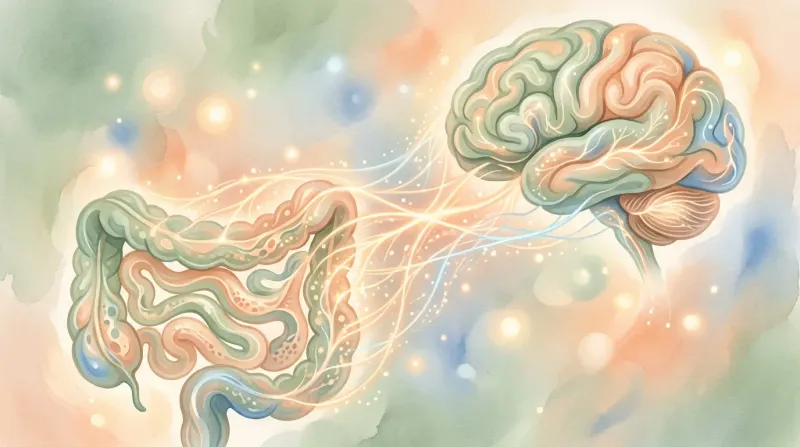
Colon pain isn't only in the abdomen; it often spills over into mood, reactivity, and daily energy. The platform's research suggests that understanding the gut–brain relationship eases the anxiety that accompanies symptoms and gives you practical tools to manage them—rather than letting them manage you.
What connects the colon and the brain?
The gut communicates with the brain through what's known as the gut–brain axis: a network of nerves, hormones, and the microbiome sending signals in both directions. When stress ramps up, the colon's motility and sensitivity change—and the reverse is also true: distressing symptoms heighten the brain's vigilance and fear. Harvard Health explains this interaction clearly and links it to stress management and mindful breathing as supportive tools to reduce the body's physical stress response.
When colon pain overlaps with anxiety and depression
Some people with Irritable Bowel Syndrome (IBS) experience ongoing tension around food, going out, and work—and at times a low mood or disrupted sleep. The National Institutes of Health explain that IBS is a common functional disorder triggered by factors like stress, low-grade inflammation, and visceral hypersensitivity, and that treatment includes a mix of lifestyle changes, psychological support, and medication when needed. This interweaving does not mean the pain is "just psychological"; rather, body and mind are in a constant dialogue that can be influenced in multiple ways.
Can psychotherapy ease colon pain?
Yes—when it's used to address stressors and thought patterns that heighten gut sensitivity. Medical reviews and articles show that cognitive behavioral therapy (CBT) tailored to IBS helps reduce pain and the anxiety tied to symptoms, especially when combined with relaxation skills and training attention to bodily sensations. According to Tatmeen platform specialists, brief, focused sessions on managing flare-ups make a noticeable difference for many within weeks.
What fuels symptoms… and how do we calm the cycle?
The colon is sensitive to fine changes. You may notice symptoms intensify with poor sleep, heavy late meals, or high-pressure days. Start by tracking triggers in a simple journal to discover your personal pattern. Then try small, steady adjustments:
Regulating your daily rhythm
Keep sleep and wake times fairly consistent, and split meals into smaller portions earlier in the day. This supports bowel motility and reduces the intensity of bloating and gas that can fuel anxiety.
Slow breathing and nervous system regulation
Practice 2–5 minutes of diaphragmatic breathing: inhale through the nose for four seconds, exhale slowly for six seconds. This eases the fight-or-flight response that increases intestinal spasms.
Food that suits you
Some people benefit from reducing certain foods—such as high-fat items or caffeine—during a trial period, then re-introducing them gradually with guidance from a dietitian and physician; excessive restriction can increase stress and reduce dietary diversity. Aim for what soothes you, not a rigid list of prohibitions.
Gentle, regular movement
Walking 20–30 minutes on most days improves bowel motility, lowers stress, and helps you feel more in control of your day.
When should I seek specialist help?
Get a professional assessment if colon pain interferes with your sleep or work, or if it's accompanied by unexplained weight loss, blood in the stool, fever, persistent nighttime pain, or a family history of inflammatory bowel disease/cancer. These are alarm signs that require medical evaluation. In non-alarm cases that are burdened by anxiety, a focused therapeutic session on flare-management skills and nutritional guidance may be enough to make a meaningful difference.
A balanced plan: A calmer mind and a calmer colon
According to Tatmeen experts, the best results appear when we combine three pathways: body-based awareness (breath/sleep/movement), reframing thoughts that amplify symptoms ("This is a flare and it will pass" rather than "a looming catastrophe"), and gradual dietary adjustments under supervision. The goal isn't to eliminate IBS overnight, but to reduce its frequency and intensity—and to help you regain a sense of safety in your body and your choices.
And finally…
The relationship between colon pain and mental health is real and bidirectional. When you calm your nervous system and adjust your eating and sleep patterns, sensitivity—and the anxiety around symptoms—tend to ease. And if the plan feels overwhelming, book an evaluation session with Tatmeen to shorten the trial-and-error. Your first step can be taken from right where you are—toward an accurate diagnosis, a workable plan, and ongoing support when needed.
Frequently Asked Questions
Does colon pain mean there's a serious organic disease?
Not necessarily. Many cases are functional, like IBS. Seek medical evaluation if alarm signs appear (bleeding, weight loss, fever, nighttime pain). Otherwise, a balanced plan can help reduce symptoms.
Is a low-FODMAP diet right for everyone?
Not for everyone. It may help in the short term for some, but it's best implemented under professional guidance, with gradual re-introduction to ensure dietary diversity and reduce food-related anxiety.
Is psychotherapy a substitute for medication?
They're complementary paths. Psychotherapy reduces stress and retrains attention to symptoms, while medication can help in some cases according to a physician's diagnosis. The aim is to build a personalized plan that includes what you actually need.
What is your impression of this article?
Reviewed by

Tatmeen Team
Start your journey to better mental health with our care providers


One step for you, start now
Download Tatmeen and find the care provider that’s right for you easly.
Download Tatmeen and join over 10,000 successful recovery stories

Related articles

We haven’t gotten to share any of our blog posts yet
Join Tatmeen's newsletter
Subscribe to our newsletter to get the latest articles and news