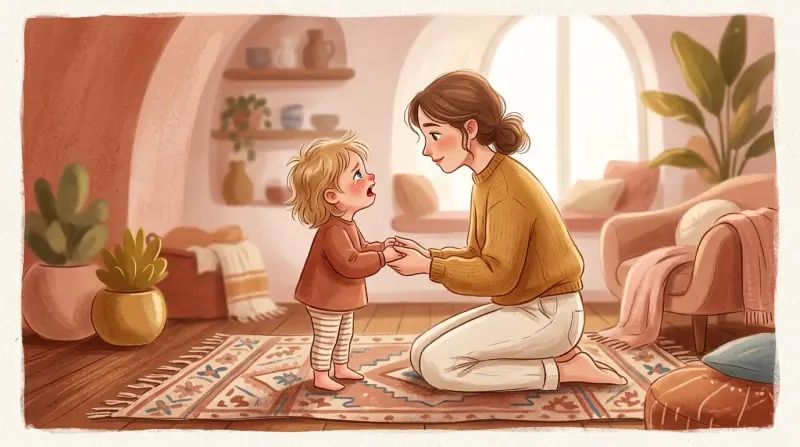
Whether you’re a mother, father, or someone who deals with children in your daily life, do you handle your child’s anger by quickly trying to calm them down any way possible—fearing they’ll become short-tempered—without considering the consequences? Allowing your child to be angry and freely express their emotions might seem alarming at first, but it carries immense benefits for their psychological growth and emotional development. In this article, we’ll explore how giving space for anger helps raise a well-adjusted, balanced child, and how Tatmeen can support families seeking psychological and educational guidance in this area.
The Importance of Letting a Child Be Angry
Some believe a quiet child is the ideal child, and that signs of anger indicate poor upbringing. The reality is quite different: letting your child be angry means granting them the right to experience their natural range of feelings. Children, like adults, need to release what’s stirring inside them so they can learn to manage it later on.
Your Child’s Anger Is a Window into Their Needs
When a child becomes angry, they’re often in a defensive state reflecting a sense of threat, unfairness, or misunderstanding. A child may not have the language skills or the cognitive ability to explain their feelings, so anger becomes the go-to outlet. This response is your opportunity to get closer and find out what lies beneath their outward irritation. They could be seeking more attention or reassurance in new situations. Instead of silencing them immediately, start by listening to their emotions and considering what they truly need.
Anger Develops Emotional Regulation Skills
The ability to manage one’s feelings doesn’t appear out of thin air; it develops through experiences that help the child understand themselves and control their reactions. When you allow them a safe space to be angry, you’re giving them hands-on training for managing stress. Gradually, the child learns calming strategies like deep breathing or verbal expression instead of resorting to aggression or hiding their feelings. In this way, anger becomes a learning tool rather than a negative trait to be punished.
It Reflects on Self-Esteem and Confidence
A child who’s free to show their frustration or anger without punishment or condemnation feels valued and heard. This sense of being taken seriously builds confidence in their abilities and their emotions, so they’re not afraid to express themselves in the future. By contrast, a child whose anger is consistently met with rejection or scolding may grow up with shame or confusion about their normal, natural emotions.
Roots of the Fear of Allowing Anger
Cultural and Social Inheritance
In many societies—especially conservative Arab ones—expressing anger is viewed as unjustified or as a sign of weak parenting. Parents might hesitate to let their child show emotions out of fear of being labeled lax or lacking discipline. But ignoring a child’s anger can lead to deeper problems later on, such as the child learning to suppress their emotions or express them in harmful ways like aggression or addiction.
The Desire for Control and Fear of Chaos
Some parents see controlling a child’s behavior as critical, rejecting any emotional outbursts that might cause commotion or embarrassment in public. They silence or scold the child as soon as they show anger, looking for a quick return to calm. In truth, though, this approach can undermine the child’s trust in their emotions and negatively affect their psychological development.
Effects of Suppressing Anger on a Child’s Behavior
Internalized Anger and Isolation
When a child grows up unable to express anger, negative feelings accumulate inside them without a healthy outlet. Over time, this can turn into internal anger that pushes them toward isolation or makes them reluctant to show excitement or emotion to others. This can lead to social withdrawal and difficulties forming stable relationships.
Sudden Emotional Outbursts
Constantly bottling up anger often causes unexpected outbursts when faced with trivial events. It’s like anger has been building up day after day, waiting for even a small trigger to release intense anger disproportionate to the situation. Such outbursts harm both the family atmosphere and the child, creating a tense environment all around.
Anxiety and Depression
Some studies suggest a strong link between suppressed childhood emotions and higher rates of anxiety and depression later in life. Bottled-up feelings don’t disappear; they turn into negative energy that drains the child’s mental well-being and impacts their performance in school and in social situations.
How to Handle Your Child’s Anger Positively
Active Listening and Calm Expression
The first step in allowing your child to be angry is to listen to them without cutting them off or belittling what they say. Ask about the reasons for their frustration, or encourage them to describe what they feel in simple words. Rather than pinning them in a corner with criticism, try expressing that you understand their feelings. This helps the child see anger as a passing experience that can be discussed, not just a problem to be erased or hidden.
Guiding Your Child to Identify Emotions
Help your child distinguish between the emotion of anger and aggressive behavior. This will teach them that it’s okay to feel angry, but hitting or insulting others is unacceptable. By providing real-life examples, show them the point at which anger crosses into harmful behavior, and help them find healthier outlets like talking, drawing, or running.
Agreeing on Calming Techniques
Simple methods can help with handling anger, such as taking a few deep breaths or silently counting to 10. Teach your child these skills during calm times, not when they’re already in the heat of anger. Through repetition, they’ll discover these tools make it easier to control their emotions.
Creating a Healthy Discussion Environment
A key factor is preventing your child’s anger from devolving into a shouting match between you and them. Try to stay composed as much as possible while acknowledging that you appreciate how they feel—even if they dislike certain rules at home or school. This approach supports your child’s growth by giving them a role model for managing disagreements and communicating with others.
Finally…
Tatmeen offers specialized mental health consultations when families need additional guidance. You can book appointments at times that fit your schedule, easing the burden of travel and waiting. Certain aggressive or recurring behaviors in children may point to a pressing need fortherapy sessions, which Tatmeen can provide with top licensed therapists. Alongside this, Tatmeen presents various articles about understanding a child’s nature and interacting with them in a positive way. Because we believe that a healthy family environment is the root of all good things in life, our primary mission is to help you provide that emotional space for yourself and your loved ones.
Frequently Asked Questions
Does allowing anger encourage aggressive behavior? Not necessarily. Letting your child be angry means giving them a safe space to express their emotions verbally. Physical or verbal aggression, on the other hand, should be redirected to healthy alternatives, emphasizing that having feelings doesn’t mean harming others.
What’s the best way to respond when my child gets angry in public? Try to remain calm and speak to them in a low voice, showing that you understand their feelings. Find a quiet spot to reassure them, then discuss it later at home. That way, you can identify why these outbursts keep happening and determine whether they need guidance or professional help.
Do children’s anger issues generally subside as they grow older? Often yes, if they receive the right support and guidance. With each developmental stage, they gain a deeper understanding of emotions and how to express them. However, this process may require mindful care from family and professionals, especially if the child has gone through traumatic experiences or faces behavioral challenges.
A writer and researcher specializing in psychiatry, she focuses on mental health and the human emotions we experience but cannot always find the words to name. She writes about us—about humanity and the human experience—and simplifies complex topics to offer content that helps us better understand ourselves and life, ultimately making us feel less alone.
Every Tatmeen article is reviewed by care providers licensed by the Saudi Commission for Health Specialties, so what you read is accurate and trustworthy.
This article builds understanding and does not replace a licensed care provider.
Need someone to talk to?
Tatmeen's licensed care providers are available around the clock, and the app's urgent consultation connects you with one within minutes.
Download Tatmeen to explore care providers and booking options.
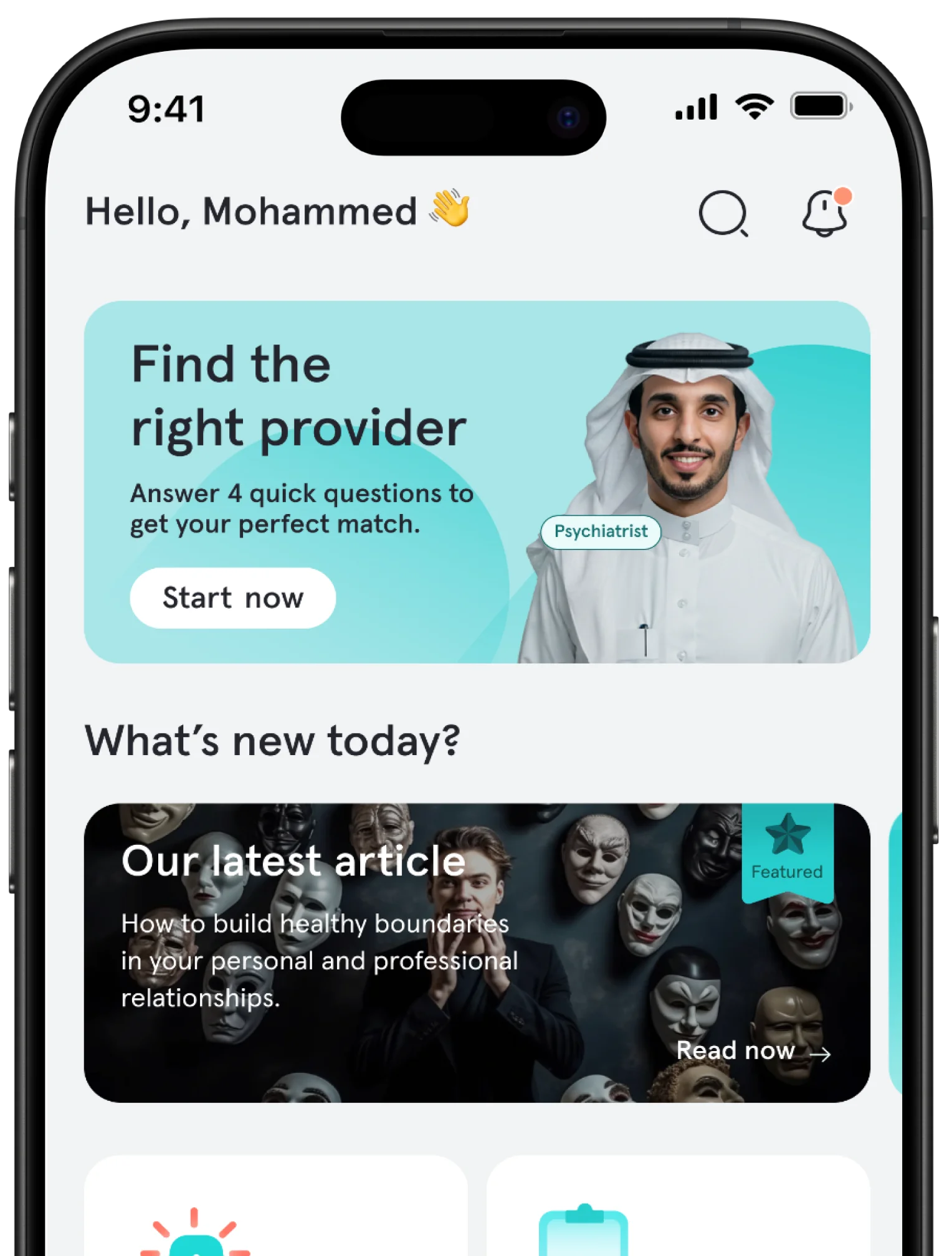
Smart matchingFour quick questions suggest the right care provider
Urgent consultationTalk to an available care provider within minutes
Free psychological measuresMore than 20 tests to understand how you are doing
Scan to download
{"data":{"id":"c3530dab-0841-43e9-b1e4-27fd88b041d1","slug":"allow-child-anger-benefits-accepting-emotions","arTitle":"اسمح لطفلك أن يغضب: فوائد تقبّل جميع المشاعر","enTitle":"Allow Your Child to Be Angry: The Benefits of Accepting All Emotions","thumbnailAltText":"Stylized adult kneeling to meet child figure mid-tantrum in warm terracotta and cream interior","estimatedReadingTime":5,"likesCount":347,"writer":{"id":"3ab72b74-f26f-4337-9b47-3114b0f90de5","arBio":"كاتبة وباحثة متخصصة في مجال الطب النفسي، تهتم بموضوعات الصحة النفسية وبالمشاعر الإنسانية التي نختبرها ولا نجد دائمًا الكلمات لتسميتها. تكتب عنّا؛ عن الإنسان وتجربته، وتبسّط الموضوعات المعقّدة لتقدّم محتوى يساعدنا على فهم ذواتنا والحياة أكثر، ويجعلنا نشعر بأننا بوحدة أقل.","enBio":"A writer and researcher specializing in psychiatry, she focuses on mental health and the human emotions we experience but cannot always find the words to name. She writes about us—about humanity and the human experience—and simplifies complex topics to offer content that helps us better understand ourselves and life, ultimately making us feel less alone.","user":{"slug":"ayat-alnajar","arFullName":"آيات النجار","enFullName":"Ayat Al-Najjar","publicProfileImageUrl":"https://cdn.tatmeen.sa/public/profile-images/02384455-68fa-40b6-ad05-609fde65cafa/21b9a610dde5dfc6d37af110c23e9c7ab3946be080c281beb000debf4f7d31a6.webp","publicProfileImage96Url":"https://cdn.tatmeen.sa/public/profile-images/02384455-68fa-40b6-ad05-609fde65cafa/21b9a610dde5dfc6d37af110c23e9c7ab3946be080c281beb000debf4f7d31a6-w96.webp","publicProfileImage192Url":"https://cdn.tatmeen.sa/public/profile-images/02384455-68fa-40b6-ad05-609fde65cafa/21b9a610dde5dfc6d37af110c23e9c7ab3946be080c281beb000debf4f7d31a6-w192.webp"}},"arContent":"","enContent":"","productionDocument":{"headings":[{"id":"article-section-the-importance-of-letting-a-child-be-angry","text":"The Importance of Letting a Child Be Angry"},{"id":"article-section-roots-of-the-fear-of-allowing-anger","text":"Roots of the Fear of Allowing Anger"},{"id":"article-section-effects-of-suppressing-anger-on-a-child-s-behavior","text":"Effects of Suppressing Anger on a Child’s Behavior"},{"id":"article-section-how-to-handle-your-child-s-anger-positively","text":"How to Handle Your Child’s Anger Positively"},{"id":"article-section-finally","text":"Finally…"},{"id":"article-section-frequently-asked-questions","text":"Frequently Asked Questions"}],"faqs":[],"beforeSourcesHtml":"","sources":[],"afterSourcesHtml":"","blocks":[{"type":"html","html":"<p><span style=\"color:#000000\">Whether you’re a mother, father, or someone who deals with children in your daily life, do you handle your child’s anger by quickly trying to calm them down any way possible—fearing they’ll become short-tempered—without considering the consequences? Allowing your child to be angry and freely express their emotions might seem alarming at first, but it carries immense benefits for their psychological growth and emotional development. In this article, we’ll explore how giving space for anger helps raise a well-adjusted, balanced child, and how Tatmeen can support families seeking psychological and educational guidance in this area.</span></p><p><br /></p><h2 id=\"article-section-the-importance-of-letting-a-child-be-angry\" data-toc-heading tabindex=\"-1\"><span id=\"the-importance-of-letting-a-child-be-angry-1\" aria-hidden=\"true\"></span><span style=\"color:#000000\"><strong>The Importance of Letting a Child Be Angry</strong></span></h2><p><span style=\"color:#000000\">Some believe a quiet child is the ideal child, and that signs of anger indicate poor upbringing. The reality is quite different: letting your child be angry means granting them the right to experience their natural range of feelings. Children, like adults, need to release what’s stirring inside them so they can learn to manage it later on.</span></p><h3><span style=\"color:#000000\"><strong>Your Child’s Anger Is a Window into Their Needs</strong></span></h3><p><span style=\"color:#000000\">When a child becomes angry, they’re often in a defensive state reflecting a sense of threat, unfairness, or misunderstanding. A child may not have the language skills or the cognitive ability to explain their feelings, so anger becomes the go-to outlet. This response is your opportunity to get closer and find out what lies beneath their outward irritation. They could be seeking more attention or reassurance in new situations. Instead of silencing them immediately, start by listening to their emotions and considering what they truly need.</span></p><h3><span style=\"color:#000000\"><strong>Anger Develops Emotional Regulation Skills</strong></span></h3><p><span style=\"color:#000000\">The ability to manage one’s feelings doesn’t appear out of thin air; it develops through experiences that help the child understand themselves and control their reactions. When you allow them a safe space to be angry, you’re giving them hands-on training for managing stress. Gradually, the child learns calming strategies like deep breathing or verbal expression instead of resorting to aggression or hiding their feelings. In this way, anger becomes a learning tool rather than a negative trait to be punished.</span></p><h3><span style=\"color:#000000\"><strong>It Reflects on Self-Esteem and Confidence</strong></span></h3><p><span style=\"color:#000000\">A child who’s free to show their frustration or anger without punishment or condemnation feels valued and heard. This sense of being taken seriously builds confidence in their abilities and their emotions, so they’re not afraid to express themselves in the future. By contrast, a child whose anger is consistently met with rejection or scolding may grow up with shame or confusion about their normal, natural emotions.</span></p><p><br /></p><h2 id=\"article-section-roots-of-the-fear-of-allowing-anger\" data-toc-heading tabindex=\"-1\"><span id=\"roots-of-the-fear-of-allowing-anger-2\" aria-hidden=\"true\"></span><span style=\"color:#000000\"><strong>Roots of the Fear of Allowing Anger</strong></span></h2><h3><span style=\"color:#000000\"><strong>Cultural and Social Inheritance</strong></span></h3><p><span style=\"color:#000000\">In many societies—especially conservative Arab ones—expressing anger is viewed as unjustified or as a sign of weak parenting. Parents might hesitate to let their child show emotions out of fear of being labeled lax or lacking discipline. But ignoring a child’s anger can lead to deeper problems later on, such as the child learning to suppress their emotions or express them in harmful ways like aggression or addiction.</span></p><h3><span style=\"color:#000000\"><strong>The Desire for Control and Fear of Chaos</strong></span></h3><p><span style=\"color:#000000\">Some parents see controlling a child’s behavior as critical, rejecting any emotional outbursts that might cause commotion or embarrassment in public. They silence or scold the child as soon as they show anger, looking for a quick return to calm. In truth, though, this approach can undermine the child’s trust in their emotions and negatively affect their psychological development.</span></p><p><br /></p><h2 id=\"article-section-effects-of-suppressing-anger-on-a-child-s-behavior\" data-toc-heading tabindex=\"-1\"><span id=\"effects-of-suppressing-anger-on-a-child-s-behavior-3\" aria-hidden=\"true\"></span><span style=\"color:#000000\"><strong>Effects of Suppressing Anger on a Child’s Behavior</strong></span></h2><h3><span style=\"color:#000000\"><strong>Internalized Anger and Isolation</strong></span></h3><p><span style=\"color:#000000\">When a child grows up unable to express anger, negative feelings accumulate inside them without a healthy outlet. Over time, this can turn into internal anger that pushes them toward isolation or makes them reluctant to show excitement or emotion to others. This can lead to social withdrawal and difficulties forming stable relationships.</span></p><h3><span style=\"color:#000000\"><strong>Sudden Emotional Outbursts</strong></span></h3><p><span style=\"color:#000000\">Constantly bottling up anger often causes unexpected outbursts when faced with trivial events. It’s like anger has been building up day after day, waiting for even a small trigger to release intense anger disproportionate to the situation. Such outbursts harm both the family atmosphere and the child, creating a tense environment all around.</span></p><h3><span style=\"color:#000000\"><strong>Anxiety and Depression</strong></span></h3><p><span style=\"color:#000000\">Some studies suggest a strong link between suppressed childhood emotions and higher rates of anxiety and depression later in life. Bottled-up feelings don’t disappear; they turn into negative energy that drains the child’s mental well-being and impacts their performance in school and in social situations.</span></p><p><br /></p><h2 id=\"article-section-how-to-handle-your-child-s-anger-positively\" data-toc-heading tabindex=\"-1\"><span id=\"how-to-handle-your-child-s-anger-positively-4\" aria-hidden=\"true\"></span><span style=\"color:#000000\"><strong>How to Handle Your Child’s Anger Positively</strong></span></h2><h3><span style=\"color:#000000\"><strong>Active Listening and Calm Expression</strong></span></h3><p><span style=\"color:#000000\">The first step in allowing your child to be angry is to listen to them without cutting them off or belittling what they say. Ask about the reasons for their frustration, or encourage them to describe what they feel in simple words. Rather than pinning them in a corner with criticism, try expressing that you understand their feelings. This helps the child see anger as a passing experience that can be discussed, not just a problem to be erased or hidden.</span></p><h3><span style=\"color:#000000\"><strong>Guiding Your Child to Identify Emotions</strong></span></h3><p><span style=\"color:#000000\">Help your child distinguish between the emotion of anger and aggressive behavior. This will teach them that it’s okay to feel angry, but hitting or insulting others is unacceptable. By providing real-life examples, show them the point at which anger crosses into harmful behavior, and help them find healthier outlets like talking, drawing, or running.</span></p><h3><span style=\"color:#000000\"><strong>Agreeing on Calming Techniques</strong></span></h3><p><span style=\"color:#000000\">Simple methods can help with handling anger, such as taking a few deep breaths or silently counting to 10. Teach your child these skills during calm times, not when they’re already in the heat of anger. Through repetition, they’ll discover these tools make it easier to control their emotions.</span></p><h3><span style=\"color:#000000\"><strong>Creating a Healthy Discussion Environment</strong></span></h3><p><span style=\"color:#000000\">A key factor is preventing your child’s anger from devolving into a shouting match between you and them. Try to stay composed as much as possible while acknowledging that you appreciate how they feel—even if they dislike certain rules at home or school. This approach supports your child’s growth by giving them a role model for managing disagreements and communicating with others.</span></p><p><br /></p><h2 id=\"article-section-finally\" data-toc-heading tabindex=\"-1\"><span id=\"finally-5\" aria-hidden=\"true\"></span><span style=\"color:#000000\"><strong>Finally…</strong></span></h2><p><span style=\"color:#000000\"><strong>Tatmeen</strong> offers specialized<u> mental health consultations</u> when families need additional guidance. You can book appointments at times that fit your schedule, easing the burden of travel and waiting. Certain aggressive or recurring behaviors in children may point to a pressing need for<strong> </strong><u>therapy sessions</u>, which <strong>Tatmeen</strong> can provide with top licensed therapists. Alongside this, <strong>Tatmeen</strong> presents various articles about understanding a child’s nature and interacting with them in a positive way. Because we believe that a healthy family environment is the root of all good things in life, our primary mission is to help you provide that emotional space for yourself and your loved ones.</span></p><p><br /></p><h2 id=\"article-section-frequently-asked-questions\" data-toc-heading tabindex=\"-1\"><span id=\"frequently-asked-questions-6\" aria-hidden=\"true\"></span><span style=\"color:#000000\"><strong>Frequently Asked Questions</strong></span></h2><ol><li><p><span style=\"color:#000000\"><strong>Does allowing anger encourage aggressive behavior?<br /></strong> Not necessarily. Letting your child be angry means giving them a safe space to express their emotions verbally. Physical or verbal aggression, on the other hand, should be redirected to healthy alternatives, emphasizing that having feelings doesn’t mean harming others.<br /><br /></span></p></li><li><p><span style=\"color:#000000\"><strong>What’s the best way to respond when my child gets angry in public?<br /></strong> Try to remain calm and speak to them in a low voice, showing that you understand their feelings. Find a quiet spot to reassure them, then discuss it later at home. That way, you can identify why these outbursts keep happening and determine whether they need guidance or professional help.<br /><br /></span></p></li><li><p><span style=\"color:#000000\"><strong>Do children’s anger issues generally subside as they grow older?<br /></strong> Often yes, if they receive the right support and guidance. With each developmental stage, they gain a deeper understanding of emotions and how to express them. However, this process may require mindful care from family and professionals, especially if the child has gone through traumatic experiences or faces behavioral challenges.<br /></span></p></li></ol>"}],"inlineCtaSignatures":[],"_experienceAliases":{"v":1,"fields":["html","bodyHtml"]}},"createdAt":"2026-04-05T22:00:00.000Z","updatedAt":"2026-06-24T23:51:49.012Z","disorderGroups":[{"id":"9fbda432-3713-400a-987b-3d56754a113e","slug":"children-and-adolescents","arName":"الأطفال والمراهقين","enName":"Children & Adolescents"}],"reviewer":{"arFullName":"فريق تطمين","enFullName":"Tatmeen team","slug":"tatmeen-team","kind":"organization"},"productionArticle":true,"promotionAllowed":true,"preparedCover":{"src":"https://cdn.tatmeen.sa/public/article-lcp/article-lcp-v2/sha256-451b23391d0b0813c120cc3988224e3ea8b4a97f359623f703ed5d35bf0a269d/800-7c89ddf7df133f8244475263e130d9a915a0bc909e343c88f726fdd4bdc947f0.avif","fallback":"https://cdn.tatmeen.sa/public/article-lcp/article-lcp-v2/sha256-451b23391d0b0813c120cc3988224e3ea8b4a97f359623f703ed5d35bf0a269d/800-fc3f05fb61ef092252d700d3d3c5e8123a1337102ebf87ee0681e446e0411b65.webp","directUrl":"https://cdn.tatmeen.sa/blog-cover/Tatmeen-1775476378520.webp","isGolden":true,"avifSrcset":"https://cdn.tatmeen.sa/public/article-lcp/article-lcp-v2/sha256-451b23391d0b0813c120cc3988224e3ea8b4a97f359623f703ed5d35bf0a269d/400-773fb53afcf3e7d9412c59dcde4f4519ab848a5fcc37b60e2c1fcd650c17d9ee.avif 400w, https://cdn.tatmeen.sa/public/article-lcp/article-lcp-v2/sha256-451b23391d0b0813c120cc3988224e3ea8b4a97f359623f703ed5d35bf0a269d/640-135532e18370a440146fd3d00a387f429baeac354f44915e7aef3794d88752b1.avif 640w, https://cdn.tatmeen.sa/public/article-lcp/article-lcp-v2/sha256-451b23391d0b0813c120cc3988224e3ea8b4a97f359623f703ed5d35bf0a269d/800-7c89ddf7df133f8244475263e130d9a915a0bc909e343c88f726fdd4bdc947f0.avif 800w, https://cdn.tatmeen.sa/public/article-lcp/article-lcp-v2/sha256-451b23391d0b0813c120cc3988224e3ea8b4a97f359623f703ed5d35bf0a269d/1200-3b24f4a07cff5caffa80ef8f6231e53c1c9040baf48188c5bc31b5899d4ce848.avif 1200w","webpSrcset":"https://cdn.tatmeen.sa/public/article-lcp/article-lcp-v2/sha256-451b23391d0b0813c120cc3988224e3ea8b4a97f359623f703ed5d35bf0a269d/400-db690fa21d25656cf5c22b783177a5a98efa792447582476ea064360f130e059.webp 400w, https://cdn.tatmeen.sa/public/article-lcp/article-lcp-v2/sha256-451b23391d0b0813c120cc3988224e3ea8b4a97f359623f703ed5d35bf0a269d/640-db8cb413ac0303267b7979a20bb93ca0975f40cc891d332c7012d97dc78ccbbb.webp 640w, https://cdn.tatmeen.sa/public/article-lcp/article-lcp-v2/sha256-451b23391d0b0813c120cc3988224e3ea8b4a97f359623f703ed5d35bf0a269d/800-fc3f05fb61ef092252d700d3d3c5e8123a1337102ebf87ee0681e446e0411b65.webp 800w, https://cdn.tatmeen.sa/public/article-lcp/article-lcp-v2/sha256-451b23391d0b0813c120cc3988224e3ea8b4a97f359623f703ed5d35bf0a269d/1200-de195107daf548251962041c55b0012da56f8dcf94c3b12e98c64b50c85a4707.webp 1200w","phoneAvifSrcset":"https://cdn.tatmeen.sa/public/article-lcp/article-lcp-v2/sha256-451b23391d0b0813c120cc3988224e3ea8b4a97f359623f703ed5d35bf0a269d/400-773fb53afcf3e7d9412c59dcde4f4519ab848a5fcc37b60e2c1fcd650c17d9ee.avif 400w, https://cdn.tatmeen.sa/public/article-lcp/article-lcp-v2/sha256-451b23391d0b0813c120cc3988224e3ea8b4a97f359623f703ed5d35bf0a269d/640-135532e18370a440146fd3d00a387f429baeac354f44915e7aef3794d88752b1.avif 640w, https://cdn.tatmeen.sa/public/article-lcp/article-lcp-v2/sha256-451b23391d0b0813c120cc3988224e3ea8b4a97f359623f703ed5d35bf0a269d/800-7c89ddf7df133f8244475263e130d9a915a0bc909e343c88f726fdd4bdc947f0.avif 800w","phoneWebpSrcset":"https://cdn.tatmeen.sa/public/article-lcp/article-lcp-v2/sha256-451b23391d0b0813c120cc3988224e3ea8b4a97f359623f703ed5d35bf0a269d/400-db690fa21d25656cf5c22b783177a5a98efa792447582476ea064360f130e059.webp 400w, https://cdn.tatmeen.sa/public/article-lcp/article-lcp-v2/sha256-451b23391d0b0813c120cc3988224e3ea8b4a97f359623f703ed5d35bf0a269d/640-db8cb413ac0303267b7979a20bb93ca0975f40cc891d332c7012d97dc78ccbbb.webp 640w, https://cdn.tatmeen.sa/public/article-lcp/article-lcp-v2/sha256-451b23391d0b0813c120cc3988224e3ea8b4a97f359623f703ed5d35bf0a269d/800-fc3f05fb61ef092252d700d3d3c5e8123a1337102ebf87ee0681e446e0411b65.webp 800w","width":800,"height":447},"previewTaxonomy":{"groups":[{"id":"9fbda432-3713-400a-987b-3d56754a113e","slug":"children-and-adolescents","arName":"الأطفال والمراهقين","enName":"Children & Adolescents"}],"topics":[{"id":"aa57ccb9-d146-4629-8aa1-8b6d36c4c9ee","slug":"parenting-skills","arName":"تربية الأطفال","enName":"Parenting Skills","groupSlug":"children-and-adolescents","href":"/blog/category/children-and-adolescents/parenting-skills/"}],"tags":[{"id":"1918a9db-15cd-44c5-9541-f2aa45c22444","slug":"anger","arName":"الغضب وتنظيمه","enName":"Anger & Regulation"},{"id":"dbd6cf9d-e555-43d4-9205-05dcf3b84eb3","slug":"emotional-regulation","arName":"تنظيم المشاعر والذكاء العاطفي","enName":"Emotional Regulation"},{"id":"52aa8812-914e-495a-9ed5-13bec6c39a93","slug":"parents-children","arName":"الآباء والأطفال","enName":"Parents & Children"},{"id":"a7a7391b-bc2c-41de-91b1-7d701f1675b7","slug":"supporting-others","arName":"دعم شخص آخر","enName":"Supporting Someone Else"}]},"previewProviderRecommendations":[{"id":"d754a189-f8c9-4aad-b4aa-a5dbd26c0bd7","slug":"talal-alshowaier-8694","arFullName":"طلال الشويعر","enFullName":"Talal Alshowaier","publicProfileImageUrl":"https://cdn.tatmeen.sa/public/profile-images/d754a189-f8c9-4aad-b4aa-a5dbd26c0bd7/74feb27848a47cf43189f6b5951e06a9b87b08269021d5bab765092fc65fce42.webp","publicProfileImage96Url":"https://cdn.tatmeen.sa/public/profile-images/d754a189-f8c9-4aad-b4aa-a5dbd26c0bd7/74feb27848a47cf43189f6b5951e06a9b87b08269021d5bab765092fc65fce42-w96.webp","publicProfileImage192Url":"https://cdn.tatmeen.sa/public/profile-images/d754a189-f8c9-4aad-b4aa-a5dbd26c0bd7/74feb27848a47cf43189f6b5951e06a9b87b08269021d5bab765092fc65fce42-w192.webp","specialization":{"arName":"أخصائي نفسي","enName":"Psychologist"},"profileImageUrl":"https://cdn.tatmeen.sa/public/profile-images/d754a189-f8c9-4aad-b4aa-a5dbd26c0bd7/74feb27848a47cf43189f6b5951e06a9b87b08269021d5bab765092fc65fce42-w192.webp","experienceYears":3,"consultantInfo":{"averageRating":{"average":5},"specialization":{"arGeneralName":"أخصائي نفسي","enGeneralName":"Psychologist"}}},{"id":"ff3dc90b-f245-48f9-aec5-d554edc279d4","slug":"fatimah-aseeid-7510","arFullName":"فاطمة أسعيد","enFullName":"Fatimah Aseeid","publicProfileImageUrl":"https://cdn.tatmeen.sa/public/profile-images/ff3dc90b-f245-48f9-aec5-d554edc279d4/88129d9c16f4d2901428bc8ccca825349328f1786ea2d2478307e39e68f5a7dc.webp","publicProfileImage96Url":"https://cdn.tatmeen.sa/public/profile-images/ff3dc90b-f245-48f9-aec5-d554edc279d4/88129d9c16f4d2901428bc8ccca825349328f1786ea2d2478307e39e68f5a7dc-w96.webp","publicProfileImage192Url":"https://cdn.tatmeen.sa/public/profile-images/ff3dc90b-f245-48f9-aec5-d554edc279d4/88129d9c16f4d2901428bc8ccca825349328f1786ea2d2478307e39e68f5a7dc-w192.webp","specialization":{"arName":"أخصائي نفسي","enName":"Psychologist"},"profileImageUrl":"https://cdn.tatmeen.sa/public/profile-images/ff3dc90b-f245-48f9-aec5-d554edc279d4/88129d9c16f4d2901428bc8ccca825349328f1786ea2d2478307e39e68f5a7dc-w192.webp","experienceYears":16,"consultantInfo":{"averageRating":{"average":0},"specialization":{"arGeneralName":"أخصائي نفسي","enGeneralName":"Psychologist"}}},{"id":"3d7ba28f-13ad-4c7b-926b-23e351d1dc9c","slug":"reyouf-alabdan-7326","arFullName":"ريوف العبدان","enFullName":"Reyouf Alabdan","publicProfileImageUrl":"","publicProfileImage96Url":"","publicProfileImage192Url":"","specialization":{"arName":"أخصائي نفسي","enName":"Psychologist"},"profileImageUrl":"","experienceYears":3,"consultantInfo":{"averageRating":{"average":5},"specialization":{"arGeneralName":"أخصائي نفسي","enGeneralName":"Psychologist"}}}],"previewCareProviders":[{"id":"09364052-c2a9-4c52-9717-7ce2093b8d0a","slug":"kholoud-alharbi-5221","arFullName":"خلود الحربي","enFullName":"Kholoud Alharbi","publicProfileImageUrl":"https://cdn.tatmeen.sa/public/profile-images/09364052-c2a9-4c52-9717-7ce2093b8d0a/4a0aeb81619e351b77f4323e3605a0a00acc7ca3c82ee7cc5ca2c9e8ef716049.webp","publicProfileImage96Url":"https://cdn.tatmeen.sa/public/profile-images/09364052-c2a9-4c52-9717-7ce2093b8d0a/4a0aeb81619e351b77f4323e3605a0a00acc7ca3c82ee7cc5ca2c9e8ef716049-w96.webp","publicProfileImage192Url":"https://cdn.tatmeen.sa/public/profile-images/09364052-c2a9-4c52-9717-7ce2093b8d0a/4a0aeb81619e351b77f4323e3605a0a00acc7ca3c82ee7cc5ca2c9e8ef716049-w192.webp","gender":"FEMALE","specialization":{"arName":"أخصائي نفسي","enName":"Psychologist"}},{"id":"6f037535-1dca-4b50-a8b2-5974b7323286","slug":"salah-althobaiti-9053","arFullName":"صلاح الثبيتي","enFullName":"Salah Althobaiti","publicProfileImageUrl":"https://cdn.tatmeen.sa/public/profile-images/6f037535-1dca-4b50-a8b2-5974b7323286/35b6bd7fad9b1e004c1835803eb9c1b56dcacd380685ec8bff141f0fb888005c.webp","publicProfileImage96Url":"https://cdn.tatmeen.sa/public/profile-images/6f037535-1dca-4b50-a8b2-5974b7323286/35b6bd7fad9b1e004c1835803eb9c1b56dcacd380685ec8bff141f0fb888005c-w96.webp","publicProfileImage192Url":"https://cdn.tatmeen.sa/public/profile-images/6f037535-1dca-4b50-a8b2-5974b7323286/35b6bd7fad9b1e004c1835803eb9c1b56dcacd380685ec8bff141f0fb888005c-w192.webp","gender":"MALE","specialization":{"arName":"أخصائي نفسي","enName":"Psychologist"}},{"id":"3cc806e8-616b-4884-9f21-a75b378580a2","slug":"aisha-al-hashim-8667","arFullName":"عائشة ال هاشم","enFullName":"Aisha Al Hashim","publicProfileImageUrl":"https://cdn.tatmeen.sa/public/profile-images/3cc806e8-616b-4884-9f21-a75b378580a2/27f523d03be4dcfa1f6a79f70c1773887434e698990d214cd990caec56a44798.webp","publicProfileImage96Url":"https://cdn.tatmeen.sa/public/profile-images/3cc806e8-616b-4884-9f21-a75b378580a2/27f523d03be4dcfa1f6a79f70c1773887434e698990d214cd990caec56a44798-w96.webp","publicProfileImage192Url":"https://cdn.tatmeen.sa/public/profile-images/3cc806e8-616b-4884-9f21-a75b378580a2/27f523d03be4dcfa1f6a79f70c1773887434e698990d214cd990caec56a44798-w192.webp","gender":"FEMALE","specialization":{"arName":"أخصائي نفسي","enName":"Psychologist"}},{"id":"db2ce1a0-9325-4471-b7ce-eb2e811c30a3","slug":"amer-qutub-2441","arFullName":"عامر قطب","enFullName":"Amer Qutub","publicProfileImageUrl":"https://cdn.tatmeen.sa/public/profile-images/db2ce1a0-9325-4471-b7ce-eb2e811c30a3/80580f99bfd7fe2b2a9cf8eed73ab532f5086d1efe053b0aa57358c1ce004261.webp","publicProfileImage96Url":"https://cdn.tatmeen.sa/public/profile-images/db2ce1a0-9325-4471-b7ce-eb2e811c30a3/80580f99bfd7fe2b2a9cf8eed73ab532f5086d1efe053b0aa57358c1ce004261-w96.webp","publicProfileImage192Url":"https://cdn.tatmeen.sa/public/profile-images/db2ce1a0-9325-4471-b7ce-eb2e811c30a3/80580f99bfd7fe2b2a9cf8eed73ab532f5086d1efe053b0aa57358c1ce004261-w192.webp","gender":"MALE","specialization":{"arName":"أخصائي نفسي","enName":"Psychologist"}},{"id":"94765496-dbdf-4631-a01b-7df5f788668d","slug":"abdullrahman-alhamoudi-3045","arFullName":"عبدالرحمن الحمودي","enFullName":"Abdulrahman Alhamoudi","publicProfileImageUrl":"https://cdn.tatmeen.sa/public/profile-images/94765496-dbdf-4631-a01b-7df5f788668d/2d49f6b6493c564afb6f50b6c3634231dff3a5cf8353acfab393d1b2a88037d1.webp","publicProfileImage96Url":"https://cdn.tatmeen.sa/public/profile-images/94765496-dbdf-4631-a01b-7df5f788668d/2d49f6b6493c564afb6f50b6c3634231dff3a5cf8353acfab393d1b2a88037d1-w96.webp","publicProfileImage192Url":"https://cdn.tatmeen.sa/public/profile-images/94765496-dbdf-4631-a01b-7df5f788668d/2d49f6b6493c564afb6f50b6c3634231dff3a5cf8353acfab393d1b2a88037d1-w192.webp","gender":"MALE","specialization":{"arName":"أخصائي نفسي","enName":"Psychologist"}},{"id":"618dba89-5b70-4b46-8304-741b7ac8ecd3","slug":"abdullah-mari-1311","arFullName":"عبدالله مرعي","enFullName":"Abdullah Mari","publicProfileImageUrl":"https://cdn.tatmeen.sa/public/profile-images/618dba89-5b70-4b46-8304-741b7ac8ecd3/6b4a3bfb59f8a304ca79083b32859b46baad2e1d692974a47c02c1f66bd11129.webp","publicProfileImage96Url":"https://cdn.tatmeen.sa/public/profile-images/618dba89-5b70-4b46-8304-741b7ac8ecd3/6b4a3bfb59f8a304ca79083b32859b46baad2e1d692974a47c02c1f66bd11129-w96.webp","publicProfileImage192Url":"https://cdn.tatmeen.sa/public/profile-images/618dba89-5b70-4b46-8304-741b7ac8ecd3/6b4a3bfb59f8a304ca79083b32859b46baad2e1d692974a47c02c1f66bd11129-w192.webp","gender":"MALE","specialization":{"arName":"أخصائي نفسي","enName":"Psychologist"}},{"id":"d4ffcb6b-90a7-45b6-b941-964866f4564b","slug":"dhaifallah-alhumaidi-1092","arFullName":"ضيف الله الحميدي","enFullName":"Dhaifallah Alhumaidi","publicProfileImageUrl":"https://cdn.tatmeen.sa/public/profile-images/d4ffcb6b-90a7-45b6-b941-964866f4564b/1817171c5828a9b57d6c30d12332cf154e335272548bc90a6e8456d74d356956.webp","publicProfileImage96Url":"https://cdn.tatmeen.sa/public/profile-images/d4ffcb6b-90a7-45b6-b941-964866f4564b/1817171c5828a9b57d6c30d12332cf154e335272548bc90a6e8456d74d356956-w96.webp","publicProfileImage192Url":"https://cdn.tatmeen.sa/public/profile-images/d4ffcb6b-90a7-45b6-b941-964866f4564b/1817171c5828a9b57d6c30d12332cf154e335272548bc90a6e8456d74d356956-w192.webp","gender":"MALE","specialization":{"arName":"أخصائي نفسي","enName":"Psychologist"}},{"id":"d8fb937b-ad65-4b6f-a65b-276ad8258fed","slug":"azza-alharbi-7286","arFullName":"عزه الحربي","enFullName":"Azza Alharbi","publicProfileImageUrl":"https://cdn.tatmeen.sa/public/profile-images/d8fb937b-ad65-4b6f-a65b-276ad8258fed/378a8ab30f4087833263c41fb2c3102028cbe6bb9655172d7b3439ee1d6b0800.webp","publicProfileImage96Url":"https://cdn.tatmeen.sa/public/profile-images/d8fb937b-ad65-4b6f-a65b-276ad8258fed/378a8ab30f4087833263c41fb2c3102028cbe6bb9655172d7b3439ee1d6b0800-w96.webp","publicProfileImage192Url":"https://cdn.tatmeen.sa/public/profile-images/d8fb937b-ad65-4b6f-a65b-276ad8258fed/378a8ab30f4087833263c41fb2c3102028cbe6bb9655172d7b3439ee1d6b0800-w192.webp","gender":"FEMALE","specialization":{"arName":"أخصائي نفسي","enName":"Psychologist"}}],"previewDownload":{"href":"/download","title":{"ar":"خطوة واحدة لأجلك، ابدأ الآن","en":"One step for you, start now"},"description":{"ar":"حمّل تطبيق تطمين لاستكشاف مقدمي الرعاية وخيارات الحجز.","en":"Download Tatmeen to explore care providers and booking options."},"posterSrc":"/images/home/cta-ar-new-1.webp","videoSrc":"/images/home/cta-ar-new-1.mp4","videoPosterSrc":"/images/home/cta-ar-new-1.webp","videoPosterEnSrc":"/images/home/cta-en-new-1.webp","videoType":"video/mp4","appStoreHref":"https://apps.apple.com/us/app/tatmeen-%D8%AA%D8%B7%D9%85%D9%8A%D9%86/id6473836983","googlePlayHref":"https://play.google.com/store/apps/details?id=com.TatmeenApp.user&hl=en"},"previewRelatedArticles":[{"id":"1ab2549b-990a-4b2d-accb-6c37afe6d7fb","slug":"Why-do-children-draw","route":"/blog/Why-do-children-draw/","title":{"ar":"رسم الاطفال: لماذا يرسم الطفل؟","en":"Why Do Children Draw?"},"image":"https://cdn.tatmeen.sa/public/article-lcp/article-lcp-v2/sha256-249be2b864cea065f6926396670e2141d782a935d39d0fd82cef9a23c564f644/600-9aa24ebeaef261bb00af3e1851ad84f1bf6bf4a58b4975332bf72e1cea5049b4.webp","directImageFallback":"https://cdn.tatmeen.sa/blog-cover/1704643107139-Tatmeen-img-261","arThumbnailAltText":"Child drawing on paper with a marker at a table","thumbnailAltText":"Child drawing on paper with a marker at a table","topic":{"label":{"ar":"الأطفال والمراهقين","en":"Children & Adolescents"}},"readingTimeMinutes":5},{"id":"83c89c14-8982-408f-aa70-2e75aea60639","slug":"The-parent-child-relationship","route":"/blog/The-parent-child-relationship/","title":{"ar":"العلاقة بين الوالدين والطفل - ما تأثيرها على العلاقة الزوجية","en":"How Parent-Child Relationships Shape Adult Marriage"},"image":"https://cdn.tatmeen.sa/public/article-lcp/article-lcp-v2/sha256-68173fcd57ef7986b63405add3ccb359685581eca8f0ec19f2b1d2b53560ef7c/600-949699ef85057f63ff97223413dce88ea91445ec41ddf9d8b41ef3515da13cc7.webp","directImageFallback":"https://cdn.tatmeen.sa/blog-cover/1704643655055-Tatmeen-img-504","arThumbnailAltText":"A person holds their head while another gestures behind them on a sidewalk","thumbnailAltText":"A person holds their head while another gestures behind them on a sidewalk","topic":{"label":{"ar":"الأطفال والمراهقين","en":"Children & Adolescents"}},"readingTimeMinutes":5},{"id":"dd422e6b-35c9-40a6-bf11-c32b0f5320d8","slug":"How-to-prevent-my-child-from-becoming-spoiled","route":"/blog/How-to-prevent-my-child-from-becoming-spoiled/","title":{"ar":"كيف أجعل طفلي غير مدلل؟","en":"How Can I Keep My Child from Becoming Spoiled?"},"image":"https://cdn.tatmeen.sa/public/article-lcp/article-lcp-v2/sha256-e649684578bc55d79bae64f68c7e31d046f6db627e9caed1988873b6e67357eb/600-0cf5a769f2e2468ee910f7581e928371d4c3d4aa83031f1652dd5345e22a5e71.webp","directImageFallback":"https://cdn.tatmeen.sa/blog-cover/1704640464652-Tatmeen-img-828","arThumbnailAltText":"Drawn adult and child walk beside a building, with the child reaching up","thumbnailAltText":"Drawn adult and child walk beside a building, with the child reaching up","topic":{"label":{"ar":"الأطفال والمراهقين","en":"Children & Adolescents"}},"readingTimeMinutes":5},{"id":"a1f2fdb9-e8e2-434b-bbf7-d7ebd4963c85","slug":"upbringing","route":"/blog/upbringing/","title":{"ar":"مفهوم التربية: كيف تبني ثقة طفلك وتوازنه النفسي","en":"The Concept of Parenting: Raising a Confident, Balanced Child"},"image":"https://cdn.tatmeen.sa/public/article-lcp/article-lcp-v2/sha256-6bec71c16610c65c141d94d220eda9097b4e1a5ef9a4e1d4a9492a5e78c9293c/800-2f404b91fd8913c15e52d718149a8b28996059c14ad5ac7b02106c1098971a0e.webp","directImageFallback":"https://cdn.tatmeen.sa/blog-cover/Tatmeen-1767733763456.png","arThumbnailAltText":"mother handing her child kindness","thumbnailAltText":"mother handing her child kindness","topic":{"label":{"ar":"الأطفال والمراهقين","en":"Children & Adolescents"}},"readingTimeMinutes":5}],"previewRelatedReadStates":{}},"locale":"en","device":"desktop","path":"/en/blog/allow-child-anger-benefits-accepting-emotions/","readingControls":false,"config":{"public":{"BUCKET_URL":"https://cdn.tatmeen.sa/","APP_BASE_URL":"https://tatmeen.sa","intercomAppId":"ppcnu9e3"}}}