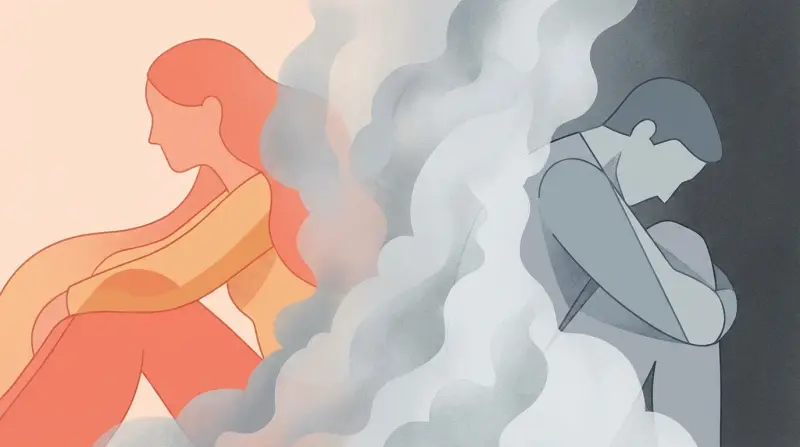
Social relationships generally require honesty and open communication between people. While everyone seeks healthy, positive relationships, an important question may arise: Am I toxic to the people around me?
A toxic personality refers to negative behavior or influence that can have serious consequences for personal relationships and the surrounding social environment.
In this article, we will take a closer look at the concept of a toxic personality and its defining signs, as well as its effects on relationships and the environment around us.
Who Is a Toxic Person?
The term “toxic person” refers to someone whose behavior and influence negatively affect other people and their surroundings. A toxic person has patterns of thought and behavior that disturb the atmosphere and create tension and conflict in personal and professional relationships. They may be emotionally manipulative, seeking to control and exploit others for personal benefit.
The findings of a study1 (Zettler et al., 2018) indicated that people who behave in toxic ways may have certain personality traits. These traits appear in a tendency to place their goals and interests above those of others while offering unconvincing justifications for their behavior to avoid feeling guilt or shame.
A toxic personality may also appear through negative remarks and constant criticism, lowering other people's morale and affecting their self-confidence.
What Signs Suggest That You Are Toxic?
A toxic person negatively affects others through patterns of thought and behavior that cause tension in professional and personal relationships. Several signs may suggest that you are a toxic person in your environment, including the following:
Constant inconsistency
Being human means facing life's challenges each day and continually experiencing moments of joy and sadness, which can change your attitudes or reactions. A toxic person, however, is inconsistent in their behavior or opinions. They do not keep their word or honor their promises, making it difficult to interact with them. Their future behavior may also be hard to predict: their reaction may change suddenly, or they may ignore you completely. This erratic behavior weakens relationships and makes it difficult to deal with them consistently and with confidence.
A constant need for attention
A toxic personality is marked by a constant need for attention and emotional support. They always need something from you, whether phone calls, text messages, or a particular favor, yet may not offer the same in return. Toxic people take everything you have without giving much back. They show a high degree of self-interest and a need to display their greatness to gain attention. This may be associated with narcissistic personality disorder.
The findings of a study3 (Roark SV, 2012) confirmed that personality disorders generally affect social relationships, negatively affecting relationships in every area of life, whether at work, in the community, or within the family.
Overreacting
Overreacting and heightened emotions are signs of a toxic personality. A toxic person feels the need to respond excessively and dramatically to events and situations. Their reactions may be extreme, whether intense joy or excessive anger, without balance or proportion to the event.
A toxic person uses this strategy to attract attention. They tend to manipulate emotions and exploit this to achieve personal goals.
Crossing other people's boundaries
Personal boundaries are essential in different social relationships. They define how all parties want to be treated and what they can expect from one another. Boundaries also help people protect their energy from exploitation when too much is asked of them.
A toxic person tends to disregard other people's boundaries and needs. They cross others' boundaries and interfere in their personal lives and private affairs without permission or respect for their privacy. They may do so in several ways, such as intruding into personal matters, interfering in personal decisions, spying on private affairs, or even spreading false stories about them. A toxic person uses this as a means of control to fulfill personal goals and desires and reinforce a sense of superiority and dominance.
The findings of a study4 (Brown AA et al., 2017) showed that having toxic people in your life will make you feel bad about yourself and negatively affect your social relationships. It may also reduce your trust in other people in the future.
Difficulty engaging with others
This is a major weakness in a toxic person: an inability to understand or respond deeply to other people's feelings and needs. They may completely ignore or dismiss others' feelings as unimportant or weak. A toxic person may pretend to be extremely busy, leaving them unable to understand other people's situations or empathize with their feelings and emotions. This spreads negativity through social circles.
After learning the most prominent signs of a toxic personality, you can determine whether you are toxic or are dealing with toxic people around you. In either case, speaking with a counselor or psychotherapist is recommended. You can do so by downloading the Tatmeen app, which can help you establish boundaries and provide strategies and tools for dealing with a toxic person to protect your mental health.
Content writer and researcher at Tatmeen, writing in Arabic and English about mental health and everyday life, from relationships and stress to work, habits, and family.
Every Tatmeen article is reviewed by care providers licensed by the Saudi Commission for Health Specialties, so what you read is accurate and trustworthy.
This article builds understanding and does not replace a licensed care provider.
Need someone to talk to?
Tatmeen's licensed care providers are available around the clock, and the app's urgent consultation connects you with one within minutes.
Download Tatmeen to explore care providers and booking options.
Smart matchingFour quick questions suggest the right care provider
Urgent consultationTalk to an available care provider within minutes
Free psychological measuresMore than 20 tests to understand how you are doing
Scan to download
{"data":{"id":"3841ba48-63ea-454f-99f4-62460635e5bd","slug":"Assessing-personal-toxicity-towards-others","arTitle":"هل أنا شخصية سامة لمن حولي؟","enTitle":"Am I Toxic to the People Around Me?","thumbnailAltText":"One person rests their chin on a hand while another gestures from the sofa","estimatedReadingTime":5,"likesCount":958,"writer":{"id":"d3defdb6-4a23-4b03-aad9-a1ecc054aae5","arBio":"كاتب وباحث محتوى في تطمين، يكتب بالعربية والإنجليزية عن الصحة النفسية والحياة اليومية، من العلاقات والضغوط إلى العمل والعادات والأسرة.\n","enBio":"Content writer and researcher at Tatmeen, writing in Arabic and English about mental health and everyday life, from relationships and stress to work, habits, and family.","user":{"slug":"fahad-almalik","arFullName":"فهد المالك","enFullName":"Fahad Almalik","publicProfileImageUrl":"https://cdn.tatmeen.sa/public/profile-images/a34c8028-5847-45de-ab83-a014942bb7d3/675415e988c16442a04af5d3b8899242613a955c44e0364314cc3ff74cbad082.webp","publicProfileImage96Url":"https://cdn.tatmeen.sa/public/profile-images/a34c8028-5847-45de-ab83-a014942bb7d3/675415e988c16442a04af5d3b8899242613a955c44e0364314cc3ff74cbad082-w96.webp","publicProfileImage192Url":"https://cdn.tatmeen.sa/public/profile-images/a34c8028-5847-45de-ab83-a014942bb7d3/675415e988c16442a04af5d3b8899242613a955c44e0364314cc3ff74cbad082-w192.webp"}},"arContent":"","enContent":"","productionDocument":{"headings":[{"id":"article-section-who-is-a-toxic-person","text":"Who Is a Toxic Person?"},{"id":"article-section-what-signs-suggest-that-you-are-toxic","text":"What Signs Suggest That You Are Toxic?"}],"faqs":[],"beforeSourcesHtml":"","sources":[{"title":"The dark core of personality","href":"https://psycnet.apa.org/doiLanding?doi=10.1037%2Frev0000111","hostname":"psycnet.apa.org"},{"title":"doi.org/10.1037/rev0000111","href":"https://psycnet.apa.org/doi/10.1037/rev0000111","hostname":"psycnet.apa.org"},{"title":"Narcissistic personality disorder: effect on relationships","href":"https://pubmed.ncbi.nlm.nih.gov/23472440/","hostname":"pubmed.ncbi.nlm.nih.gov"},{"title":"Social motivation: costs and benefits of selfishness and otherishness","href":"https://www.annualreviews.org/doi/10.1146/annurev-psych-010416-044145","hostname":"annualreviews.org"}],"afterSourcesHtml":"","blocks":[{"type":"html","html":"<p class=\"ql-align-justify ql-direction-rtl\">Social relationships generally require honesty and open communication between people. While everyone seeks healthy, positive relationships, an important question may arise: Am I toxic to the people around me? </p><p class=\"ql-align-justify ql-direction-rtl\">A toxic personality refers to negative behavior or influence that can have serious consequences for personal relationships and the surrounding social environment. </p><p class=\"ql-align-justify ql-direction-rtl\"><br /></p><p class=\"ql-align-justify ql-direction-rtl\">In this article, we will take a closer look at the concept of a toxic personality and its defining signs, as well as its effects on relationships and the environment around us.</p><p class=\"ql-align-justify ql-direction-rtl\"><br /></p><h2 class=\"ql-align-justify ql-direction-rtl\" id=\"article-section-who-is-a-toxic-person\" data-toc-heading tabindex=\"-1\"><span id=\"who-is-a-toxic-person-1\" aria-hidden=\"true\"></span><strong>Who Is a Toxic Person?</strong></h2><p class=\"ql-align-justify ql-direction-rtl\">The term “toxic person” refers to someone whose behavior and influence negatively affect other people and their surroundings. A toxic person has patterns of thought and behavior that disturb the atmosphere and create tension and conflict in personal and professional relationships. They may be emotionally manipulative, seeking to control and exploit others for personal benefit. </p><p class=\"ql-align-justify ql-direction-rtl\"> The findings of<a style=\"background-color:transparent\" href=\"https://psycnet.apa.org/doiLanding?doi=10.1037%2Frev0000111\" target=\"_blank\" rel=\"noopener noreferrer\"> a study</a> (Zettler et al., 2018) indicated that people who behave in toxic ways may have certain personality traits. These traits appear in a tendency to place their goals and interests above those of others while offering unconvincing justifications for their behavior to avoid feeling guilt or shame.</p><p class=\"ql-align-justify ql-direction-rtl\">A toxic personality may also appear through negative remarks and constant criticism, lowering other people's morale and affecting their self-confidence.</p><p class=\"ql-align-justify ql-direction-rtl\"><br /></p><h2 class=\"ql-align-justify ql-direction-rtl\" id=\"article-section-what-signs-suggest-that-you-are-toxic\" data-toc-heading tabindex=\"-1\"><span id=\"what-signs-suggest-that-you-are-toxic-2\" aria-hidden=\"true\"></span><strong>What Signs Suggest That You Are Toxic?</strong></h2><p class=\"ql-align-justify ql-direction-rtl\"> A toxic person negatively affects others through patterns of thought and behavior that cause tension in professional and personal relationships. Several signs may suggest that you are a toxic person in your environment, including the following:</p><p class=\"ql-align-justify ql-direction-rtl\"><br /></p><h3 class=\"ql-align-justify ql-direction-rtl\"><strong>Constant inconsistency</strong></h3><p class=\"ql-align-justify ql-direction-rtl\">Being human means facing life's challenges each day and continually experiencing moments of joy and sadness, which can change your attitudes or reactions. A toxic person, however, is inconsistent in their behavior or opinions. They do not keep their word or honor their promises, making it difficult to interact with them. Their future behavior may also be hard to predict: their reaction may change suddenly, or they may ignore you completely. This erratic behavior weakens relationships and makes it difficult to deal with them consistently and with confidence.</p><p class=\"ql-align-justify ql-direction-rtl\"><br /></p><h3 class=\"ql-align-justify ql-direction-rtl\"><strong>A constant need for attention</strong></h3><p class=\"ql-align-justify ql-direction-rtl\">A toxic personality is marked by a constant need for attention and emotional support. They always need something from you, whether phone calls, text messages, or a particular favor, yet may not offer the same in return. Toxic people take everything you have without giving much back. They show a high degree of self-interest and a need to display their greatness to gain attention. This may be associated with narcissistic personality disorder.</p><p class=\"ql-align-justify ql-direction-rtl\"> The findings of<a style=\"background-color:transparent\" href=\"https://pubmed.ncbi.nlm.nih.gov/23472440/\" target=\"_blank\" rel=\"noopener noreferrer\"> a study</a> (Roark SV, 2012) confirmed that personality disorders generally affect social relationships, negatively affecting relationships in every area of life, whether at work, in the community, or within the family.</p><p class=\"ql-align-justify ql-direction-rtl\"><br /></p><h3 class=\"ql-align-justify ql-direction-rtl\"><strong>Overreacting</strong></h3><p class=\"ql-align-justify ql-direction-rtl\">Overreacting and heightened emotions are signs of a toxic personality. A toxic person feels the need to respond excessively and dramatically to events and situations. Their reactions may be extreme, whether intense joy or excessive anger, without balance or proportion to the event. </p><p class=\"ql-align-justify ql-direction-rtl\">A toxic person uses this strategy to attract attention. They tend to manipulate emotions and exploit this to achieve personal goals.</p><p class=\"ql-align-justify ql-direction-rtl\"><br /></p><h3 class=\"ql-align-justify ql-direction-rtl\"><strong>Crossing other people's boundaries</strong></h3><p class=\"ql-align-justify ql-direction-rtl\">Personal boundaries are essential in different social relationships. They define how all parties want to be treated and what they can expect from one another. Boundaries also help people protect their energy from exploitation when too much is asked of them.</p><p class=\"ql-align-justify ql-direction-rtl\"> A toxic person tends to disregard other people's boundaries and needs. They cross others' boundaries and interfere in their personal lives and private affairs without permission or respect for their privacy. They may do so in several ways, such as intruding into personal matters, interfering in personal decisions, spying on private affairs, or even spreading false stories about them. A toxic person uses this as a means of control to fulfill personal goals and desires and reinforce a sense of superiority and dominance.</p><p class=\"ql-align-justify ql-direction-rtl\">The findings of<a style=\"background-color:transparent\" href=\"https://www.annualreviews.org/doi/10.1146/annurev-psych-010416-044145\" target=\"_blank\" rel=\"noopener noreferrer\"> a study</a> (Brown AA et al., 2017) showed that having toxic people in your life will make you feel bad about yourself and negatively affect your social relationships. It may also reduce your trust in other people in the future.</p><p class=\"ql-align-justify ql-direction-rtl\"><br /></p><h3 class=\"ql-align-justify ql-direction-rtl\"><strong>Difficulty engaging with others</strong></h3><p class=\"ql-align-justify ql-direction-rtl\">This is a major weakness in a toxic person: an inability to understand or respond deeply to other people's feelings and needs. They may completely ignore or dismiss others' feelings as unimportant or weak. A toxic person may pretend to be extremely busy, leaving them unable to understand other people's situations or empathize with their feelings and emotions. This spreads negativity through social circles.</p><p class=\"ql-align-justify ql-direction-rtl\"> After learning the most prominent signs of a toxic personality, you can determine whether you are toxic or are dealing with toxic people around you. In either case, speaking with a counselor or psychotherapist is recommended. You can do so by downloading the Tatmeen app, which can help you establish boundaries and provide strategies and tools for dealing with a toxic person to protect your mental health.</p><p class=\"ql-align-justify ql-direction-rtl\"><br /></p>"}],"inlineCtaSignatures":[],"_experienceAliases":{"v":1,"fields":["html","bodyHtml"]}},"createdAt":"2024-01-11T21:00:00.000Z","updatedAt":"2026-08-11T04:45:02.303Z","disorderGroups":[{"id":"01b1a587-3584-435b-971a-c40ffce29802","slug":"family-and-marital-relations","arName":"العلاقات الأسرية والزوجية","enName":"Family & Marital Relations"}],"reviewer":{"arFullName":"فريق تطمين","enFullName":"Tatmeen team","slug":"tatmeen-team","kind":"organization"},"productionArticle":true,"promotionAllowed":true,"preparedCover":{"src":"https://cdn.tatmeen.sa/public/article-lcp/article-lcp-v2/sha256-8449e035c7fac800922da398c56ec07ae2f013fc54f0f0aa76b11f81a209f419/800-1c33ab7083ab21280dfb582726f63c3cf56341cb3e5c212c6c8653f01bf30b63.avif","fallback":"https://cdn.tatmeen.sa/public/article-lcp/article-lcp-v2/sha256-8449e035c7fac800922da398c56ec07ae2f013fc54f0f0aa76b11f81a209f419/800-7dbe62c6cc88c86ae8a75894d1a4dd52b177120ff747f560e98af2d6c7cf03c9.webp","directUrl":"https://cdn.tatmeen.sa/blog-cover/1705011191065-Tatmeen-img-533","isGolden":true,"avifSrcset":"https://cdn.tatmeen.sa/public/article-lcp/article-lcp-v2/sha256-8449e035c7fac800922da398c56ec07ae2f013fc54f0f0aa76b11f81a209f419/400-07c213b686a08cd68db23a5732b21e77f93650711558cec0cb59ab8b843834be.avif 400w, https://cdn.tatmeen.sa/public/article-lcp/article-lcp-v2/sha256-8449e035c7fac800922da398c56ec07ae2f013fc54f0f0aa76b11f81a209f419/640-67bb60db1bb3d2956a871125c2026d43733105c879a9f67639c432ae9f065e31.avif 640w, https://cdn.tatmeen.sa/public/article-lcp/article-lcp-v2/sha256-8449e035c7fac800922da398c56ec07ae2f013fc54f0f0aa76b11f81a209f419/800-1c33ab7083ab21280dfb582726f63c3cf56341cb3e5c212c6c8653f01bf30b63.avif 800w, https://cdn.tatmeen.sa/public/article-lcp/article-lcp-v2/sha256-8449e035c7fac800922da398c56ec07ae2f013fc54f0f0aa76b11f81a209f419/883-01868dddf4fb6471aff81e03870ee5032e9b2a7ea897bee433049860c9b1cf66.avif 883w","webpSrcset":"https://cdn.tatmeen.sa/public/article-lcp/article-lcp-v2/sha256-8449e035c7fac800922da398c56ec07ae2f013fc54f0f0aa76b11f81a209f419/400-5ac1e7edfe4830a75405bf28721bdee3a1a99df2c67b1d451e5be3738b560923.webp 400w, https://cdn.tatmeen.sa/public/article-lcp/article-lcp-v2/sha256-8449e035c7fac800922da398c56ec07ae2f013fc54f0f0aa76b11f81a209f419/640-d8c8bf69f28f803092687ffefa063262140ab1f65071a2207d22f4f7495c0651.webp 640w, https://cdn.tatmeen.sa/public/article-lcp/article-lcp-v2/sha256-8449e035c7fac800922da398c56ec07ae2f013fc54f0f0aa76b11f81a209f419/800-7dbe62c6cc88c86ae8a75894d1a4dd52b177120ff747f560e98af2d6c7cf03c9.webp 800w, https://cdn.tatmeen.sa/public/article-lcp/article-lcp-v2/sha256-8449e035c7fac800922da398c56ec07ae2f013fc54f0f0aa76b11f81a209f419/883-1dbaa583a25071bbc278cfe64e95b65274dcc7372fecf3d59d6a1fe537ab11f9.webp 883w","phoneAvifSrcset":"https://cdn.tatmeen.sa/public/article-lcp/article-lcp-v2/sha256-8449e035c7fac800922da398c56ec07ae2f013fc54f0f0aa76b11f81a209f419/400-07c213b686a08cd68db23a5732b21e77f93650711558cec0cb59ab8b843834be.avif 400w, https://cdn.tatmeen.sa/public/article-lcp/article-lcp-v2/sha256-8449e035c7fac800922da398c56ec07ae2f013fc54f0f0aa76b11f81a209f419/640-67bb60db1bb3d2956a871125c2026d43733105c879a9f67639c432ae9f065e31.avif 640w, https://cdn.tatmeen.sa/public/article-lcp/article-lcp-v2/sha256-8449e035c7fac800922da398c56ec07ae2f013fc54f0f0aa76b11f81a209f419/800-1c33ab7083ab21280dfb582726f63c3cf56341cb3e5c212c6c8653f01bf30b63.avif 800w","phoneWebpSrcset":"https://cdn.tatmeen.sa/public/article-lcp/article-lcp-v2/sha256-8449e035c7fac800922da398c56ec07ae2f013fc54f0f0aa76b11f81a209f419/400-5ac1e7edfe4830a75405bf28721bdee3a1a99df2c67b1d451e5be3738b560923.webp 400w, https://cdn.tatmeen.sa/public/article-lcp/article-lcp-v2/sha256-8449e035c7fac800922da398c56ec07ae2f013fc54f0f0aa76b11f81a209f419/640-d8c8bf69f28f803092687ffefa063262140ab1f65071a2207d22f4f7495c0651.webp 640w, https://cdn.tatmeen.sa/public/article-lcp/article-lcp-v2/sha256-8449e035c7fac800922da398c56ec07ae2f013fc54f0f0aa76b11f81a209f419/800-7dbe62c6cc88c86ae8a75894d1a4dd52b177120ff747f560e98af2d6c7cf03c9.webp 800w","width":800,"height":543},"previewTaxonomy":{"groups":[{"id":"01b1a587-3584-435b-971a-c40ffce29802","slug":"family-and-marital-relations","arName":"العلاقات الأسرية والزوجية","enName":"Family & Marital Relations"}],"topics":[{"id":"79c48ff5-92b2-42da-ac64-c6ef33d5b74e","slug":"toxic-relationships","arName":"علاقات سامة","enName":"Toxic Relationships","groupSlug":"family-and-marital-relations","href":"/blog/category/family-and-marital-relations/toxic-relationships/"}],"tags":[{"id":"2faf13b8-07d4-40ee-89b2-ae2c507a580a","slug":"toxic-relationships-manipulation","arName":"العلاقات السامة والتلاعب النفسي","enName":"Toxic Relationships & Manipulation"},{"id":"475c9ee4-379d-436c-93ab-4c63916e7197","slug":"self-assessment","arName":"تقييم ذاتي","enName":"Self-Assessment"}]},"previewProviderRecommendations":[{"id":"d8fb937b-ad65-4b6f-a65b-276ad8258fed","slug":"azza-alharbi-7286","arFullName":"عزه الحربي","enFullName":"Azza Alharbi","publicProfileImageUrl":"https://cdn.tatmeen.sa/public/profile-images/d8fb937b-ad65-4b6f-a65b-276ad8258fed/378a8ab30f4087833263c41fb2c3102028cbe6bb9655172d7b3439ee1d6b0800.webp","publicProfileImage96Url":"https://cdn.tatmeen.sa/public/profile-images/d8fb937b-ad65-4b6f-a65b-276ad8258fed/378a8ab30f4087833263c41fb2c3102028cbe6bb9655172d7b3439ee1d6b0800-w96.webp","publicProfileImage192Url":"https://cdn.tatmeen.sa/public/profile-images/d8fb937b-ad65-4b6f-a65b-276ad8258fed/378a8ab30f4087833263c41fb2c3102028cbe6bb9655172d7b3439ee1d6b0800-w192.webp","specialization":{"arName":"أخصائي نفسي","enName":"Psychologist"},"profileImageUrl":"https://cdn.tatmeen.sa/public/profile-images/d8fb937b-ad65-4b6f-a65b-276ad8258fed/378a8ab30f4087833263c41fb2c3102028cbe6bb9655172d7b3439ee1d6b0800-w192.webp","experienceYears":9,"consultantInfo":{"averageRating":{"average":5},"specialization":{"arGeneralName":"أخصائي نفسي","enGeneralName":"Psychologist"}}},{"id":"1c342b76-4e9d-4a37-a0db-5bbc9f378893","slug":"rana-habani-3055","arFullName":"رنا حباني","enFullName":"Rana Habani","publicProfileImageUrl":"https://cdn.tatmeen.sa/public/profile-images/1c342b76-4e9d-4a37-a0db-5bbc9f378893/fb6066962c7f406410ec0879fe059fbd48fe77f1eaca4086754969447f278259.webp","publicProfileImage96Url":"https://cdn.tatmeen.sa/public/profile-images/1c342b76-4e9d-4a37-a0db-5bbc9f378893/fb6066962c7f406410ec0879fe059fbd48fe77f1eaca4086754969447f278259-w96.webp","publicProfileImage192Url":"https://cdn.tatmeen.sa/public/profile-images/1c342b76-4e9d-4a37-a0db-5bbc9f378893/fb6066962c7f406410ec0879fe059fbd48fe77f1eaca4086754969447f278259-w192.webp","specialization":{"arName":"أخصائي نفسي","enName":"Psychologist"},"profileImageUrl":"https://cdn.tatmeen.sa/public/profile-images/1c342b76-4e9d-4a37-a0db-5bbc9f378893/fb6066962c7f406410ec0879fe059fbd48fe77f1eaca4086754969447f278259-w192.webp","experienceYears":3,"consultantInfo":{"averageRating":{"average":0},"specialization":{"arGeneralName":"أخصائي نفسي","enGeneralName":"Psychologist"}}},{"id":"8fa4276a-c503-4da9-90fb-762c65a4d8e3","slug":"norah-alshraif-9704","arFullName":"نوره الشريّف","enFullName":"Norah Alshraif","publicProfileImageUrl":"https://cdn.tatmeen.sa/public/profile-images/8fa4276a-c503-4da9-90fb-762c65a4d8e3/a1ae8b45edcf7616ff79e8b53ec7b04cf035be4bbf95a159af8cde9db734a25d.webp","publicProfileImage96Url":"https://cdn.tatmeen.sa/public/profile-images/8fa4276a-c503-4da9-90fb-762c65a4d8e3/a1ae8b45edcf7616ff79e8b53ec7b04cf035be4bbf95a159af8cde9db734a25d-w96.webp","publicProfileImage192Url":"https://cdn.tatmeen.sa/public/profile-images/8fa4276a-c503-4da9-90fb-762c65a4d8e3/a1ae8b45edcf7616ff79e8b53ec7b04cf035be4bbf95a159af8cde9db734a25d-w192.webp","specialization":{"arName":"أخصائي نفسي","enName":"Psychologist"},"profileImageUrl":"https://cdn.tatmeen.sa/public/profile-images/8fa4276a-c503-4da9-90fb-762c65a4d8e3/a1ae8b45edcf7616ff79e8b53ec7b04cf035be4bbf95a159af8cde9db734a25d-w192.webp","experienceYears":5,"consultantInfo":{"averageRating":{"average":5},"specialization":{"arGeneralName":"أخصائي نفسي","enGeneralName":"Psychologist"}}}],"previewCareProviders":[{"id":"09364052-c2a9-4c52-9717-7ce2093b8d0a","slug":"kholoud-alharbi-5221","arFullName":"خلود الحربي","enFullName":"Kholoud Alharbi","publicProfileImageUrl":"https://cdn.tatmeen.sa/public/profile-images/09364052-c2a9-4c52-9717-7ce2093b8d0a/4a0aeb81619e351b77f4323e3605a0a00acc7ca3c82ee7cc5ca2c9e8ef716049.webp","publicProfileImage96Url":"https://cdn.tatmeen.sa/public/profile-images/09364052-c2a9-4c52-9717-7ce2093b8d0a/4a0aeb81619e351b77f4323e3605a0a00acc7ca3c82ee7cc5ca2c9e8ef716049-w96.webp","publicProfileImage192Url":"https://cdn.tatmeen.sa/public/profile-images/09364052-c2a9-4c52-9717-7ce2093b8d0a/4a0aeb81619e351b77f4323e3605a0a00acc7ca3c82ee7cc5ca2c9e8ef716049-w192.webp","gender":"FEMALE","specialization":{"arName":"أخصائي نفسي","enName":"Psychologist"}},{"id":"6f037535-1dca-4b50-a8b2-5974b7323286","slug":"salah-althobaiti-9053","arFullName":"صلاح الثبيتي","enFullName":"Salah Althobaiti","publicProfileImageUrl":"https://cdn.tatmeen.sa/public/profile-images/6f037535-1dca-4b50-a8b2-5974b7323286/35b6bd7fad9b1e004c1835803eb9c1b56dcacd380685ec8bff141f0fb888005c.webp","publicProfileImage96Url":"https://cdn.tatmeen.sa/public/profile-images/6f037535-1dca-4b50-a8b2-5974b7323286/35b6bd7fad9b1e004c1835803eb9c1b56dcacd380685ec8bff141f0fb888005c-w96.webp","publicProfileImage192Url":"https://cdn.tatmeen.sa/public/profile-images/6f037535-1dca-4b50-a8b2-5974b7323286/35b6bd7fad9b1e004c1835803eb9c1b56dcacd380685ec8bff141f0fb888005c-w192.webp","gender":"MALE","specialization":{"arName":"أخصائي نفسي","enName":"Psychologist"}},{"id":"3cc806e8-616b-4884-9f21-a75b378580a2","slug":"aisha-al-hashim-8667","arFullName":"عائشة ال هاشم","enFullName":"Aisha Al Hashim","publicProfileImageUrl":"https://cdn.tatmeen.sa/public/profile-images/3cc806e8-616b-4884-9f21-a75b378580a2/27f523d03be4dcfa1f6a79f70c1773887434e698990d214cd990caec56a44798.webp","publicProfileImage96Url":"https://cdn.tatmeen.sa/public/profile-images/3cc806e8-616b-4884-9f21-a75b378580a2/27f523d03be4dcfa1f6a79f70c1773887434e698990d214cd990caec56a44798-w96.webp","publicProfileImage192Url":"https://cdn.tatmeen.sa/public/profile-images/3cc806e8-616b-4884-9f21-a75b378580a2/27f523d03be4dcfa1f6a79f70c1773887434e698990d214cd990caec56a44798-w192.webp","gender":"FEMALE","specialization":{"arName":"أخصائي نفسي","enName":"Psychologist"}},{"id":"db2ce1a0-9325-4471-b7ce-eb2e811c30a3","slug":"amer-qutub-2441","arFullName":"عامر قطب","enFullName":"Amer Qutub","publicProfileImageUrl":"https://cdn.tatmeen.sa/public/profile-images/db2ce1a0-9325-4471-b7ce-eb2e811c30a3/80580f99bfd7fe2b2a9cf8eed73ab532f5086d1efe053b0aa57358c1ce004261.webp","publicProfileImage96Url":"https://cdn.tatmeen.sa/public/profile-images/db2ce1a0-9325-4471-b7ce-eb2e811c30a3/80580f99bfd7fe2b2a9cf8eed73ab532f5086d1efe053b0aa57358c1ce004261-w96.webp","publicProfileImage192Url":"https://cdn.tatmeen.sa/public/profile-images/db2ce1a0-9325-4471-b7ce-eb2e811c30a3/80580f99bfd7fe2b2a9cf8eed73ab532f5086d1efe053b0aa57358c1ce004261-w192.webp","gender":"MALE","specialization":{"arName":"أخصائي نفسي","enName":"Psychologist"}},{"id":"94765496-dbdf-4631-a01b-7df5f788668d","slug":"abdullrahman-alhamoudi-3045","arFullName":"عبدالرحمن الحمودي","enFullName":"Abdulrahman Alhamoudi","publicProfileImageUrl":"https://cdn.tatmeen.sa/public/profile-images/94765496-dbdf-4631-a01b-7df5f788668d/2d49f6b6493c564afb6f50b6c3634231dff3a5cf8353acfab393d1b2a88037d1.webp","publicProfileImage96Url":"https://cdn.tatmeen.sa/public/profile-images/94765496-dbdf-4631-a01b-7df5f788668d/2d49f6b6493c564afb6f50b6c3634231dff3a5cf8353acfab393d1b2a88037d1-w96.webp","publicProfileImage192Url":"https://cdn.tatmeen.sa/public/profile-images/94765496-dbdf-4631-a01b-7df5f788668d/2d49f6b6493c564afb6f50b6c3634231dff3a5cf8353acfab393d1b2a88037d1-w192.webp","gender":"MALE","specialization":{"arName":"أخصائي نفسي","enName":"Psychologist"}},{"id":"618dba89-5b70-4b46-8304-741b7ac8ecd3","slug":"abdullah-mari-1311","arFullName":"عبدالله مرعي","enFullName":"Abdullah Mari","publicProfileImageUrl":"https://cdn.tatmeen.sa/public/profile-images/618dba89-5b70-4b46-8304-741b7ac8ecd3/6b4a3bfb59f8a304ca79083b32859b46baad2e1d692974a47c02c1f66bd11129.webp","publicProfileImage96Url":"https://cdn.tatmeen.sa/public/profile-images/618dba89-5b70-4b46-8304-741b7ac8ecd3/6b4a3bfb59f8a304ca79083b32859b46baad2e1d692974a47c02c1f66bd11129-w96.webp","publicProfileImage192Url":"https://cdn.tatmeen.sa/public/profile-images/618dba89-5b70-4b46-8304-741b7ac8ecd3/6b4a3bfb59f8a304ca79083b32859b46baad2e1d692974a47c02c1f66bd11129-w192.webp","gender":"MALE","specialization":{"arName":"أخصائي نفسي","enName":"Psychologist"}},{"id":"d8fb937b-ad65-4b6f-a65b-276ad8258fed","slug":"azza-alharbi-7286","arFullName":"عزه الحربي","enFullName":"Azza Alharbi","publicProfileImageUrl":"https://cdn.tatmeen.sa/public/profile-images/d8fb937b-ad65-4b6f-a65b-276ad8258fed/378a8ab30f4087833263c41fb2c3102028cbe6bb9655172d7b3439ee1d6b0800.webp","publicProfileImage96Url":"https://cdn.tatmeen.sa/public/profile-images/d8fb937b-ad65-4b6f-a65b-276ad8258fed/378a8ab30f4087833263c41fb2c3102028cbe6bb9655172d7b3439ee1d6b0800-w96.webp","publicProfileImage192Url":"https://cdn.tatmeen.sa/public/profile-images/d8fb937b-ad65-4b6f-a65b-276ad8258fed/378a8ab30f4087833263c41fb2c3102028cbe6bb9655172d7b3439ee1d6b0800-w192.webp","gender":"FEMALE","specialization":{"arName":"أخصائي نفسي","enName":"Psychologist"}},{"id":"d4ffcb6b-90a7-45b6-b941-964866f4564b","slug":"dhaifallah-alhumaidi-1092","arFullName":"ضيف الله الحميدي","enFullName":"Dhaifallah Alhumaidi","publicProfileImageUrl":"https://cdn.tatmeen.sa/public/profile-images/d4ffcb6b-90a7-45b6-b941-964866f4564b/1817171c5828a9b57d6c30d12332cf154e335272548bc90a6e8456d74d356956.webp","publicProfileImage96Url":"https://cdn.tatmeen.sa/public/profile-images/d4ffcb6b-90a7-45b6-b941-964866f4564b/1817171c5828a9b57d6c30d12332cf154e335272548bc90a6e8456d74d356956-w96.webp","publicProfileImage192Url":"https://cdn.tatmeen.sa/public/profile-images/d4ffcb6b-90a7-45b6-b941-964866f4564b/1817171c5828a9b57d6c30d12332cf154e335272548bc90a6e8456d74d356956-w192.webp","gender":"MALE","specialization":{"arName":"أخصائي نفسي","enName":"Psychologist"}}],"previewDownload":{"href":"/download","title":{"ar":"خطوة واحدة لأجلك، ابدأ الآن","en":"One step for you, start now"},"description":{"ar":"حمّل تطبيق تطمين لاستكشاف مقدمي الرعاية وخيارات الحجز.","en":"Download Tatmeen to explore care providers and booking options."},"posterSrc":"/images/home/cta-ar-new-1.webp","videoSrc":"/images/home/cta-ar-new-1.mp4","videoPosterSrc":"/images/home/cta-ar-new-1.webp","videoPosterEnSrc":"/images/home/cta-en-new-1.webp","videoType":"video/mp4","appStoreHref":"https://apps.apple.com/us/app/tatmeen-%D8%AA%D8%B7%D9%85%D9%8A%D9%86/id6473836983","googlePlayHref":"https://play.google.com/store/apps/details?id=com.TatmeenApp.user&hl=en"},"previewRelatedArticles":[{"id":"d5183a89-eb71-413b-84bc-3d69aa99819a","slug":"am-i-a-toxic-person-signs-and-repair","route":"/blog/am-i-a-toxic-person-signs-and-repair/","title":{"ar":"هل أنا شخصية سامة؟ فهم العلامات وإصلاح الأثر","en":"Am I a Toxic Person? Understanding the Signs and Repairing the Impact"},"image":"https://cdn.tatmeen.sa/public/article-lcp/article-lcp-v2/sha256-67111e5c079b4ba9e31eb9206c69eb963d1c0a16c2740088447f31f846d0f980/800-cfc309b9df2635f1552ba9dcc5df2dc969181bc4e9bd1bd83eb80d262a14fabf.webp","directImageFallback":"https://cdn.tatmeen.sa/blog-cover/Tatmeen-1782926927020.webp","arThumbnailAltText":"Man sits in a cracked dark room, facing a sunlit open door with plants outside.","thumbnailAltText":"Man sits in a cracked dark room, facing a sunlit open door with plants outside.","topic":{"label":{"ar":"العلاقات الأسرية والزوجية","en":"Family & Marital Relations"}},"readingTimeMinutes":5},{"id":"f12ebfeb-49f1-4a16-827c-28817f462bea","slug":"how-to-deal-with-toxic-partner","route":"/blog/how-to-deal-with-toxic-partner/","title":{"ar":"كيف تتعامل مع شريك سام؟","en":"How to Deal with a Toxic Partner?"},"image":"https://cdn.tatmeen.sa/public/article-lcp/article-lcp-v2/sha256-e8e89001a887308550e3bcf11a7d1ad178c660c2726c3498b65b85c4454ef72b/800-e39393e3d0f0269f873448ba5a3cb7f7423c8c50de3ddfffd1d755bddcd3589e.webp","directImageFallback":"https://cdn.tatmeen.sa/blog-cover/Tatmeen-1778438093250.webp","arThumbnailAltText":"a person is shielding herself from her toxic partner","thumbnailAltText":"a person is shielding herself from her toxic partner","topic":{"label":{"ar":"العلاقات الأسرية والزوجية","en":"Family & Marital Relations"}},"readingTimeMinutes":5},{"id":"b78eb9e2-95f6-4b1a-b62d-ee8fb36925d4","slug":"silent-treatment-deliberate-ignoring-mental-health","route":"/blog/silent-treatment-deliberate-ignoring-mental-health/","title":{"ar":"الصمت العقابي وتأثير التجاهل المتعمّد على النفس","en":"The Silent Treatment: How Deliberate Ignoring Affects Your Mental Health"},"image":"https://cdn.tatmeen.sa/public/article-lcp/article-lcp-v2/sha256-000bbf1c8c2eaba3bbc3d661690bbe81f64b1d6d170235d7d4ed03e75e269f4c/800-aa0bcea944d4c2c7d872a1e80ae5748a4f4f16edd547f4db2a6c2e8b7d1743a7.webp","directImageFallback":"https://cdn.tatmeen.sa/blog-cover/Tatmeen-1778868366494.webp","arThumbnailAltText":"Two people in the same room sitting apart one looking pleadingly while the other turns away","thumbnailAltText":"Two people in the same room sitting apart one looking pleadingly while the other turns away","topic":{"label":{"ar":"العلاقات الأسرية والزوجية","en":"Family & Marital Relations"}},"readingTimeMinutes":5},{"id":"fbfbb5d7-a0bd-4654-be94-c5decefad021","slug":"why-hard-leave-toxic-relationship","route":"/blog/why-hard-leave-toxic-relationship/","title":{"ar":"لماذا يصعب مغادرة العلاقة السامة؟","en":"Why Is It Hard to Leave a Toxic Relationship?"},"image":"https://cdn.tatmeen.sa/public/article-lcp/article-lcp-v2/sha256-5d4e49a0362a765c5476e646a04837cadd8f916fe80a8232dee3e89b9e53af70/800-f5adcb3b11c038acf6980ae418fbbfef3667b642d5b8df970d3bfc47261357c2.webp","directImageFallback":"https://cdn.tatmeen.sa/blog-cover/Tatmeen-1778605810225.webp","arThumbnailAltText":"woman crossing from a dark side to a warm side full of blossomed flowers","thumbnailAltText":"woman crossing from a dark side to a warm side full of blossomed flowers","topic":{"label":{"ar":"اضطرابات نفسية شائعة","en":"Common Mental Issues"}},"readingTimeMinutes":5}],"previewRelatedReadStates":{}},"locale":"en","device":"desktop","path":"/en/blog/Assessing-personal-toxicity-towards-others/","readingControls":false,"config":{"public":{"BUCKET_URL":"https://cdn.tatmeen.sa/","APP_BASE_URL":"https://tatmeen.sa","intercomAppId":"ppcnu9e3"}}}