

The Link Between Childhood Trauma and Addiction: What Does Science Say?

Reviewed by: Tatmeen Team
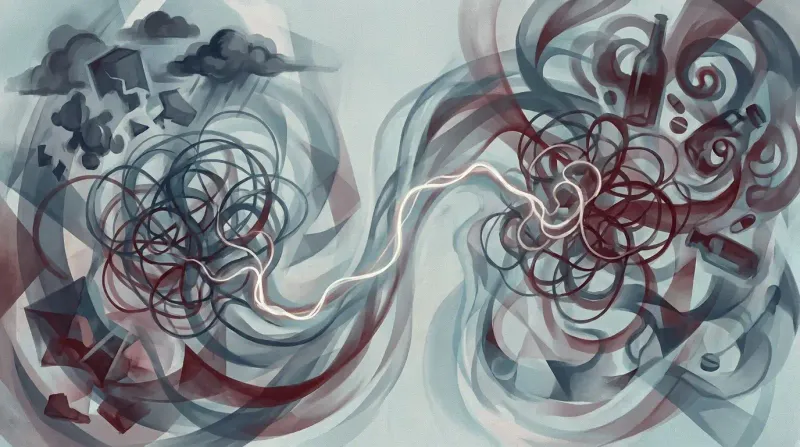
Have you ever wondered how childhood trauma can shape our choices, relationships, and even addictive behaviors in adulthood? Emotional disturbances and psychological wounds that begin early in life are among the key factors that increase a person's vulnerability to addiction whether to substances or behaviors. What makes this issue more complex is that many people aren't aware that their current struggles may stem from early traumatic experiences. In this article, Tatmeen explains the scientific links between childhood trauma and addiction, and how understanding this relationship is a critical step toward healing.
Do Your Childhood Traumas Affect Your Brain as an Adult?
Childhood trauma leaves deep imprints on the nervous system, altering brain development and emotional regulation. According to experts at Tatmeen, children often cope with painful experiences through adaptive mechanisms that can later evolve into various forms of addiction. Research shows that children who have faced abuse or neglect are significantly more likely to resort to substance use or compulsive behaviors as a way to escape emotional distress.
Chemical Changes in the Brain
When a child is treated harshly or grows up in a chaotic home environment, the brain releases high levels of stress hormones like cortisol. These hormones cause long-term structural changes, particularly in areas like the amygdala—the brain's emotion center. As a result, the drive to seek immediate gratification (through drugs, gambling, etc.) becomes stronger, functioning as a substitute for the emotional nourishment that was missing during childhood.
How Emotional Pain Leads to Addiction
A child who has experienced trauma often carries intense feelings of fear, shame, and low self-worth. As they grow up, they develop an internal drive to escape those lingering emotions. This is when various addictive outlets may arise: drugs, alcohol, excessive gaming, compulsive shopping—anything that offers temporary relief. But what begins as an escape from pain can easily become a chronic, destructive habit.
Escalating Pattern: The adolescent or adult discovers that the behavior offers short-term relief, leading them to engage more frequently—eventually turning into an addiction.
Emotional Dependence: The substance or behavior becomes a primary tool for regulating emotions, replacing healthy interactions and self-reflection.
The Addiction Cycle
Once the habit becomes entrenched, the individual enters a vicious cycle: Painful emotions from the past → Addictive behavior → Shame or guilt → Return to painful emotions. Breaking this cycle requires conscious recognition of the original trauma and the development of healthier coping mechanisms—paving the way for comprehensive recovery.
Signs of a Link Between Childhood Trauma and Addiction
Chronic mood disorders: Persistent mood swings often tied to early experiences of abandonment or harsh criticism.
Avoidance of memories: A constant need to numb or escape painful childhood memories through intense activities or intoxicating substances.
Trust issues: Difficulty forming stable relationships due to a lingering sense of insecurity.
Impulsivity: Quick decision-making without consideration for consequences, which can lead to experimenting with risky behaviors or substances.
How Awareness of This Link Supports Recovery
Understanding the trauma-addiction connection opens the door to real transformation. Instead of focusing treatment solely on the addictive behavior, it allows you to address the root cause—buried emotional pain. By acknowledging and accepting your past, feelings of shame and inferiority begin to fade, and the brain starts to reshape its emotional responses.
Healing Therapy Sessions: These sessions explore emotional deficiencies and help build healthy coping skills.
Facing the Past: Techniques like EMDR (Eye Movement Desensitization and Reprocessing) may reduce the emotional charge of traumatic memories.
Support Networks: Family, friends, and peer support groups provide understanding and empathy—offering connection instead of retreat into addiction.
The Importance of Confidentiality in a Journey Like This
Being aware of how your past trauma affects you is the first step toward true healing. It allows you to treat the root cause rather than merely suppress symptoms. In today's world, online therapy sessions through trusted platforms like Tatmeen offer a flexible and discreet way to receive care. Book your session today with Tatmeen and benefit from a professional, confidential space where you can safely open up about childhood trauma and addiction.
Frequently Asked Questions
Q1: Can childhood trauma be overcome without therapy?
While some individuals manage to live with painful memories, therapy allows for deeper healing by addressing the lasting effects and helping you develop healthy coping strategies.
Q2: What types of addiction are most linked to childhood trauma?
Addiction may appear in many forms—substance abuse (like drugs or alcohol) or behavioral addictions (such as gambling or gaming). What they all share is a psychological drive to escape inner pain, which often traces back to past trauma.
Q3: How can online therapy help me address these issues?
Online therapy offers privacy and flexible scheduling, making it easier to open up about painful childhood experiences. Through Tatmeen, you can connect with a licensed specialist who will guide you, step by step, toward healing from trauma and addiction.
What is your impression of this article?
Reviewed by

Tatmeen Team
Start your journey to better mental health with our care providers


One step for you, start now
Download Tatmeen and find the care provider that’s right for you easly.
Download Tatmeen and join over 10,000 successful recovery stories

Related articles

We haven’t gotten to share any of our blog posts yet
Join Tatmeen's newsletter
Subscribe to our newsletter to get the latest articles and news